


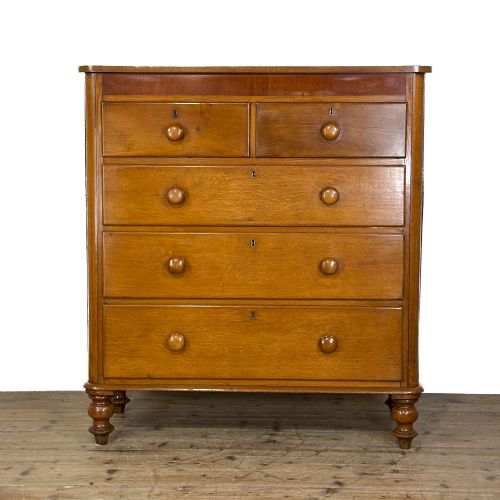
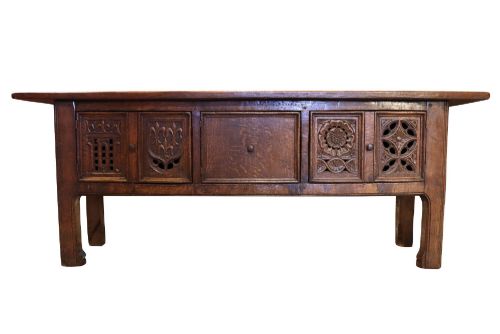
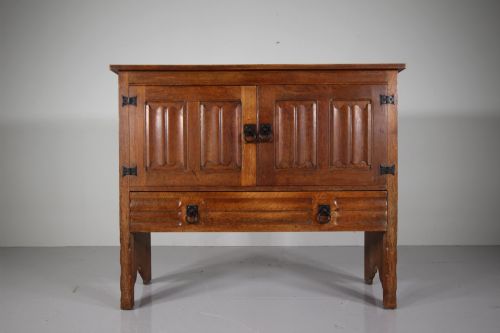
19th Century Oak Dresser
A 19th century oak dresser brings honest utility and time-worn timber into a modern interior.
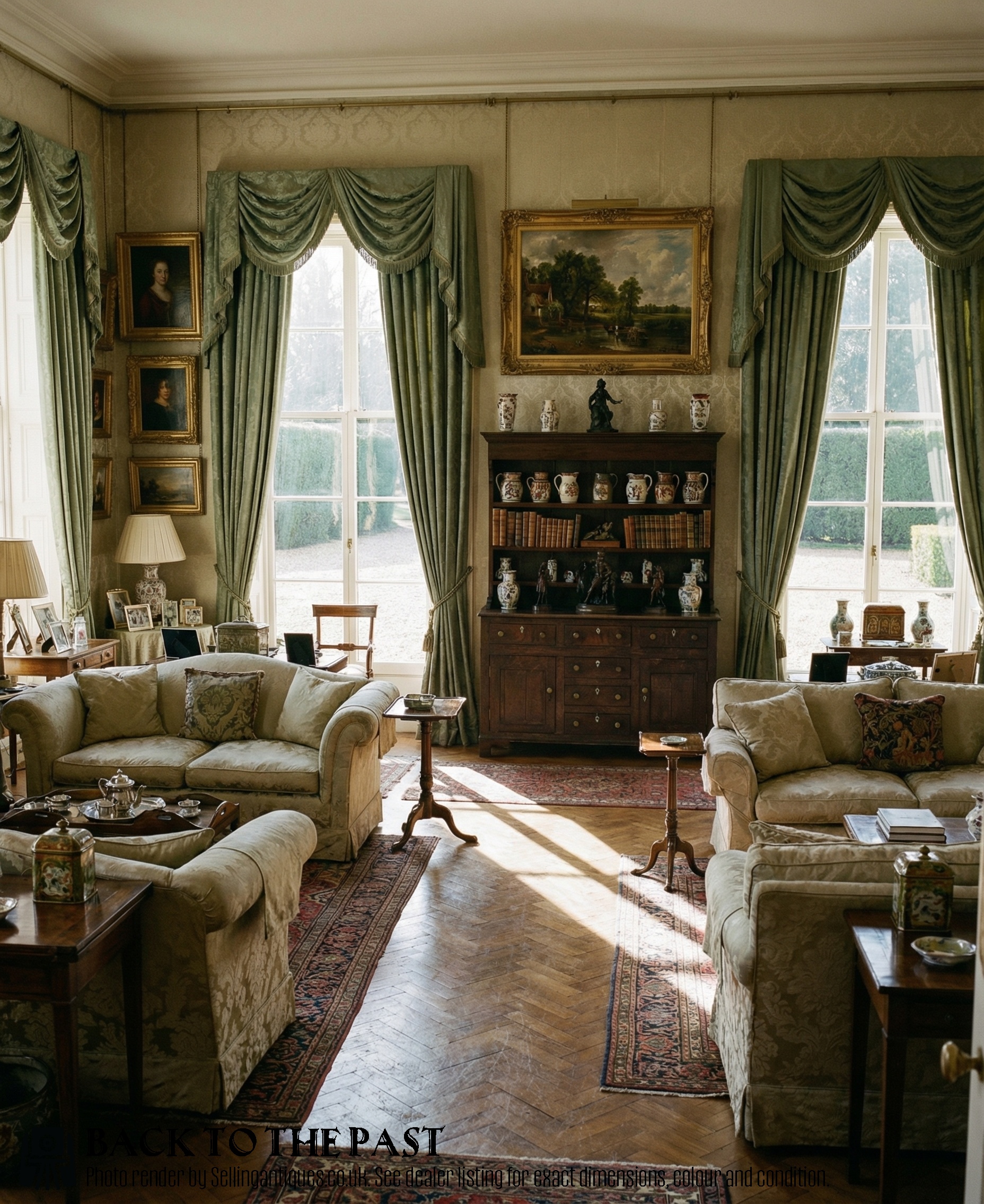
19th Century Oak Dresser
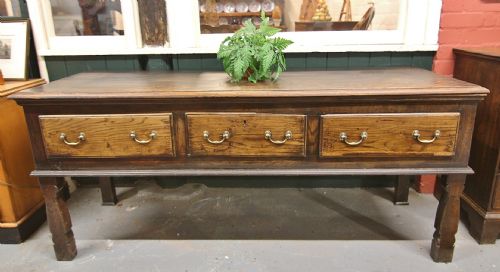
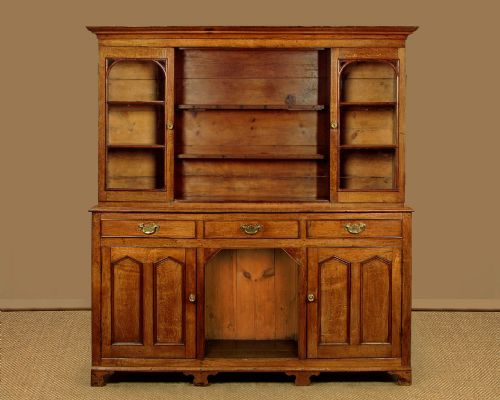
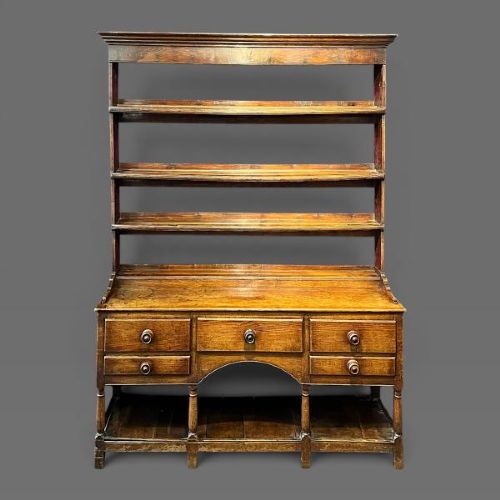
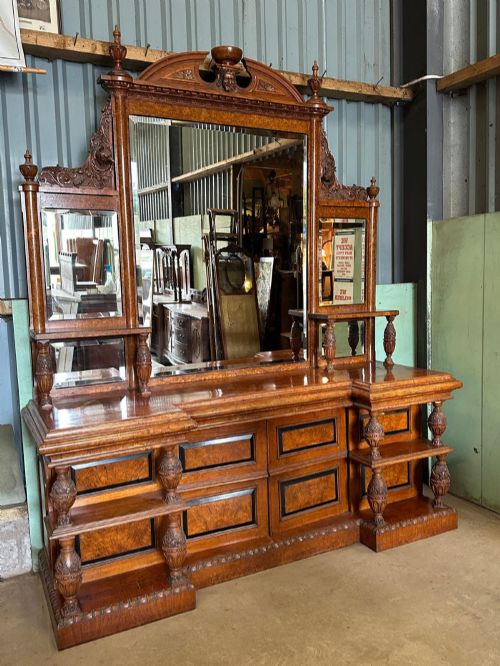
A 19th century oak dresser typically combines a lower storage base of drawers and cupboards with an upper plate rack, though many survive simply as dresser bases. They emerge from regional traditions across Wales, England, and France, often showing local quirks in their proportions and drawer arrangements. Buyers will frequently encounter forms featuring pot boards, open shelving, or enclosed mirror backs.
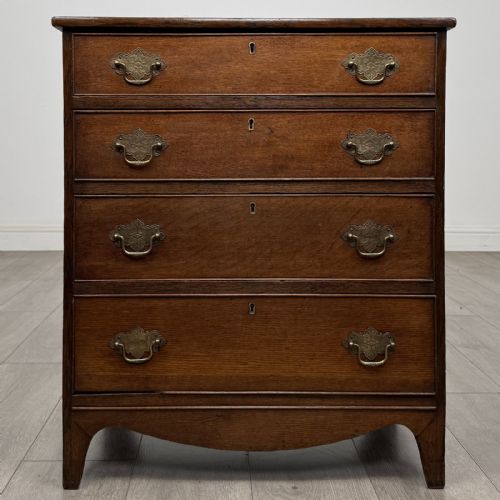
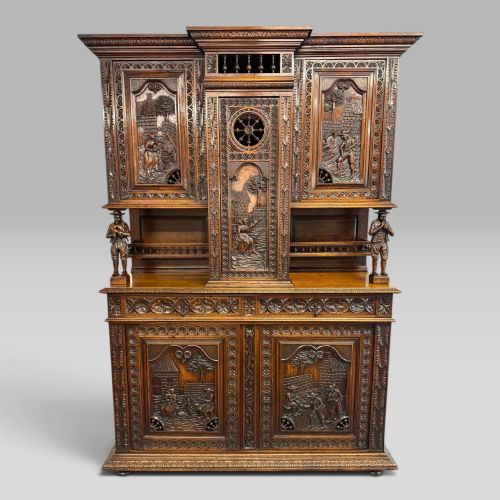
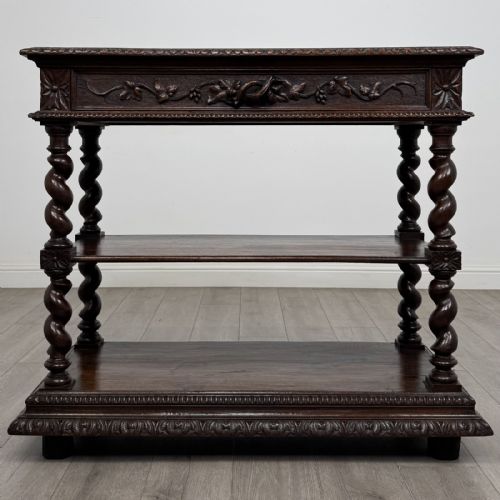
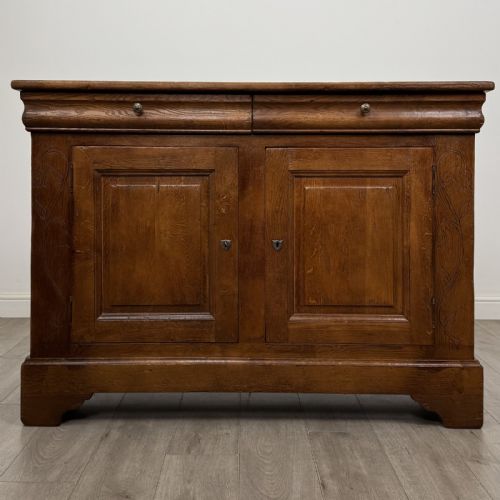
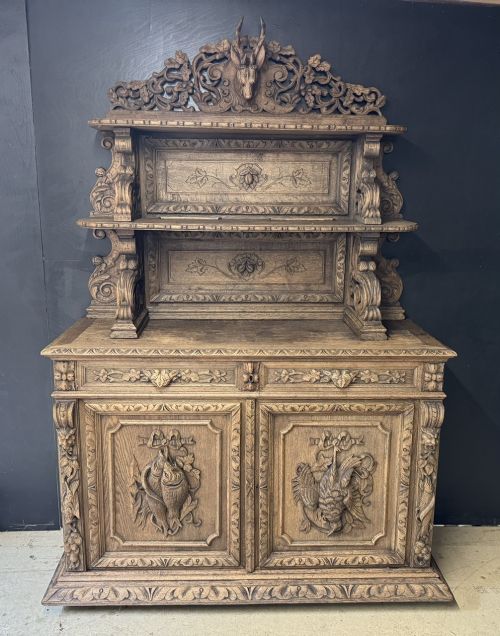
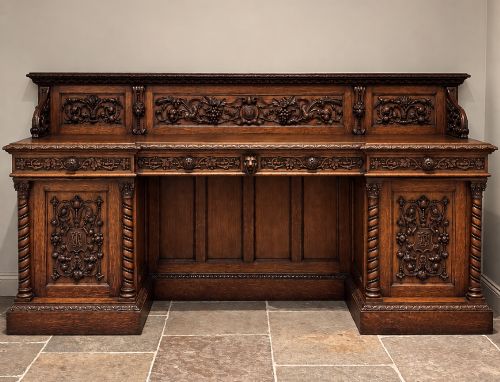
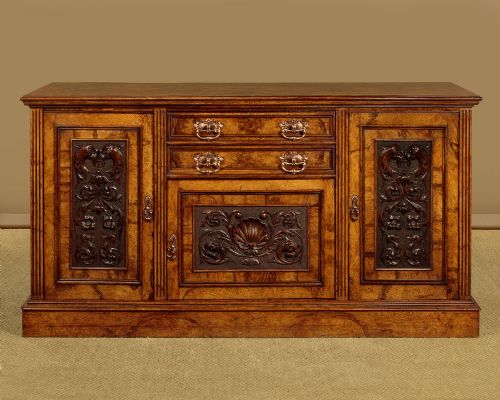
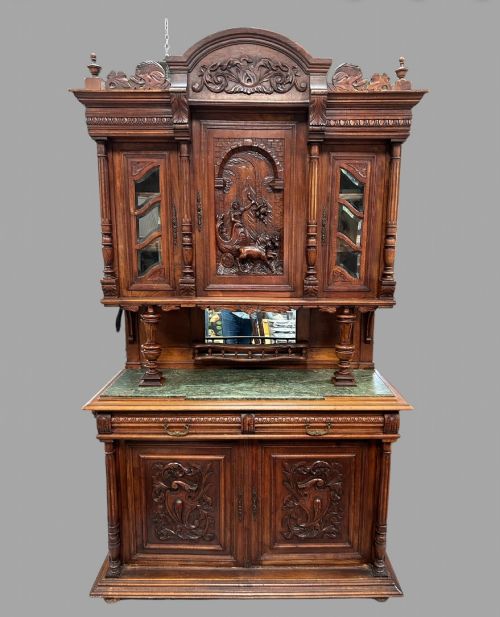
The styles span from utilitarian country cottage pieces to elaborate Gothic Revival and Renaissance Revival designs carved with figures or geometric panels. Alongside traditional dressers, the inventory includes related sideboards, buffets, and chests of drawers sharing the same era and timber. This variety reflects both domestic utility and changing aesthetic tastes throughout the victorian period.
Regional variations are particularly noticeable in Welsh examples, which range from narrow cottage proportions to wide bases designed for farmhouse kitchens. French provincial variants frequently integrate fruitwood or walnut alongside the primary oak timber, offering a slightly lighter visual weight. Every piece demonstrates the robust construction required for heavy daily service in historical households.
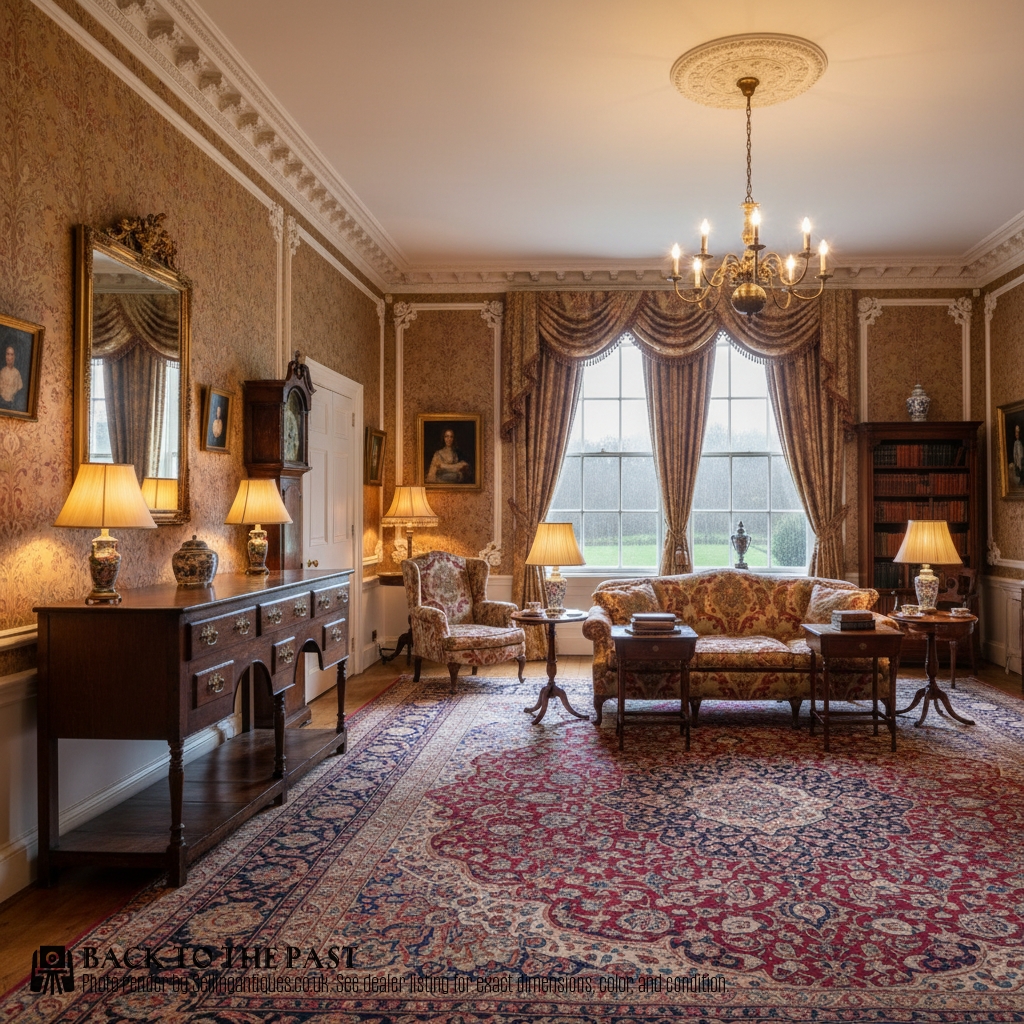
Materials and construction
Solid oak serves as the primary structural timber, chosen for its density, durability, and rich grain patterns developed over centuries. Secondary woods such as pine appear in concealed areas like drawer linings and backboards, reflecting period workshop economy. Occasional contrasting details utilise mahogany, walnut, or fruitwood for inlay and decorative banding.
Joinery methods rely heavily on pegged mortise and tenon frames, hand-cut dovetails for drawer construction, and panelled doors. Carved ornamentation is executed directly into the solid timber substrate rather than applied as separate composition moulding. Iron and brass hardware, including drop handles and hinge plates, secure the functional moving parts.
Surfaces finished by hand display tool marks and subtle patination accrued through decades of waxing and daily handling. Pot boards feature sturdy slatted lower shelves supported by heavy stiles designed to bear the weight of heavy ceramics. Timber shrinkage and historical repairs remain standard physical evidence of age on these working furniture items.
19th Century Oak Dresser Retail Price Guide 2026
Typical asking prices for 19th century oak dresser among the pieces listed under this phrase on Sellingantiques today, from the lower quarter to the upper quarter. They describe what is for sale here now, not the wider market.
Listings feature oak, walnut, fruitwood, and mahogany across styles from Georgian restraint to heavy Victorian Gothic Revival.
Assessing quality and proportion
Quality rests primarily on the integrity of the original construction and the depth of the timber's natural patination. Superior examples retain their original back racks, hardware, and structural elements without extensive timber replacement. Finer pieces demonstrate careful selection of figured grain across drawer fronts and primary viewing surfaces.
Carved decoration indicates skill level, moving from simple geometric moulding to deeply articulated figures, Green Man motifs, and crisp Gothic tracery. The balance of proportions dictates visual success, particularly on narrow or small-scale regional pieces where clumsy alterations disrupt the original silhouette. Surface treatments that preserve the dry, warm tones of unstripped oak elevate the desirability of a piece.
The 19th Century Oak Dresser Glossary
- Pot board
- A low open shelf fitted beneath the base of a dresser, historically used for storing heavy pots and pans.
- Dresser base
- The lower section of a dresser comprising drawers and cupboards, found either separated or surviving independently from its original upper rack.
- Cwpwrdd Gwydr
- A traditional Welsh term for a glazed cupboard or dresser, often featuring glass-fronted upper doors.
- Green Man
- A sculptural architectural ornament depicting a human face emerging from or entwined with foliage.
- Rack
- The upper shelving superstructure attached to a dresser base, designed specifically for displaying plates and serving dishes.
- Parquetry
- Geometric wood inlay work arranged in repeating patterns across flat surfaces such as tabletops and drawer fronts.
19th Century Oak Dresser: Frequently Asked Questions
What is the difference between a dresser and a sideboard?
A dresser typically includes an upper plate rack or the mounting structure for one, whereas a sideboard is designed strictly as a low serving surface with drawers and cupboards below.
Historically, dressers lived in kitchens and sculleries for everyday tableware storage, while sideboards sat in dining rooms for formal entertaining.
How do I care for antique oak furniture?
Maintain a stable indoor humidity and keep timber away from direct heat sources to prevent shrinkage, warping, and splitting.
Apply a traditional beeswax polish sparingly and buff with a soft cloth to preserve the natural lustre and protect the surface from moisture.
Are dresser bases missing their racks original?
Many dresser bases survive without their upper racks because households separated the pieces or ceilings were too low in subsequent properties.
Examine the top boards of the base for peg holes, fixing marks, or untouched finish where the rack once attached to confirm its history.
How can I tell a Welsh dresser apart from other regional types?
Welsh dressers frequently incorporate pot boards, substantial proportions, and distinctive regional drawer layouts designed for farmhouse kitchens.
They often use local oak combined with secondary pine linings and display subtle variations in cornice mouldings specific to North or South Wales workshops.