


English Oak Dresser
When you search for an english oak dresser, you find sturdy storage furniture built to hold china and kitchen provisions over generations.
English Oak Dresser
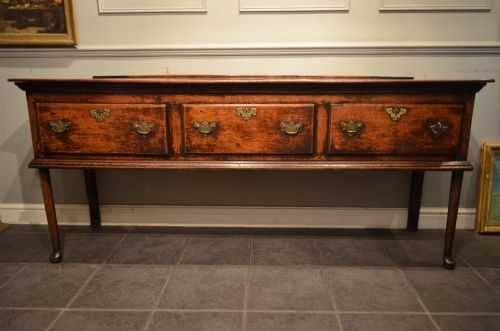
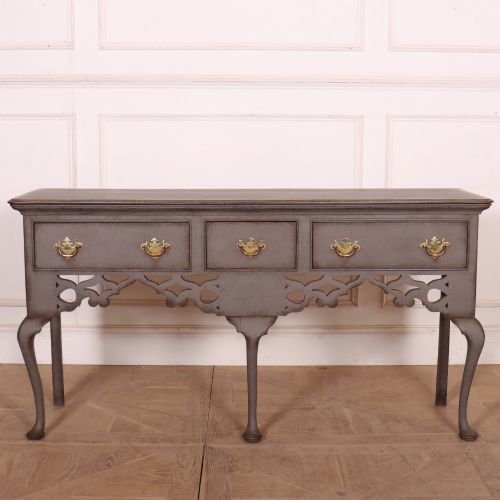
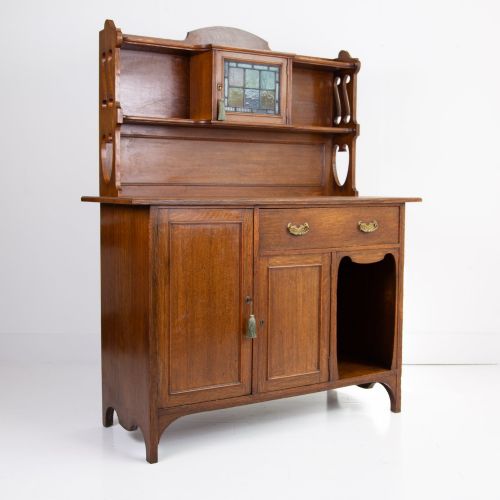
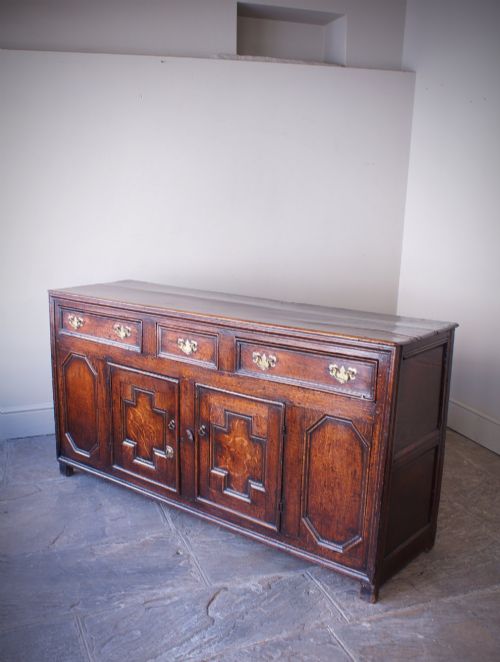
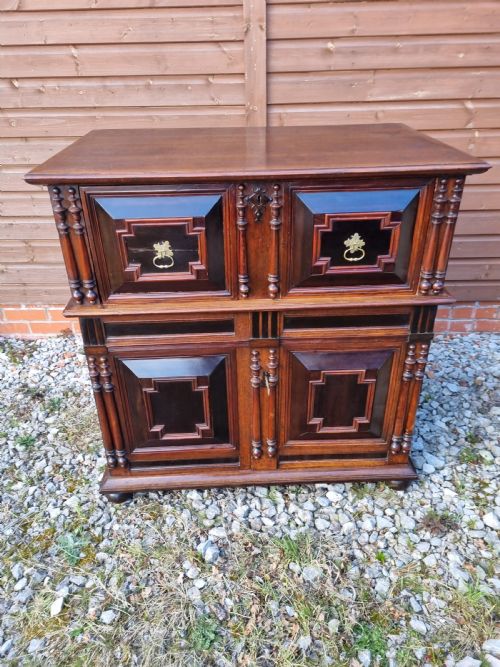
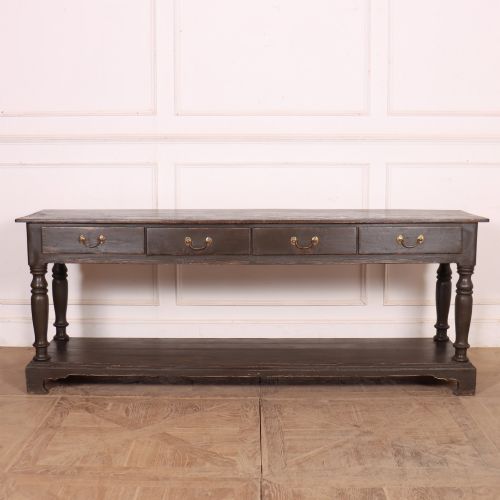
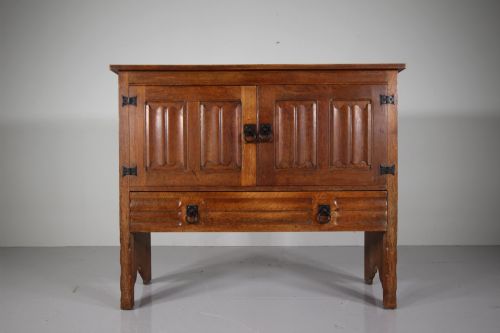
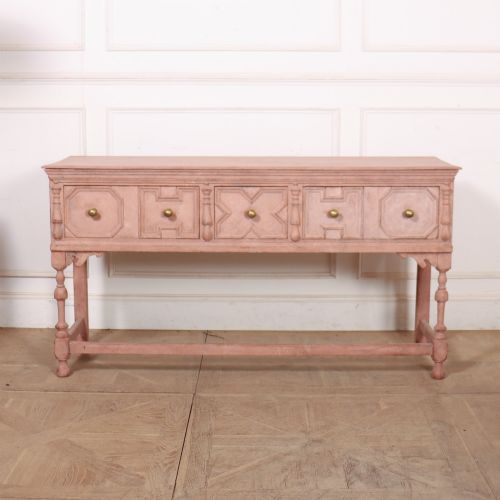
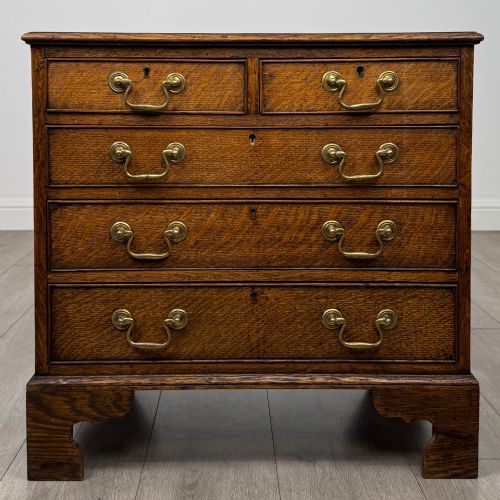
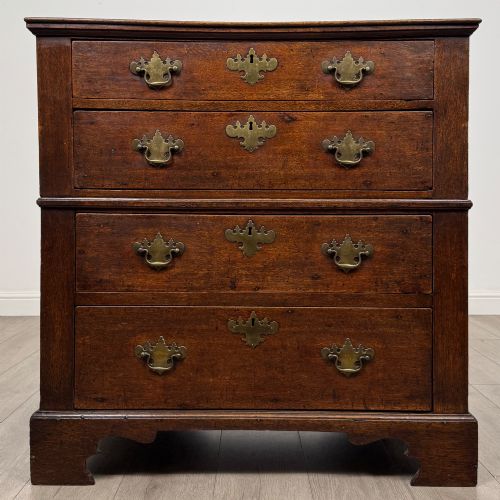
An english oak dresser typically combines a lower base with drawers or cupboards and an upper plate rack for displaying ceramic dishes. The selections here range from substantial seventeenth century potboard bases to eighteenth century Georgian pieces and later revival styles.
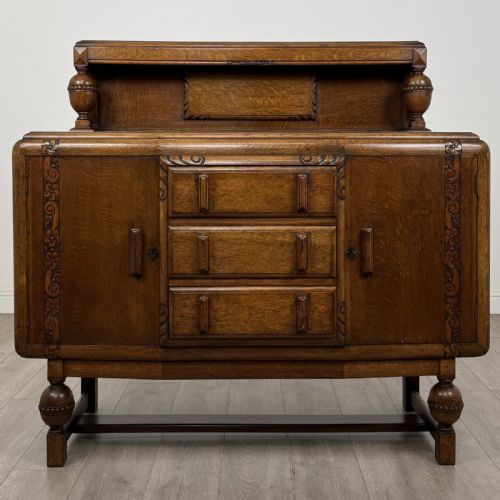
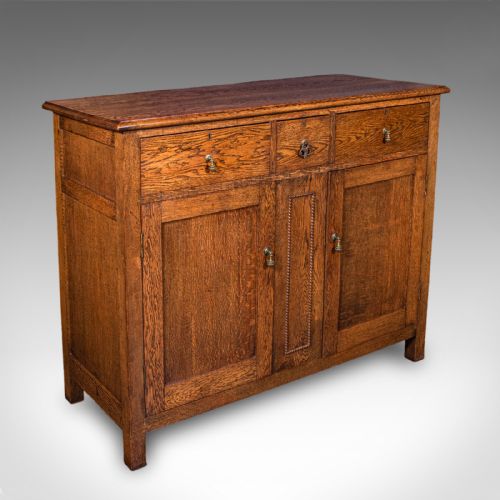
Buyers encounter different formats including low servers, sideboards, and combinations with integrated shelving. Pieces span several centuries, encompassing seventeenth century Charles II work, eighteenth century country examples, and nineteenth century adaptations.
The regional variety shows up in simple country farmhouse kitchen furniture alongside more formal Georgian designs. Many retain their practical utility while serving as focal points in dining spaces and kitchens.
Materials and Construction
Makers relied primarily on solid oak supplemented by secondary woods like elm, pine, and fruitwood for drawer linings and panels. Brass drop handles, escutcheons, and iron hardware provide functional contrast to the heavy timber.
Construction involved traditional frame and panel techniques, dovetail joints for drawers, and pegged mortise and tenon joints for structural stability. Surfaces often received hand planing, scraping, and wax finishing rather than heavy varnish.
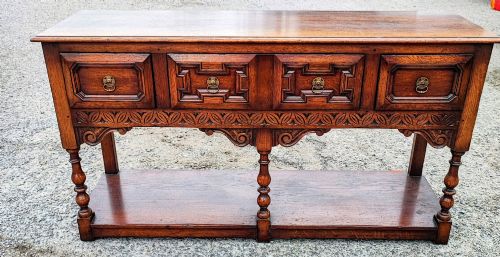
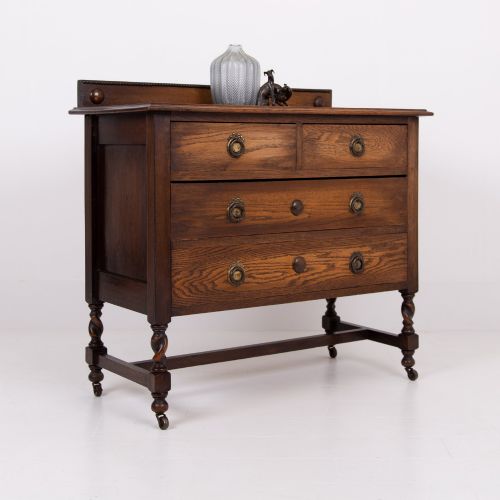
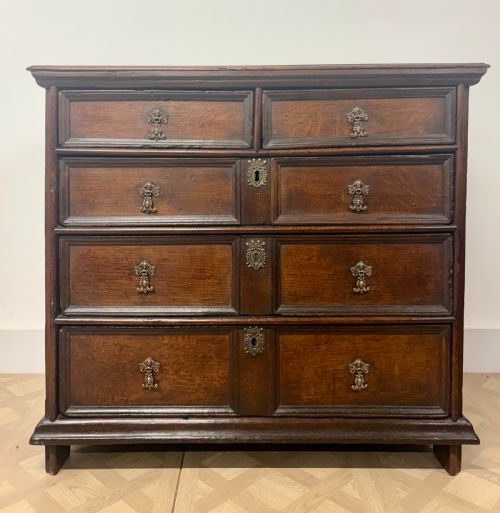
Decorative elements include geometric mouldings, carved friezes, barley-twist supports, and occasional inlay work in contrasting woods. Potboard bases feature open lower shelves designed originally for storing heavy pewter and ceramic platters.
English Oak Dresser Retail Price Guide 2026
Typical asking prices for english oak dresser among the pieces listed under this phrase on Sellingantiques today, from the lower quarter to the upper quarter. They describe what is for sale here now, not the wider market.
Some seventeenth century dresser drawers still retain ancient grease marks from centuries of keeping tallow candles and kitchen twine.
Judging Quality
Quality rests on the integrity of the timber, the depth of colour in the wood, and the retention of original hardware. Superior examples display tight grain patterns in the oak and minimal replacement of structural boards.
Hand-cut dovetailing and the smoothness of drawer operation distinguish superior cabinet work from utilitarian construction. The presence of original cup hooks, potboards, and uncompromised surface patination elevates a piece significantly.
Proportion and balance between the base and any associated plate rack dictate visual success. Pieces showing careful historic repairs command greater respect than those stripped down to raw, bleached timber.
The English Oak Dresser Glossary
- Potboard
- An open lower shelf built into the base of a dresser for storing heavy kitchenware. This feature is particularly prized on seventeenth and eighteenth century examples.
- Plate Rack
- The upper shelving unit attached to a dresser base, featuring grooves and plate rails to display ceramic plates upright. Many retain original brass cup hooks.
- Dresser Base
- The lower section of a dresser comprising drawers and cupboards without the upper plate rack. These function well as independent sideboards or serving tables.
- Geometric Moulding
- Applied raised mouldings on drawer fronts creating panelled patterns typical of seventeenth century joinery. This technique was popular during the Charles II and William and Mary periods.
- Cross-Banding
- A border strip of veneer laid around the edges of drawer fronts with the grain running perpendicular to the central panel. It provides a refined decorative contrast.
English Oak Dresser: Frequently Asked Questions
How do I date an english oak dresser?
Dating relies on construction methods, hardware, and decorative details like mouldings or carving styles. Seventeenth century pieces show pegged joinery and geometric drawer fronts, while Georgian examples often feature cleaner lines and mahogany cross-banding.
Subsequent revival pieces from the Victorian and Edwardian eras imitate these earlier forms but use different secondary woods and machine-cut elements. Examining the timber shrinkage and tool marks on internal boards helps confirm the age.
Were plate racks always made with the dresser base?
Many plate racks are later married companions to older dresser bases rather than original pairs. Dressers were utilitarian kitchen furniture, so plate racks often suffered damage and became separated over the centuries.
Matching timber species, wear patterns, and mounting marks help determine if the base and rack grew up together. Both married and original combinations remain entirely acceptable for modern homes.
How do I care for antique oak furniture?
Maintain antique oak by applying quality beeswax periodically to nourish the dry timber and preserve the natural patina. Avoid placing pieces near direct heat sources or in strong sunlight, which causes wood to warp and split.
Cleaning requires only a soft, dry cloth; modern chemical polishes strip the historic finish and dull the surface over time. Regular gentle waxing keeps the wood resilient and water-resistant.
What is the difference between a dresser and a sideboard?
A traditional english oak dresser includes or is designed to accompany an upper plate rack for displaying ceramics. Sideboards consist solely of a low base with cupboards and drawers for storage without upper shelving.
In practical terms, dresser bases function effectively as sideboards in modern dining rooms where ceiling height precludes a full plate rack. Both forms offer generous surface area and enclosed storage capacity.