

Cabriole Leg Dresser
A cabriole leg dresser brings together curved joinery and practical storage, offering period character for daily rooms.

Cabriole Leg Dresser
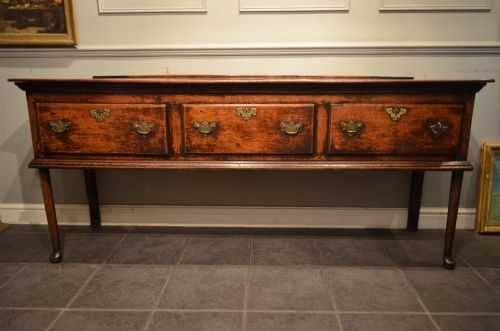
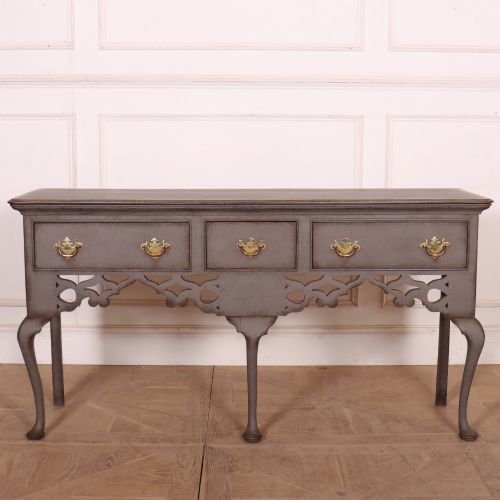
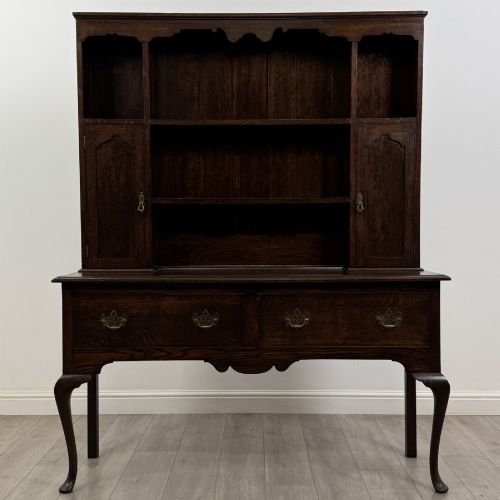
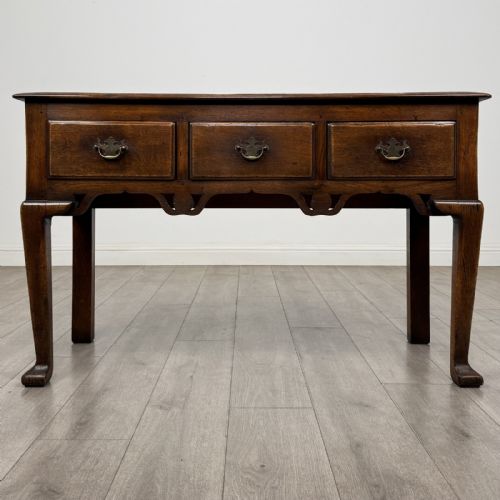
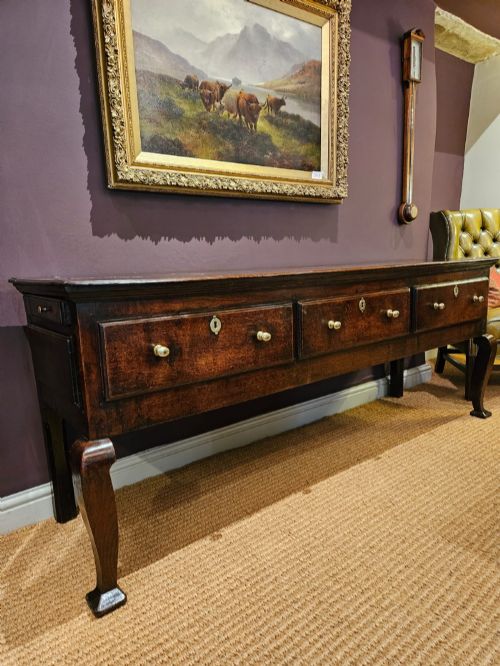
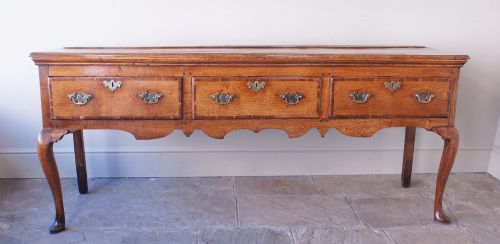
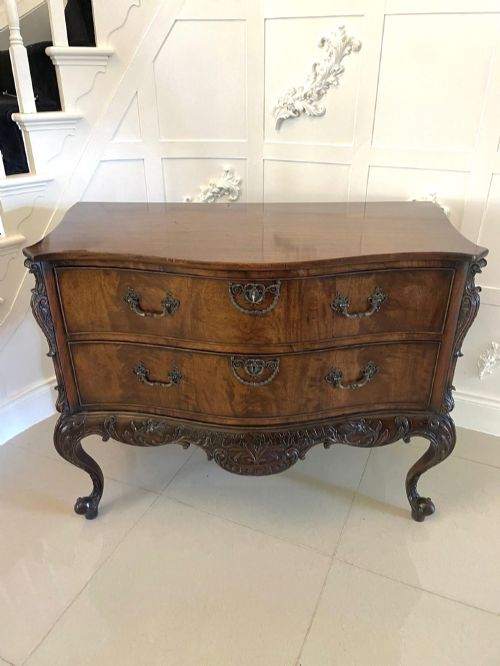
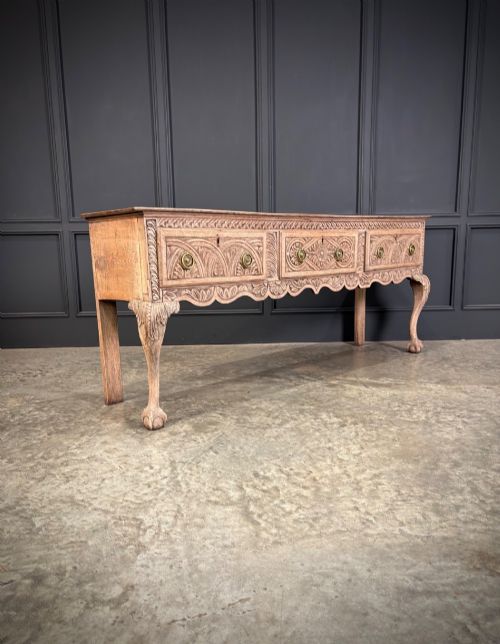
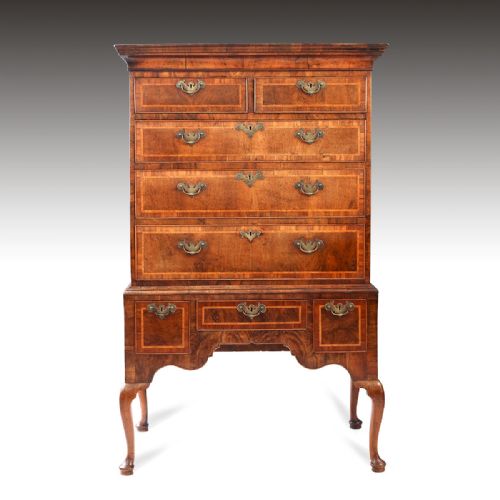
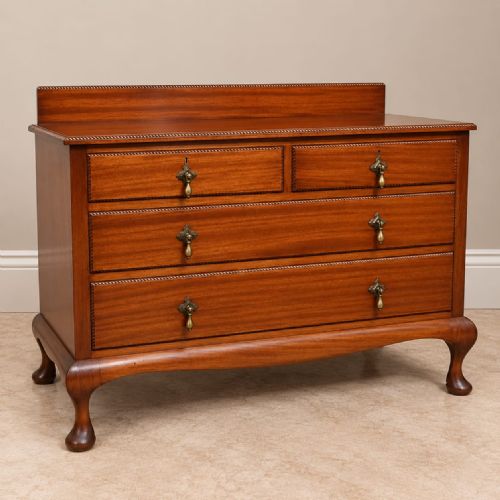
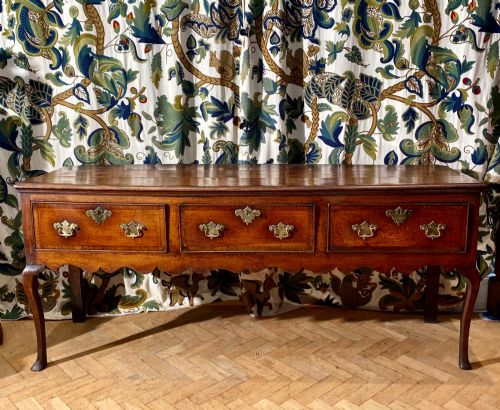
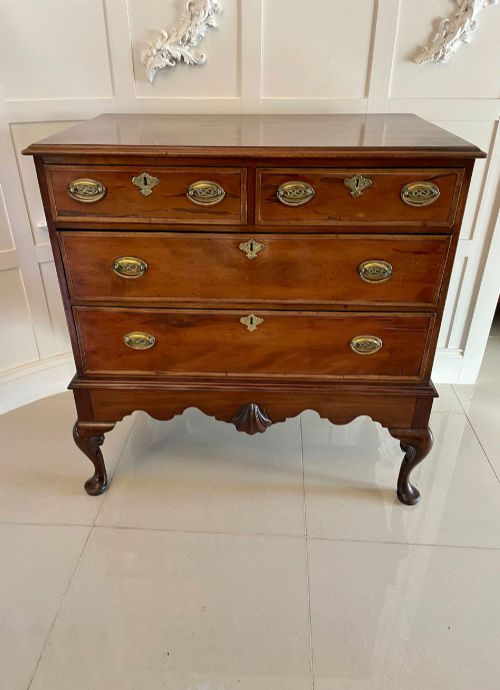
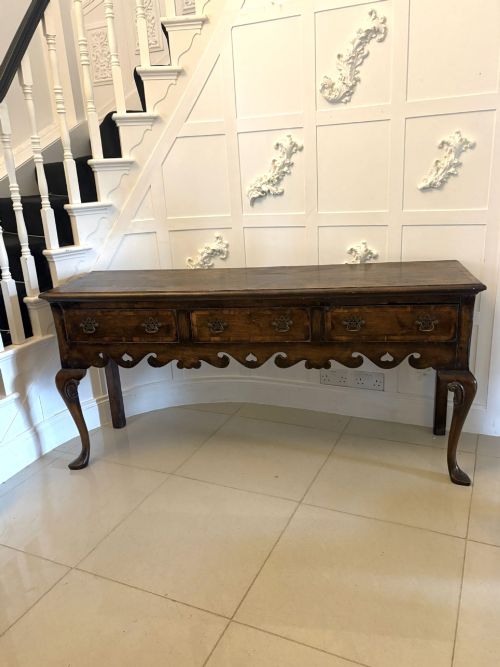
A cabriole leg dresser is typically a low oak or walnut base featuring curved, sweeping legs that flow into pad or club feet. These pieces frequently appear in Georgian and eighteenth-century styles, serving as functional sideboards, serving tables, or drawer bases.
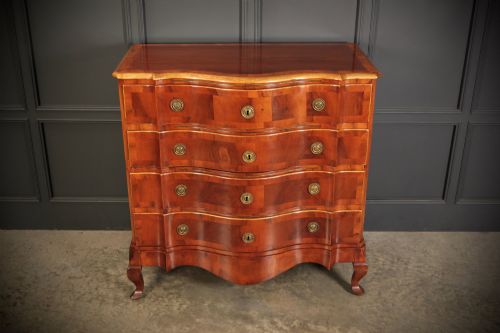
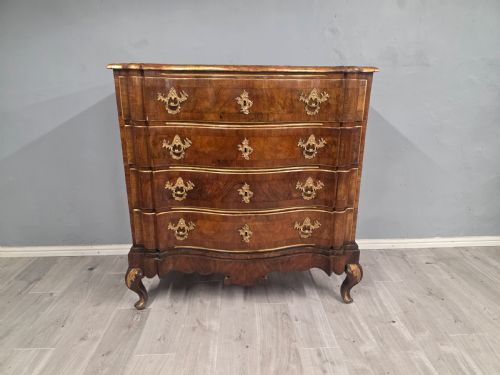
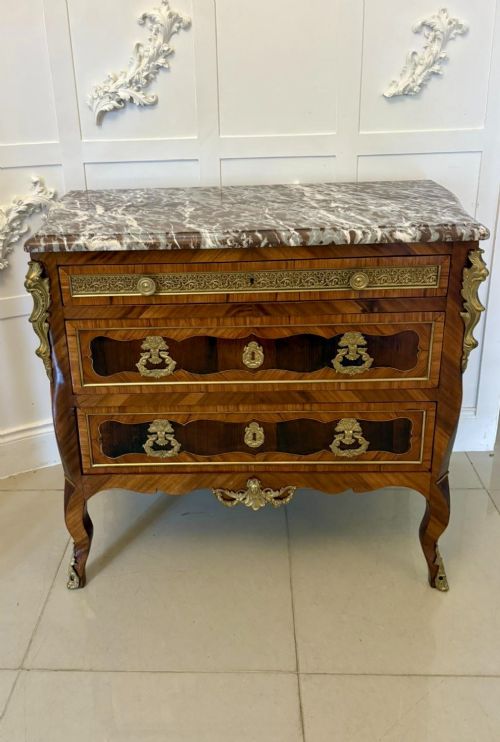
Beyond the standard oak vernacular forms, buyers encounter walnut veneer variations, mahogany console tables, and provincial pieces fitted with brass drop handles. The selection ranges from rustic country workshops to refined urban interpretations.
Materials and construction
Cabinetmakers built these frames primarily in solid oak, elm, or walnut, frequently applying figured walnut veneers to drawer fronts and tabletops. Secondary woods such as deal or pine commonly appear in internal drawer linings and backboards.
The distinctive legs were shaped directly from solid timber blocks to achieve the flowing double curve, often joined to the main carcass with mortise and tenon joints. Brass hardware, including batwing plates and teardrop handles, completed the construction.
Cabriole Leg Dresser Retail Price Guide 2026
Typical asking prices for cabriole leg dresser among the pieces listed under this phrase on Sellingantiques today, from the lower quarter to the upper quarter. They describe what is for sale here now, not the wider market.
Listings feature oak, walnut, and mahogany across Georgian, Victorian, and Edwardian periods.
The spectrum of quality
Quality rests in the harmony of the leg curvature and the crispness of the timber's grain pattern. Superior examples display undisturbed patination on solid boards and precise hand-cut dovetails within the drawers.
Lesser pieces suffer from heavy restoration, replaced brasses that leave scarring on the timber, or legs that have been awkwardly reshaped during later repairs.
Hille of London
The Cabriole Leg Dresser Glossary
- Cabriole leg
- A furniture leg featuring a double curve, bulging outward at the knee and tapering inward at the ankle. This design originates from traditional animal limbs.
- Dresser base
- A low cabinet or sideboard fitted with drawers, historically used for food preparation and serving. It stands without the upper plate rack.
- Pad foot
- A simple rounded foot at the base of a cabriole leg where the timber rests flat on the floor. It provides a stable termination to the curved profile.
- Patina
- The surface sheen and deep coloration developed by timber over centuries of handling, polishing, and exposure to light. It is a key indicator of age.
Cabriole Leg Dresser: Frequently Asked Questions
What is a cabriole leg dresser base?
A cabriole leg dresser base is a low wooden storage unit featuring distinctive curved legs that mimic animal limbs. These pieces usually contain multiple drawers across the front and function as sideboards or serving tables.
Historically, they sat in kitchens or dining rooms for storing utensils and serving food. Today, they work well in hallways and living spaces as console tables.
How do I date an oak dresser?
Dating relies on examining construction methods, timber choice, and hardware marks. Eighteenth-century examples typically show hand-sawn boards and pegged joinery.
Later revival pieces from the twentieth century use more uniform machine-cut elements and standardised fixings. Examining the drawer linings provides further clues to the exact manufacturing era.
Are these dressers suitable for modern dining rooms?
These pieces integrate easily into contemporary interiors thanks to their compact height and useful surface area. The drawers offer practical storage for tableware and linens.
Positioning them against a dining room wall provides an ideal surface for serving food or displaying decorative ceramics. Their sturdy timber construction handles everyday domestic use.
What is the difference between oak and walnut models?
Oak models tend to display a robust, rustic character with visible grain and pegged joints, often associated with country workshops. Walnut versions frequently exhibit finer figured veneers and a darker, glossier finish.
Walnut pieces generally reflect higher-status urban commissions from the Georgian period. Both timbers require simple wax polishing to maintain their appearance.