


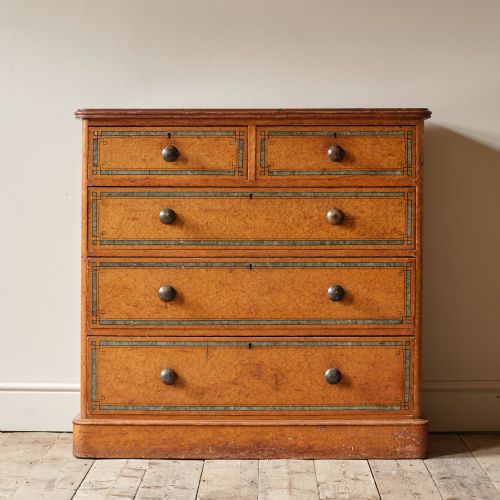
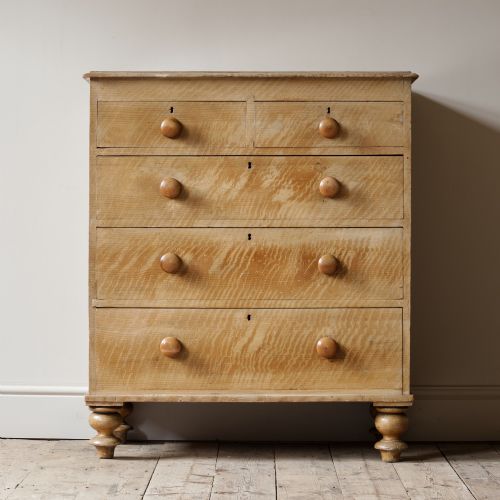
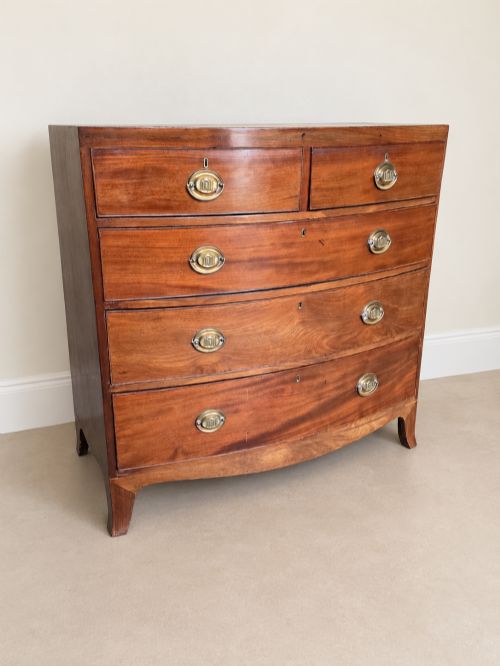
19th Century Dresser
A 19th century dresser brings traditional utilitarian storage and robust rural character into a modern interior.
19th Century Dresser
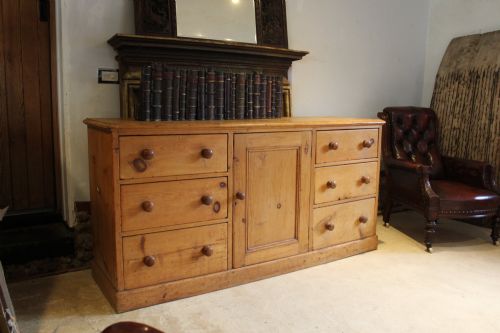
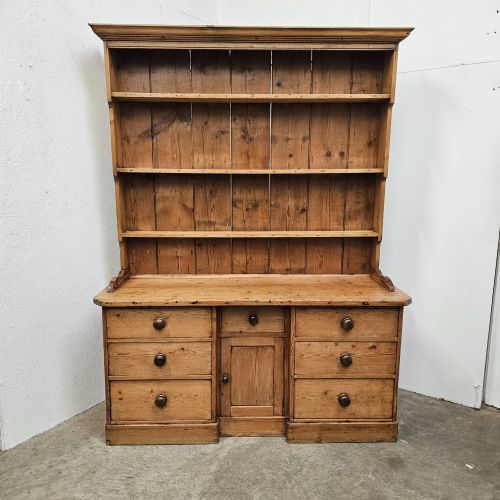
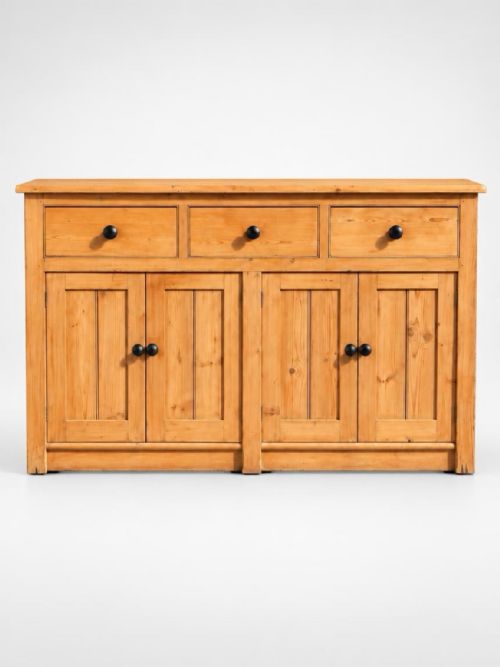
When you search for a 19th century dresser, you encounter heavy kitchen and dining furniture designed for displaying tableware and holding household provisions. The examples on this page span regional British forms like Welsh and Scottish potboard bases, alongside two-part dresser bases with plate racks.
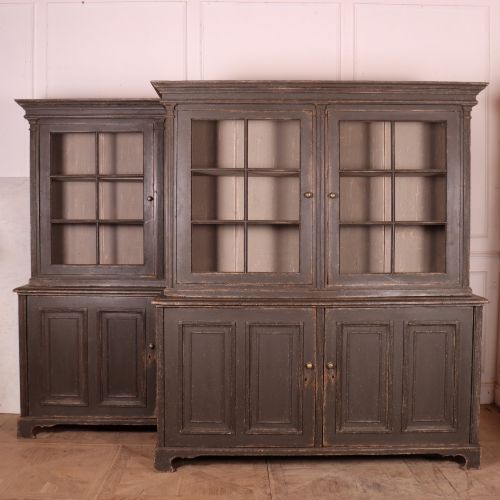
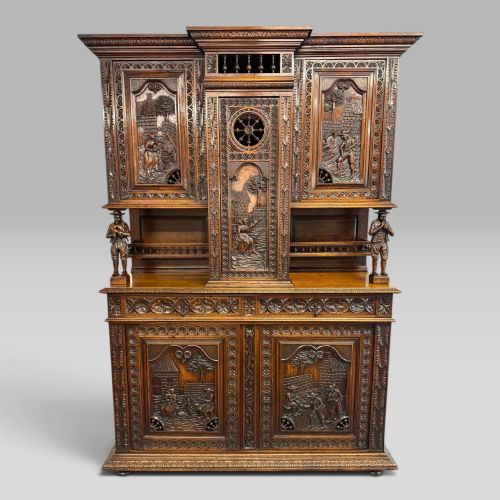
Beyond traditional potboard and rack designs, the selection includes related storage forms such as housekeepers cupboards, sideboards, and painted cottage dressers. These pieces originate from various periods including the Georgian era, the Regency period, and later Victorian decades.
Makers utilised native timbers to construct these sturdy domestic items, resulting in pieces with open plate shelves, enclosed cupboards, and banks of drawers. They served as the central working surface and storage hub in historic kitchens and dining rooms.
How they were made
Constructed primarily from solid oak and pine, these pieces rely on traditional joinery methods suited to heavy domestic use. Many feature panelled doors, pegged joints, and tongue and groove backboards built to withstand decades of daily service.
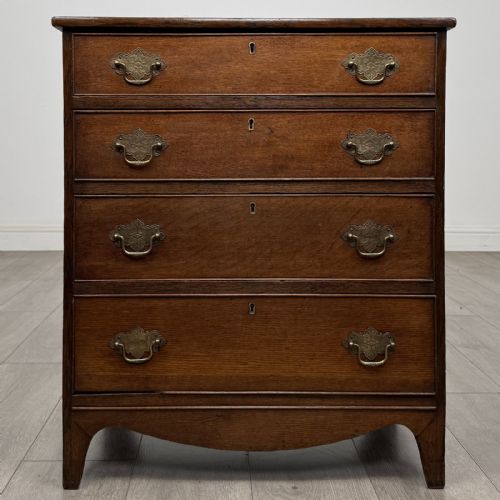
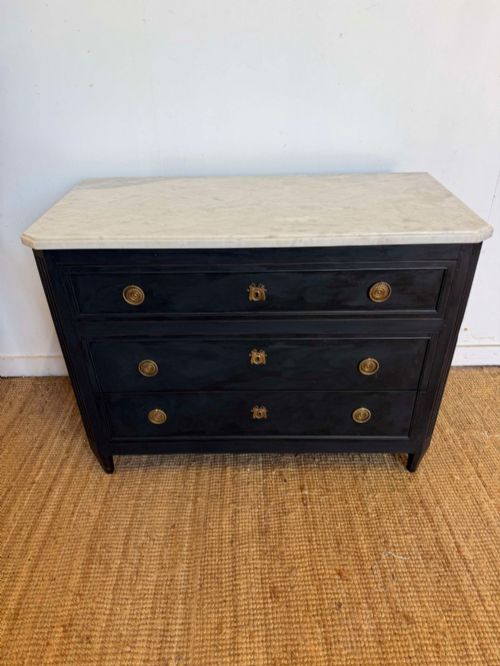
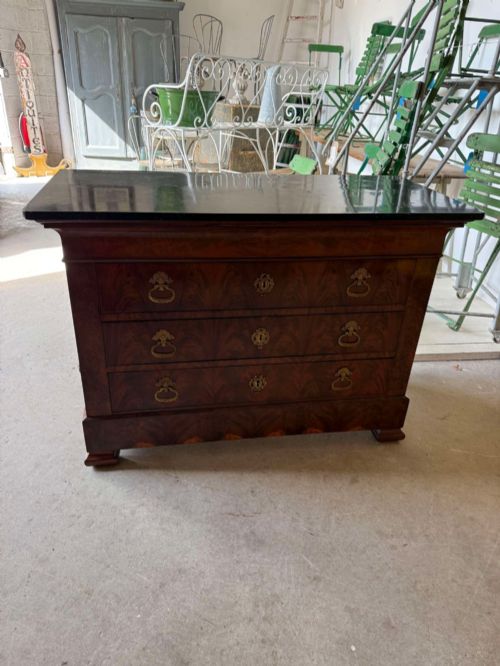
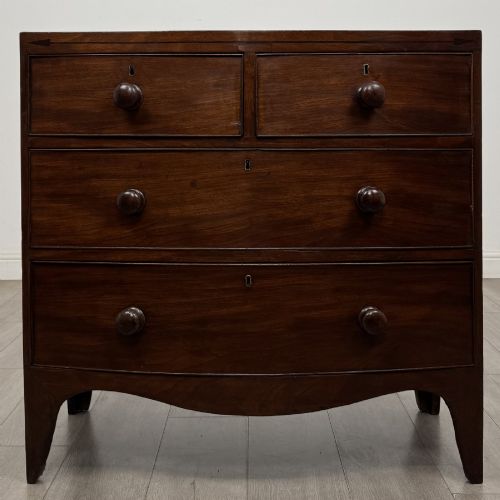
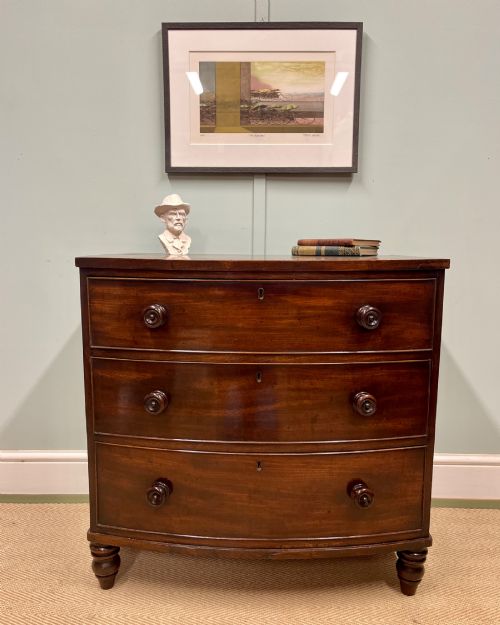
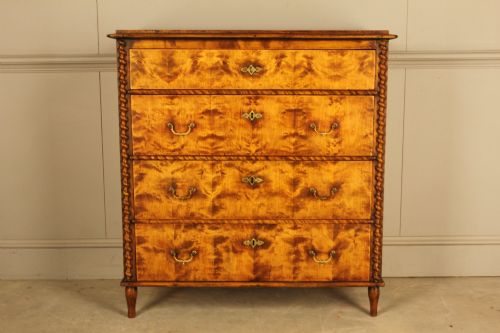
Finer examples incorporate mahogany, flame mahogany veneer, and walnut, often shaped with serpentine outlines or bow fronts. Brass hardware, bone escutcheons, and glass panels frequently accent the construction, particularly on pieces influenced by Regency and Gothic Revival styles.
19th Century Dresser Retail Price Guide 2026
Typical asking prices for 19th century dresser among the pieces listed under this phrase on Sellingantiques today, from the lower quarter to the upper quarter. They describe what is for sale here now, not the wider market.
Certain Welsh bases incorporate integrated dog kennels, providing a cosy recessed sleeping nook for the household hound beneath the drawers.
What varies in quality
The standard of timber selection and surface preservation largely defines the hierarchy among these pieces. Oak and mahogany versions with original patination and untouched timber grain command greater attention than heavily altered examples.
Proportion and regional carpentry detail also separate standard utility furniture from finer workshop pieces. Narrow proportions, balanced drawer arrangements, and integrated plate racks demonstrate superior planning by the maker.
T & G Seddon
The 19th Century Dresser Glossary
- Potboard
- An open slatted lower shelf built into the base of a dresser for storing heavy pots and pans. This historic feature distinguishes many traditional Welsh and English country designs.
- Dresser base
- The lower cabinet portion of a two-part dresser, often utilised independently as a sideboard or serving table. These units typically combine rows of drawers with lower cupboards or shelves.
- Plate rack
- The upper shelving unit attached to the back of a dresser, featuring grooved ledges to display plates upright. They often incorporate small side cupboards or spice drawers.
- Bow front
- A convex curved cabinet front popular during the Regency period. This technique softens the rectangular silhouette of chests and sideboards.
- Serpentine outline
- A horizontally curved front edge featuring a central convex sweep flanked by concave curves. Cabinet makers utilised this contour to create visual movement on mahogany and walnut chests.
19th Century Dresser: Frequently Asked Questions
How do I clean a pine dresser?
Wipe surfaces gently using a soft, damp cloth without harsh chemical detergents. Preserving the historic finish requires avoiding excessive moisture on old timber.
Apply a light coat of natural beeswax periodically to nourish dry pine and maintain the historic surface sheen.
Were all dressers made with plate racks?
Many regional examples, known as dresser bases, were constructed solely as low storage cabinets without upper shelving. These versatile units functioned as sideboards and servers in dining spaces.
Two-part dressers included the detachable rack specifically for displaying ceramic plates and platters in the kitchen.
How do I date an oak dresser?
Examine the construction methods, timber choice, and hardware style to determine the period. Hand-cut dovetails, pegged joints, and original brass pulls often indicate earlier Georgian or Regency manufacture.
Later Victorian pieces frequently display machine-sawn elements, heavier carved ornamentation, and darker applied finishes.