


Wooden Kitchen Hutch
A wooden kitchen hutch provides practical storage and display, bringing character and tradition straight into the heart of the home.
Wooden Kitchen Hutch
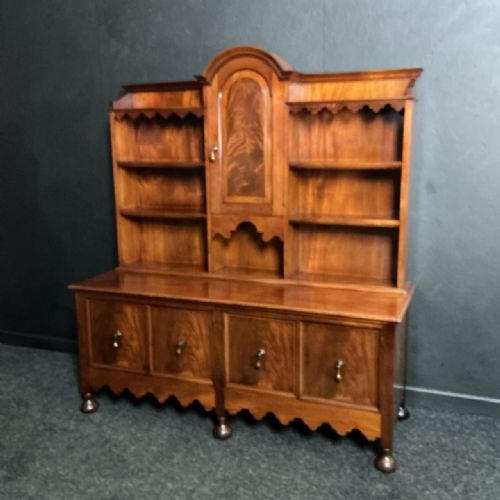
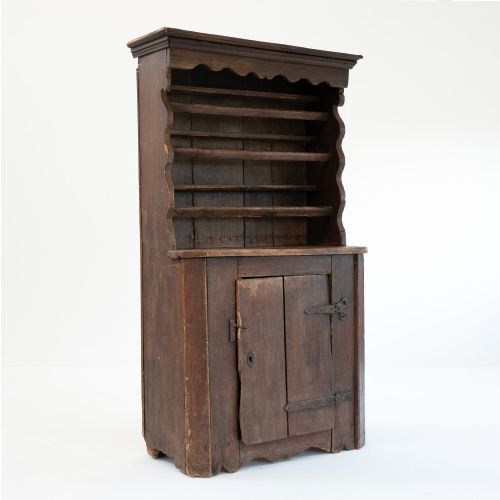
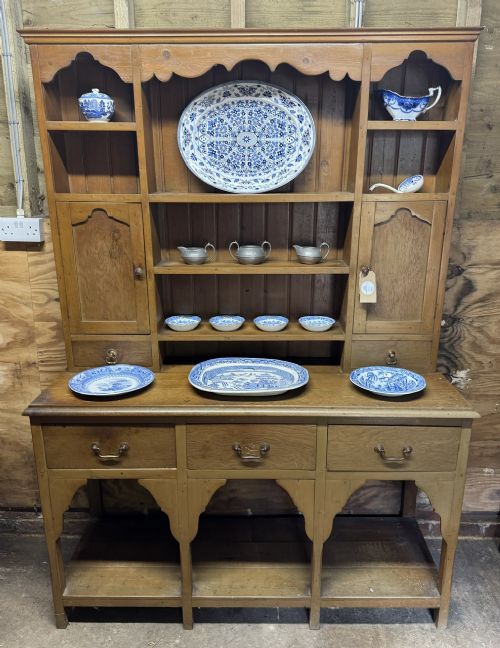
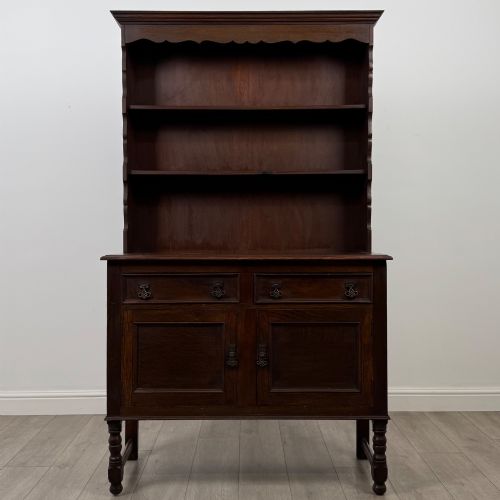
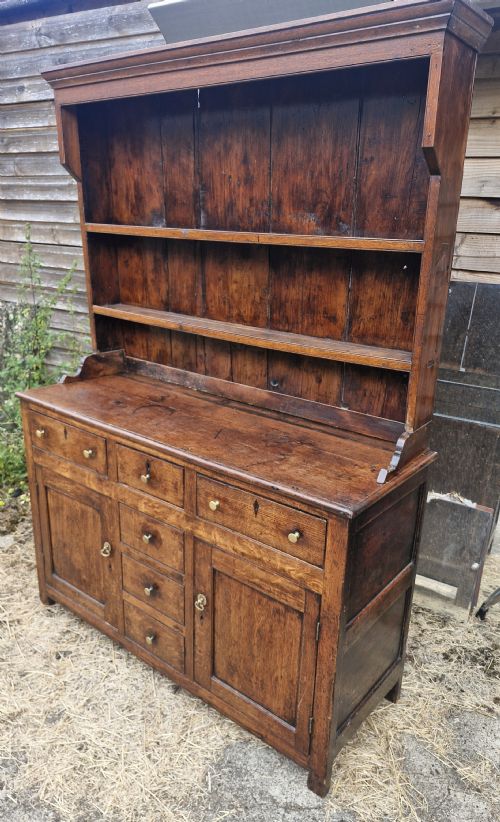
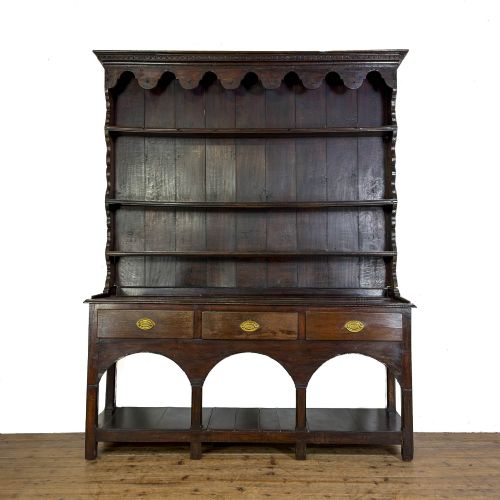
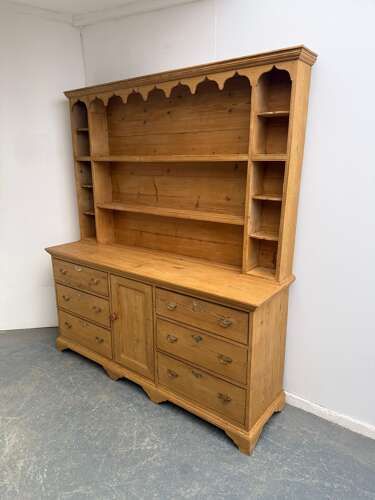
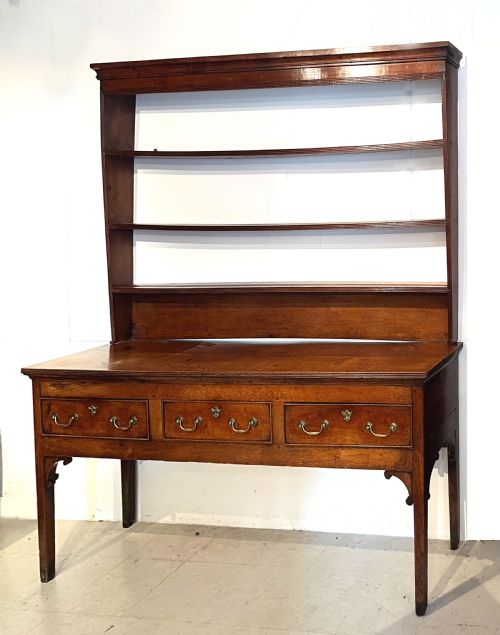
When you search for a wooden kitchen hutch, you are looking at large storage furniture combining a base cabinet with an upper plate rack or shelving unit. These pieces trace their origins back through several centuries of domestic life, designed originally to hold and display household tableware. The pieces on this page span the eighteenth, nineteenth, and early twentieth centuries, reflecting diverse regional traditions.
The version you are most likely to meet on this page is the country oak or pine dresser, often originating from Wales, England, Ireland, or France. These regional examples range from modest cottage cupboards to grander two-part constructions with raised shelves. Makers utilised local timbers to build robust furniture intended for daily domestic utility.
The styles recorded across these listings include English, Welsh, Irish, and French provincial variations, alongside specific periods such as Georgian and Edwardian. Simpler farmhouse designs sit alongside more formal George III iterations featuring fine mouldings and hardware. Each piece carries the distinct regional characteristics of its place of manufacture.
Distinguishing quality in older dressers
The standard of timber selection and joinery marks the difference between basic utility furniture and finer cabinet-making. Dense, well-figured oak or burr walnut demonstrates a superior choice of raw materials compared to standard commercial pine. Hand-carved details and balanced proportions reveal the skill of the original maker.
The preservation of original surface elements, such as historic paint, patinated wax, and period brass or iron hardware, elevates the integrity of a piece. Alterations to plate racks or replaced structural components alter the original character. Uniformity in timber ageing across both the upper rack and lower base indicates a cohesive, authentic assembly.
Wooden Kitchen Hutch Retail Price Guide 2026
Typical asking prices for wooden kitchen hutch among the pieces listed under this phrase on Sellingantiques today, from the lower quarter to the upper quarter. They describe what is for sale here now, not the wider market.
Regional styles span English, Welsh, Irish, and French provincial traditions, encompassing both compact cottage cupboards and large two-part formats.
The Wooden Kitchen Hutch Glossary
- Belly rack
- A lower section of a dresser featuring prominent bowed or swelling drawer fronts beneath the main surface. This regional variation adds distinctive sculptural depth to Welsh examples.
- Scrumbled
- A decorative paint technique involving the application of a translucent top glaze over a lighter base coat to imitate richer wood grains. Artisans used this finish on pine furniture.
- Two-part dresser
- Construction style where the upper plate rack lifts completely off the lower base cabinet. This modular design aided transportation within rural cottages.
- Plate rack
- The open upper shelving unit designed to display ceramics upright against a timber backboard. It forms the defining visual component of the hutch.
- Patina
- The surface sheen and softening of colour acquired by wood and paint over centuries of use. It represents natural ageing rather than applied polish.
Wooden Kitchen Hutch: Frequently Asked Questions
What is a wooden kitchen hutch?
A wooden kitchen hutch is a traditional storage item combining a lower cupboard or bank of drawers with an open upper shelving unit. These pieces functioned as the central storage and display hub for household crockery in historic homes.
Today, they serve the same practical purpose while anchoring the design of a country kitchen or dining space with historic timber textures.
Where were these dressers originally made?
These pieces originated across rural workshops in England, Wales, Ireland, France, and Denmark. Regional carpenters built them using timber sourced directly from local woodlands.
Consequently, Welsh and English makers favoured native oak and pine, while French provincial workshops frequently utilised walnut and cherrywood.
Can I store heavy dinnerware on the shelves?
Yes, historic dressers were built specifically to hold heavy earthenware, pewter, and ceramic plates safely during daily use. The integrated plate racks and solid timber backs provide robust structural support.
When living with an older piece, distributing weight evenly across the shelves ensures the timber retains its alignment.