


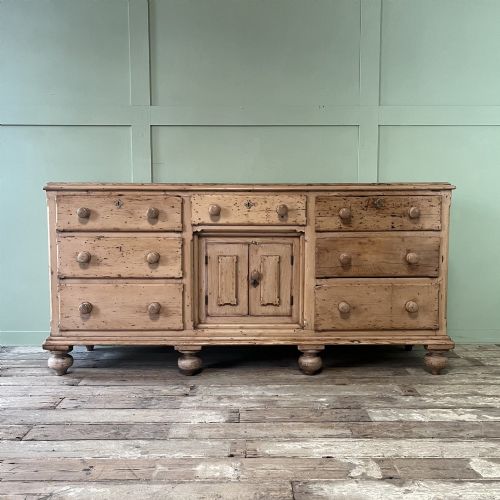
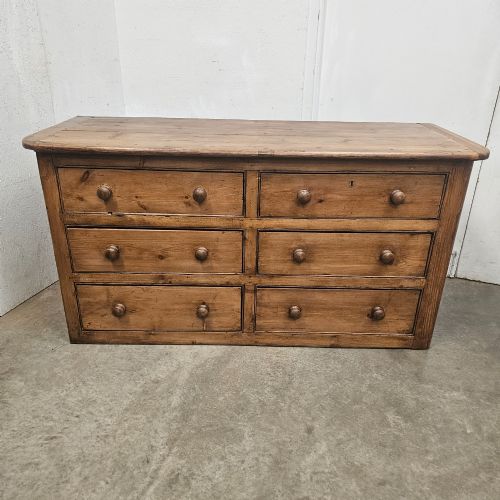

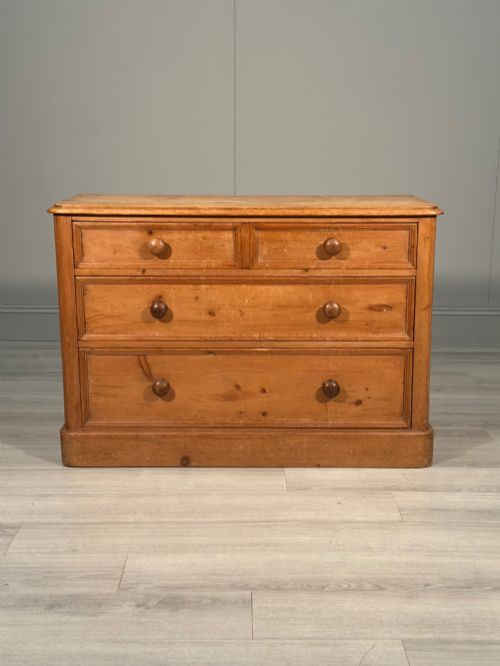
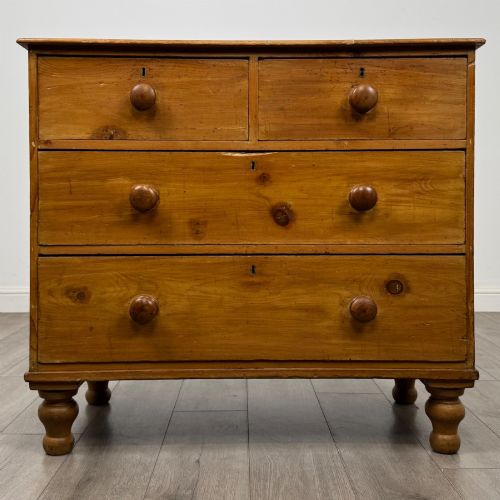

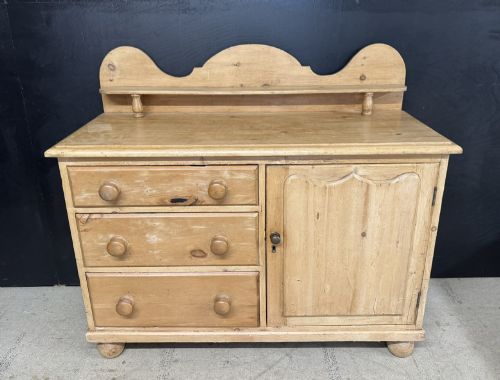
Natural Pine Dresser
A natural pine dresser brings enduring utility and warmth to a room, offering practical storage through time-honoured country forms.
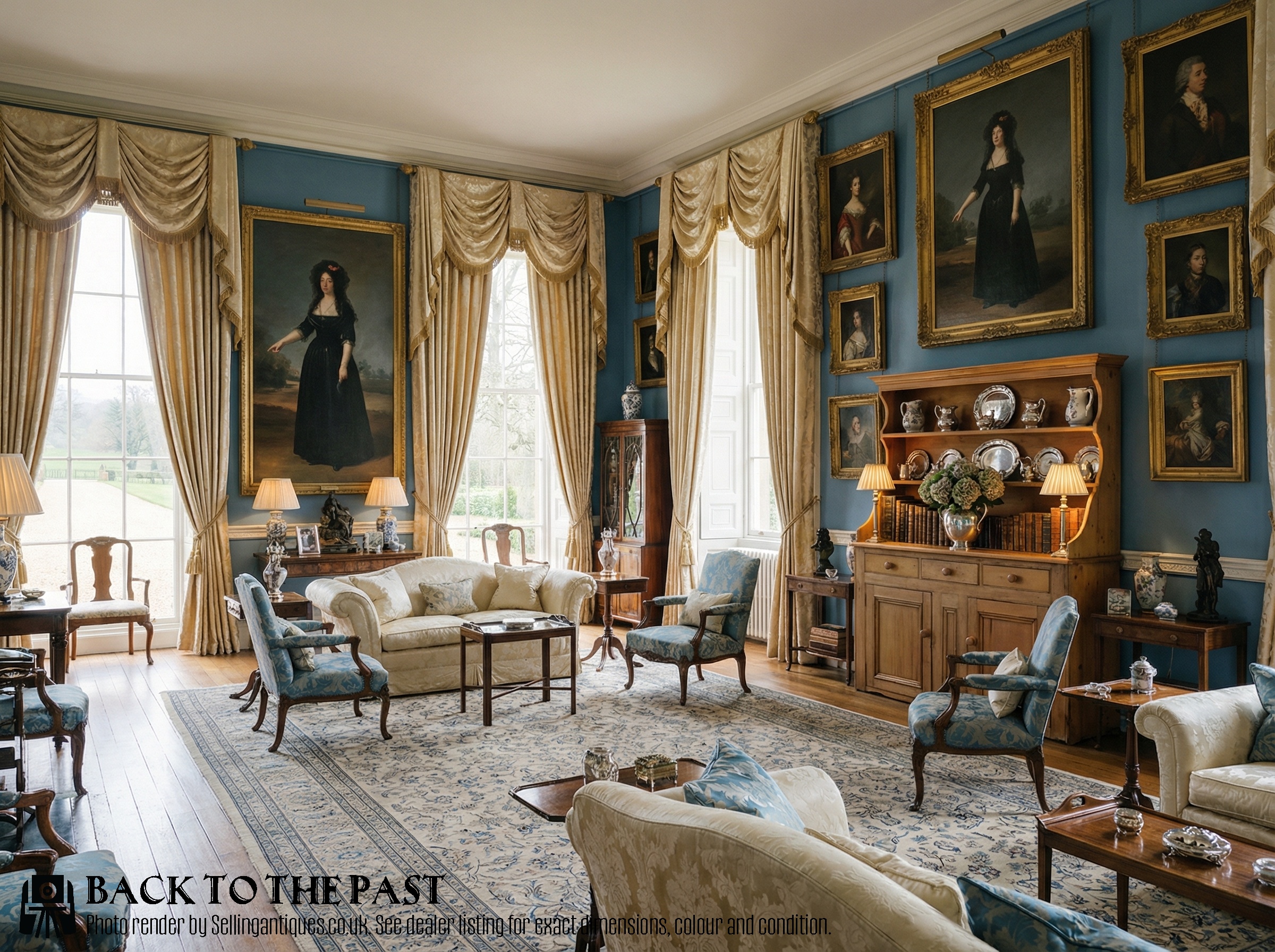
Natural Pine Dresser
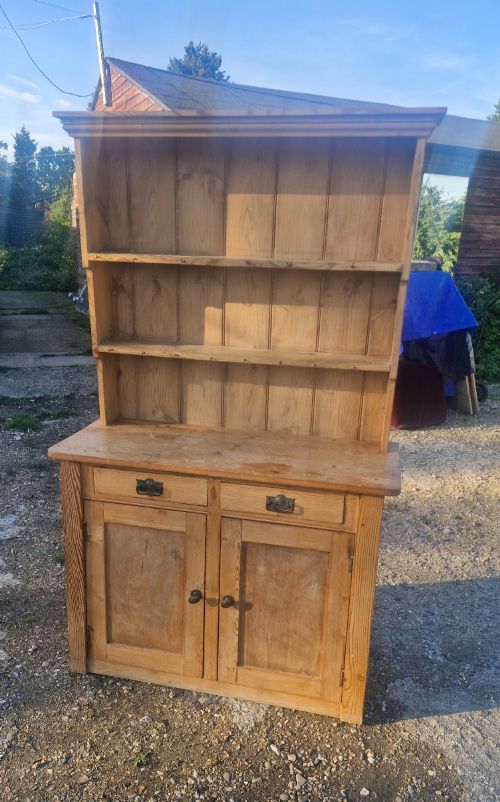
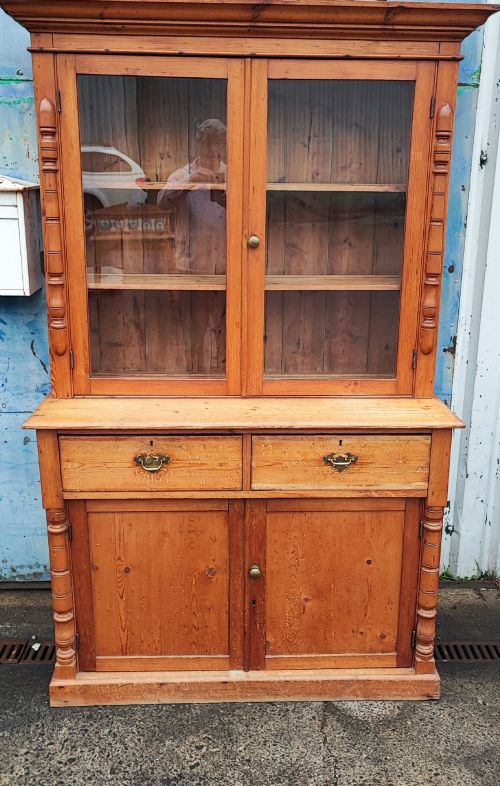
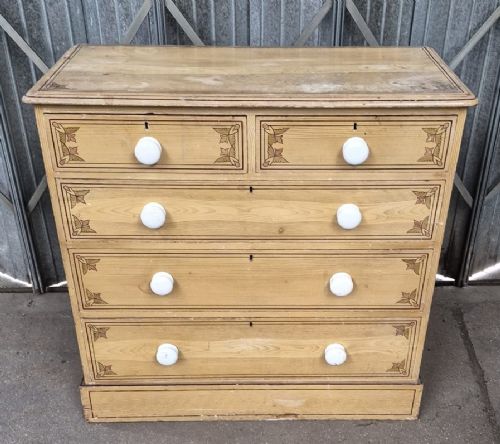
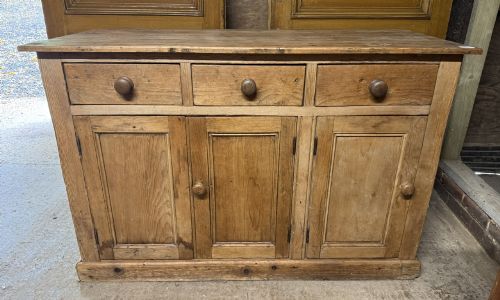
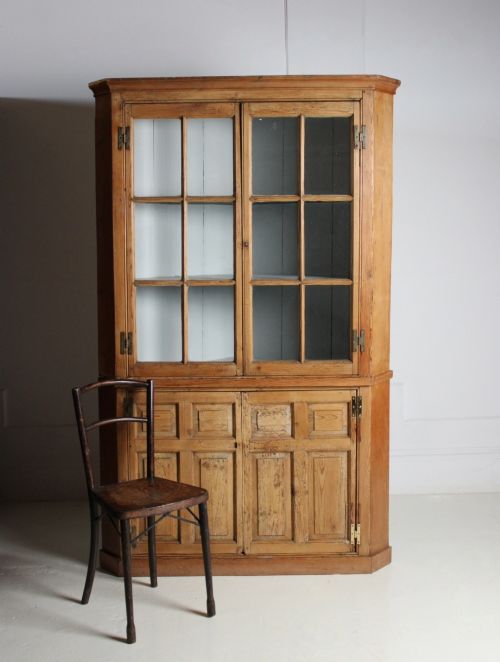
A natural pine dresser provides substantial domestic storage through pieces designed for daily utility in kitchens, dining spaces, and hallways. The selection ranges from compact dresser bases and corner cabinets to tall two-piece kitchen dressers and glazed display cabinets.
Most examples originate from the Victorian and Edwardian eras, spanning the nineteenth and early twentieth centuries alongside earlier Georgian forms. These pieces often arrive stripped, waxed, or ready to paint, showing the grain and character developed over generations of domestic use.
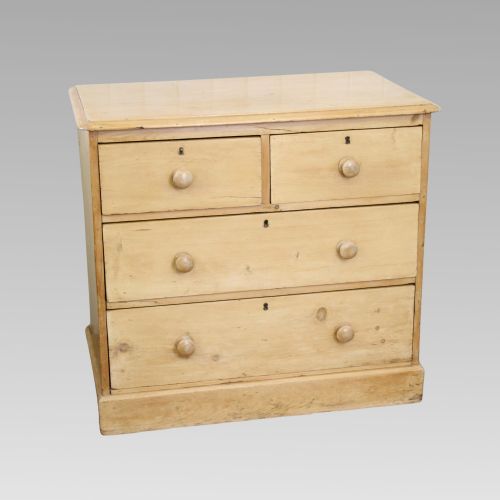
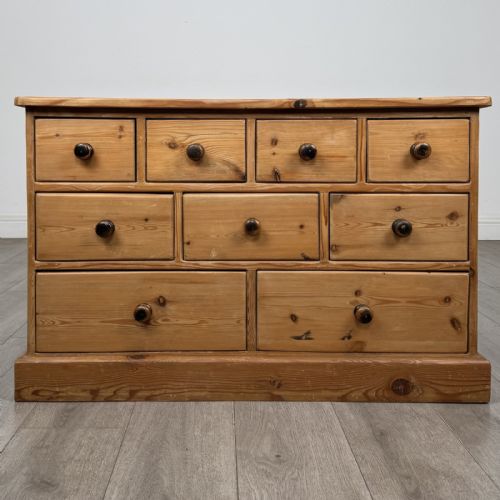
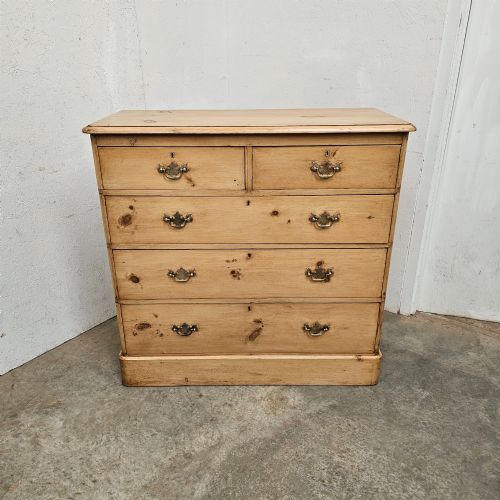
Buyers also encounter related forms such as kitchen dressers, sideboards, wall shelves with cupboards, and chests of drawers sharing the same timber vocabulary. Each item reflects the functional needs of past households, from food preparation to the display of china and glassware.
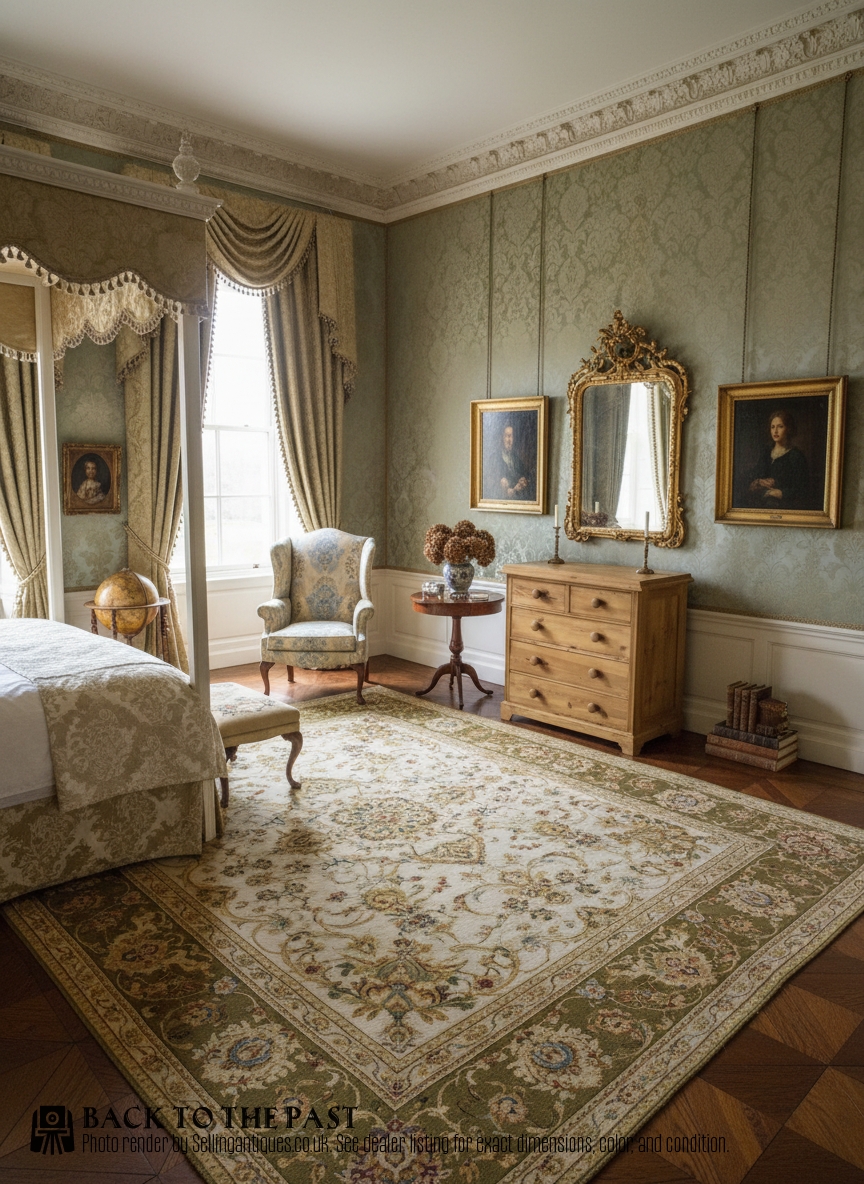
Materials and Construction
Constructed primarily from pine and pitch pine, these items rely on softwood timber chosen for its workability and availability. Secondary woods like sycamore occasionally appear in specific components such as drawer linings or work surfaces.
Hardware incorporates brass, iron, and glass, providing functional handles, hinges, and glazed doors. Joinery methods reflect period cabinet-making standards, utilising traditional drawer construction and solid timber panels designed to endure heavy daily use.
Natural Pine Dresser Retail Price Guide 2026
Typical asking prices for natural pine dresser among the pieces listed under this phrase on Sellingantiques today, from the lower quarter to the upper quarter. They describe what is for sale here now, not the wider market.
Listings feature pine, pitch pine, and oregon pine across Victorian, Edwardian, and Georgian periods.
Variations in Quality
Quality separates standard utilitarian storage from finer cabinet work through the precision of joinery, the selection of clear pine timber, and the balance of proportions. Superior pieces display thoughtful detailing, such as finely glazed doors, integrated shelving, and well-fitted drawers with original hardware.
The finish and surface treatment further distinguish items, ranging from carefully waxed patinas that highlight the natural grain to older scrubbed surfaces. The integrity of the original structure, including untouched cornices and uncompromised backboards, defines the standing of each piece within its period.
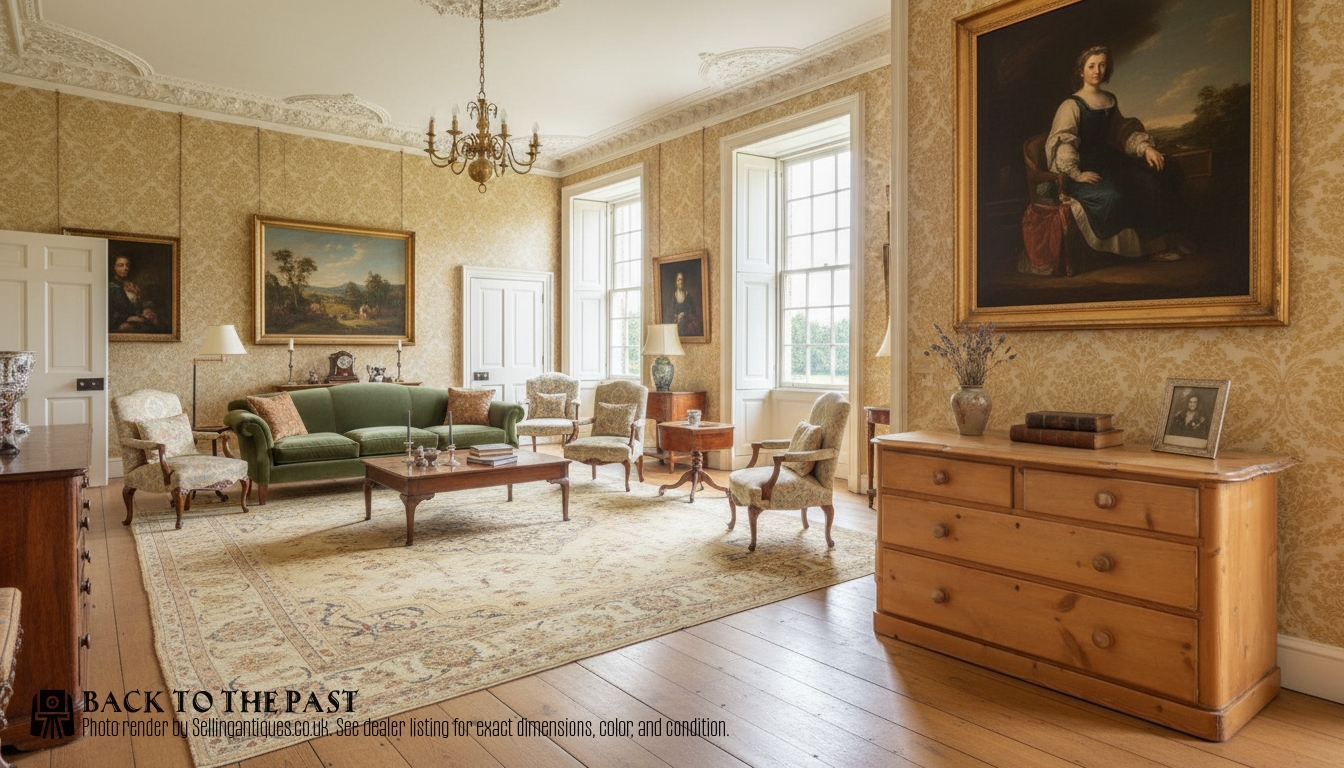
The Natural Pine Dresser Glossary
- Pitch pine
- A dense, resinous variety of pine known for its prominent grain pattern and durability, frequently utilised in nineteenth-century furniture.
- Dresser base
- The lower section of a kitchen dresser, functioning as a sideboard or serving surface with cupboards and drawers below.
- Glazed display cabinet
- A storage unit featuring glass-fronted doors designed to protect and exhibit china, books, or glassware.
- Scrubbed pine
- A surface finish achieved by vigorous cleaning that leaves the raw timber pale, clean, and smooth to the touch.
- Bun handle
- A small, rounded wooden knob attached to drawers and cupboard doors, typical of Victorian cabinet work.
Natural Pine Dresser: Frequently Asked Questions
How do I date a pine dresser?
Dating relies on construction methods, hardware types, and stylistic indicators such as drawer dovetailing and backboard thickness. Victorian and Edwardian examples show distinct joinery traits compared to earlier Georgian pieces.
Examining the type of pine, particularly the use of pitch pine or standard softwood, helps narrow the production era alongside any recorded provenance.
What is the difference between a dresser and a sideboard?
A kitchen dresser traditionally includes upper shelving or a top cabinet combined with a lower storage base for domestic tableware. A sideboard functions strictly as a lower serving and storage unit without upper racks.
Both forms utilise similar pine construction and period joinery techniques depending on their manufacturing decade.
How should I care for a waxed pine finish?
Maintenance involves applying a quality beeswax periodically to nourish the softwood and protect the surface from moisture. Regular dusting with a soft cloth preserves the natural patina without stripping the finish.
Avoiding direct heat sources and sunlight prevents the pine from drying out or splitting over time.
Can I paint a stripped pine cupboard?
Many period pine pieces are sold ready to wax or paint, making them adaptable to contemporary interiors. Applying a suitable primer ensures the softwood accepts modern furniture paint evenly.
Retaining the waxed finish preserves the historic character and grain visibility for traditional settings.