

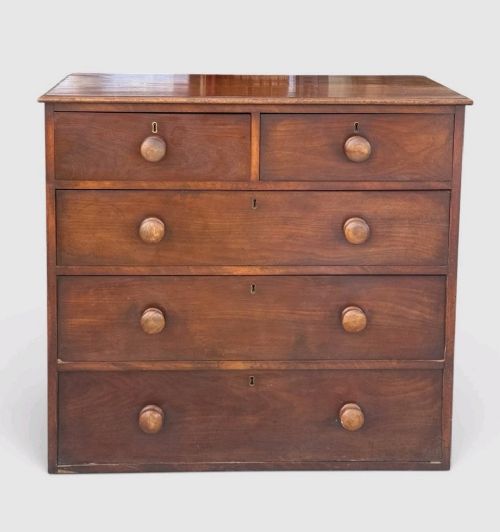
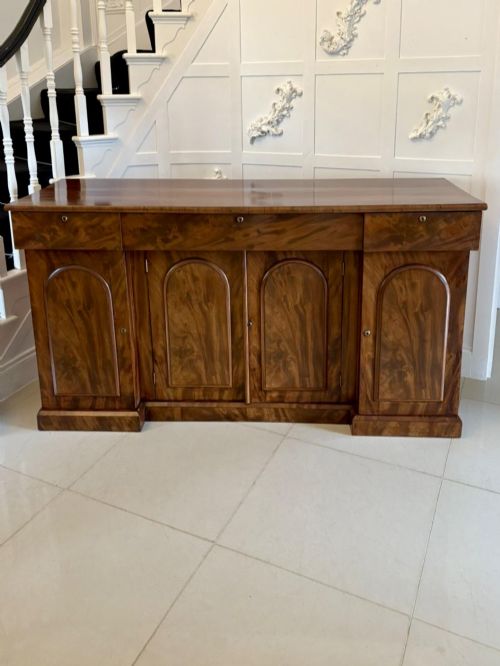
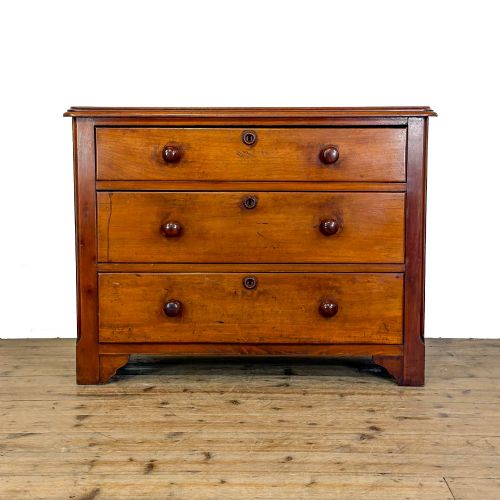
Victorian Wooden Dresser
These pieces known as a victorian wooden dresser provide storage in timber across dining rooms and bedrooms.

Victorian Wooden Dresser
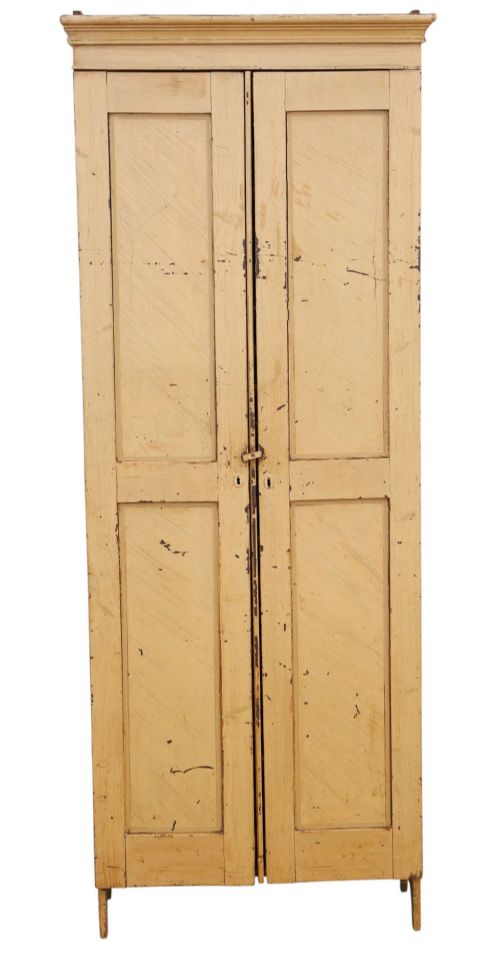
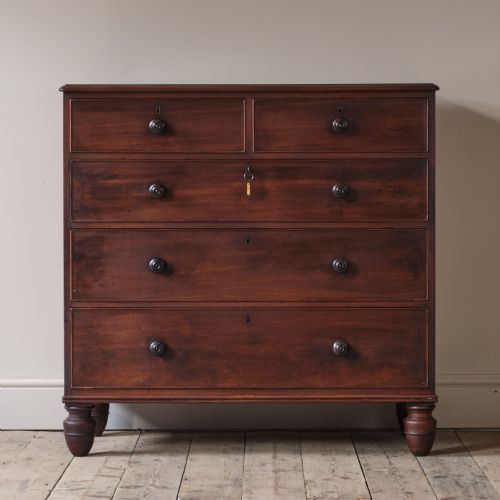
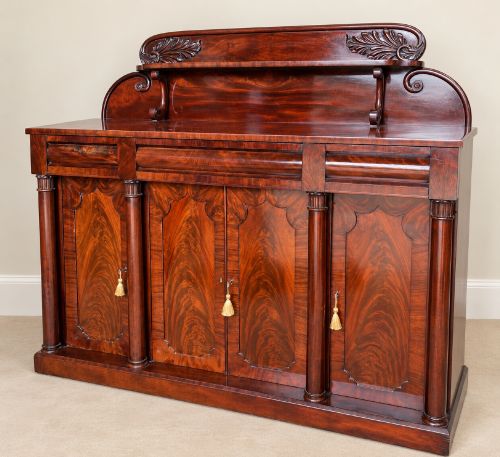
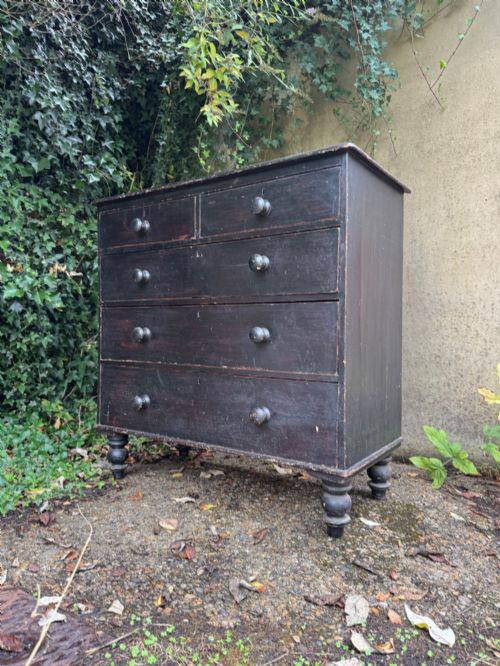
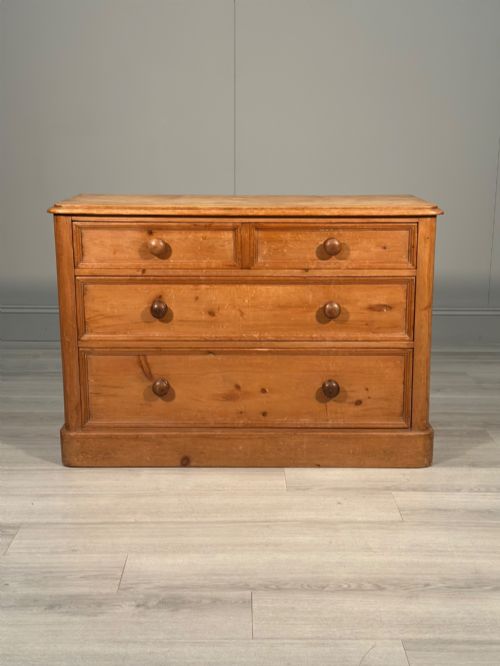
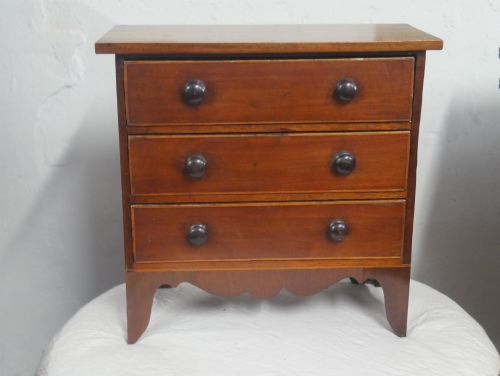
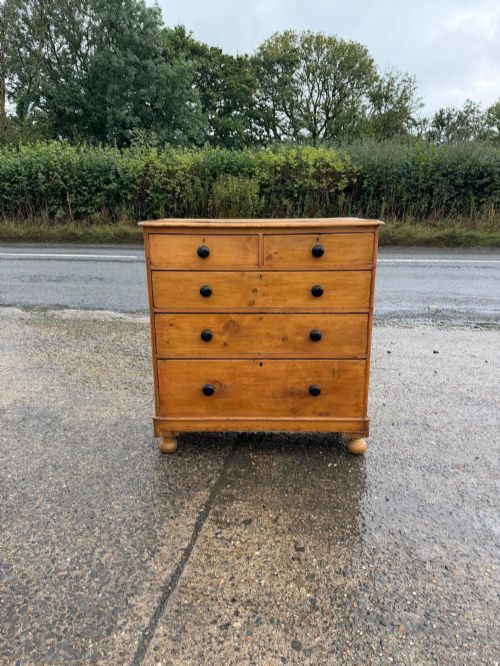
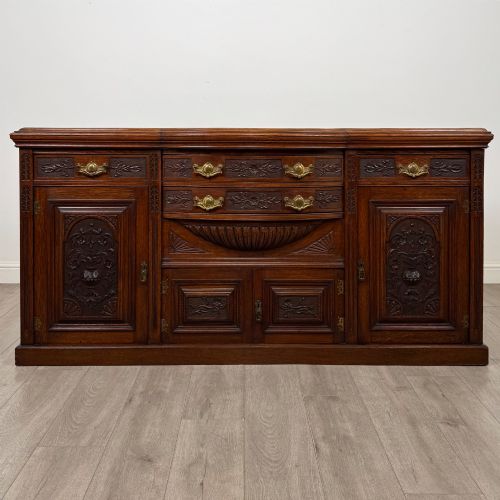
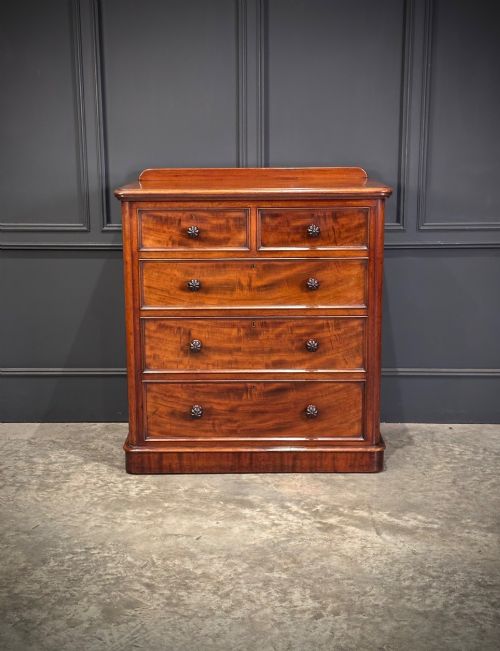
When searching for a victorian wooden dresser, buyers encounter various forms including chests of drawers, sideboards, kitchen housekeeper cupboards, and kitchen dresser bases. These items emerge primarily from the nineteenth century, spanning periods from early Victorian to late Victorian and Edwardian eras.
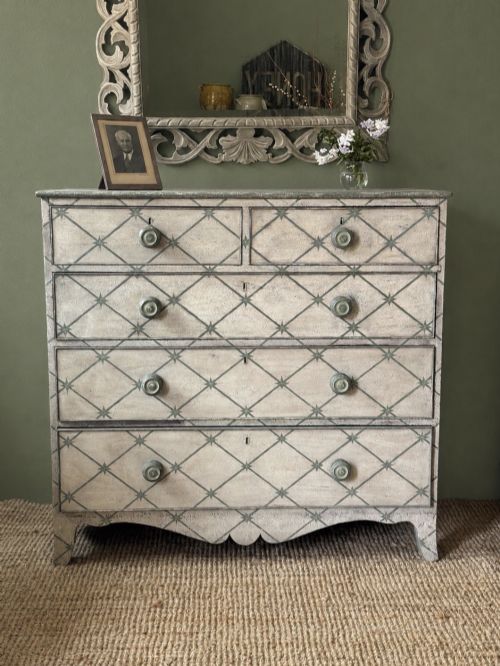
Pine and mahogany appear most frequently on this page, often supplemented by oak, walnut, satinwood, and paint finishes. Regional variations include Scottish and English country examples alongside Gothic Revival and Biedermeier styles.
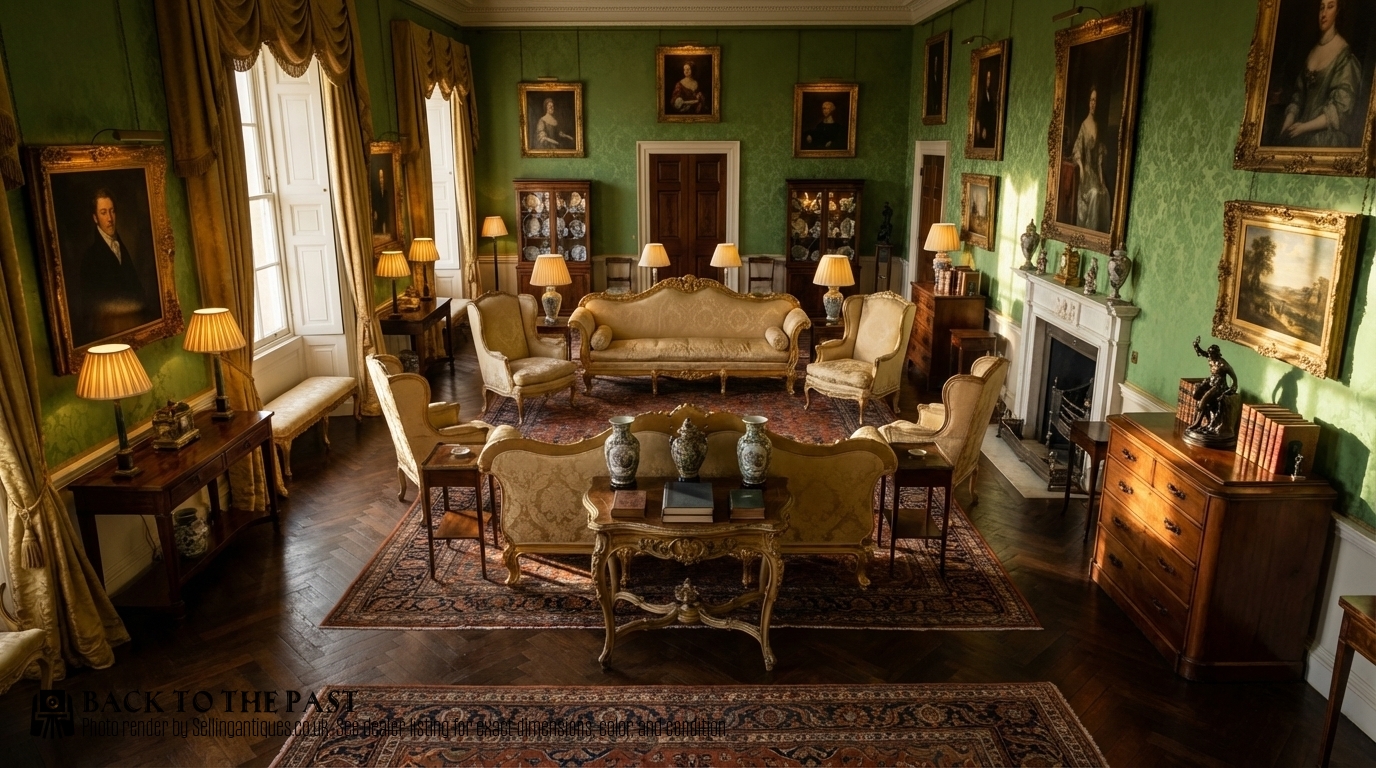
Materials and technique
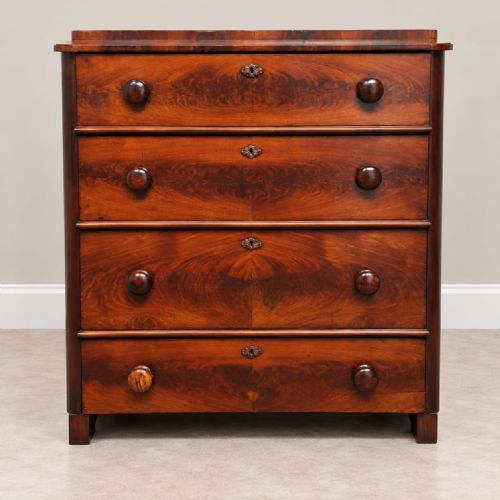
Joiners and cabinet makers utilised solid woods like pine, mahogany, and oak, frequently applying flame mahogany veneer or paint over the primary timber. Brass handles, iron fittings, and bun handles provide functional and decorative hardware across the drawers and cupboards.
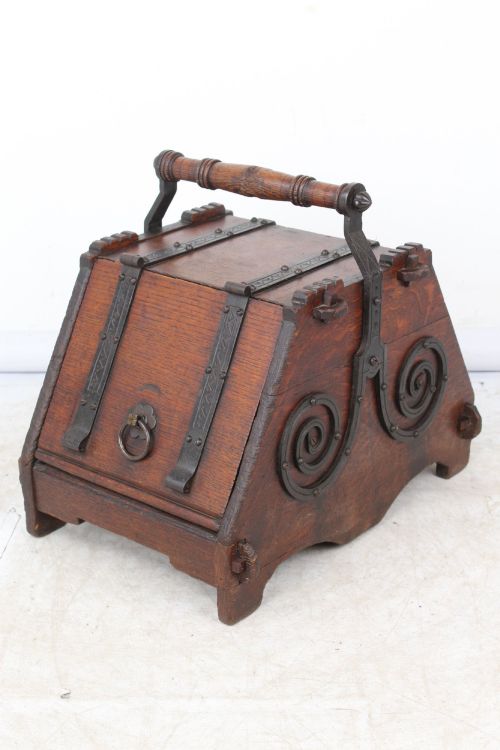
Construction techniques include tongue and groove joints, particularly seen in pine pieces, alongside carved ornamentation on oak and mahogany sideboards.
Victorian Wooden Dresser Retail Price Guide 2026
Typical asking prices for victorian wooden dresser among the pieces listed under this phrase on Sellingantiques today, from the lower quarter to the upper quarter. They describe what is for sale here now, not the wider market.
Listings show items spanning the 18th century, 19th century, and Edwardian periods, utilising mahogany, pine, oak, walnut, and brass.
What separates the tiers
The distinction between standard utility furniture and superior pieces lies in the selection of figured mahogany or finely carved oak versus plain scrubbed pine. Finer examples display meticulous attention to proportion, such as bow fronts or multi-height drawer configurations.
Maker attribution and specific regional styles elevate certain pieces above standard domestic storage items.
T G Seddon·Christopher Dresser·Jas Shoolbred·Harris Lebus of Tottenham
The Victorian Wooden Dresser Glossary
- Bow front
- A convex curved cabinet front that projects outward from the centre. This curved profile requires skilled woodworking to maintain structural integrity.
- Housekeeper cupboard
- A large storage cabinet traditionally used in kitchens for linens and dry goods. These tall cupboards often feature multiple doors and internal shelving.
- Dog kennel dresser
- A sideboard or dresser featuring a central open recess flanked by sets of drawers or cupboards. The name derives from the compartment shape beneath the central drawer.
- Flame mahogany veneer
- A thin slice of mahogany wood applied to a carcase timber to display a distinctive, flickering grain pattern. Cabinet makers selected these veneers for display surfaces.
- Bun handle
- A small, rounded wooden knob resembling a bun used for pulling open drawers. They appear frequently on pine chests of drawers from the period.
Victorian Wooden Dresser: Frequently Asked Questions
What woods were used for a victorian wooden dresser?
Makers relied heavily on mahogany and pine, while also working with oak, walnut, and satinwood. Painted finishes and flame mahogany veneers appear frequently across the various forms.
Timber choice often depended on whether the item was intended for the formal parlour or the working kitchen.
How do I identify a Victorian chest of drawers?
Victorian chests typically feature standard configurations such as two short drawers over three long drawers. They employ solid timbers like mahogany or pine with traditional dovetail joinery.
Stylistic cues range from plain utility pine to ornate carved oak and bow front mahogany designs.
Where were these pieces used in the home?
Housekeeper cupboards and kitchen dresser bases served culinary and storage roles in domestic kitchens. Chests of drawers provided bedroom storage for clothing and linens.
Sideboards and buffets functioned as dining room serving and storage furniture.
What is a dog kennel dresser?
A dog kennel dresser is a specific form of sideboard featuring a central open recess positioned between banks of drawers or cupboards. The name comes from the arched opening beneath the central section.
This form combines surface display space with enclosed storage.