


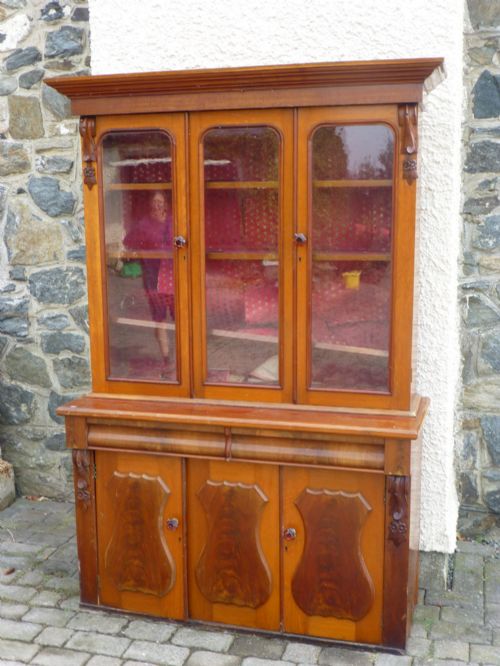
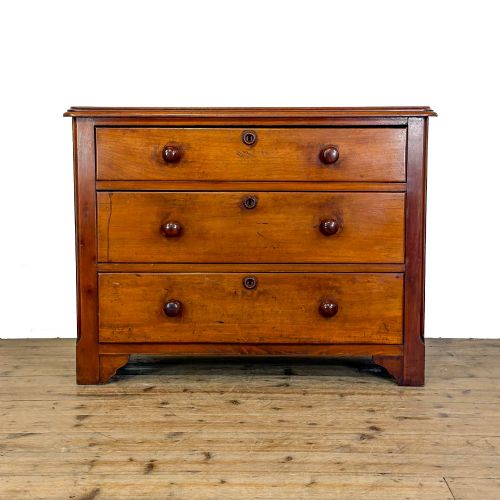
Warm Brown Dresser
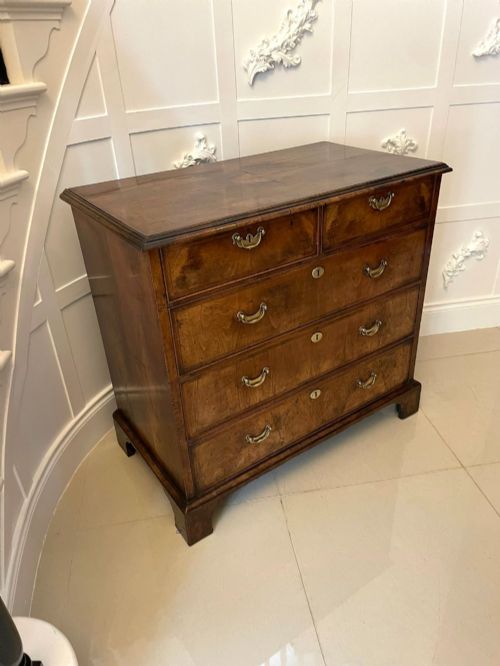
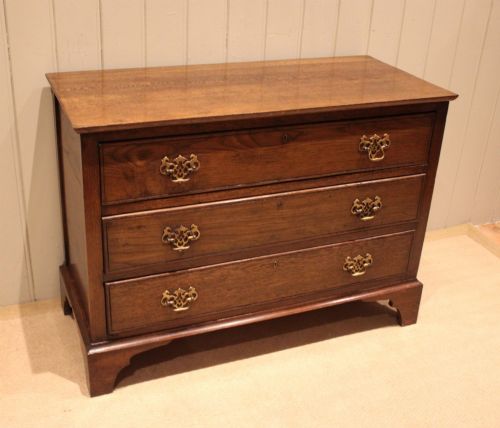
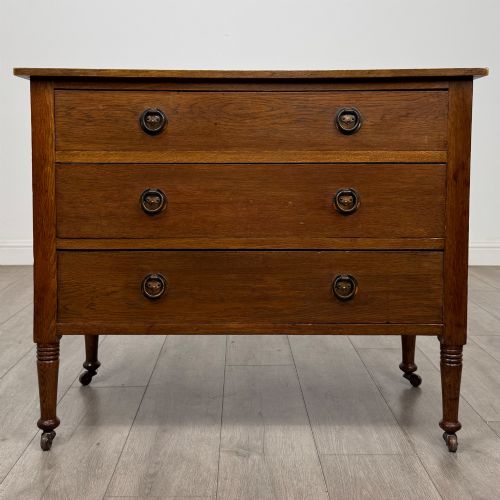
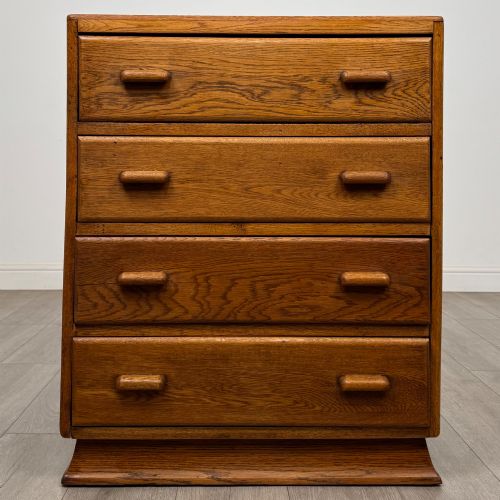
A warm brown dresser brings deep timber tones and grounded storage to a room, spanning periods from the eighteenth century onward.
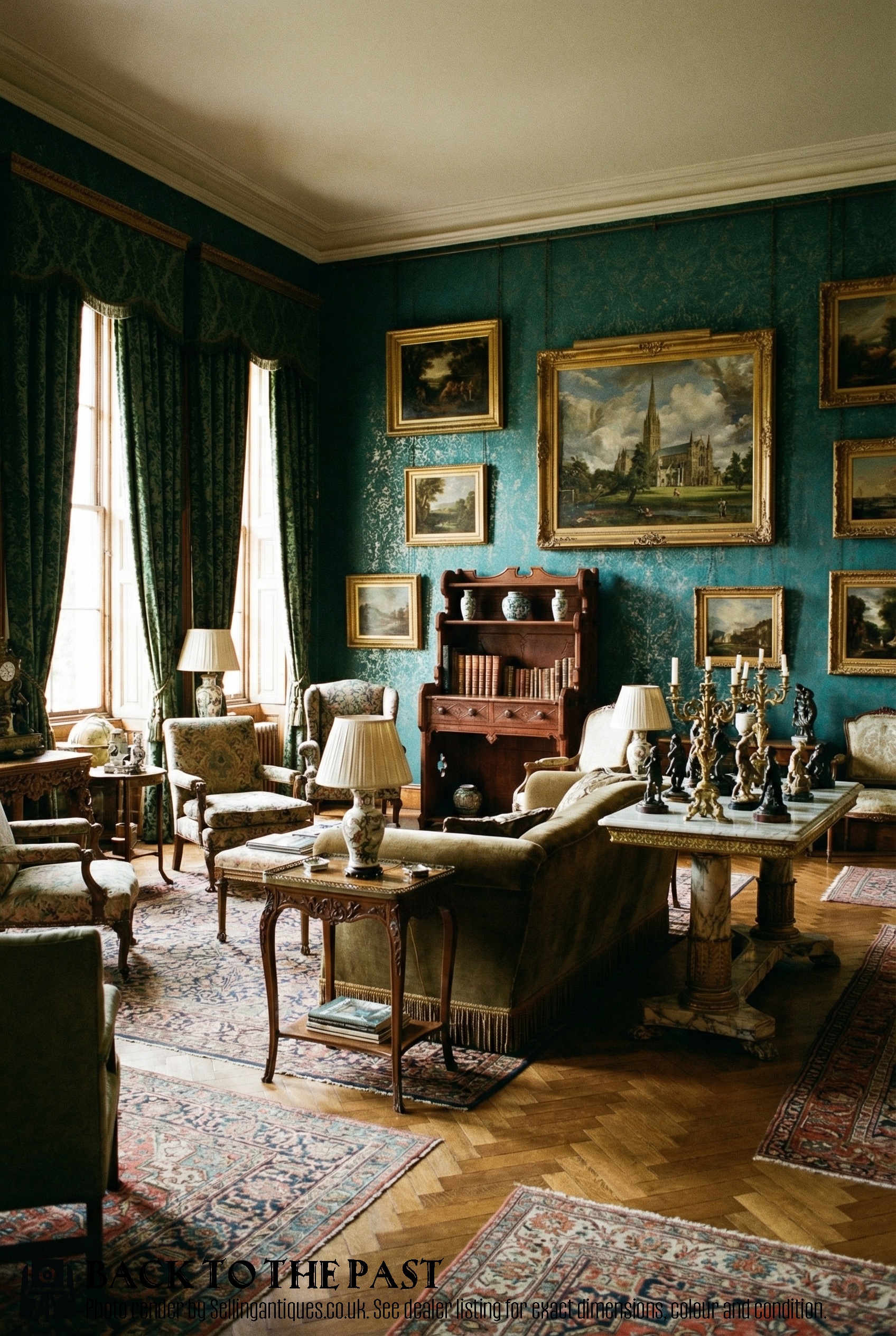
Warm Brown Dresser
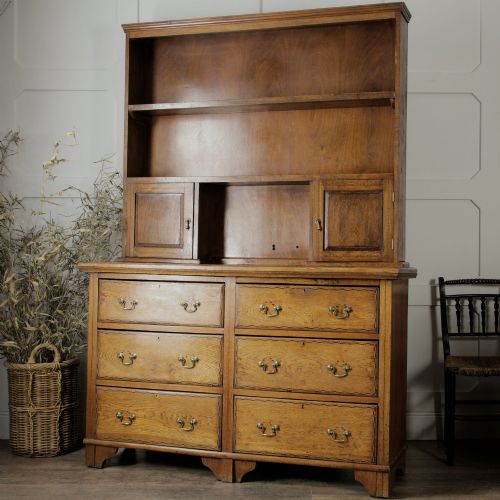
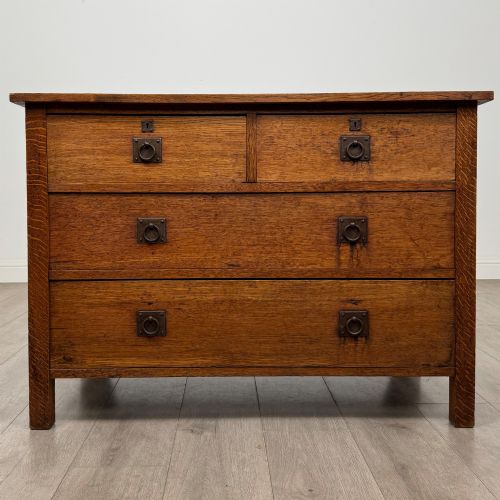
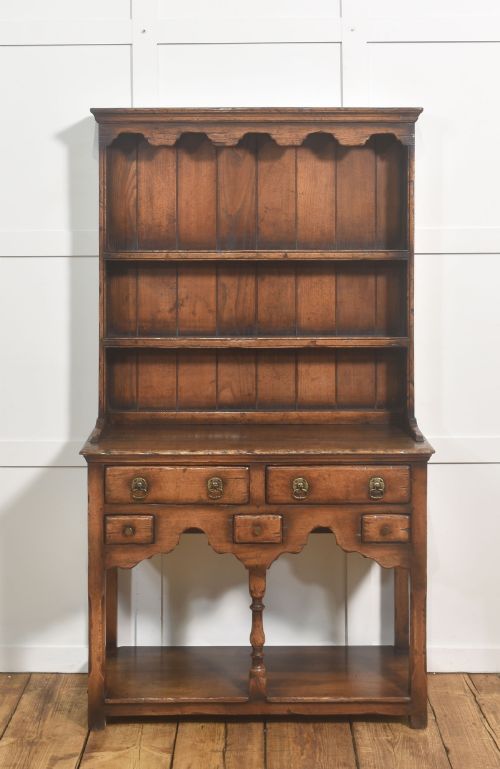
The category primarily includes chests of drawers, kitchen dressers with plate racks, dresser bases and sideboards. Pieces originate from diverse regional traditions, including English country workshops, Welsh makers and French provincial cabinet makers.
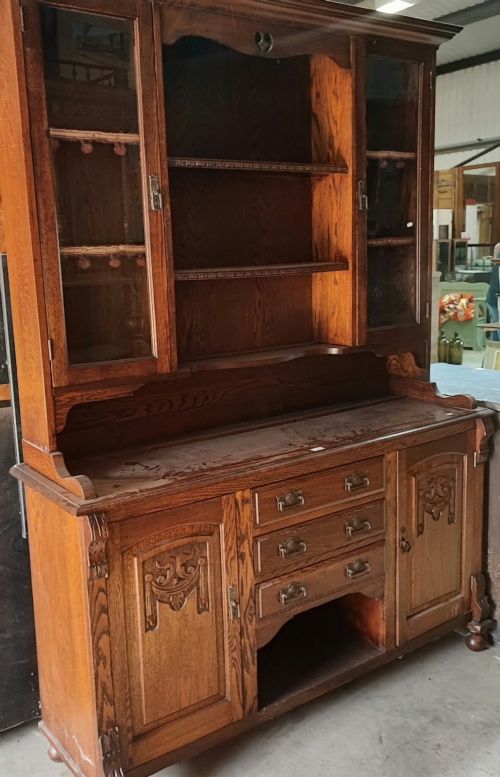
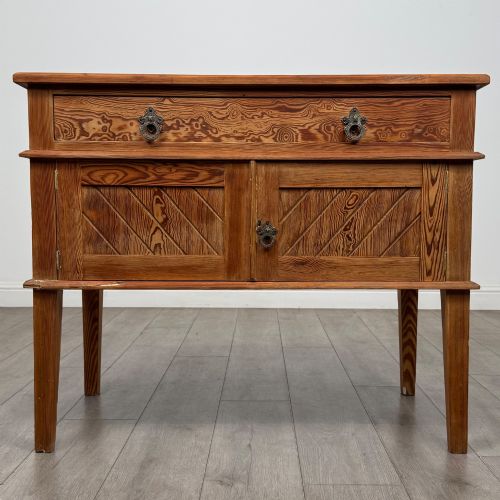
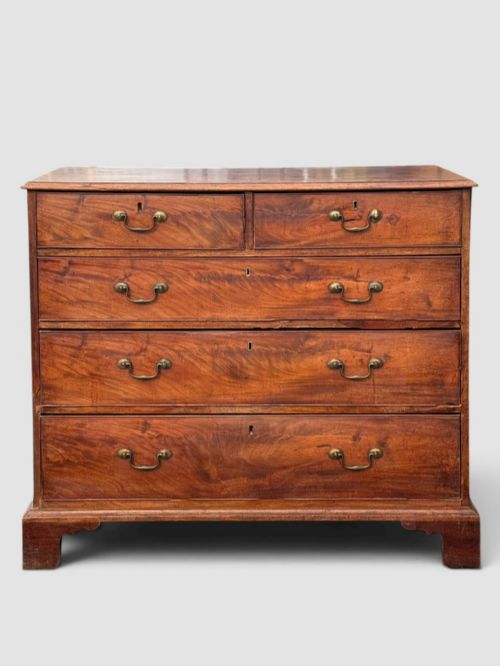
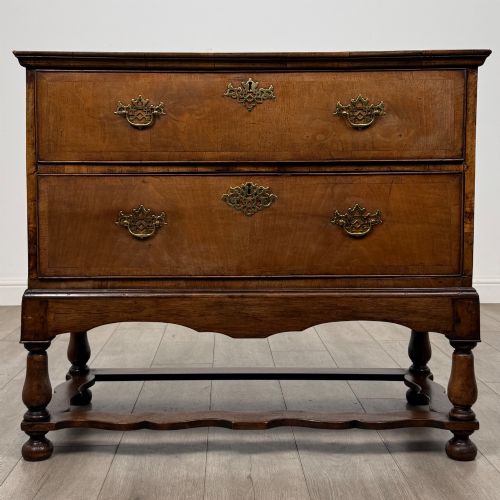
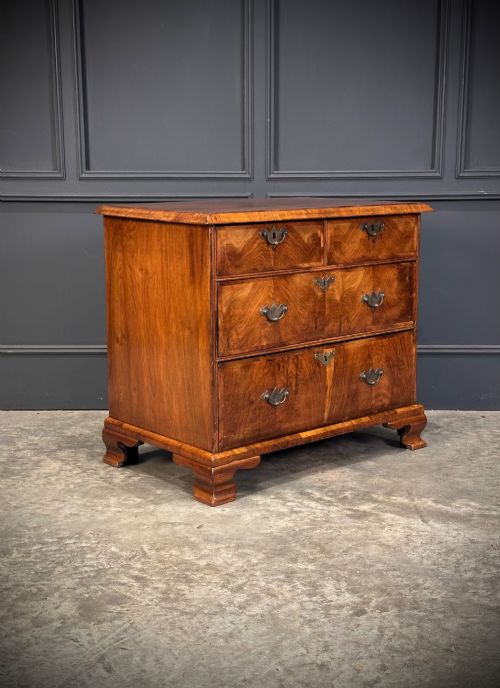
Forms vary from compact hall chests and low Georgian style designs to tall multi-drawer units and glazed bookcase cupboards. Solid honey oak, tiger oak, figured walnut and cedar wood provide the characteristic deep brown palette that defines these items.

How they were made
Cabinet makers utilised solid woods such as oak, mahogany, walnut, elm and fruit wood, often highlighting natural grain figures through polishing. Pitch pine and cedar wood also appeared in regional constructions.
Joinery techniques relied on solid timber construction, featuring dovetailed drawers and panelled doors. Brass handles and escutcheons provided functional hardware, whilst glass panels were incorporated into Welsh dresser plate racks and bookcase cupboards.
Warm Brown Dresser Retail Price Guide 2026
Typical asking prices for warm brown dresser among the pieces listed under this phrase on Sellingantiques today, from the lower quarter to the upper quarter. They describe what is for sale here now, not the wider market.
Housemaids once kept linens and dry goods stored safely inside sturdy provincial fruit wood cupboards.
What varies in quality
Quality rests in the selection of timber figures, such as figured walnut or inlaid oak, and the crispness of the cabinet work. Superior examples display thoughtful proportions and harmonious grain matching across the drawer fronts.
The integrity of original brass hardware, stable timber movement and clean interior construction distinguish finer pieces from simpler utility items. Regional variations in carving and structural heft also mark the distinction between everyday country furniture and formal urban commissions.
Heal & Son
The Warm Brown Dresser Glossary
- Dresser base
- A low sideboard or serving table featuring drawers, historically used for food preparation and storage before plate racks were added above.
- Welsh dresser
- A traditional kitchen storage unit combining lower cupboards or drawers with an open tiered plate rack on top.
- Bombe
- A convex, bulging shape characteristic of certain eighteenth-century continental European chests of drawers.
- Escutcheon
- A protective brass plate surrounding a keyhole on a drawer or door.
- Enfilade
- A long sideboard or cabinet with multiple doors, originating in French interior architecture.
Warm Brown Dresser: Frequently Asked Questions
Where did kitchen dressers originate?
Kitchen dressers evolved in country workshops as practical furniture for holding and displaying tableware.
Over centuries, regional variations developed across England, Wales and France, incorporating local timbers like oak and fruit wood.
How do I style a brown dresser?
A brown dresser anchors a room through rich timber tones and provides a practical surface for lamps, books or mirrors.
Pair the piece with neutral walls to let the natural grain and brass hardware stand out.
What is the difference between a dresser and a chest of drawers?
A chest of drawers is a dedicated vertical storage unit with stacked drawers from top to bottom.
A dresser typically includes a lower cabinet base combined with an upper plate rack or open shelving.
How do I identify a Georgian piece?
Georgian pieces often feature high-quality mahogany or walnut timbers, classic proportions and traditional brass handles.
Cabinet work from this period prioritised understated elegance and balanced symmetry.