


Heals of London Furniture
Heals of London furniture brings practical Arts and Crafts and Art Deco utility into the modern home with clean lines and honest materials.
Heals of London Furniture
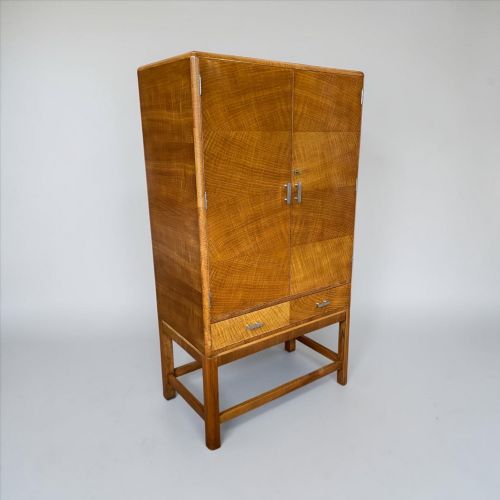
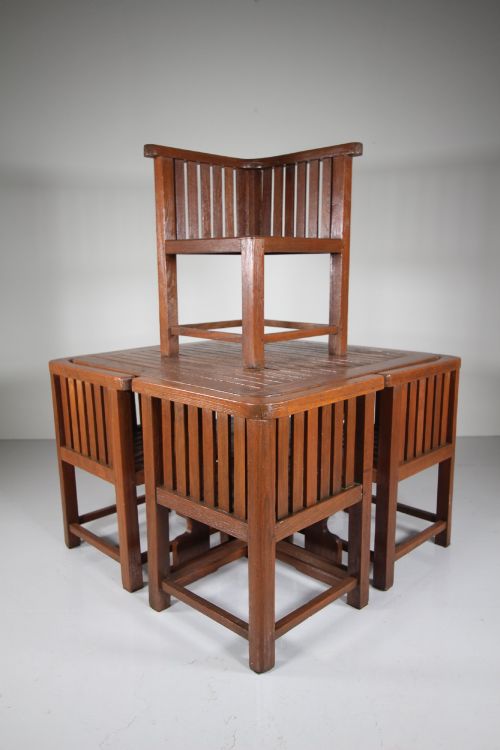
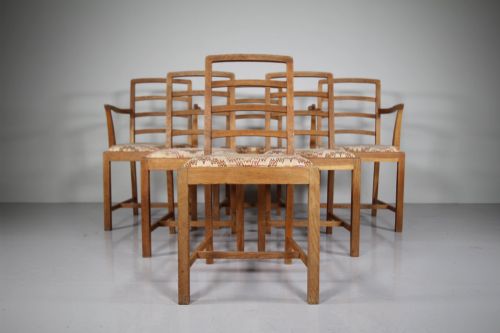
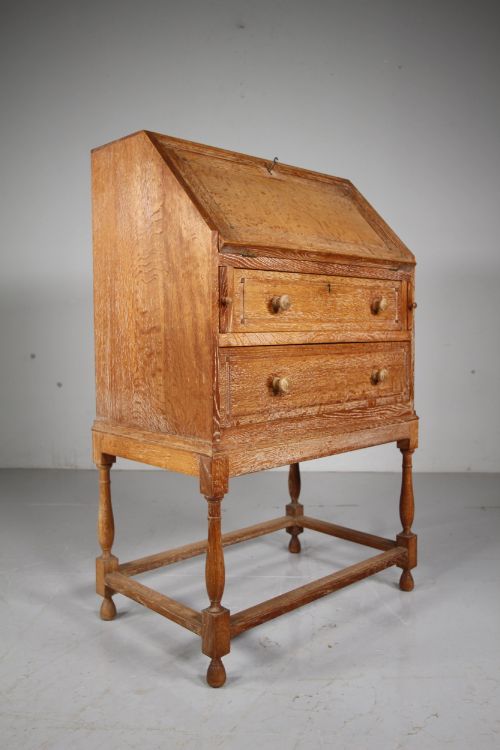
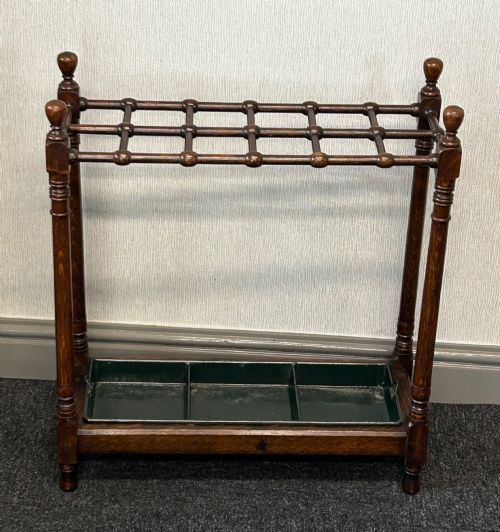
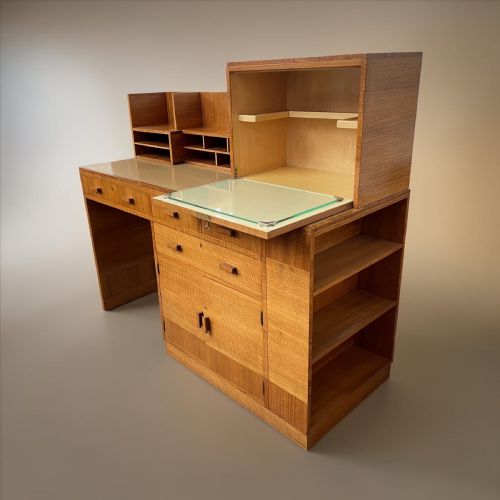
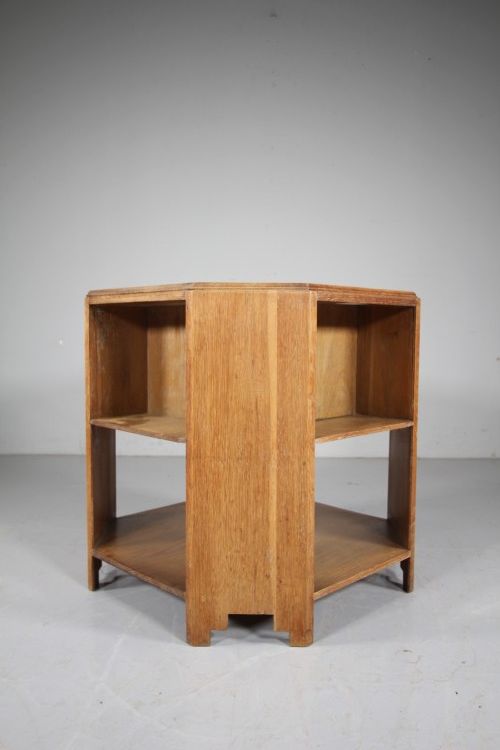
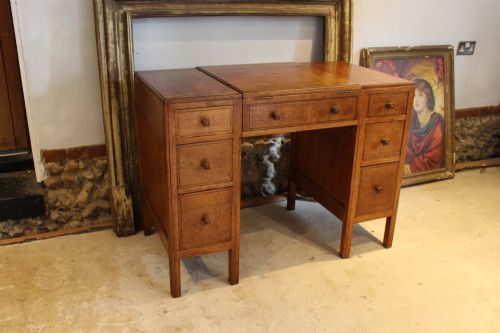
When you search for heals of london furniture, you enter a domain of sturdy oak desks, bureaux, and sideboards designed for everyday utility. These pieces span from the 19th Century through the 1920s and 1930s, capturing the transition from traditional craftsmanship to modernist restraint.
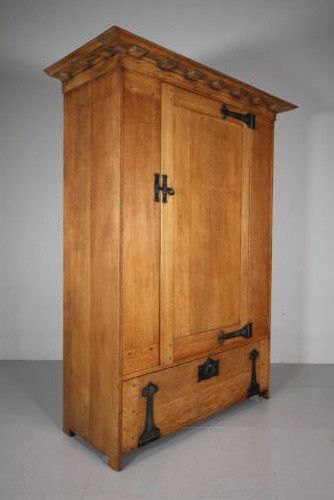
The most common forms you meet on this page are practical storage and workspace items like oak writing bureaux, dressing chests of drawers, and compact cupboards. Makers stamped or labelled their pieces, leaving tangible proof of their origin.
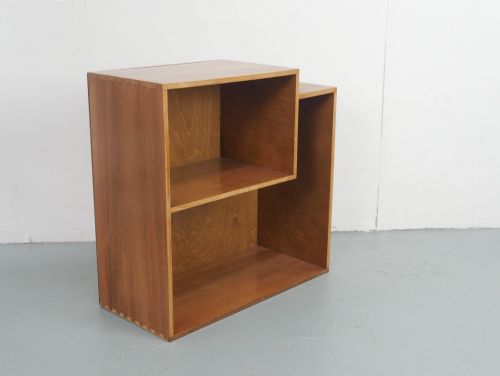
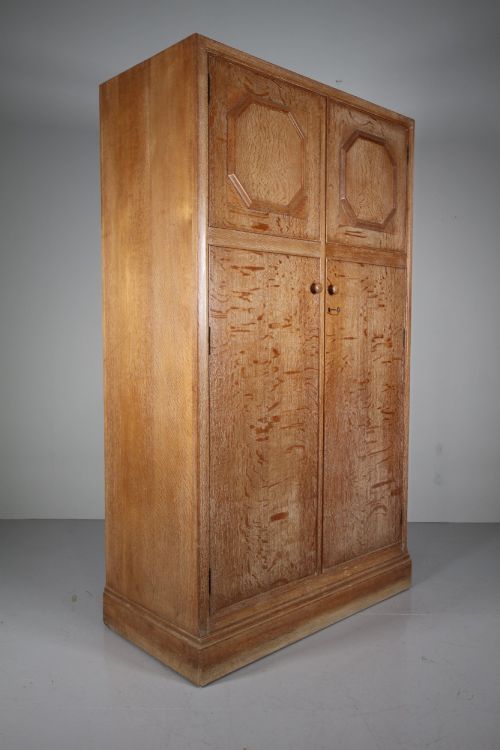
Styles range from robust Arts and Crafts iterations to streamlined Art Deco designs in walnut and limed oak. Each item reflects a deliberate rejection of excessive Victorian ornamentation in favour of architectural clarity.
How they were made
Construction relies heavily on solid oak, walnut, and limed oak, chosen for durability and grain pattern. Secondary materials such as wrought iron and glass appear in hardware and cabinet doors, grounding the wood with contrasting textures.
Joinery methods prioritise structural integrity without hiding the natural properties of the timber. Surfaces often receive liming or polished finishes that protect the wood while accentuating its inherent character.
Heals of London Furniture Retail Price Guide 2026
Typical asking prices for heals of london furniture among the pieces listed under this phrase on Sellingantiques today, from the lower quarter to the upper quarter. They describe what is for sale here now, not the wider market.
Early cabinet makers occasionally hid their workshop stamps inside shallow drawer runners where only future dust collectors would find them.
What varies in quality
The distinction between standard output and finer workshop production lies in the handling of timber and the precision of assembly. Heavier stock timbers and carefully matched veneers separate simple utility items from pieces designed with greater aesthetic ambition.
Presence of original maker stamps or paper labels elevates the documentary interest of a piece. The integration of auxiliary materials like wrought iron hinges or glass panels also alters the sophistication of the finished form.
Heals of London·Heal and Sons
The Heals of London Furniture Glossary
- Limed oak
- A wood finishing technique that leaves a whitish pigment in the open pores of oak. This treatment creates a pale, matte surface popular during the early twentieth century.
- Bureau
- A sloping desk with fitted interior compartments and drawers beneath. It provides a concealed writing surface when closed.
- Arts and Crafts
- A design movement advocating traditional craftsmanship and simple forms. It emerged in the late nineteenth century as a reaction against mass industrial production.
- Art Deco
- A style characterised by sleek geometric shapes and streamlined modernity. It dominated decorative arts and furniture design during the nineteen-thirties.
Heals of London Furniture: Frequently Asked Questions
How do I identify genuine pieces?
Look for paper labels, ink stamps, or branded signatures applied directly to the woodwork by the maker.
Examine the construction methods and materials, which typically align with Arts and Crafts or Art Deco standards.
What periods do these items cover?
The selection spans from the nineteenth century through the 1920s and 1930s.
Early examples lean towards heavy oak construction, while later pieces embrace Art Deco walnut and limed finishes.
Are these items suitable for daily use?
Desks, sideboards, and wardrobes were built for practical domestic storage and work.
Solid wood construction ensures they withstand regular contemporary use without sacrificing structural stability.
How should I care for limed oak?
Clean surfaces gently with a dry or slightly damp cloth, avoiding harsh chemical polishes.
Keep wooden furniture away from direct heat sources to prevent timber splitting.