


Vintage Oak Bureau
A vintage oak bureau offers practical domestic writing space wrapped in solid timber warmth, making it a reliable staple for the modern home.
What these pieces are
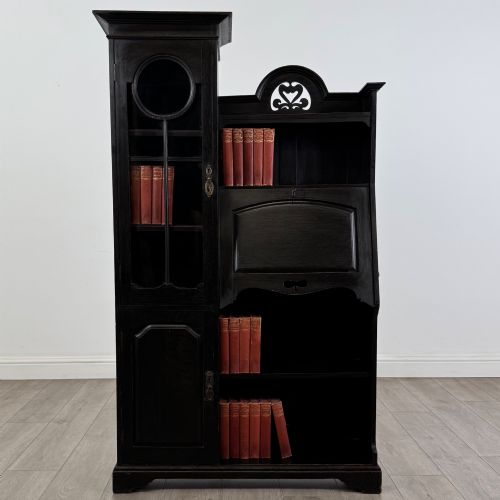
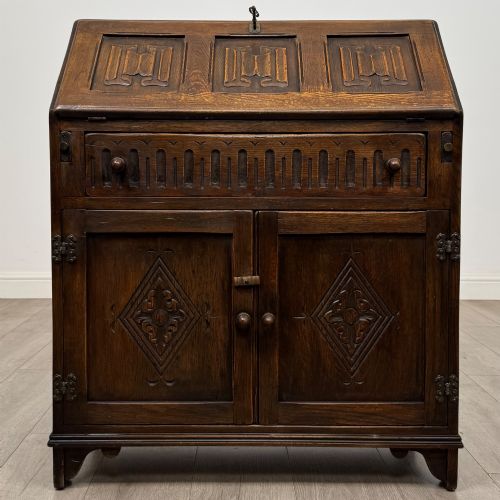
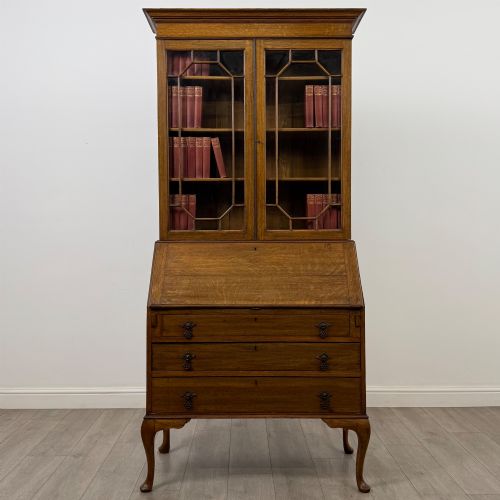
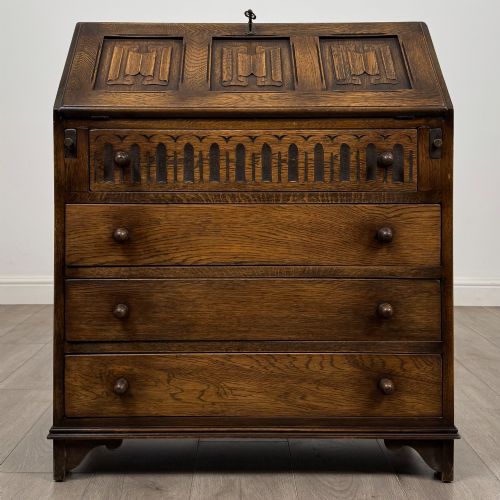
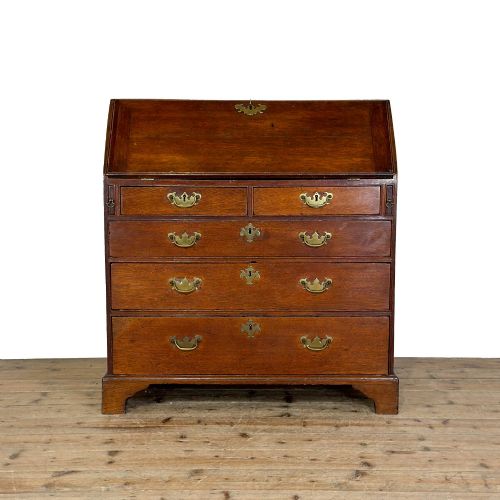
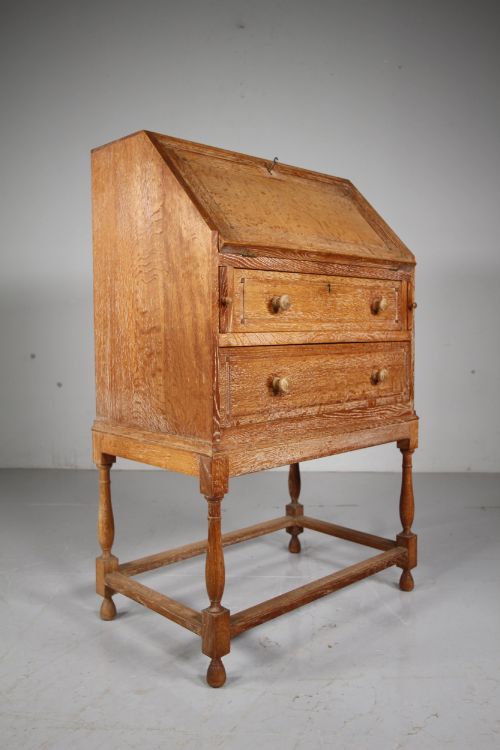
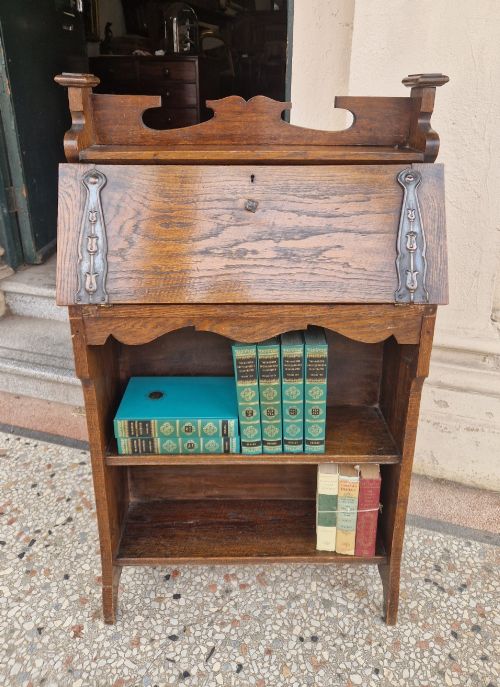
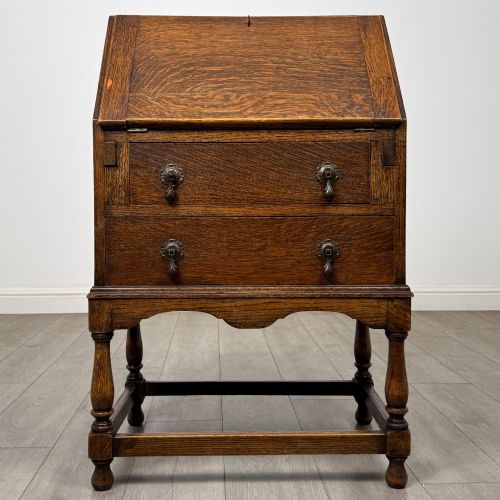
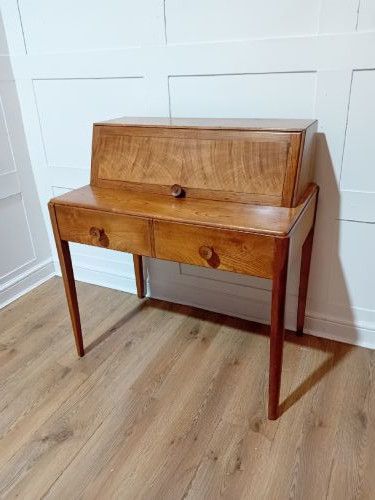
A vintage oak bureau combines a hinged writing flap with internal pigeonholes and drawers, sitting above a chest of drawers or a simpler support structure.
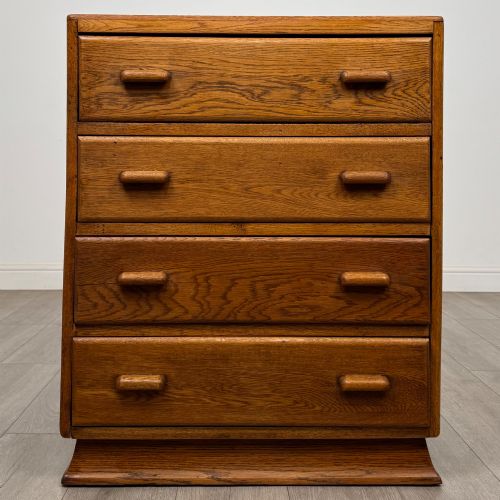
The versions most commonly met here span the Edwardian era through the nineteen-twenties and nineteen-forties, constructed primarily from English oak.
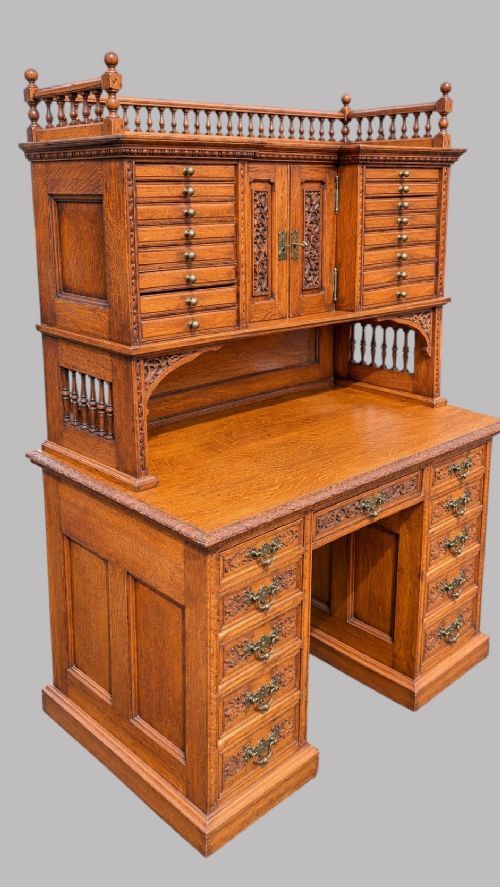
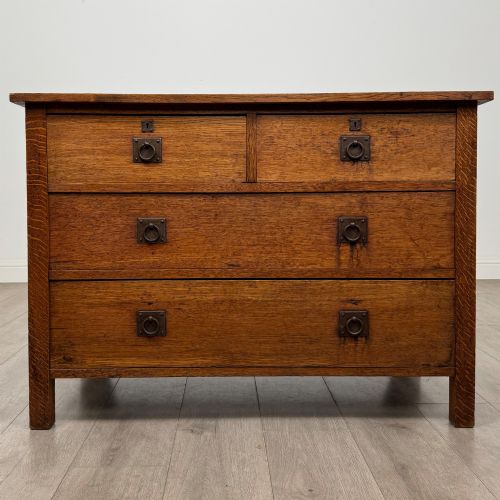
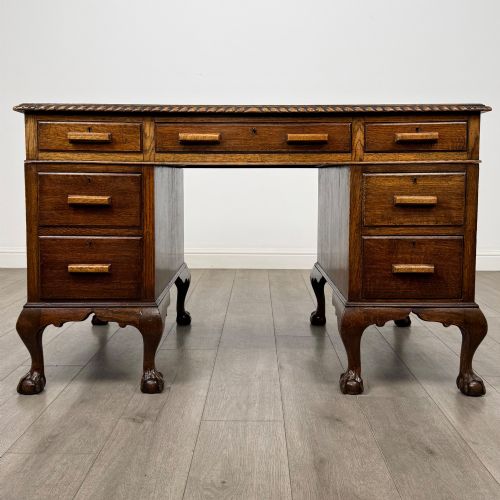
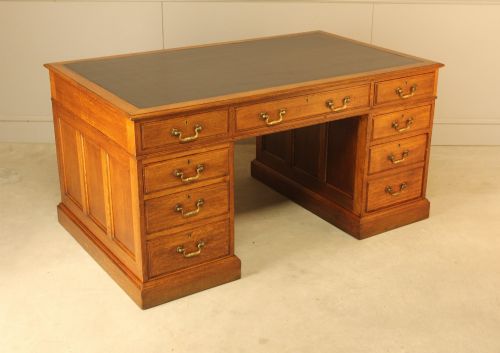
Related forms also appear alongside the classic bureau, including writing desks, roll top desks, dressing tables, and chests of drawers.
How they were made
Carpenters utilised solid English oak for these pieces, often highlighting the natural grain through panelled construction and polished finishes.
Hardware such as handles, hinges, and lock escutcheons were fashioned from brass, metal, and wrought iron to secure the flaps and drawers.
Specialised movement mechanisms were incorporated into roll top and tambour designs to conceal the writing surface smoothly.
Retail Price Guide 2026
Typical UK retail prices for vintage oak bureau, calculated from the Sellingantiques database of over a million retail prices indexed since 2003. This retail price guide relies exclusively on Sellingantiques data; no external sources or auction records are used, so the figures do not describe the wider market.
What varies in quality
The caliber of a piece rests upon the selection of the timber and the integrity of the joinery, distinguishing sturdy solid construction from lighter builds.
Maker attribution and original labelling, such as specific workshop tags or receipts, elevate a piece above standard domestic production.
The refinement of internal fittings, including dovetailed drawer boxes and neatly arranged pigeonholes, signals greater care in manufacture.
Heals of London·ROBERT MOUSEMAN THOMPSON·HARRIS LEBUS of LONDON
The Vintage Oak Bureau Glossary
- Bureau
- A writing desk featuring a sloping hinged flap that opens to reveal compartments for stationery. It typically rests upon a chest of drawers.
- Tambour
- A flexible sliding shutter formed of narrow strips of wood glued to canvas, allowing a desk top to roll open and shut. This mechanism requires precise carpentry to operate smoothly.
- Pigeonhole
- A small open compartment inside a desk used for sorting letters and papers. These compartments sit behind the main writing flap.
- Dovetail
- An interlocking joint used in drawer construction where trapezoidal pins fit securely into matching tails. It provides strong resistance against being pulled apart.
- Escutcheon
- A protective metal plate surrounding a keyhole. It is usually made of brass or iron to prevent the wood from splitting around the lock.
Frequently Asked Questions
What is a vintage oak bureau?
A vintage oak bureau is a traditional item of furniture featuring a sloping writing flap that folds down for correspondence and paperwork. Inside, small compartments and drawers organise letters, while larger drawers sit underneath.
These pieces were constructed during periods ranging from the eighteenth century through the mid-twentieth century. They provide functional workspace alongside traditional timber storage for the home.
How do I date an oak bureau?
Dating requires examining construction methods, hardware materials, and stylistic details such as panel thickness and handle design. Pieces from the eighteenth century display hand-cut joinery, whereas Edwardian and later examples often show standardised manufacturing techniques.
Makers' marks, labels, or accompanying documents like original receipts also help establish a precise period. Comparing the style of the oak grain and any brass or iron fittings to known eras narrows down the decade of production.
Where did people use hall bureaus?
Hall bureaus were compact writing desks designed specifically for narrow spaces like entrance halls and corridors. They provided a convenient surface for signing visitors' books and handling brief correspondence.
Because floor space near the front door was limited, these pieces were built with shallower depths than standard study desks. Their upper compartments stored household ledgers, keys, and incoming post.
How do roll top desks differ from bureaus?
Roll top desks utilise a slatted tambour shutter that slides along a curved track to conceal the writing surface. Bureaus instead rely on a solid sloping flap that folds downward on hinges.
Both forms offer secure storage for papers, but roll top variants expose a larger open workspace when retracted. They often feature pedestal drawer configurations rather than sitting atop a single chest.