

Heals Oak Furniture
Heals oak furniture brings honest craftsmanship and clean lines into a room, spanning periods from the nineteenth century through the twentieth.
Heals Oak Furniture
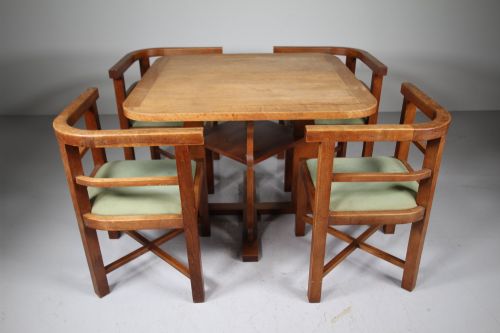
When you search for heals oak furniture, you encounter practical household pieces designed for daily utility and quiet style. The selection includes bedroom suites, dining tables, storage cabinets, and desks produced across several decades.
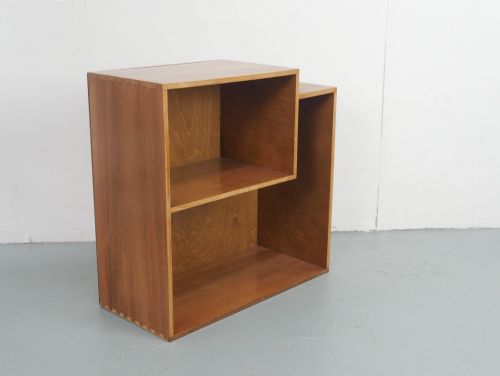
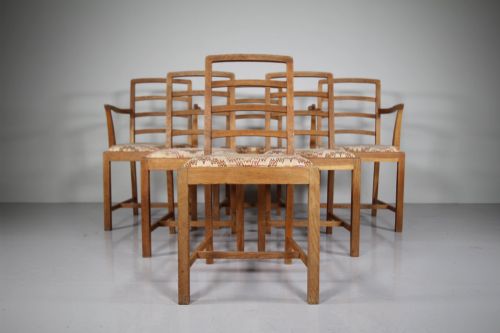
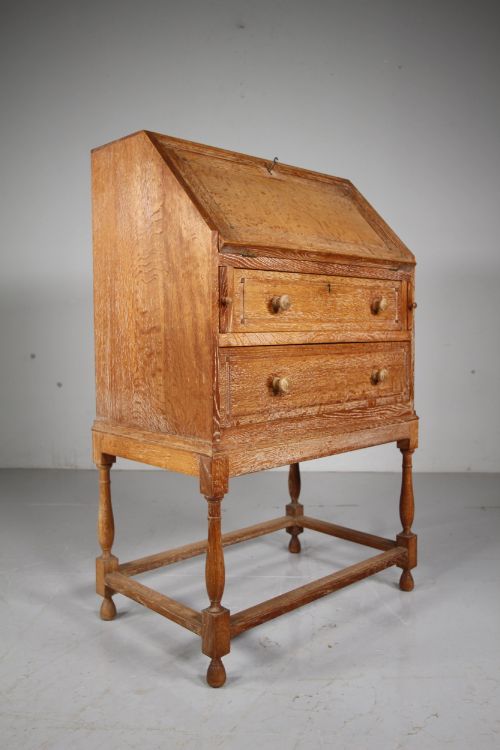
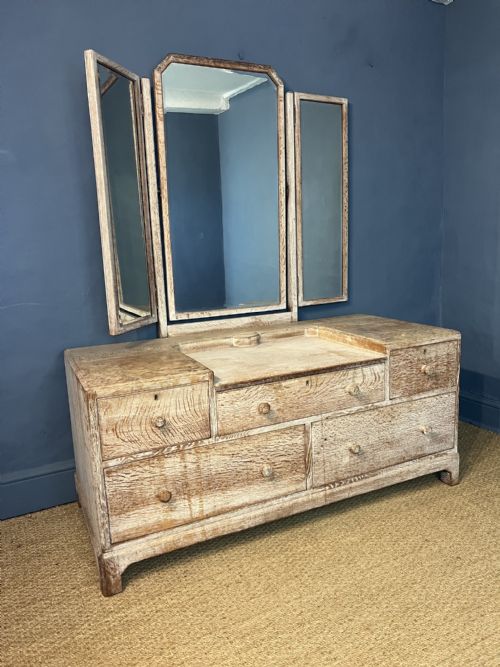
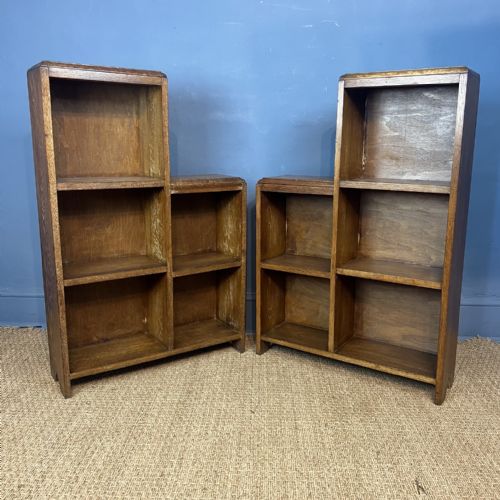
The versions met most frequently on this page date from the nineteen twenties and nineteen thirties, often showing Arts and Crafts roots or Art Deco influences. Pieces range from limed oak dressing tables to solid oak bookcases and beds.
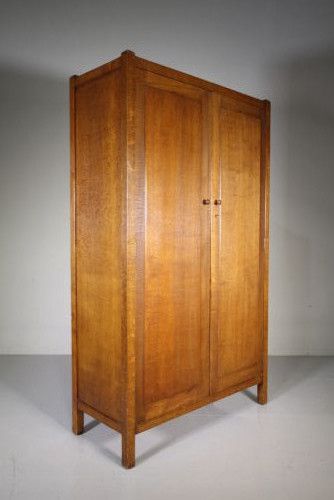
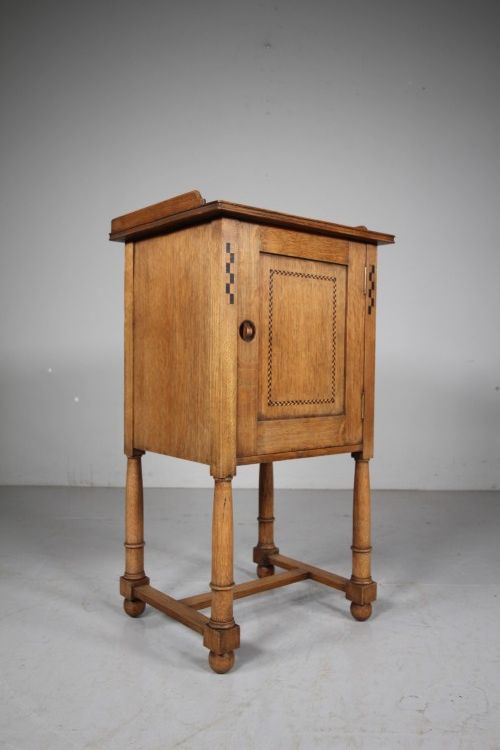
Makers and retailers of this calibre focused on straightforward utility combined with thoughtful proportions. Objects vary from simple bedside cabinets to large wardrobes and sideboards.
How they were made
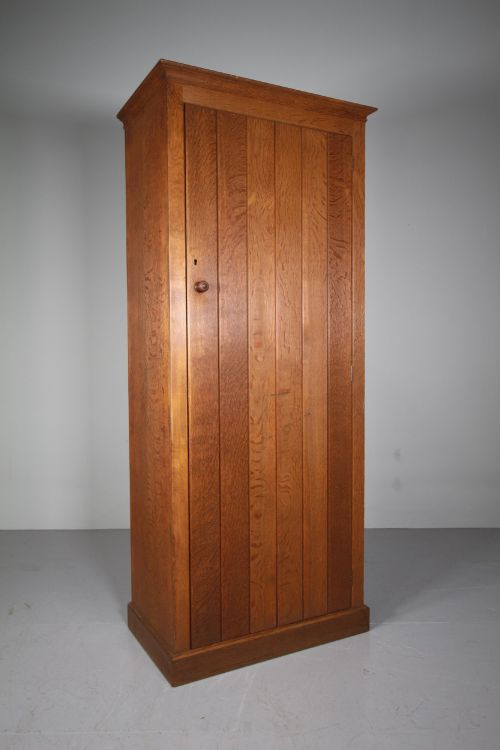
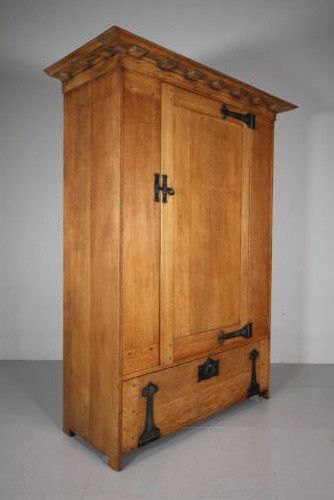
Construction relies primarily on solid oak and limed oak, occasionally paired with elm for seating or structural contrast. Metal fittings in brass, iron, and steel appear on handles, hinges, and structural brackets.
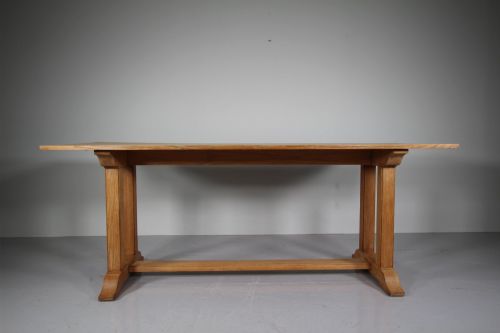
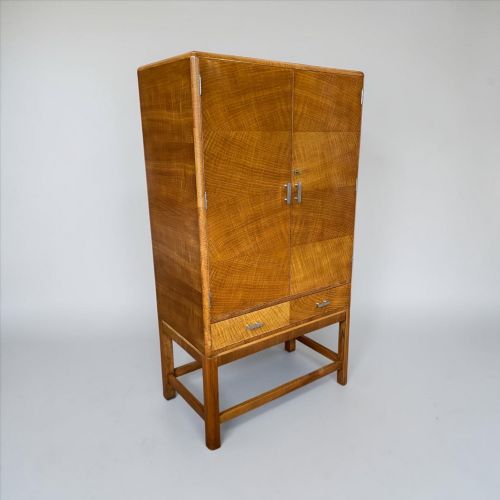
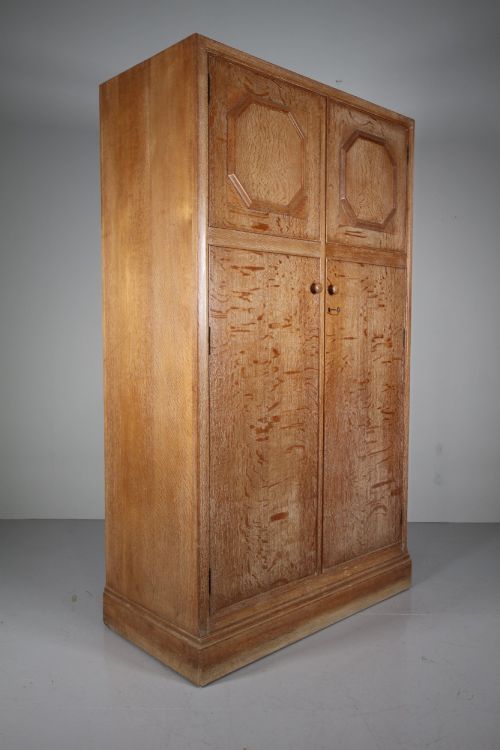
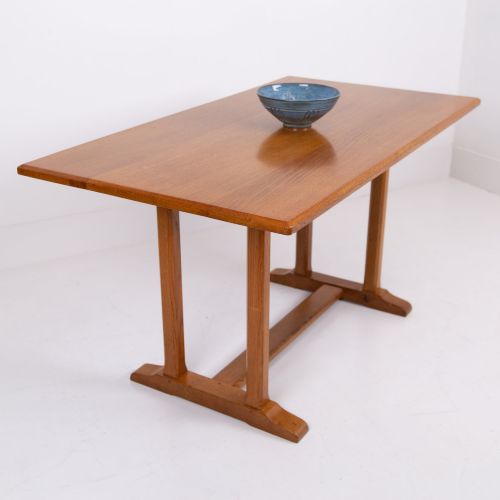
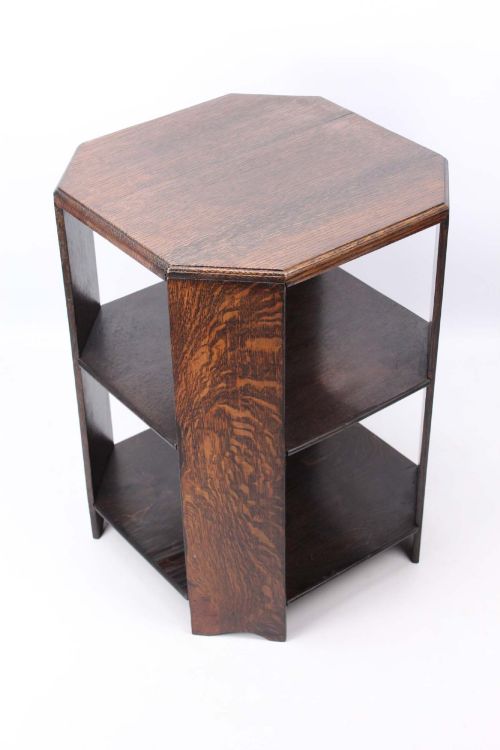
Workshops employed quartered timber to reveal striking grain patterns, particularly on trestle tables and cabinet fronts. Finishes range from natural waxed surfaces to deliberate liming that lightened the wood tone for modern interiors.
Heals Oak Furniture Retail Price Guide 2026
Typical asking prices for heals oak furniture among the pieces listed under this phrase on Sellingantiques today, from the lower quarter to the upper quarter. They describe what is for sale here now, not the wider market.
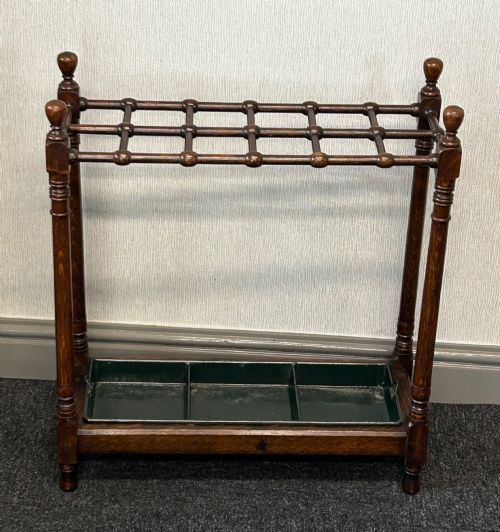
Umbrella stands wait patiently in the hallway, ready for sudden downpours after a crisp walk.
What varies in quality
The distinction between standard items and exceptional pieces rests upon original maker labels, stamps, and documented attribution. Pieces bearing clear maker marks command greater interest from collectors.
Design ambition separates everyday utility from distinctive workshop output, seen in unusual configurations or specific regional associations like St. Ives and Newlyn. The integration of specialty finishes such as limed oak also elevates the character of a piece.
Heal and Son·Heals of London·Good Furniture Units
The Heals Oak Furniture Glossary
- Limed oak
- A wood finish created by applying a white pigment or lime into the open grain of oak to produce a pale, pickled appearance. This technique gained popularity during the interwar decades for modern room schemes.
- Quartered oak
- Timber sawn radially across the growth rings to produce a distinctive ray fleck figure. Cabinet makers utilised this method for stability and visual appeal on prominent surfaces.
- Arts and Crafts
- A design movement valuing traditional craftsmanship, simple forms, and natural materials over mass production. Pieces from this ethos emphasise utility and structural honesty.
- Art Deco
- A style characterised by sleek geometric shapes, stylised ornamentation, and streamlined forms. It influenced bedroom suites, tables, and cabinets during the nineteen thirties.
- Refectory table
- A long dining table traditionally used in communal halls but adapted for domestic interiors. Versions use sturdy timber tops supported by trestles or robust legs.
Heals Oak Furniture: Frequently Asked Questions
How do I identify genuine pieces?
Look for paper labels, branded stamps, or clear signatures associated with the workshop. Many genuine examples carry specific maker marks on drawers or structural frames.
Documentation and historical labels provide the most reliable confirmation of origin for buyers seeking authenticated examples.
What periods do these items cover?
The pieces span from the nineteenth century through the Edwardian era and into the twentieth century. The interwar decades of the nineteen twenties and thirties represent a significant portion of the available forms.
Earlier nineteenth century examples sit alongside distinct Art Deco designs from the nineteen thirties.
How should I care for limed oak?
Dust surfaces regularly with a soft, dry cloth to prevent dirt accumulation in the open wood grain. Avoid excessive moisture and modern chemical polishes that can degrade the delicate limed finish.
Apply occasional traditional wax sparingly if the timber appears dry, following the direction of the grain.
Where were these furnishings used?
They served practical functions throughout the domestic interior, from bedrooms and living rooms to studies and dining spaces. Wardrobes, dressing chests, and beds furnished sleeping quarters.
Bookcases, desks, and side tables provided storage and workspace in reception rooms and hallways.