



1920s Oak Dining Table
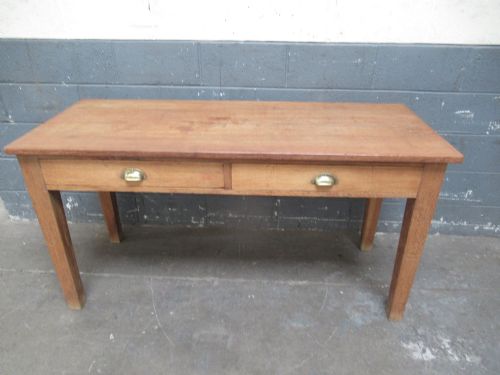
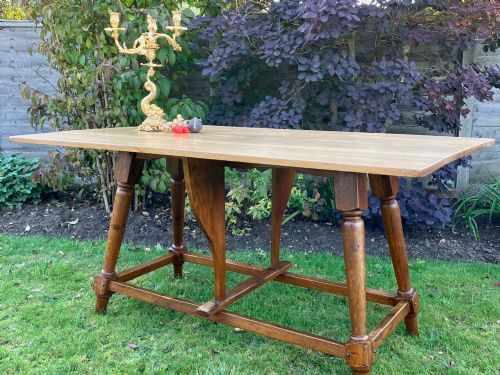
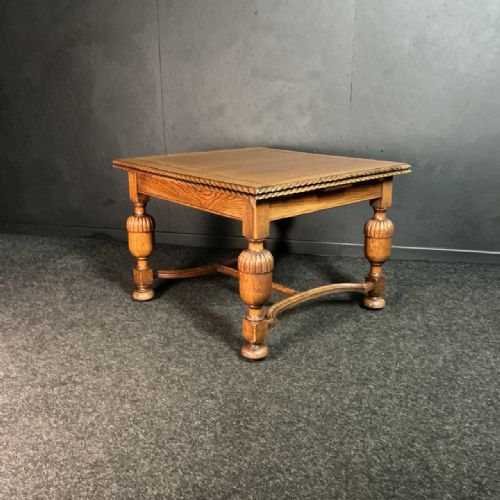
A 1920s oak dining table brings solid construction and warm grain into a room, offering practical daily seating.
1920s Oak Dining Table
A 1920s oak dining table is a sturdy centrepiece designed for everyday family meals and gatherings. When you search for this phrase, you find practical dining furniture that bridges traditional craftsmanship with early twentieth-century domestic needs.
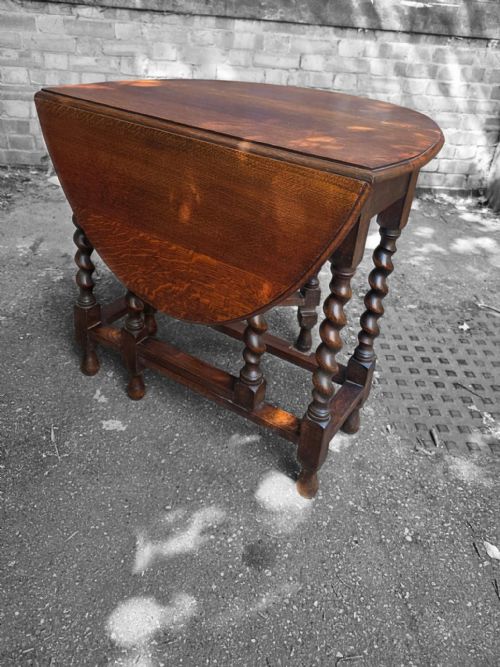
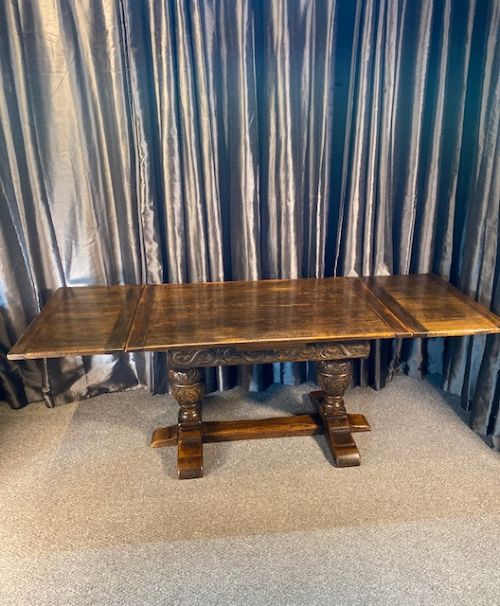
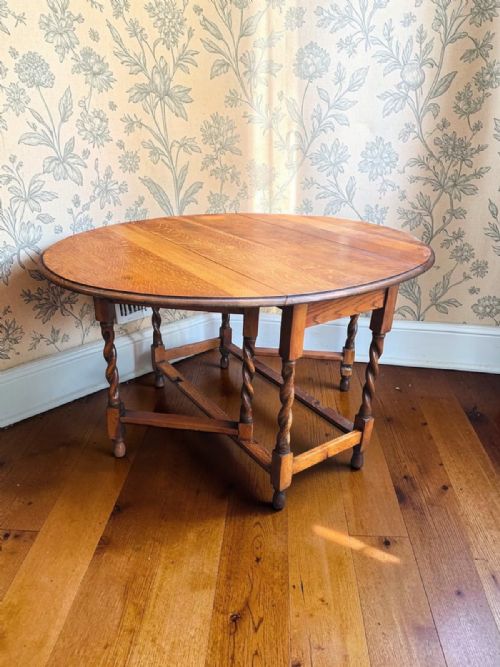
The pieces on this page mostly hail from the 1920s itself, alongside occasional Edwardian, 1930, and 18th-century examples. You will encounter gateleg drop-leaf formats, draw leaf mechanisms, and refectory styles suited to various room sizes.
Factors determining quality
Quality rests in the selection of the timber and the precision of the mechanics in extending tables. Draw leaf and gateleg actions should operate smoothly without sagging.
The execution of carved details, such as barley twist legs, and the stability of the frame separate standard production furniture from superior workshop pieces.
1920s Oak Dining Table Retail Price Guide 2026
Typical asking prices for 1920s oak dining table among the pieces listed under this phrase on Sellingantiques today, from the lower quarter to the upper quarter. They describe what is for sale here now, not the wider market.
Listings feature oak, burr walnut, and brass across Jacobean Revival, Arts and Crafts, and Art Deco styles.
Heals
The 1920s Oak Dining Table Glossary
- Gateleg table
- A drop-leaf table where hinged legs swing out to support the raised flaps. This design allows the table to fold down into a compact footprint when not in use.
- Draw leaf table
- A dining table with internal leaves that slide out from beneath the main top to extend the surface area. It provides a quick way to lengthen the table for guests.
- Quarter-sawn oak
- Timber cut radially across the growth rings, producing a distinctive decorative figure often called medullary rays. This cut yields stable boards less prone to warping.
- Refectory table
- A long, narrow dining table traditionally built with sturdy legs connected by a low stretcher. 1920s interpretations often adopt this form for Arts and Crafts or revival interiors.
1920s Oak Dining Table: Frequently Asked Questions
How do I use a drop leaf table?
Lift the hinged flaps on either side of the central top until they are horizontal.
Swing the supporting gatelegs outward from the frame underneath to lock the leaves securely in position.
Are these tables suitable for daily use?
Oak is a hard, resilient timber that withstands regular family meals and heavy daily demands.
Use heat mats and coasters to protect the polished surface from moisture and hot dishes.
How do I tell a 1920s table from an older one?
Examine the timber preparation, fastener types, and tool marks underneath the leaves and frame. Mechanised saw marks and standard screw threads often point to early twentieth-century production.
Stylistic revivals from the 1920s frequently combine Jacobean or Arts and Crafts motifs with modern extending hardware.
What chairs match a 1920s oak dining table?
Arts and Crafts or Jacobean Revival chairs with solid oak frames and upholstered or rush seats complement the aesthetic.
Art Deco chairs also appear alongside pieces from the transition into the 1930s.