



Quarter Sawn Oak Table
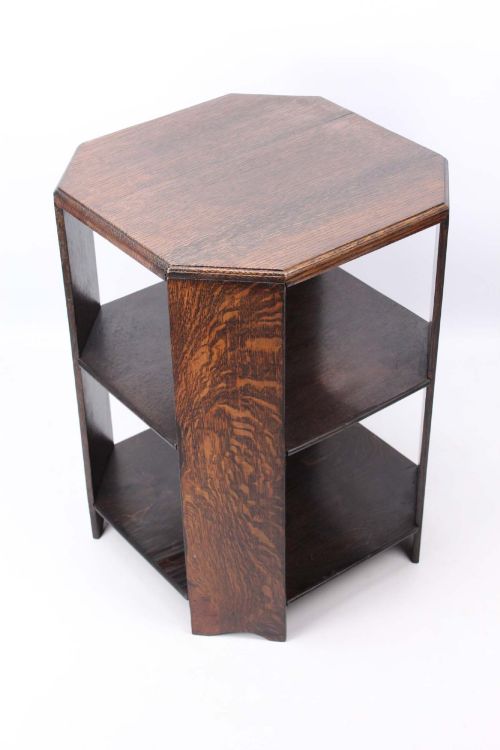
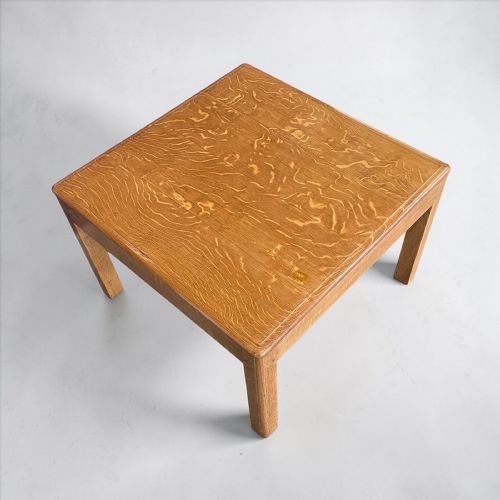
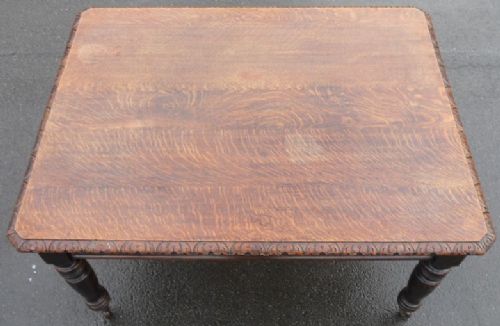
A quarter sawn oak table brings distinctive medullary ray figuring and robust timber construction into a room, offering both durability and character.

Quarter Sawn Oak Table
When you search for a quarter sawn oak table, you encounter furniture built from timber cut radially through the growth rings, which produces striking silver flake patterns across the surface. The selection spans dining tables, coffee tables, side tables, and occasional tables originating from the nineteenth century up through the nineteen-twenties.
Edwardian and Arts and Crafts examples appear frequently alongside Victorian dining tables and later Art Deco designs. Forms range from gateleg dining tables and trestle tables to adjustable mechanisms with iron and brass hardware.
Makers such as Betty Joel, Heal's, and Carters of London represent the higher end of these listings. Simpler vernacular items and folding games tables also populate the inventory.
How they were made
The defining characteristic of these tables relies on the quarter-sawing technique, which cuts the log perpendicular to the growth rings rather than parallel. This method minimises warping and shrinkage while exposing the dense medullary rays of the oak.
Construction frequently combines solid oak timbers with functional metal elements such as brass or cast iron, particularly in adjustable tables. Joinery ranges from traditional pegged joints in Arts and Crafts pieces to folding mechanisms in specialised games tables.
Quarter Sawn Oak Table Retail Price Guide 2026
Typical asking prices for quarter sawn oak table among the pieces listed under this phrase on Sellingantiques today, from the lower quarter to the upper quarter. They describe what is for sale here now, not the wider market.
One Victorian table arrives equipped with a folding inset games board, ready for an impromptu chess match.
What varies in quality
Quality rests primarily on the grain configuration and the prominence of the medullary ray figuring across the oak surface. Superior examples display dense, evenly distributed silver flecks resulting from precise radial cutting.
Design attribution also separates pieces, with documented workshop output commanding greater attention than unassigned vernacular furniture. The integration of auxiliary materials like cast iron and brass hardware further distinguishes standard tables from complex adjustable or folding forms.
Betty Joel·Heals·Carters of London
The Quarter Sawn Oak Table Glossary
- Quarter-sawn
- A method of sawing timber where the log is quartered before cutting radially. This technique creates a stable board that displays prominent medullary ray figuring.
- Medullary ray
- Cellular channels running radially from the centre of a tree trunk to the bark. When exposed by quarter-sawing, these rays appear as distinctive light-reflecting flakes.
- Gateleg table
- A drop-leaf table where the leaves are supported by hinged legs that swing out like a gate. This form allows the table to expand for dining and fold down for storage.
- Trestle table
- A table comprising horizontal beams supported by two vertical trestles or feet. This form dates back centuries and gained renewed popularity during the Arts and Crafts movement.
- Book matched
- A method of arranging two adjacent wood veneers or boards so that they mirror each other. This technique highlights the symmetry of the natural grain.
Quarter Sawn Oak Table: Frequently Asked Questions
What is quarter sawn oak?
Quarter sawn oak is timber cut at right angles to the annual growth rings. This specialised milling process minimises warping and produces a distinctive decorative grain pattern known as silver grain or medullary rays.
Furniture made from this wood resists twisting and splitting better than plain-sawn timber. The technique requires more time and creates more waste, which is why it typically appears on better-quality pieces.
How do I date a wooden table?
Dating a table involves examining construction methods, tool marks, hardware, and timber preparation. Machine-sawn marks differ significantly from hand-sawn ones, and specific joint types correspond to particular eras.
Stylistic cues such as proportions, leg profiles, and decorative carving also provide strong indicators of period. Comparing these details against documented examples helps narrow down the decade of manufacture.
Where should I place a wooden table?
Solid oak tables require stable environmental conditions away from direct heat sources and extreme humidity fluctuations. Consistent indoor temperatures protect the timber joints and finish from undue stress.
Positioning the table where natural light can strike the surface allows the distinct oak grain and medullary ray patterns to remain visible. Regular use and proper care help develop a rich patina over time.
What styles include quarter sawn oak?
Quarter sawn oak appears frequently in Arts and Crafts and Gustav Stickley furniture, where structural honesty and grain visibility are paramount. Edwardian and Art Deco designers also utilised the material for its strength and visual texture.
Victorian makers employed the timber for substantial dining and games tables. Earlier Georgian pieces occasionally feature figured oak in specialised forms like tripod supper tables.