

Victorian Folding Table
When you search for a victorian folding table, you encounter versatile pieces engineered for compact storage and social entertaining in nineteenth-century parlours and campaign settings.

Victorian Folding Table
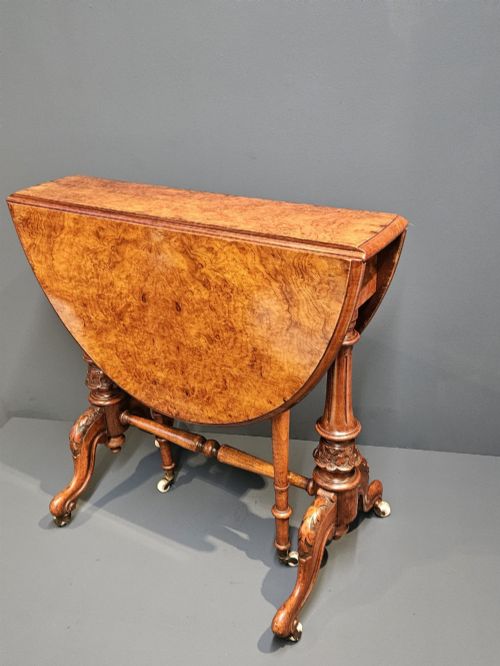
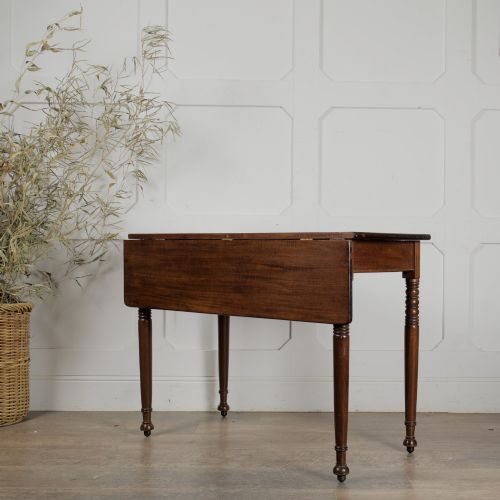
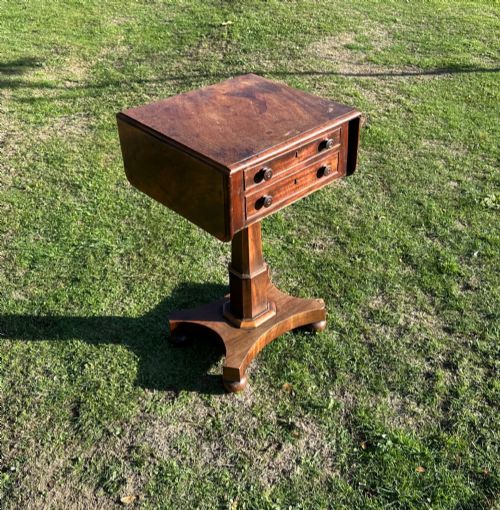
A victorian folding table encompasses a broad category of nineteenth-century furniture designed with hinged, swivel, or scissor mechanisms that allow the surface to collapse or fold away when not in use. Buyers searching this phrase primarily discover occasional tables, card and games tables, drop-leaf tables, and portable butler trays on stands.
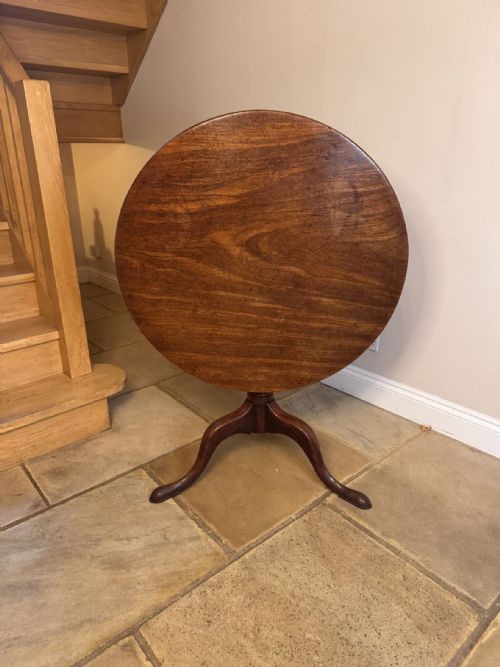
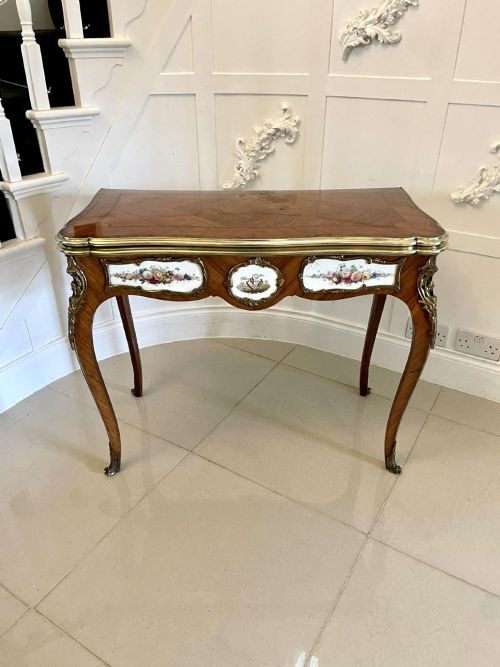
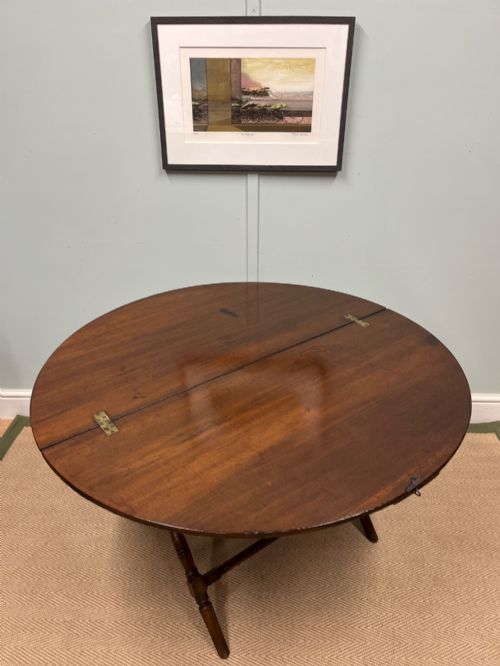
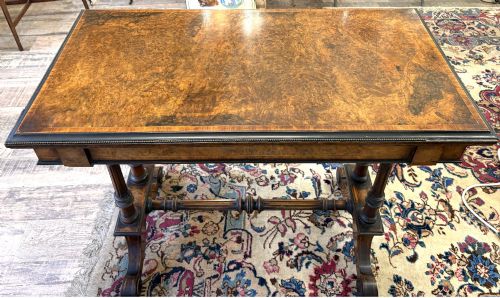
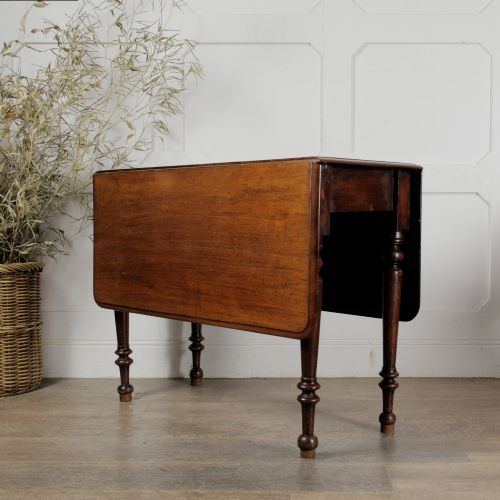
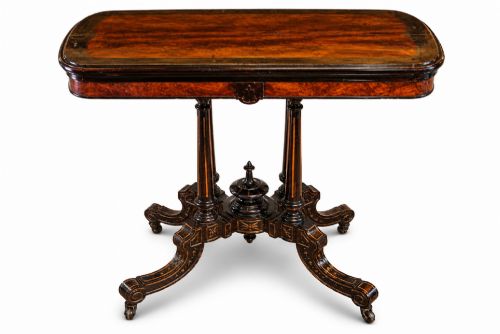
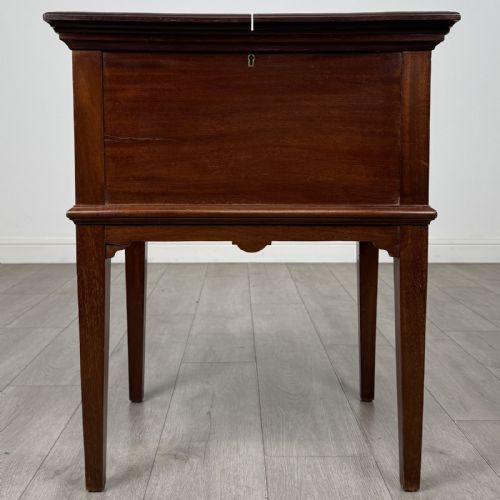
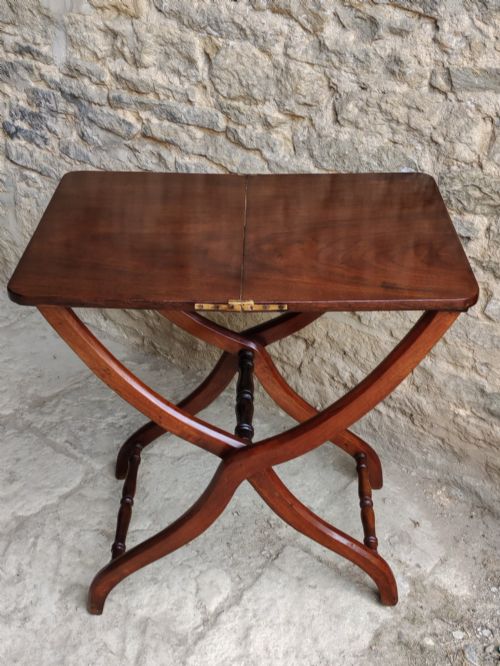
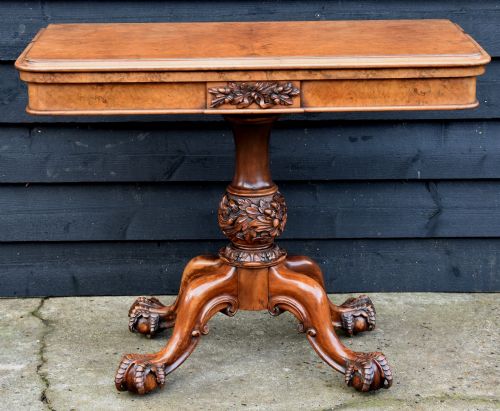
The surviving examples range from domestic walnut and mahogany card tables utilised in drawing rooms to robust pine kitchen tables and teak campaign pieces built for travel. The selections on this page heavily feature burr walnut card and Sutherland tables alongside oak or mahogany folding coaching tables.
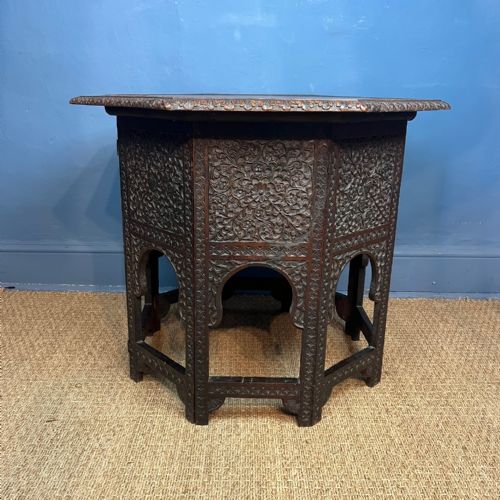
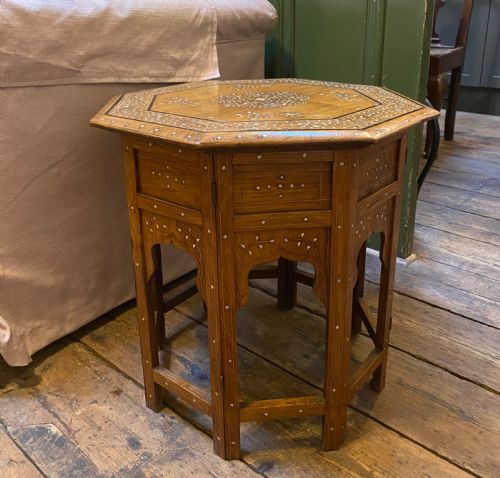
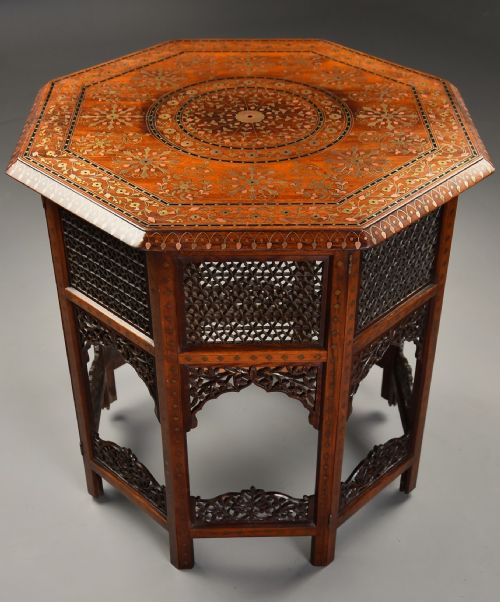
Origins span standard English domestic cabinetmaking to regional styles such as Anglo-Indian Hoshiarpur marquetry and Sorrento ware. Buyers select these designs to combine practical space-saving utility with rich nineteenth-century timber grains and craftsmanship.
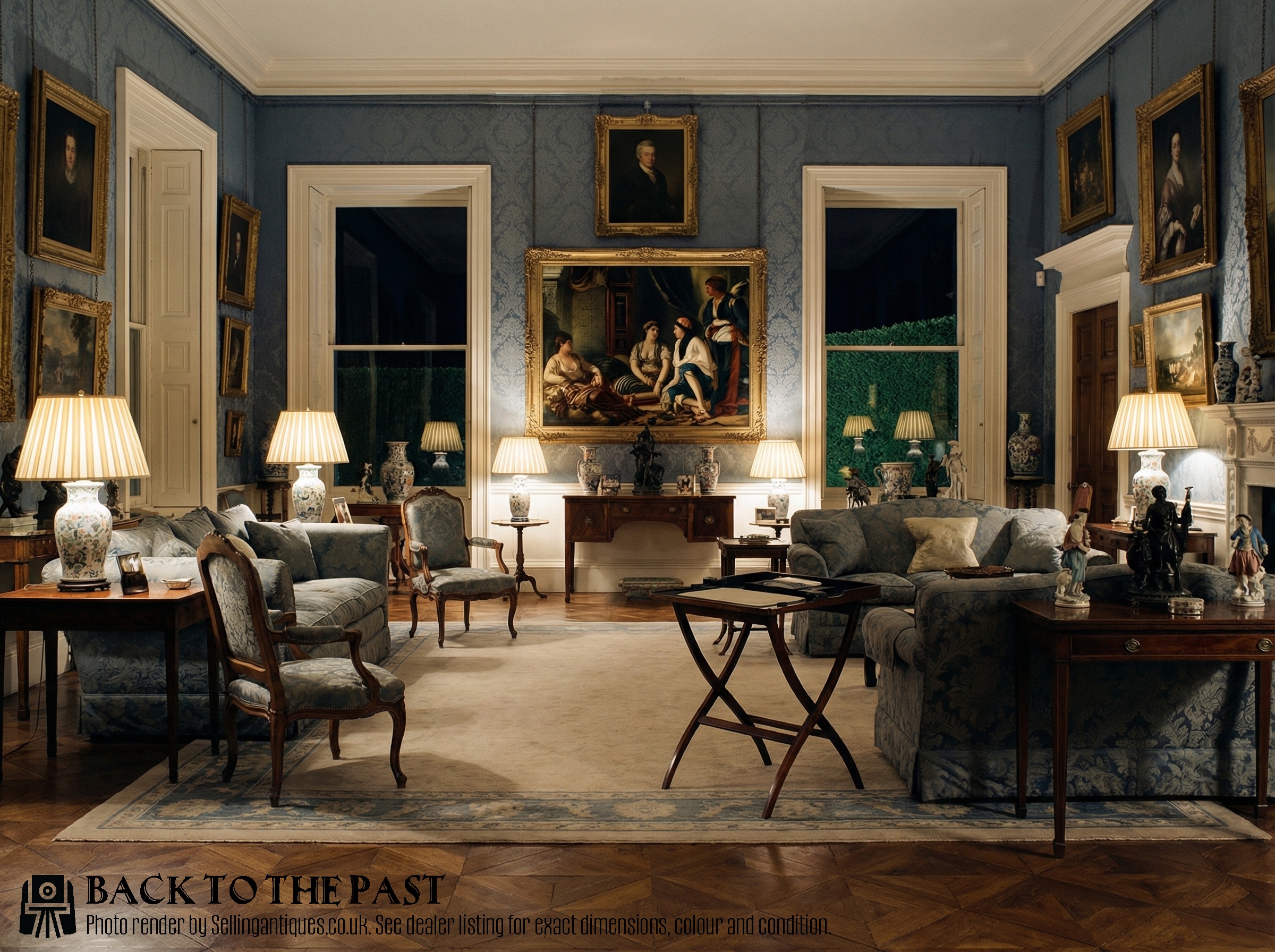
What Varies in Quality
The grade of timber selection and veneer matching establishes the visual hierarchy, with figured burr walnut and finely detailed marquetry commanding greater appreciation than plain pine or utilitarian woods. Richness of grain and precision in inlay work directly reflect the skill of the original workshop.
The sophistication of the mechanical folding mechanism further distinguishes fine examples, from simple scissor actions to complex swivel tops with concealed storage compartments and carved pedestal supports. Solid structural integrity in the hinges and joints ensures the piece functions as smoothly today as it did in the nineteenth century.
Victorian Folding Table Retail Price Guide 2026
Typical asking prices for victorian folding table among the pieces listed under this phrase on Sellingantiques today, from the lower quarter to the upper quarter. They describe what is for sale here now, not the wider market.
Listings demonstrate woods ranging from walnut, mahogany, and rosewood to exotic teak and pitch pine.

James Shoolbred & Co·G T Morant
The Victorian Folding Table Glossary
- Sutherland table
- A narrow drop-leaf table with exceptionally wide leaves and a gate-leg action that folds flat for storage.
- Butler's tray
- A removable wooden tray with raised sides, originally designed for serving and resting upon a separate folding stand.
- Coaching table
- A portable folding table utilising a scissor or X-frame stand, historically utilised for travel and campaign use.
- Marquetry
- Decorative inlay work using various tinted woods and veneers to create intricate geometric or pictorial patterns on the surface.
- Turnover top
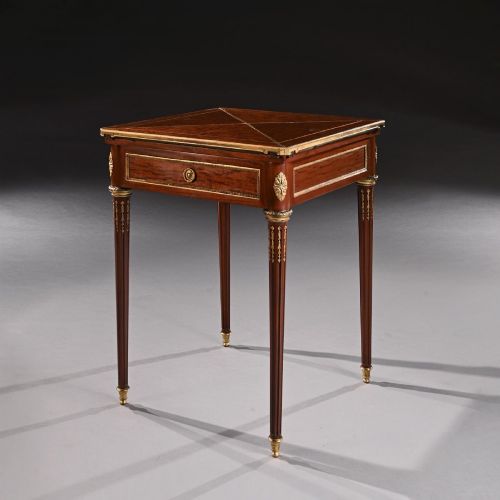
- A hinged table top that unfolds and rotates to reveal a larger surface, frequently utilised in card and games tables.
Victorian Folding Table: Frequently Asked Questions
How were folding tables used?
These tables served flexible domestic functions, appearing in parlours for card games, tea, and sewing, or in dining spaces for auxiliary service. Portable variants also travelled easily for military campaigns or temporary outdoor hospitality.
Their collapsible design allowed households to maximise floor space rapidly when entertaining finished or rooms needed clearing.
Where should I place a folding table?
They suit small rooms, hallways, and living areas where surface space is required only intermittently. A card table or Sutherland table works effectively against a wall until opened for guests.
Avoid placing antique veneered timber in direct sunlight or near strong heat sources to protect the polished finish.
How do I identify a Victorian piece?
Examine the timber species, construction methods, and hardware, as nineteenth-century pieces frequently utilise solid mahogany, walnut, or burr walnut veneers over secondary woods. Hand-cut joints and period brass hinges provide strong indicators of age.
Stylistic cues such as Louis XV revival curves or Anglo-Indian marquetry also align with nineteenth-century production dates.
Are folding tables sturdy?
Well-constructed nineteenth-century examples utilise robust hardwood frames and secure pivoting hinges designed for regular daily deployment. The stability depends on the tightness of the original joints and the precision of the folding mechanism.
Careful handling of swivel tops and drop-leaves preserves their structural integrity over decades of use.