


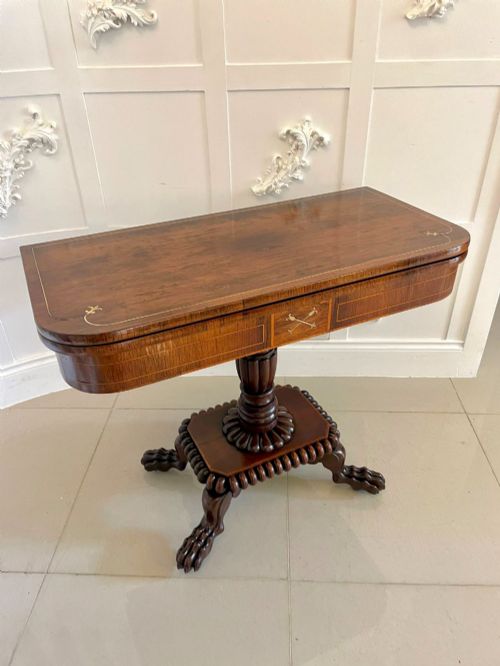
Folding Tea Table
When you search for a folding tea table, you enter a world of ingenious space-saving furniture designed for hospitality and display.
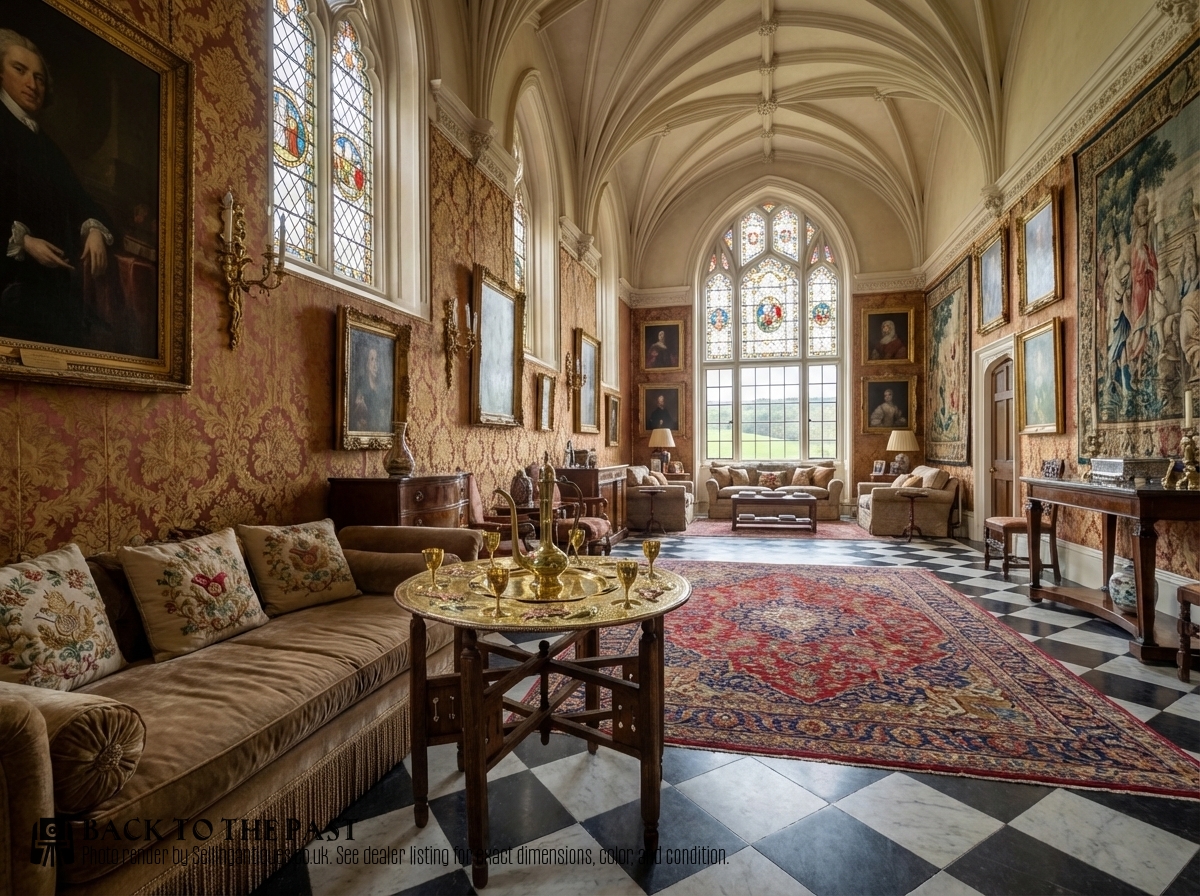
Folding Tea Table
A folding tea table is a versatile piece of furniture engineered with a hinged top or folding base to save space when not in use. These pieces transition effortlessly from compact consoles or side tables into full surfaces for entertaining.
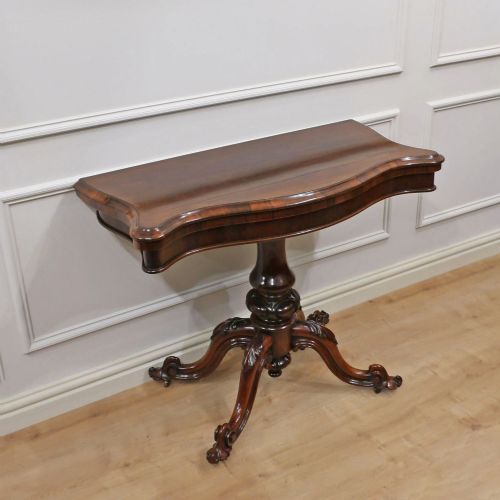
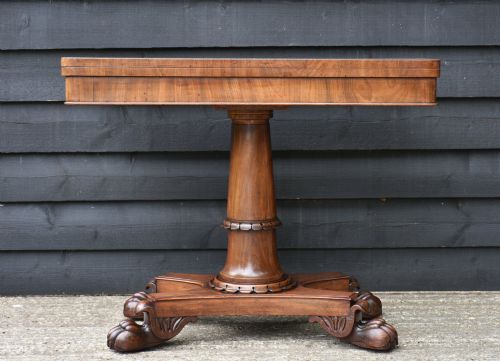
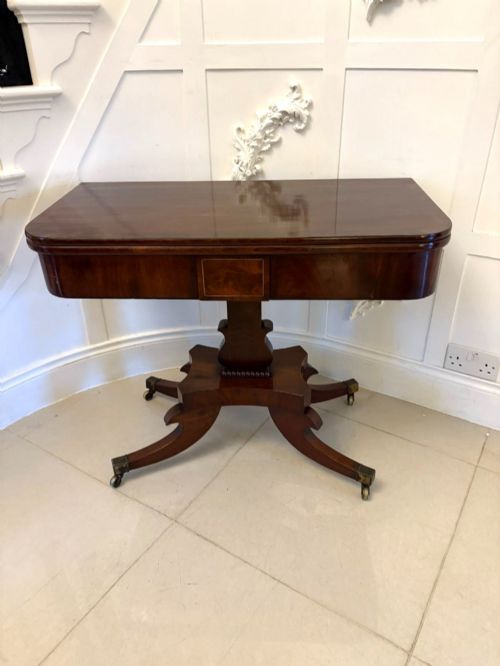
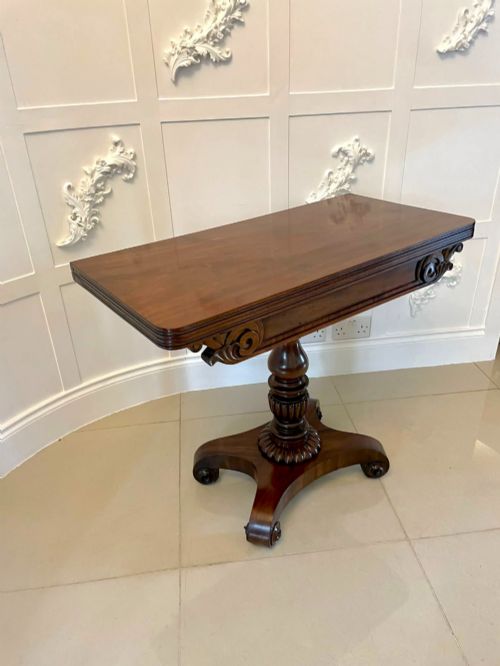
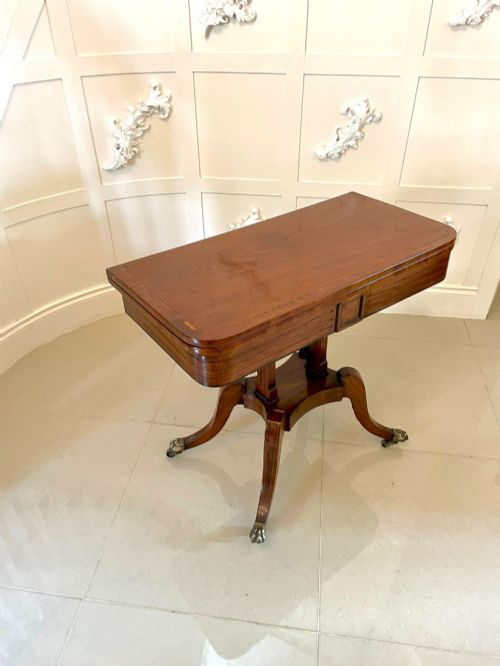
You will most commonly encounter Georgian and Regency mahogany examples alongside Victorian walnut and rosewood iterations on this page. Many double as card or games tables, featuring clever concertina actions or swivel tops.
Origins range widely from English workshops to Anglo-Indian productions utilising teak and brass inlay. The form adapts from formal demi-lune drawing-room tables to portable campaign and occasional pieces.

How They Were Made
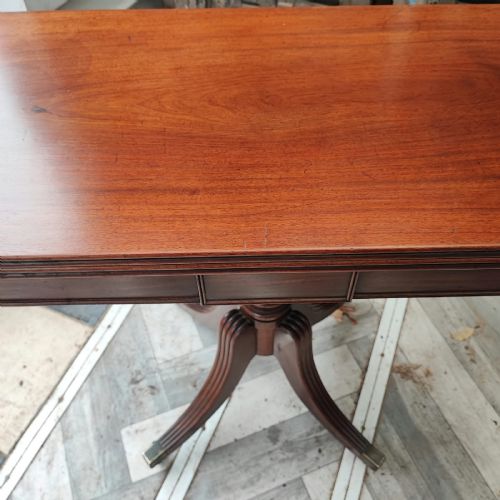
Cabinetmakers relied on dense timbers like mahogany, walnut, and rosewood, often enhanced with contrasting veneers such as satinwood, boxwood, and burr walnut. These woods were selected for both structural stability and rich grain figure.
Inlay and marquetry feature heavily across the styles, utilising brass wire, mother-of-pearl, and exotic woods to create intricate geometric or floral patterns. Brass hinges, swivels, and concertina mechanisms provide the underlying engineering for the folding tops.
Folding Tea Table Retail Price Guide 2026
Typical asking prices for folding tea table among the pieces listed under this phrase on Sellingantiques today, from the lower quarter to the upper quarter. They describe what is for sale here now, not the wider market.
Listings feature woods spanning mahogany, rosewood, walnut, satinwood, and teak across Georgian, Regency, and Victorian periods.
What Varies in Quality
Quality rests primarily in the crispness of the timber carving, the selection of figured veneers, and the precision of the joinery. Superior examples exhibit seamless action in their folding tops and sophisticated internal framing.
Secondary elements like finely chased brass inlay, well-executed marquetry, and original patination elevate an ordinary table into a masterwork of period craftsmanship.
George Bullock·Giles Grendey
The Folding Tea Table Glossary
- Demi-lune
- A half-moon shape popular for console and tea tables designed to sit flush against a wall. This profile allowed tables to occupy minimal floor space until unfolded.
- Concertina action
- An expanding frame mechanism that supports a fold-over top evenly when opened. It expands like an accordion to distribute weight properly.
- Marquetry
- Decorative veneer work arranged in pictorial or geometric patterns using various coloured woods. Craftsmen cut contrasting timbers to fit precisely into a master design.
- Patination
- The deep, lustrous surface sheen developed through age, handling, and polishing over generations. It indicates genuine antique status and proper maintenance.
- Sutherland table
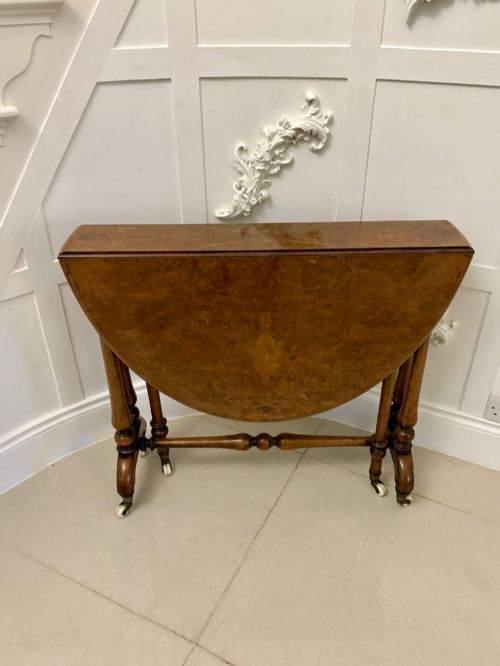
- A narrow drop-leaf table with exceptionally slim folding leaves supported by pivoting gatelegs. It represents a Victorian refinement of the space-saving ideal.
Folding Tea Table: Frequently Asked Questions
How do folding tea tables work?
Most models feature a fold-over top that swivels or hinges open to reveal a larger surface area supported by a pivoting leg or concertina frame. Some variations utilise removable trays resting on folding wooden or brass stands.
Internal compartments beneath the top sometimes store gaming pieces or tea paraphernalia, adding hidden utility to the clever mechanical design.
Were these used exclusively for tea?
Despite the traditional name, these tables served multiple domestic purposes including card games, writing, and general display in polite society. Owners easily adapted the furniture depending on the social demands of the evening.
Many surviving pieces retain green baize linings or internal wells specifically tailored for card playing alongside tea service.
How do I distinguish Georgian from Victorian examples?
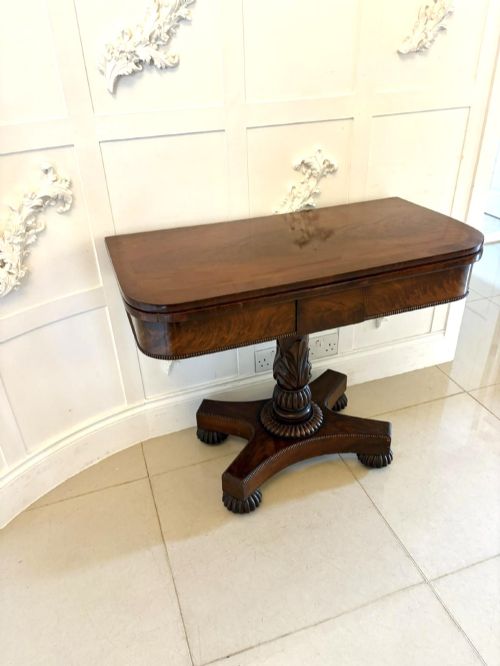
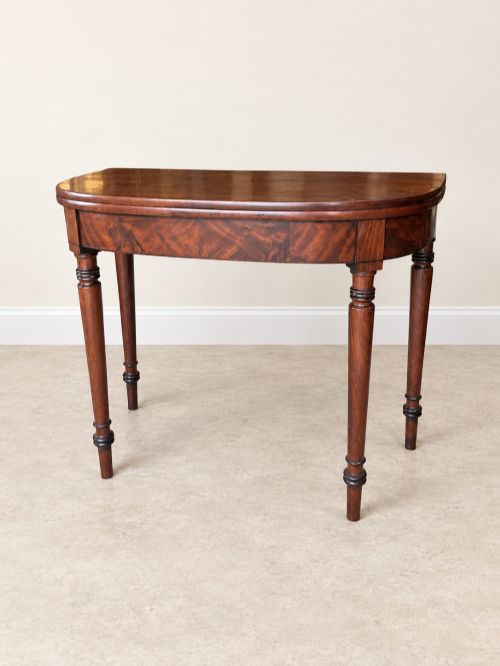
Georgian pieces generally favour restrained classical proportions in mahogany with subtle inlay, straight tapering legs, or delicate demi-lune shapes. Timber patination tends to be warm and deep.
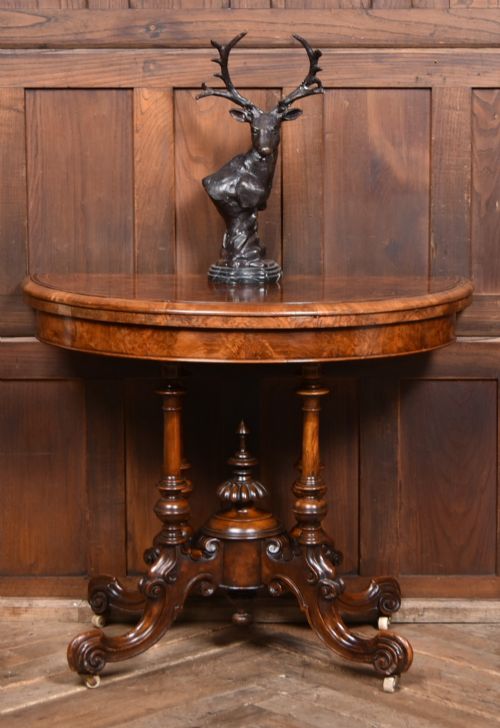
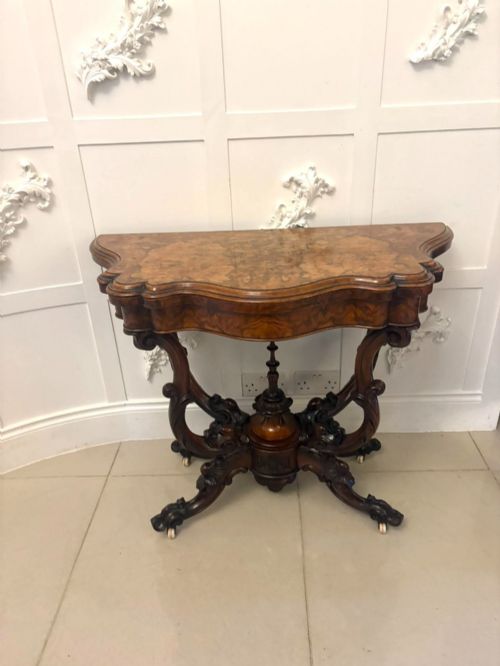
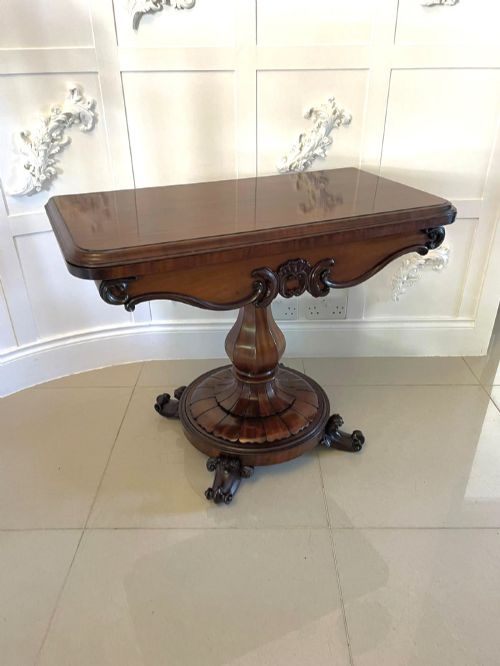
Victorian iterations often embrace darker rosewood or burr walnut, heavier carved pedestal bases, elaborate brass work, and more exuberant decorative styling influenced by revival movements.
Where should I place one in a modern home?
A folded tea table functions exceptionally well as a hallway console, a slim side table against a living room wall, or an occasional surface behind a sofa. When guests arrive, simply pull it out and unfold the top.
The compact closed footprint makes them ideal for smaller rooms where flexibility and historical character are equally valued.