

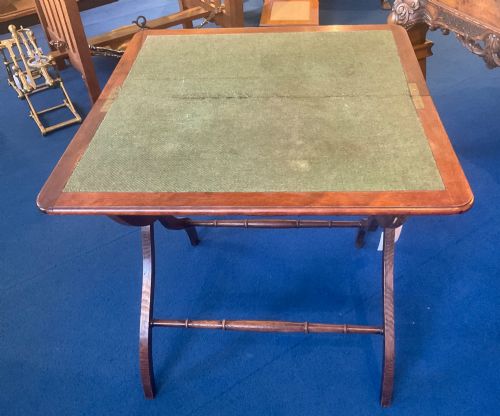
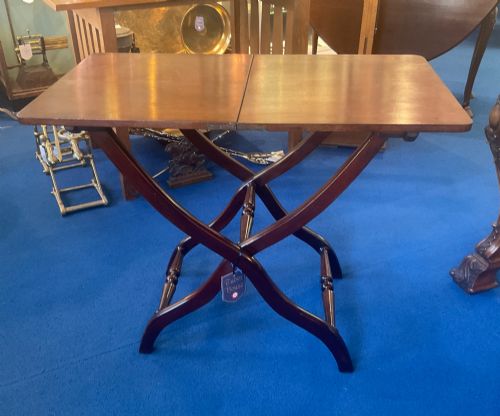


Mahogany Coaching Table
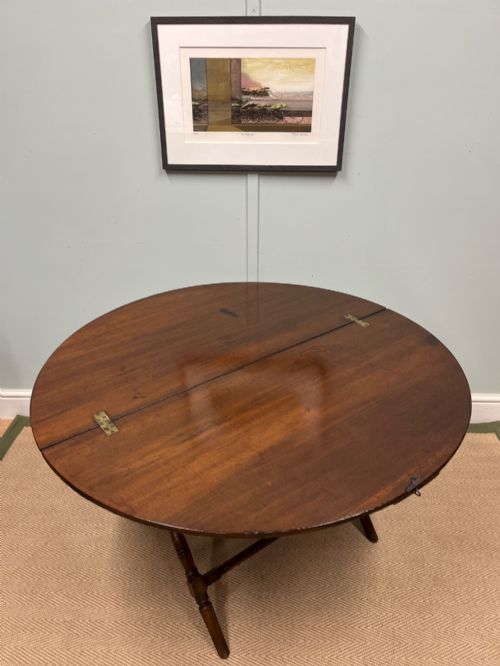
A mahogany coaching table offers portable elegance, folding away cleanly when not in use.
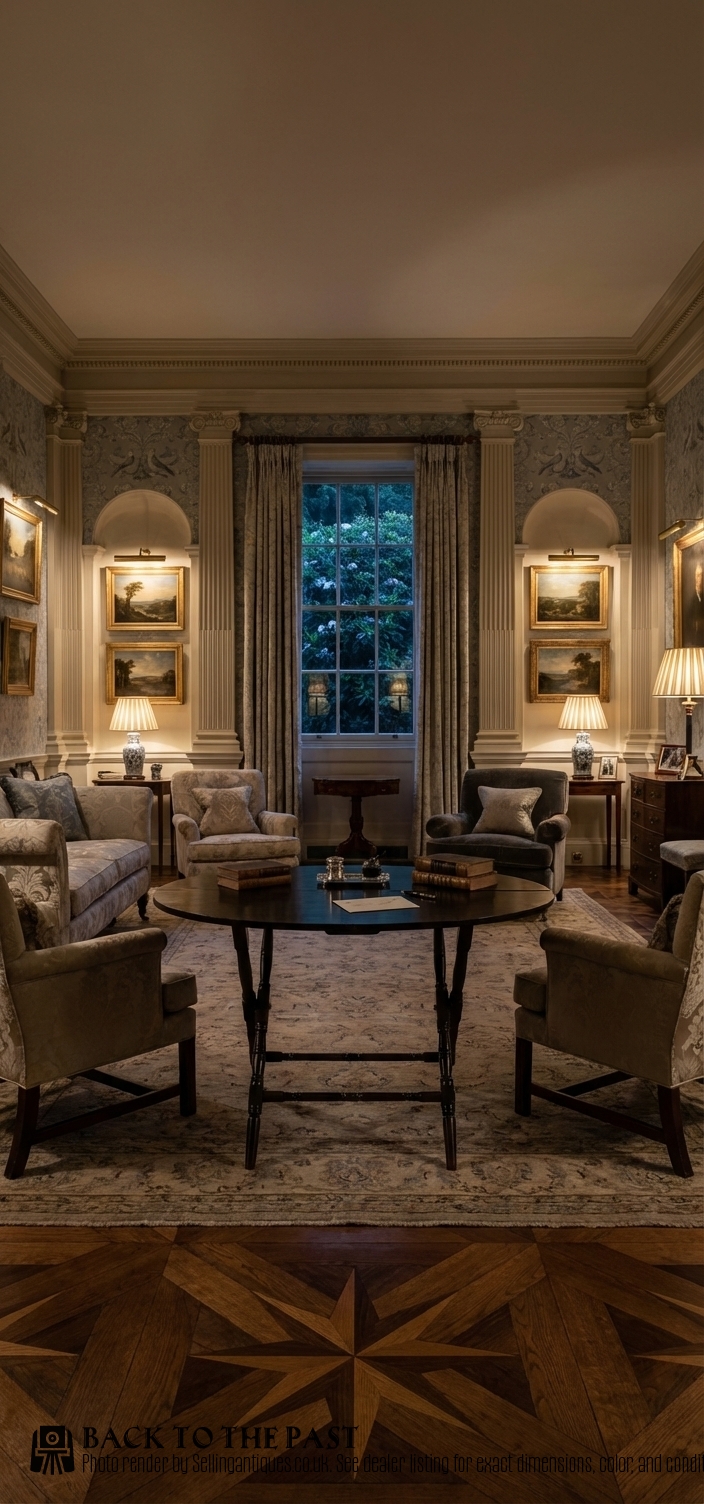
Mahogany Coaching Table
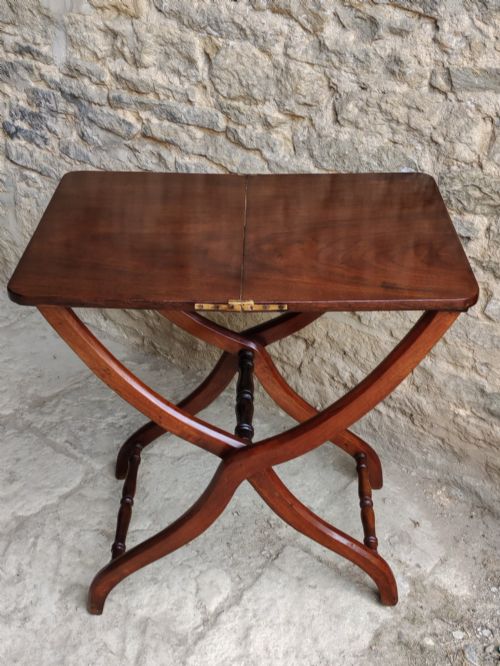
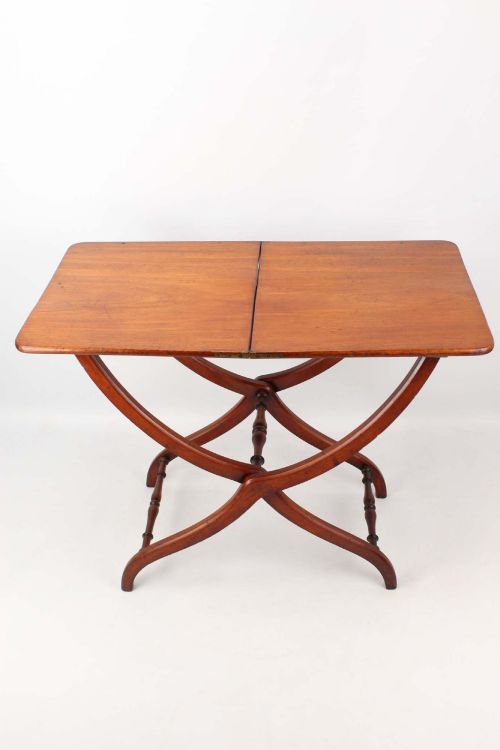
A mahogany coaching table is a folding piece designed for travel and flexible living, appearing most frequently in Victorian and Edwardian iterations on this page.
These portable pieces function primarily as occasional tables, side tables, or butlers stands, offering a surface that collapses flat for storage.
The evidence shows origins spanning from the Georgian and Regency eras through the nineteenth century, maintaining a consistent focus on practical mobility.
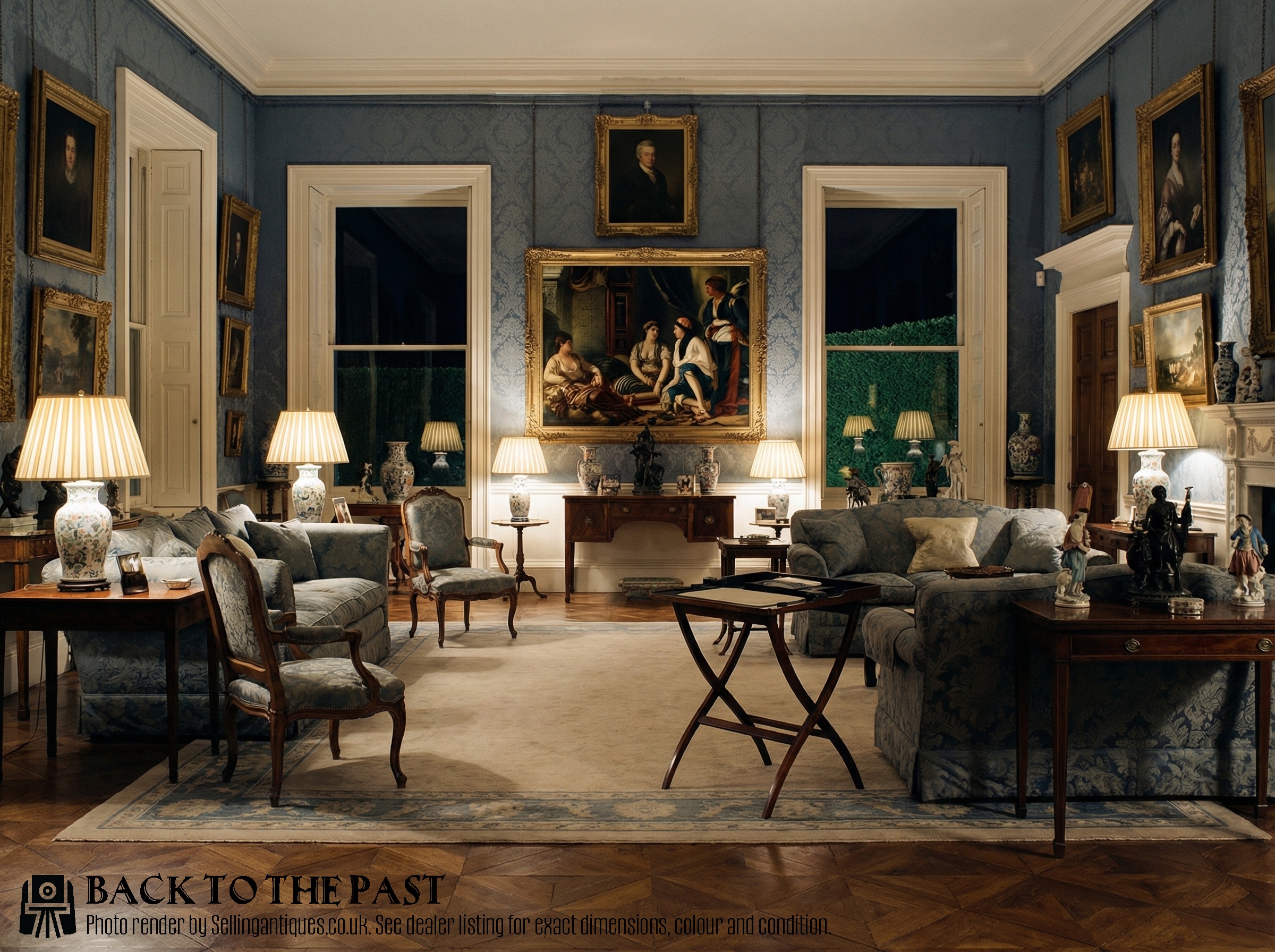
How they were made
Cabinet makers utilised dense timbers such as mahogany and occasional yew wood, sometimes selecting Cuban mahogany for its rich grain.
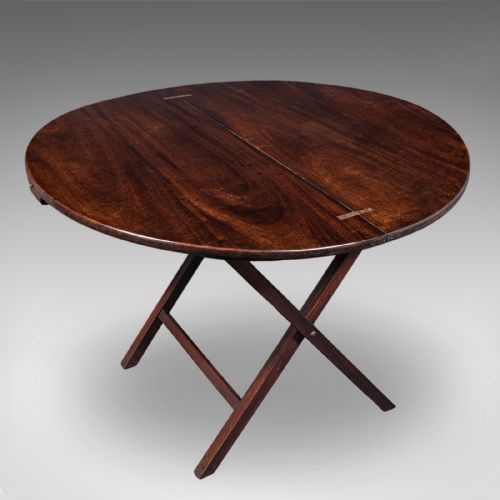
Metal components like brass hinges and fittings facilitate the folding mechanism, allowing the X-frame or spider base to collapse smoothly.
Surface treatments included baize linings on certain models, balancing the needs of travel with domestic utility.
Mahogany Coaching Table Retail Price Guide 2026
Typical asking prices for mahogany coaching table among the pieces listed under this phrase on Sellingantiques today, from the lower quarter to the upper quarter. They describe what is for sale here now, not the wider market.
The archive and current listings combine to show mahogany coaching tables spanning the eighteenth century through the Edwardian era.
What varies in quality
The distinction between standard examples and the finest pieces rests on the crispness of the folding action and the stability of the frame when open.
Timber selection and the depth of the patina on the mahogany top dictate the visual presence of the table in a room.
Maker signatures, such as labels from period firms, elevate an individual piece above unsigned vernacular furniture.
Thornton and Herne
The Mahogany Coaching Table Glossary
- Coaching table
- A portable folding table originally designed to travel with officers or travellers during the nineteenth century. These items collapse for compact storage.
- Campaign table
- Furniture built for military or travel use, featuring folding or detachable parts for ease of transport. They share many functional traits with coaching tables.
- Spider base
- A slender, intersecting leg framework that supports the table top while allowing the entire structure to fold compactly. It provides a distinct aesthetic to the support.
- Baize
- A coarse woollen material resembling felt, often used to line the tops of tables associated with writing, games, or serving. It protects the wood surface underneath.
- Patina
- The surface sheen and deep coloration developed on wood over decades of handling and polishing. It serves as an indicator of age and continuous use.
Mahogany Coaching Table: Frequently Asked Questions
What is a mahogany coaching table?
A mahogany coaching table is a folding piece of portable furniture designed to be packed away easily when space is needed. They originated as practical items for travel and temporary use.
Today, these tables serve well as flexible occasional surfaces in living rooms or studies, combining utility with traditional cabinet making.
How do you fold a coaching table?
Most coaching tables utilise a hinged X-frame or folding spider base that releases when the top is lifted or shifted. The legs fold inward flat against the underside of the top.
Take care to support the frame evenly while operating the folding mechanism to avoid straining the original brass hinges.
Were these tables used for travel?
Yes, their primary purpose historically was transportation, allowing officers and well-to-do travellers to carry functional furniture on journeys. Their folding design made them straightforward to stow in carriages.
Over time, they transitioned from practical travel gear into permanent domestic furnishings appreciated for their clever engineering.
How do I date a coaching table?
Dating relies on observing the timber characteristics, brass hardware style, and construction methods relative to known periods like Georgian or Victorian. Earlier examples often display finer joinery and specific mahogany grain patterns.
Makers' labels, where present, offer the most direct evidence for attributing a specific decade of manufacture.