

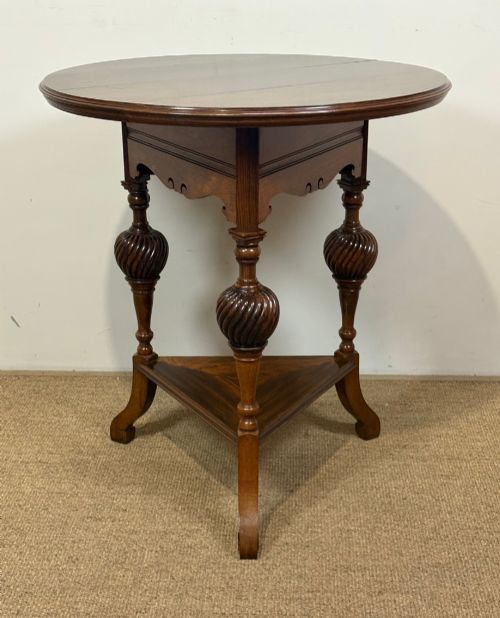
Three Legged Side Table
A three legged side table offers compact utility and sturdy balance, making it a versatile surface for tight corners and bedside use.
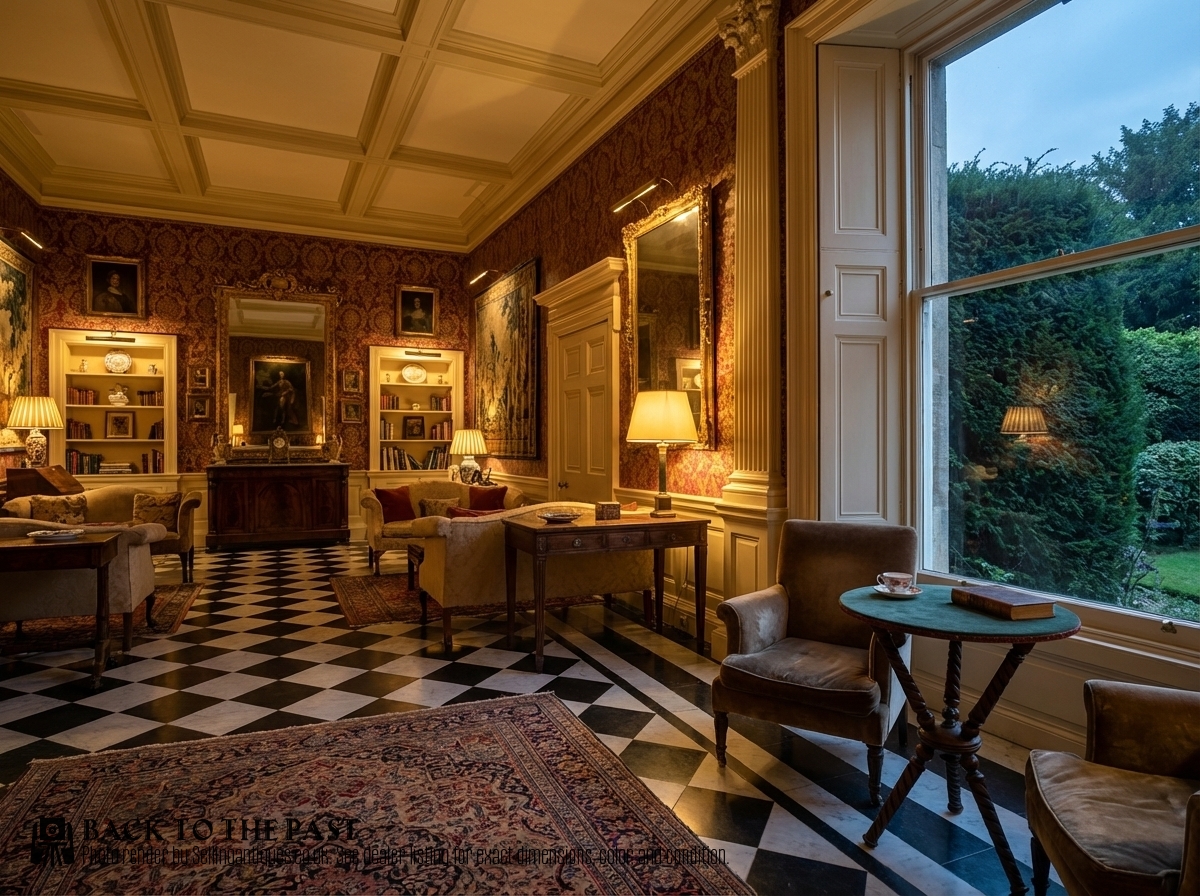
Materials and Construction
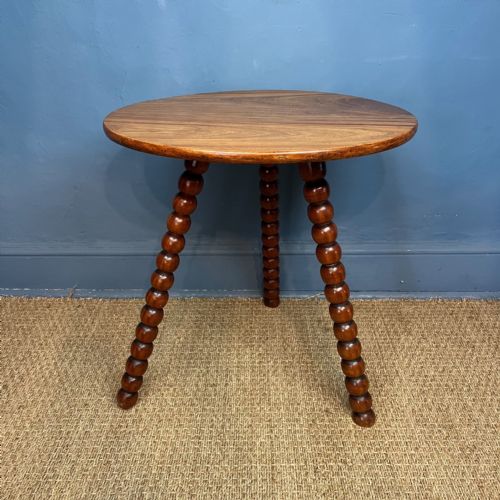
Cabinet makers utilised solid timbers such as oak, mahogany, walnut, elm, and ash, frequently employing turnery for the legs and uprights. Tops were fashioned from single boards or joined planks, sometimes enhanced with marquetry or brass fittings.
Joinery techniques relied heavily on pegged tenons, dovetails, and sturdy three-point leg attachments that kept the table firm without rocking. Surfaces were finished with traditional polishing methods that preserved the natural grain and colour of the wood.
Evaluating Construction and Materials
Quality rests upon the selection of timber and the integrity of the three-point joint construction between the legs and the top. Superior examples display dense, well-figured grain, crisp hand-carving, and original structural timbers without excessive replacement.
Proportion and balance dictate the aesthetic success of the piece, separating utilitarian vernacular items from refined cabinet work. Fine finishing, such as patinated polish and subtle turnery details, elevates the standing of individual tables.
Three Legged Side Table Retail Price Guide 2026
Typical asking prices for three legged side table among the pieces listed under this phrase on Sellingantiques today, from the lower quarter to the upper quarter. They describe what is for sale here now, not the wider market.
Listings feature three legged side tables spanning the eighteenth, nineteenth, and early twentieth centuries in oak, mahogany, walnut, and pine.
EW Godwin·Liberty of London
The Three Legged Side Table Glossary
- Cricket table
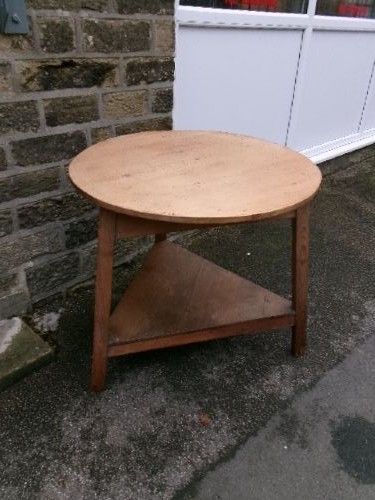
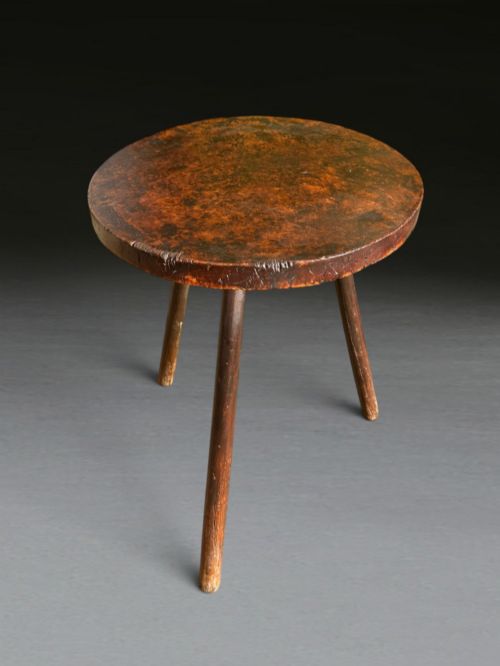
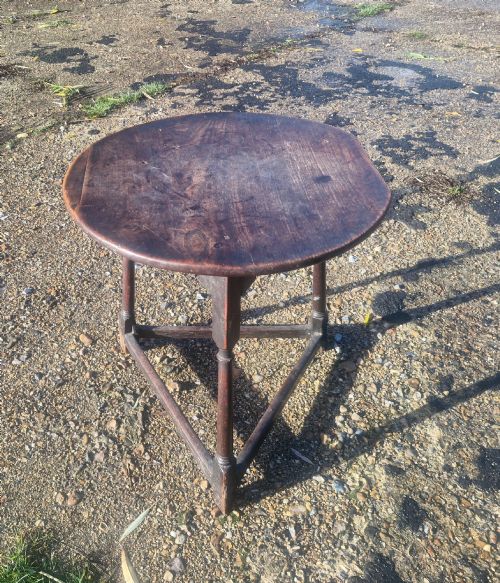
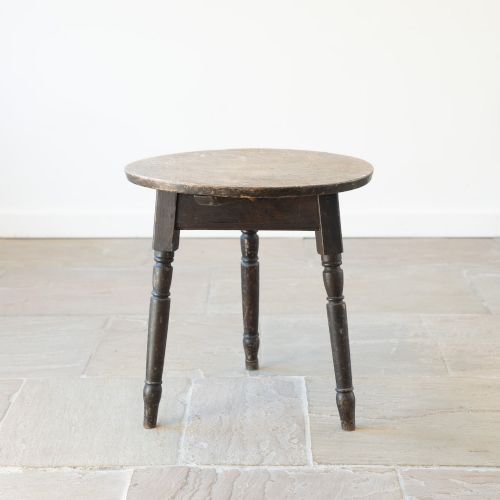
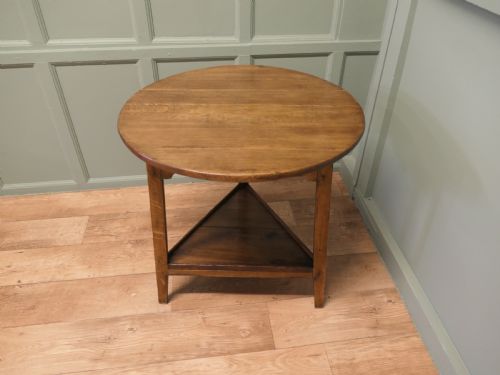
- An early form of three-legged occasional table, typically constructed in oak with a round wooden top. This traditional design provided steady placement on flagstone floors in domestic settings.
- Lowboy
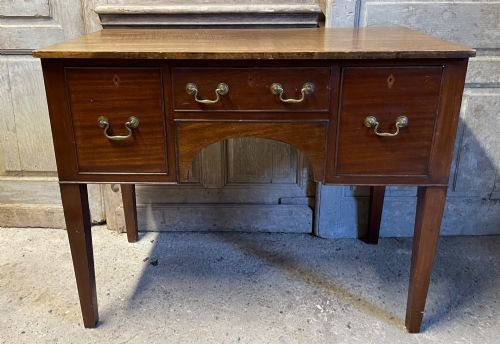
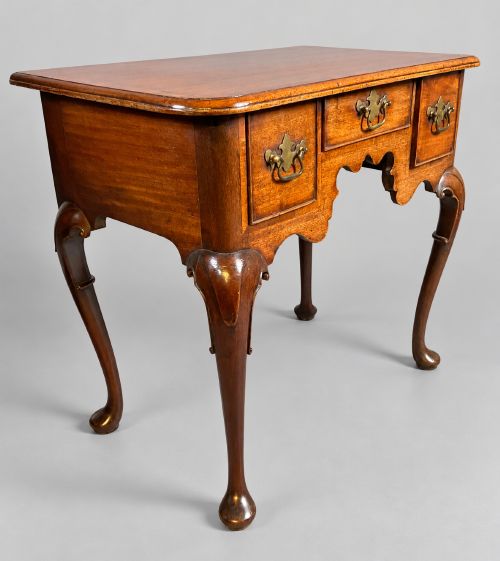
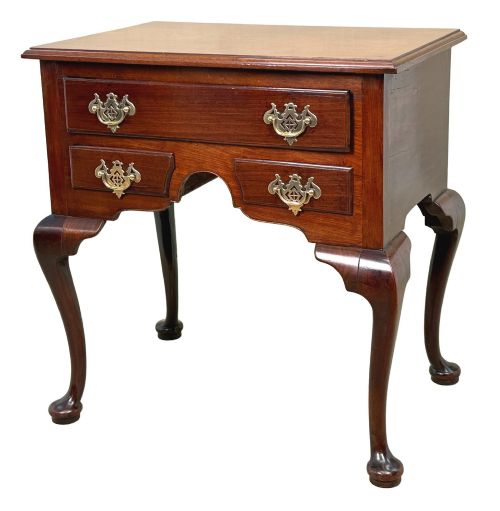
- A small table with drawers, often supported on four or three legs, used as a dressing or side table during the Georgian period. Fine examples showcase shaped aprons and cabriole legs.
- Tilt top
- A table mechanism allowing the surface to pivot vertically when not in use, saving floor space in smaller rooms. This engineering feature is frequently found on round lamp and wine tables.
- Trefoil top
- A table surface shaped in a three-lobed clover design, sometimes seen on Victorian occasional tables. This geometric arrangement complements the three-legged support structure underneath.
- Ebonised
- Wood treated with a dark finish to imitate expensive ebony, a technique popular during the Arts and Crafts and Victorian eras. This process highlights carved details and contrasting grain patterns.
Three Legged Side Table: Frequently Asked Questions
What is a cricket table?
A cricket table is a traditional three-legged small table, usually featuring a round wooden top and pegged joints. The three-leg design ensured the table remained stable on uneven farmhouse floors.
These pieces date largely from the eighteenth and nineteenth centuries, serving practical uses beside chairs or near firesides.
How do I place a three legged table?
The three-legged format naturally tucks into awkward corners, narrow hallways, or tight spaces beside armchairs. Because the legs splay outwards, they provide a stable footprint while occupying minimal floor area.
Use them to hold small lamps, plants, or books without crowding a room.
How can I tell a Georgian table from a Victorian one?
Georgian tables tend to feature restrained proportions, simpler turned legs, and solid timbers like oak or early mahogany. They focus on functional utility and clean structural lines.
Victorian pieces often introduce darker finishes, ebonised surfaces, applied carvings, or tilt-top mechanisms reflecting changing domestic fashions.
Are these tables sturdy?
The three-legged configuration inherently prevents rocking on uneven surfaces, as all three feet maintain contact with the floor simultaneously. This engineering makes them surprisingly stable despite their slender appearance.
Original pegged joinery further reinforces the frame against daily movement.