




Vintage Cricket Table
A vintage cricket table gives any corner character, offering sturdy three-legged utility rooted in centuries of vernacular British design.
Vintage Cricket Table
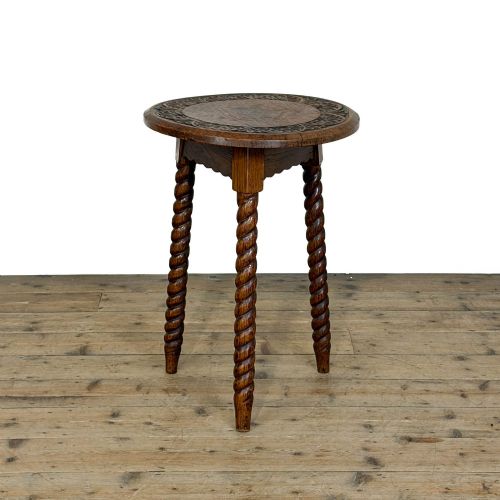
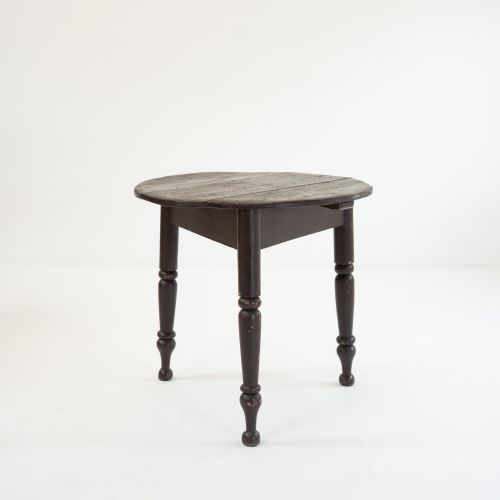
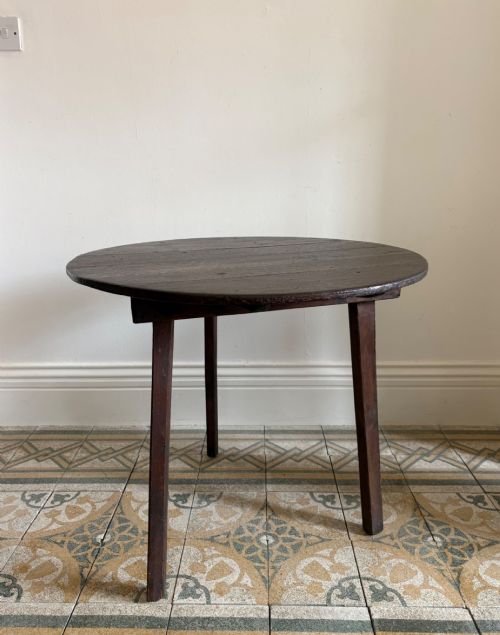
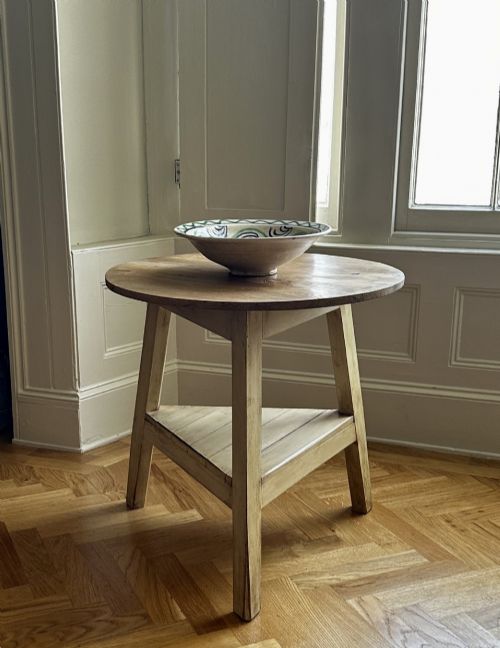
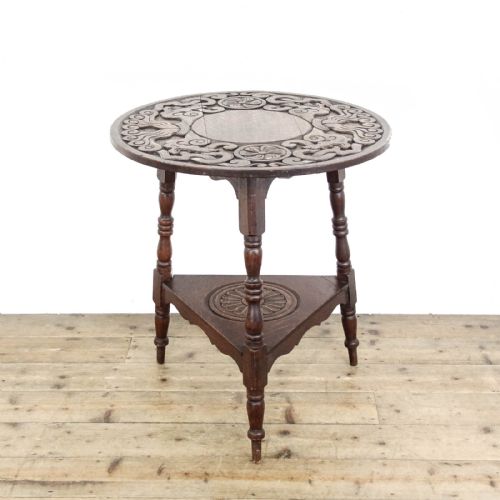
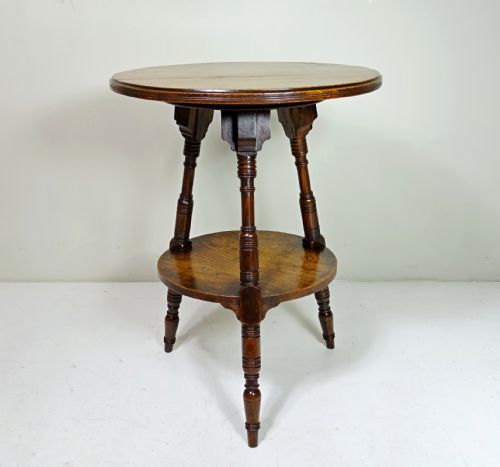
A vintage cricket table is a distinct round occasional piece defined by three splayed legs designed to stand steady on uneven flagstone floors. These tables appear in various forms on this page, spanning simple rustic pine and elm to heavier carved oak variants.
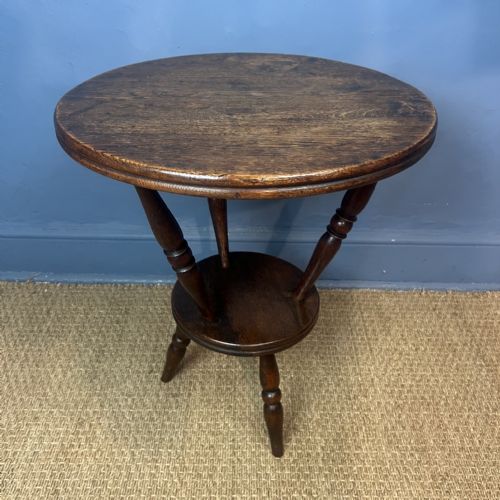
The origins of these pieces trace across several eras, with nineteenth-century examples appearing most frequently alongside earlier seventeenth-century forms and later revival pieces. Buyers encounter both plain utility surfaces and decorative interpretations featuring tiered shelving or carved tops.
Makers working within British vernacular traditions built these tables primarily as practical household furniture rather than formal parlour showpieces. Their circular tops and tripod frames make them adaptable side tables for modern interiors seeking functional historic charm.
How they were made
Carpenters constructed these tables using solid native timbers such as oak, pine, and elm, often combining different woods for the top and base. Plank tops joined to sturdy wooden underframes provide the core structural integrity expected in country furniture.
Surface finishes vary from natural weathered timber and bleached oak to historical layers of paint. Artisans occasionally applied carved detailing to the oak tops or incorporated metal structural elements during later revival periods.
What varies in quality
Quality rests in the harmony of proportions between the splayed tripod base and the solid timber top. Tables featuring substantial plank construction in elm or oak demonstrate greater durability than lighter utility pieces.
The presence of period surface treatments, whether original paint or well-patinated bleached timber, elevates the visual interest of a piece. Subtle details like carved oak work or unusual two-tier configurations separate standard examples from finer vernacular items.
The Vintage Cricket Table Glossary
- Cricket table
- A small round table supported by three splayed legs. This traditional form originated to provide stability on uneven floors.
- Tripod base
- A three-legged support structure. This arrangement ensures the table remains balanced without rocking on irregular surfaces.
- Plank top
- A table surface constructed from joined wooden boards. This method was standard in vernacular cabinet making before large sheet materials.
- Vernacular
- Everyday functional objects built by local craftspeople using regional traditions. These pieces reflect domestic utility rather than high court styles.
- Bleached oak
- Timber treated to lighten its natural dark tone. This finish creates a softer appearance while retaining the grain of the oak.
Vintage Cricket Table: Frequently Asked Questions
What is a cricket table used for?
These tables served as versatile everyday surfaces in historic homes, holding everything from domestic utensils to small dining items.
Today, buyers use them as compact side tables or occasional stands in living spaces and hallways.
Why do they have three legs?
Three legs guarantee that a table rests firmly on uneven flagstone or wooden floors without wobbling.
This practical design choice defines the entire category of tripod furniture.
How do I date a cricket table?
Dating relies on identifying the timber species, construction joints, and overall style cues such as turnings or carved decoration.
Nineteenth-century examples are common, while seventeenth-century pieces display heavier oak framing and distinct tool marks.
Are painted finishes original?
Many utility tables received coats of paint during their working lives to protect the pine or elm timber underneath.
Evaluating the age of the paint layer helps determine whether the finish dates to the period of manufacture or a later refurbishment.