


Country Oak Tripod Table
Country oak tripod table examples unite sturdy vernacular utility with three-legged balance, offering robust surfaces shaped by generations of rural use.
Country Oak Tripod Table
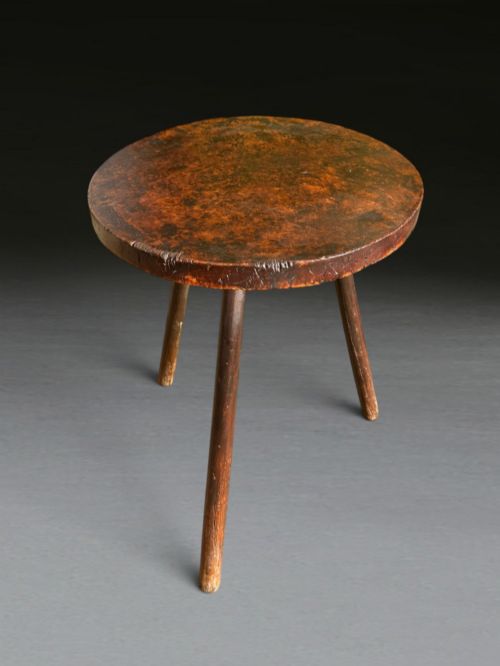
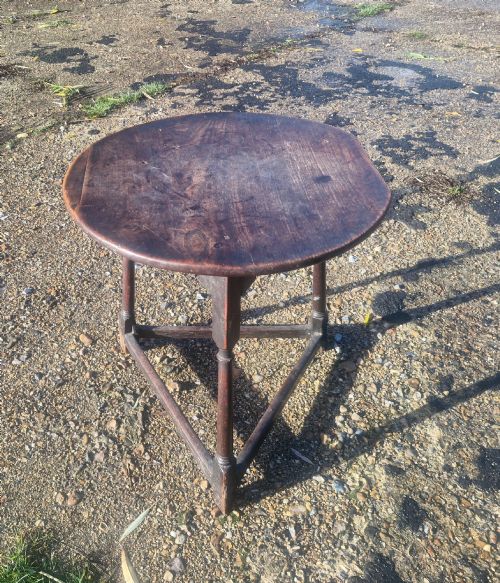
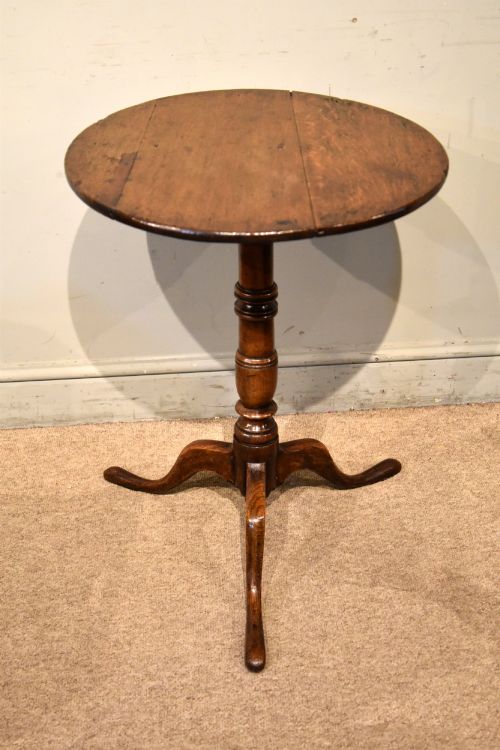
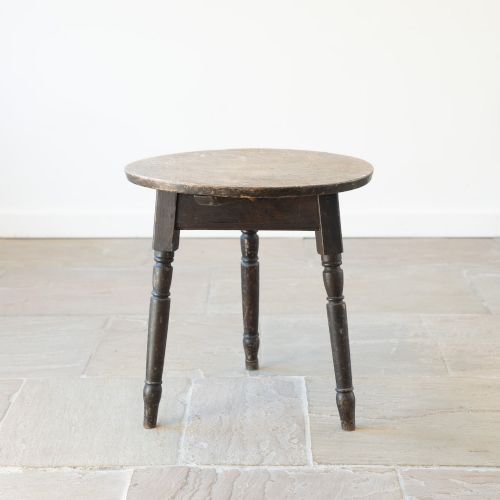
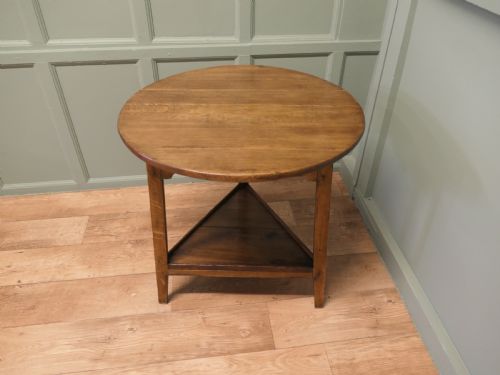
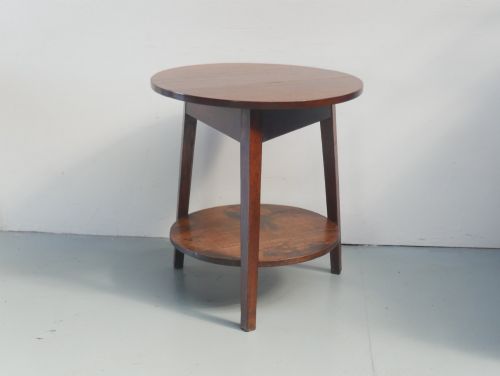
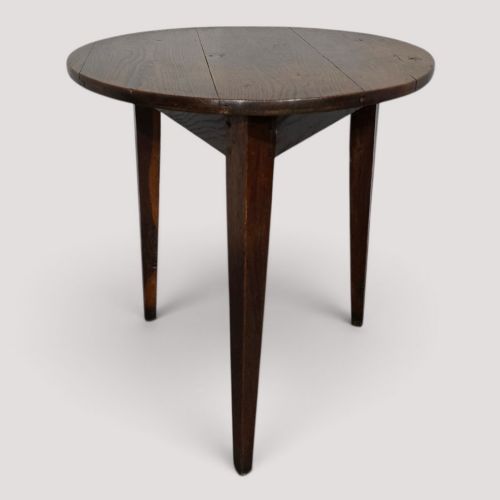
A country oak tripod table provides a compact, stable surface supported by three legs, frequently appearing in forms like the cricket table with its characteristic under-tier or triangular arrangement. Buyers seeking this search phrase encounter pieces originating predominantly from the eighteenth century, alongside later nineteenth-century interpretations sharing vernacular regional traits.
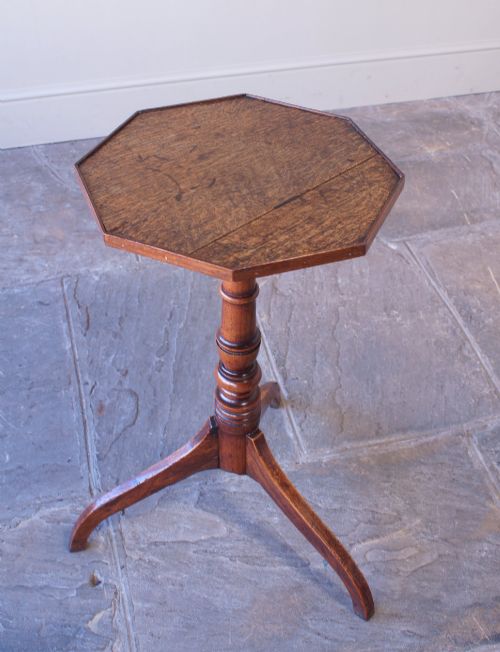
Makers working within English, Welsh, and Scottish traditions constructed these pieces for everyday domestic tasks, resulting in circular, trefoil, or occasionally octagonal tops. Many examples combine solid oak tops with complementary timbers such as elm, fruitwood, or pine bases, reflecting the practical sourcing habits of provincial cabinetmakers.
Materials and Construction Techniques
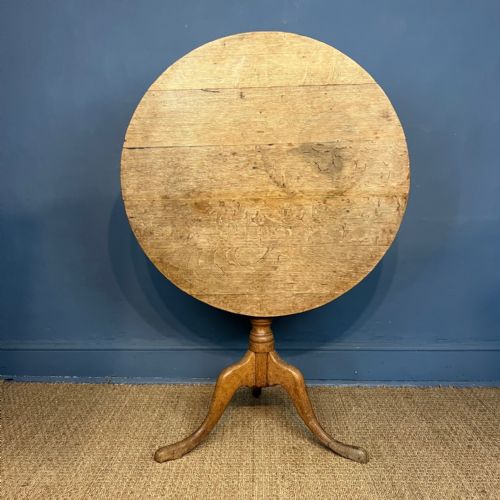
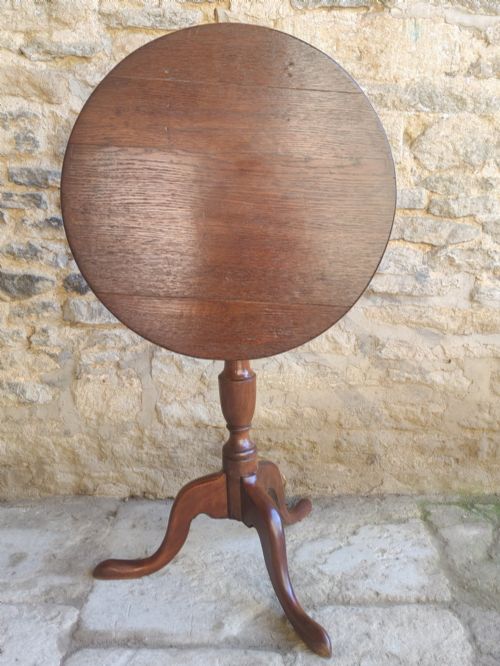
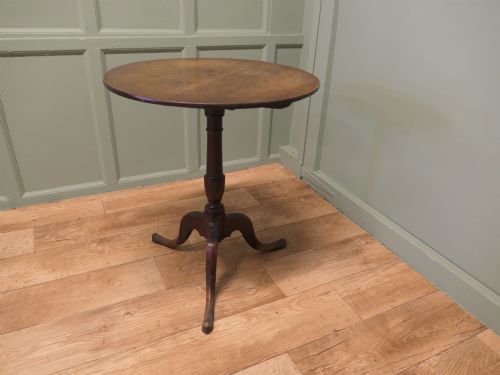
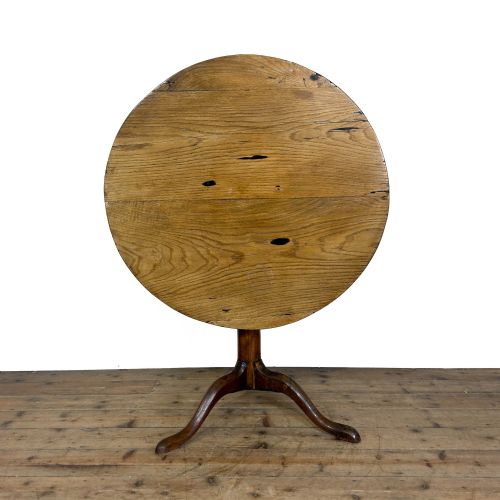
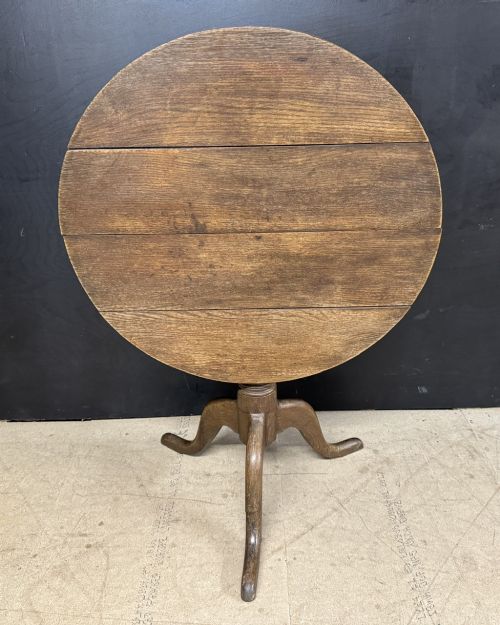
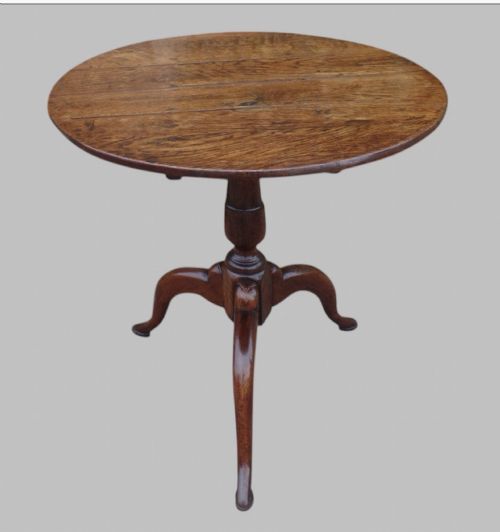
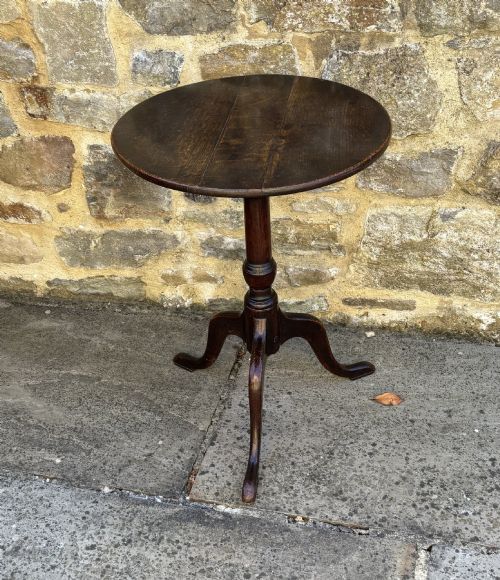
Provincial joiners relied heavily on solid oak for durability, often pairing plank or quarter-sawn tops with turned columns and three splayed legs tenoned directly into the central pillar or base block. Where tilt-top mechanisms appear, simple wooden catches or brass latches allow the surface to pivot upright for storage against a wall.
Secondary timbers like elm, fruitwood, and ash frequently form the legs and stretchers of cricket tables, providing the necessary tensile strength to resist daily wear. Surfaces show the marks of hand planes and pit-saws, while pegged joints secure the framework without reliance on modern metal fasteners.
Country Oak Tripod Table Retail Price Guide 2026
Typical asking prices for country oak tripod table among the pieces listed under this phrase on Sellingantiques today, from the lower quarter to the upper quarter. They describe what is for sale here now, not the wider market.
Listings feature oak, elm, fruitwood, and pine across eighteenth and nineteenth-century periods, spanning Georgian and vernacular regional styles.
Assessing Quality and Proportion
Quality rests primarily in the harmony of proportion between the diameter of the top and the slender grace of the central column and splayed legs. Tables retaining original tilt mechanisms, uncompromised block attachments, and genuine surface patination command greater appreciation than those altered by later repairs or shortened legs.
The choice of timber grain also dictates distinction, with well-figured quarter-sawn oak or contrasting fruitwood elements elevating simple utilitarian forms into sophisticated expressions of regional craftsmanship.
The Country Oak Tripod Table Glossary
- Cricket table
- A small three-legged vernacular table featuring a circular top and a triangular under-tier formed by three stretcher rails. The design derives its stability on uneven floors from the three-point contact of its legs.
- Tilt-top table
- A table equipped with a hinged mechanism allowing the top to pivot into a vertical position when not in use. This clever space-saving feature was popular in eighteenth-century dining and parlour settings.
- Vernacular furniture
- Items made by local craftsmen for everyday domestic or agricultural use rather than high-style urban commissions. These pieces prioritize local materials and practical function over academic design rules.
- Quarter-sawn
- A method of timber cutting where logs are quartered radially, producing boards with characteristic medullary ray figuring. This technique minimises warping and showcases the grain prominently.
- Tripod base
- A support structure comprising three legs radiating from a central turned column. It offers inherent stability on flagstone or uneven floors common in older rural dwellings.
Country Oak Tripod Table: Frequently Asked Questions
What is a cricket table?
A cricket table is a specific three-legged occasional table, typically featuring a round wooden top supported by three splayed legs joined by low stretchers. This simple yet effective construction kept the table steady on uneven floors.
Such tables earned their name from their frequent use in rural settings, though some historians suggest the three legs resemble the stumps of a cricket wicket.
How do I date an oak tripod table?
Dating relies on observing construction marks, timber choice, and leg turning styles, comparing them against documented eighteenth and nineteenth-century examples. Hand-cut peg joints, pegged tenons, and signs of pit-sawing usually indicate earlier periods.
Later Victorian interpretations often display heavier proportions and machine-assisted turning. Examining the underside reveals the tool marks and structural evolution characteristic of specific decades.
Where were these tables used?
These tables served multiple purposes in rural households, farmhouses, and country inns as functional surfaces for drinking, dining, or game playing. Their compact footprint made them easy to move near a hearth or window as daylight shifted.
Tilt-top variants allowed households to clear floor space quickly in smaller rooms by resting the pivoted surface flat against the wall.
Are these tables sturdy?
The three-legged design ensures natural stability on uneven flagstone or wooden floors without wobbling. Solid oak and elm construction provides considerable strength despite the light visual appearance of slender columns.
Proper maintenance involves placing them away from direct heat sources to prevent timber shrinkage and checking that leg tenons remain secure within the central block.