

Antique Oak Tea Table
An antique oak tea table brings honest vernacular warmth into a room, serving drinks or display with centuries of practical English history behind it.
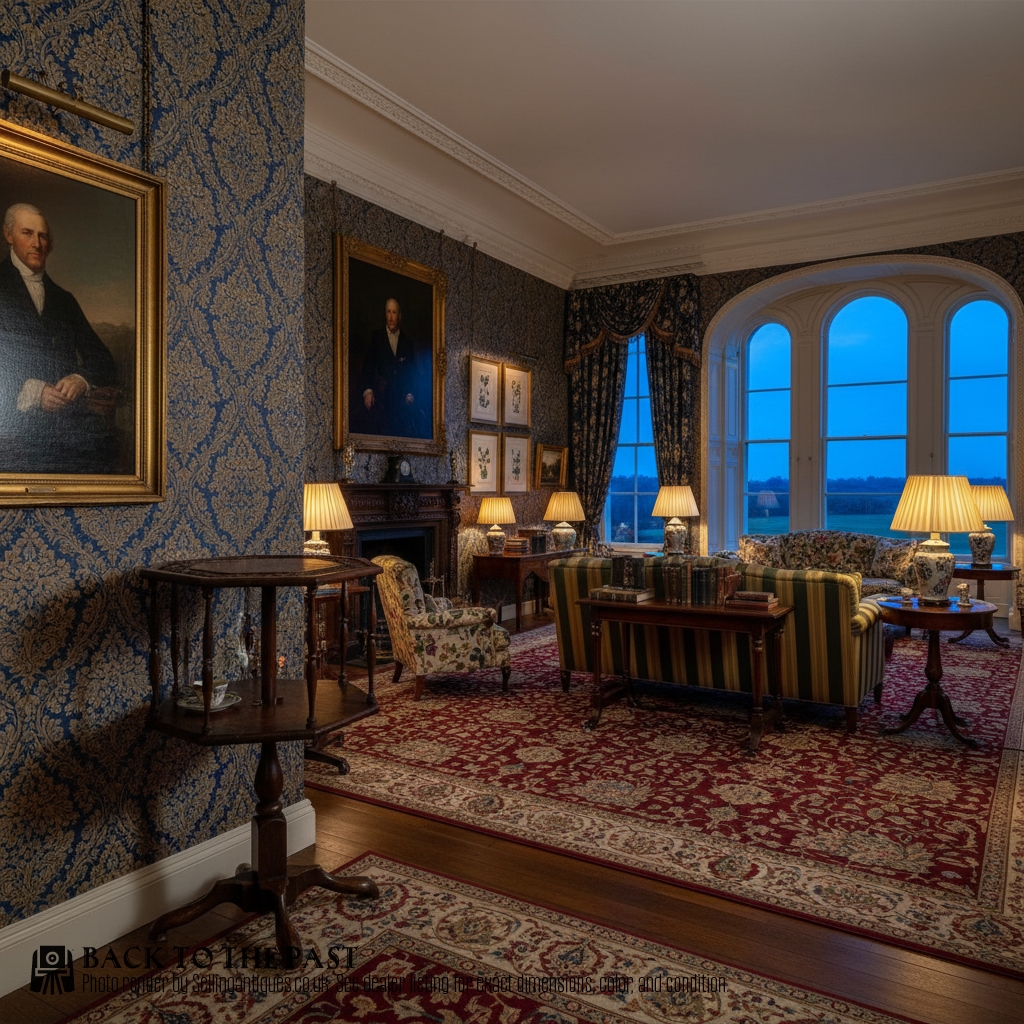
Antique Oak Tea Table
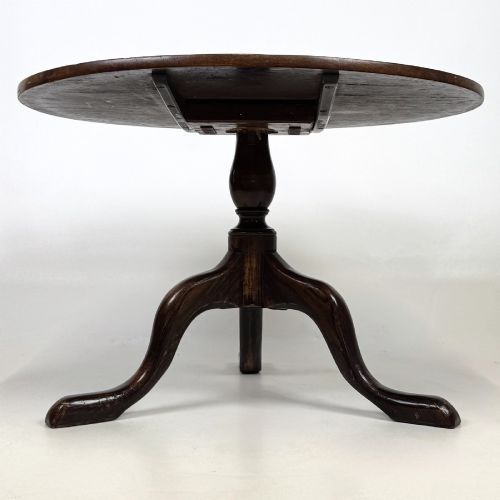
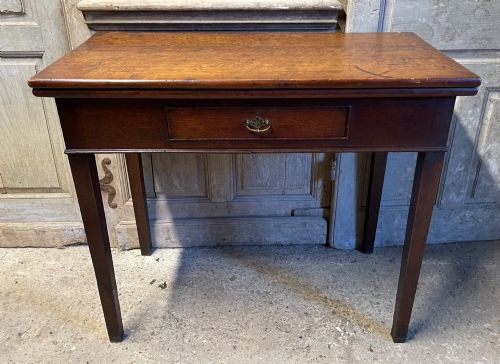
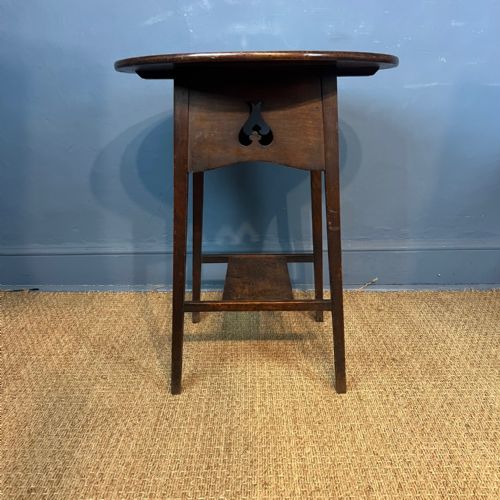
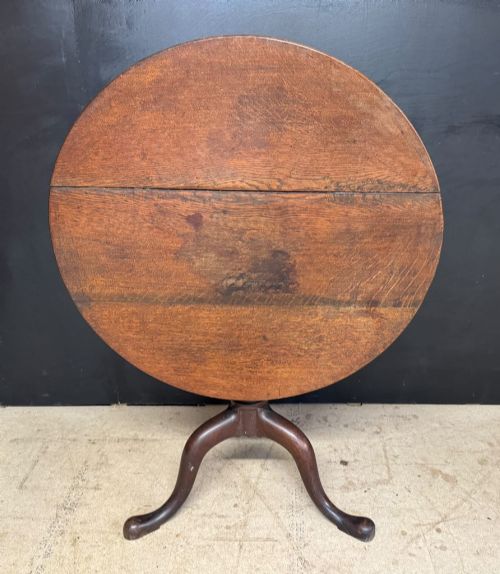
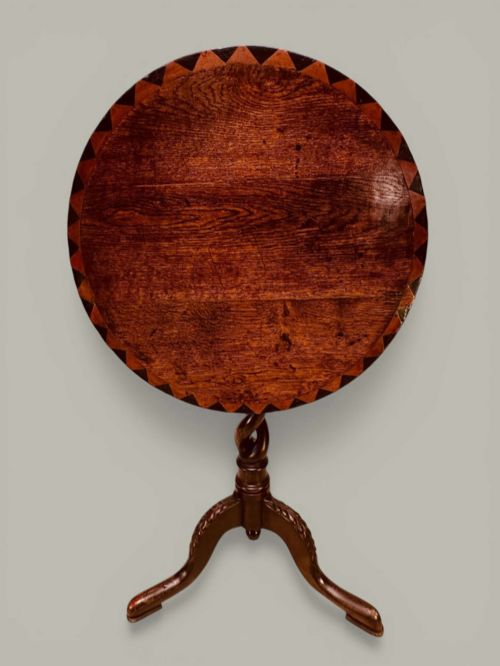
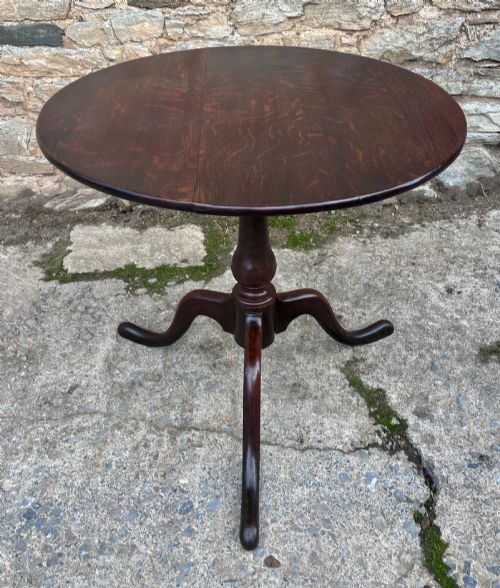
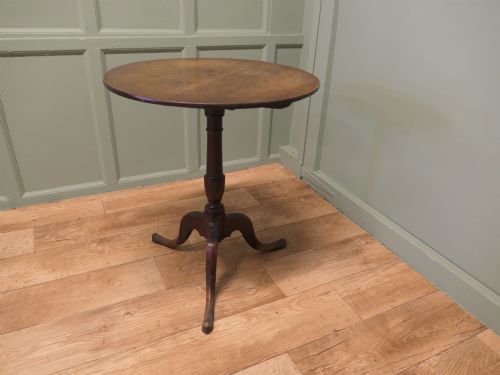
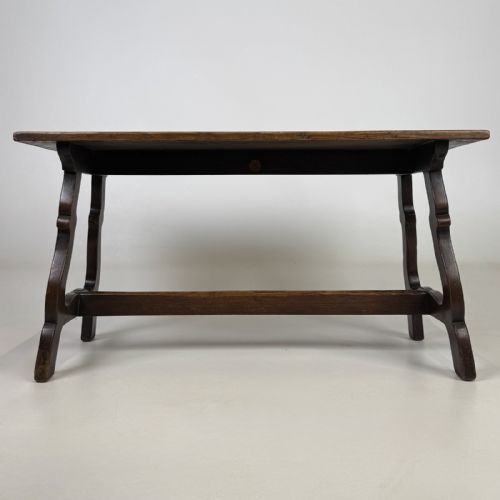
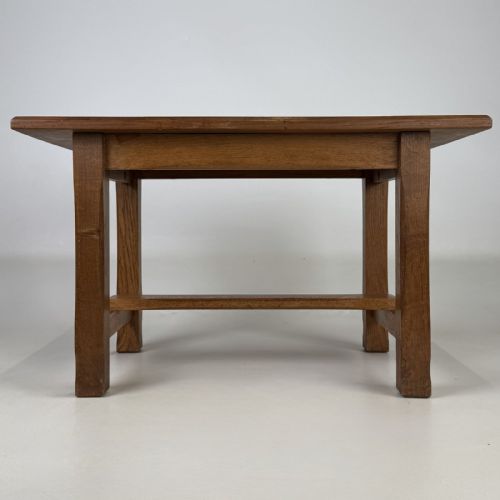
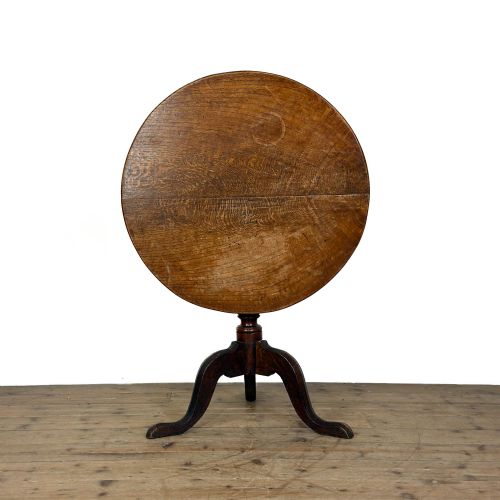
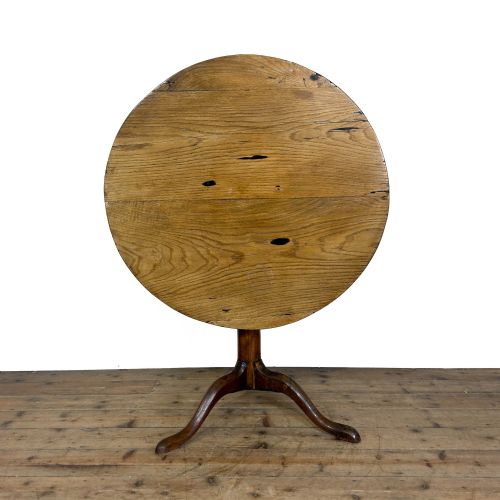
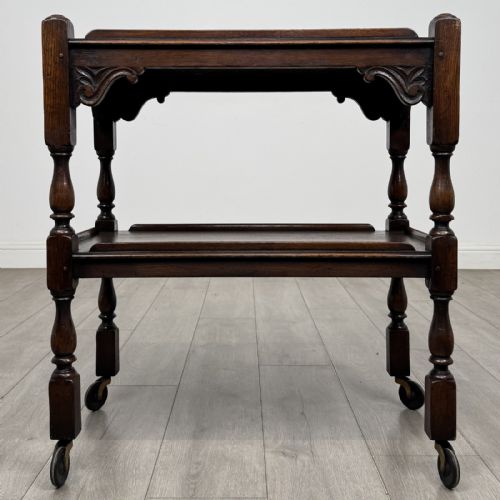
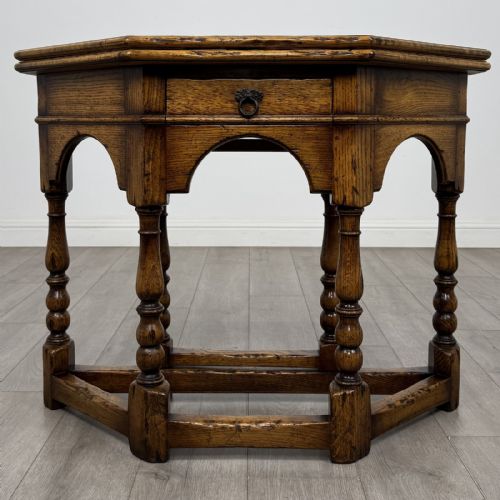
An antique oak tea table encompasses both the formal fold-over gaming or tea surfaces of the Georgian period and the sturdy tripod tilt-top tables designed for domestic use. Buyers will encounter 18th-century vernacular pieces alongside later Edwardian serving trolleys and occasional tables.
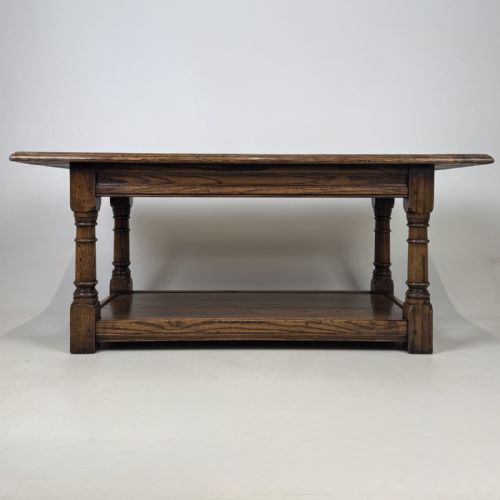
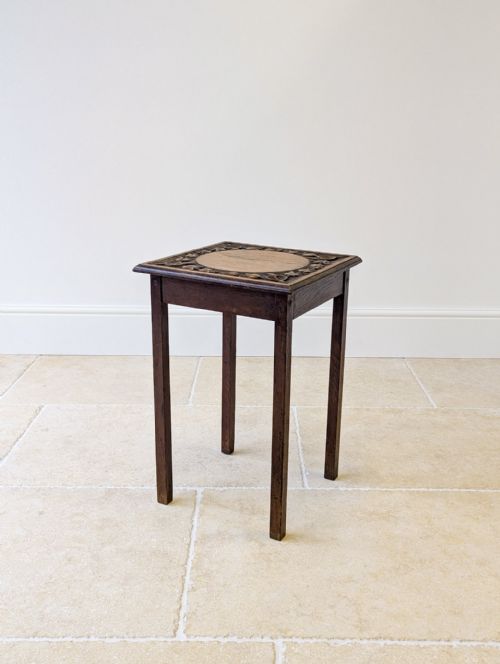
The domestic archive shows a clear lineage from Georgian tripod and fold-over tables to later Edwardian tea trolleys and smaller coffee tables. Simpler country iterations often utilise fruitwood, chestnut or beech alongside the primary timber.
The form adapts across eras from candlelit parlours to Edwardian drawing rooms, remaining a versatile surface for daily household hospitality.
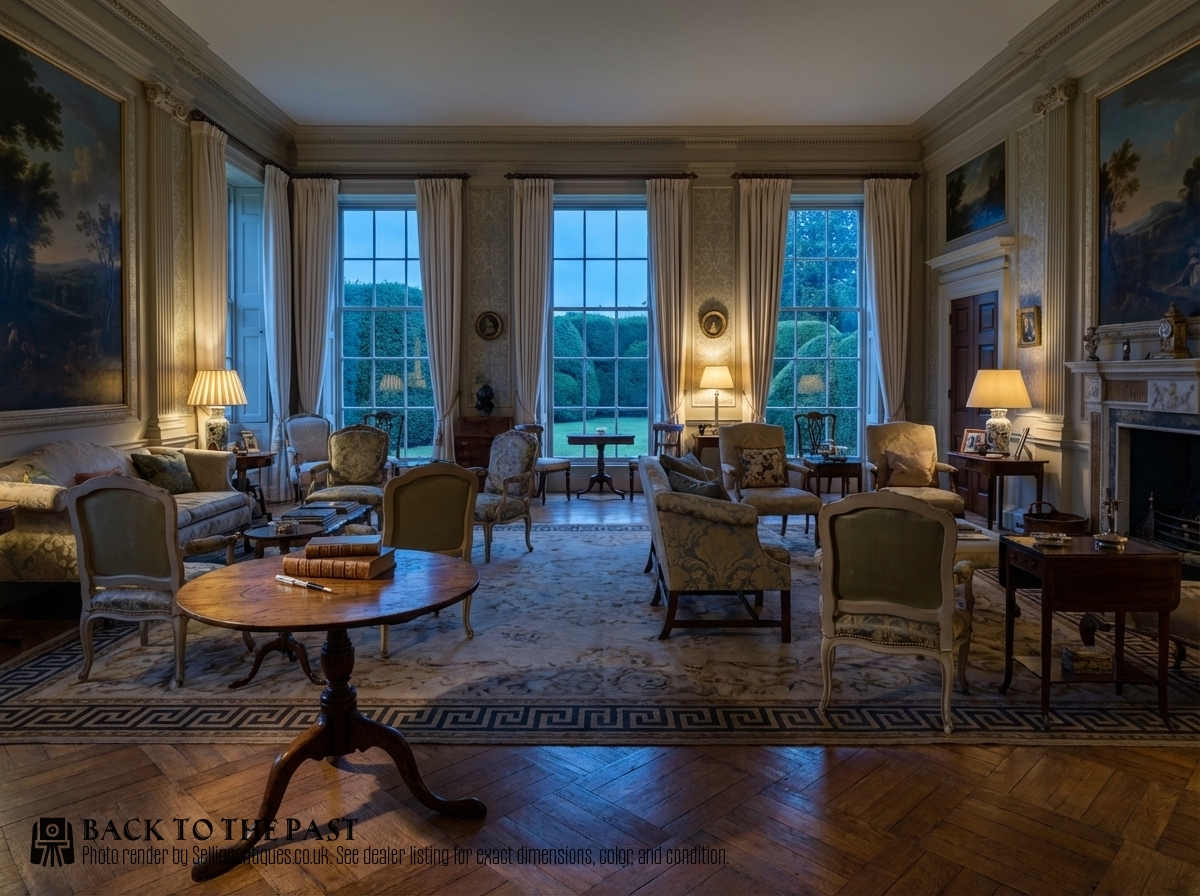
How they were made
Timbers are selected for grain and resilience, relying heavily on solid oak, burr oak and pollard oak, supplemented occasionally by chestnut, fruitwood and beech. Cabinetmakers shaped these woods using traditional joinery, turning pedestals on lathes and carving surface details by hand.
Metal components such as brass hinges, castors and silver-plated fittings are integrated into the heavier wooden frames, particularly on later trolleys and tilt-top mechanisms. Decorative elements range from simple turned legs and barley twists to Arts and Crafts tile inserts.
Antique Oak Tea Table Retail Price Guide 2026
Typical asking prices for oak tea table among the pieces listed under this phrase on Sellingantiques today, from the lower quarter to the upper quarter. They describe what is for sale here now, not the wider market.
What varies in quality
The refinement of the timber selection dictates much of the distinction, separating plain quarter-sawn boards from richly figured pollard or burr oak surfaces. Construction methods also separate standard production items from bespoke pieces with hand-carved detailing and well-fitted tilt mechanisms.
Proportion and the integrity of the original joints govern the structural success of each table, with superior examples retaining their original brass hardware and unaltered pedestals.
Betty Joel·Liberty's
The Antique Oak Tea Table Glossary
- Tilt top
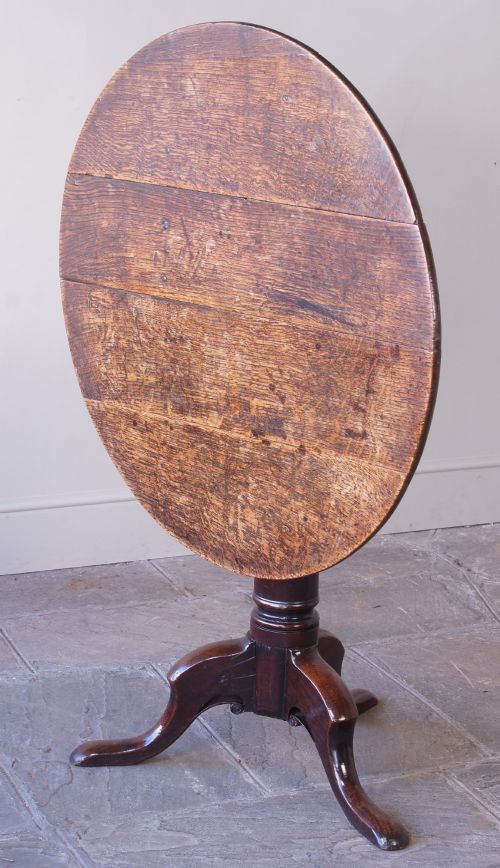
- A table mechanism allowing the circular surface to pivot vertically on its base when not in use. This clever space-saving design let smaller rooms double as living and dining areas.
- Tripod table
- A freestanding small table supported by a central pillar resting on three legs. Originating in the mid-18th century, it offered great stability on uneven floors.
- Pollard oak
- Timber taken from trees that were pollunted or pruned close to the trunk, producing a dense, highly swirled grain pattern. It was favoured by cabinetmakers for decorative veneering and tabletops.
- Cricket table
- A small, three-legged occasional table with a round top, traditionally associated with early English country houses. The three legs ensured the table stayed level on flagged floors.
- Barley twist
- A type of woodturning resembling a spiralling rope, popular in Jacobean furniture and revived during the Edwardian era. It added sculptural texture to table legs and upright supports.
Antique Oak Tea Table: Frequently Asked Questions
How do I use an antique tea table today?
These tables adapt easily to modern rooms as lamp stands, bedside surfaces or compact side tables. Their modest footprints make them practical for holding drinks or displaying books.
Fold-over versions provide an expandable surface when entertaining guests, while trolleys offer mobile storage for glassware and bottles.
How do I tell an 18th-century table from a later copy?
Examine the underside and the joints for the tool marks and construction methods of the period. Hand-cut peg joints, timber shrinkage and authentic wear patterns indicate genuine age.
Later Edwardian and revival pieces often display machine-cut components, standardised screws and cleaner internal surfaces that lack centuries of patination.
How do I care for antique oak surfaces?
Keep wooden furniture away from direct heat sources and drastic humidity changes to prevent the timber from splitting. Regular dusting with a soft, dry cloth preserves the finish.
Feed the oak occasionally with traditional beeswax to maintain the natural lustre and protect the grain without building up synthetic residues.