

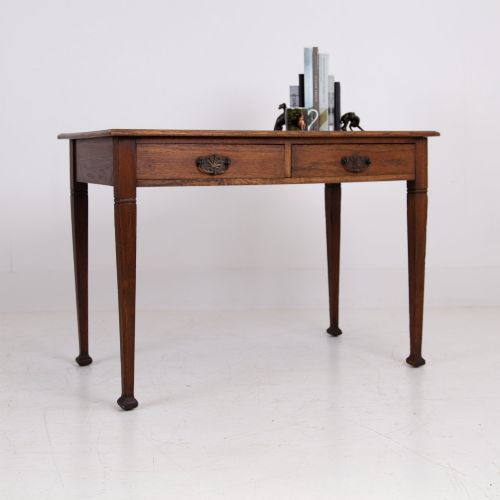
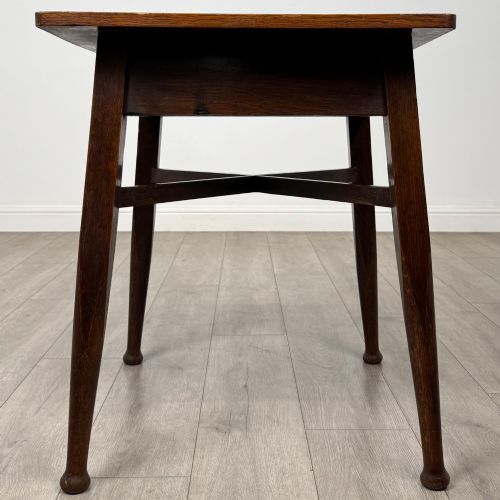
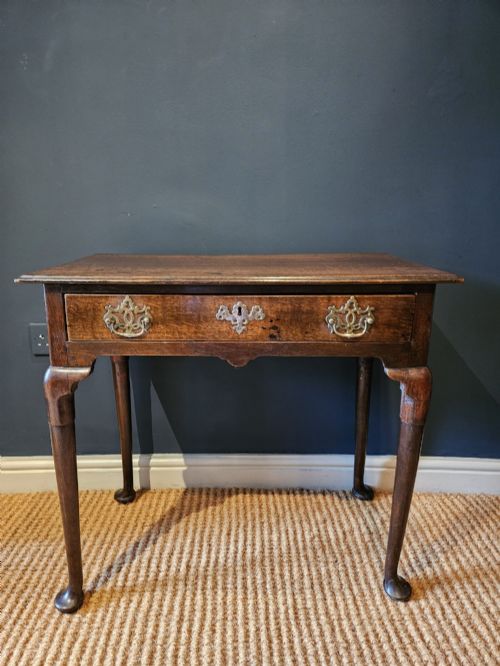
Vintage Oak Hall Table
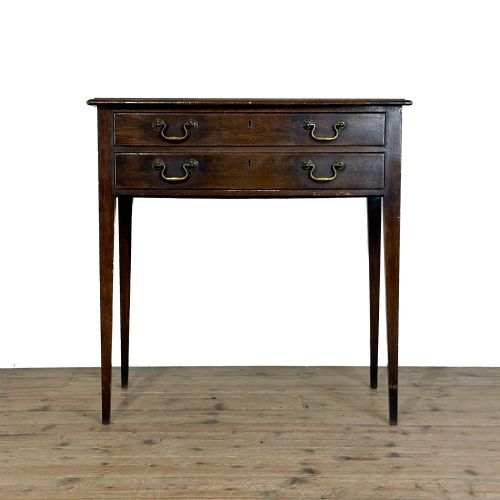
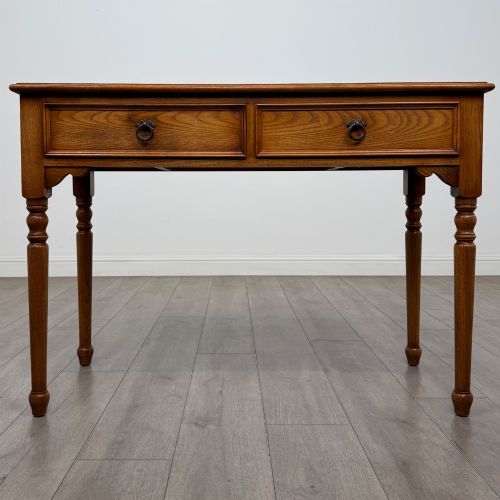
A vintage oak hall table offers a sturdy, handsome surface for an entryway, spanning utilitarian desks to carved Edwardian side tables.
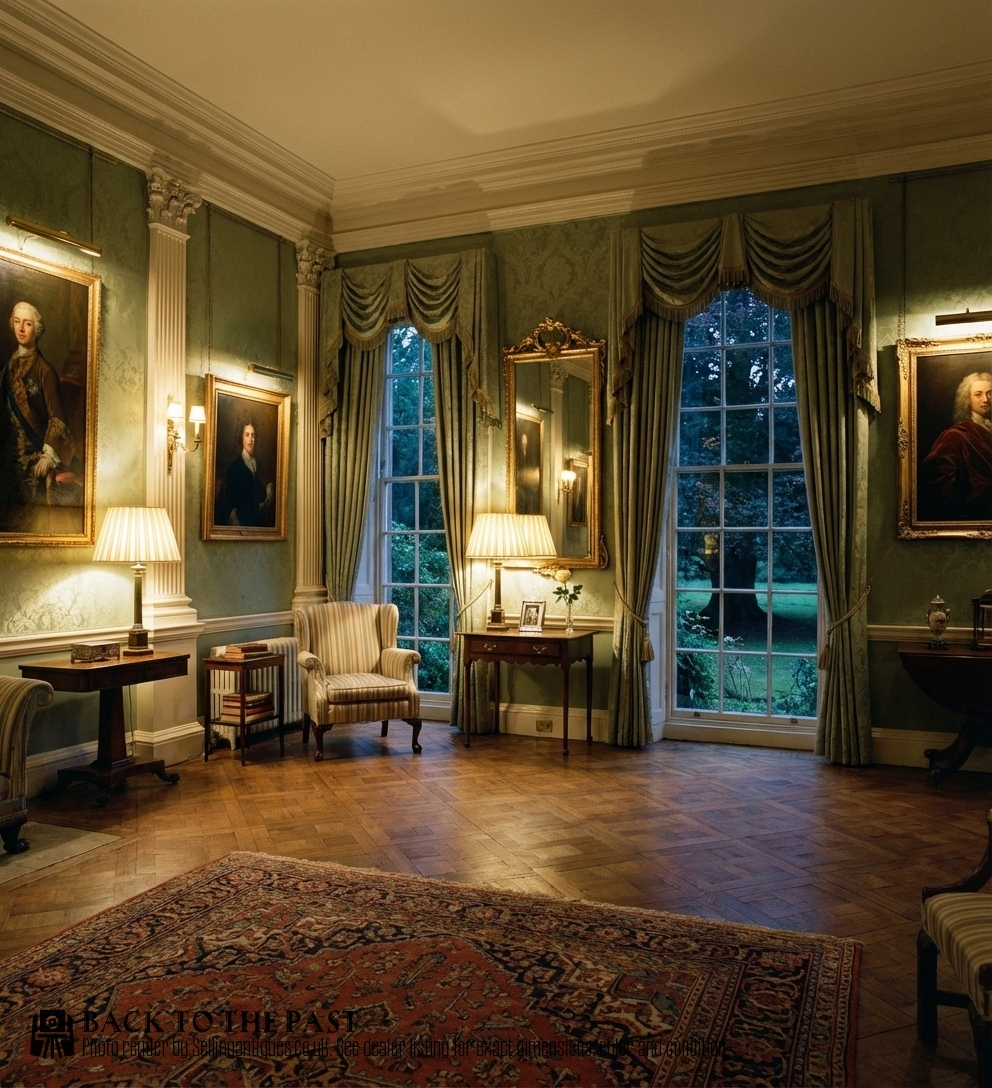
Vintage Oak Hall Table
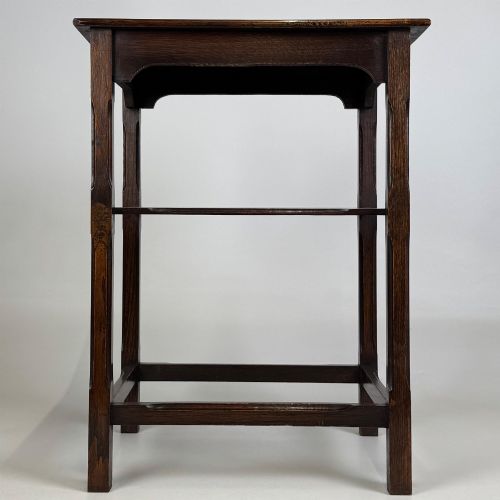
When a buyer searches for a vintage oak hall table, they encounter a practical piece designed for narrow corridors and entranceways. These items span side tables, console tables, desks, and small benches produced across several decades.
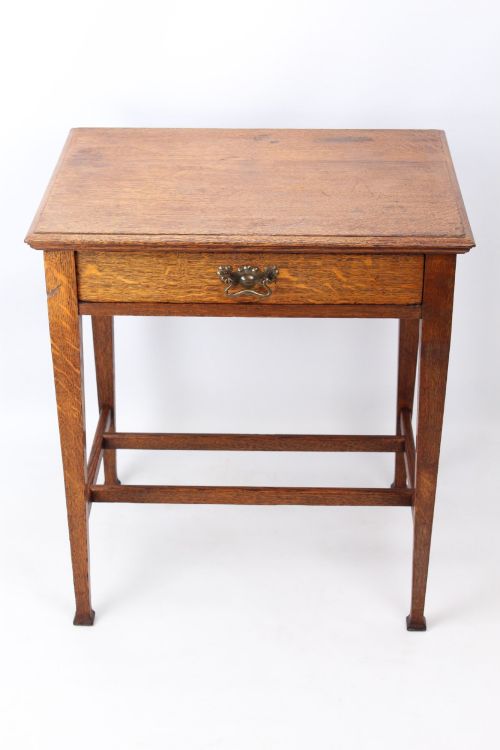
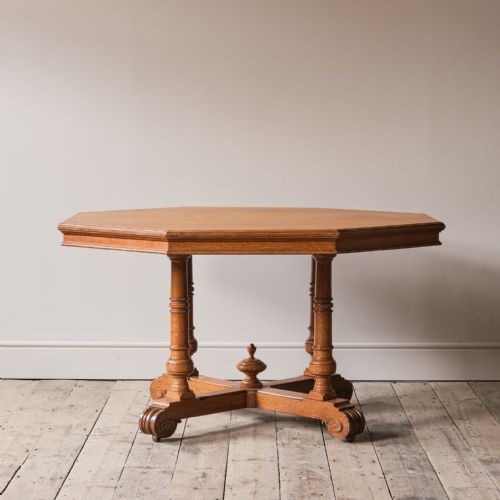
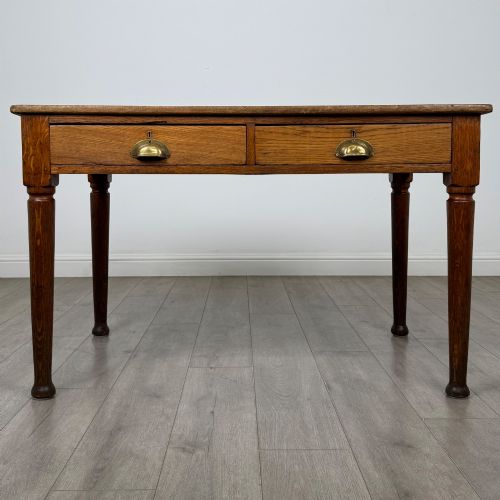
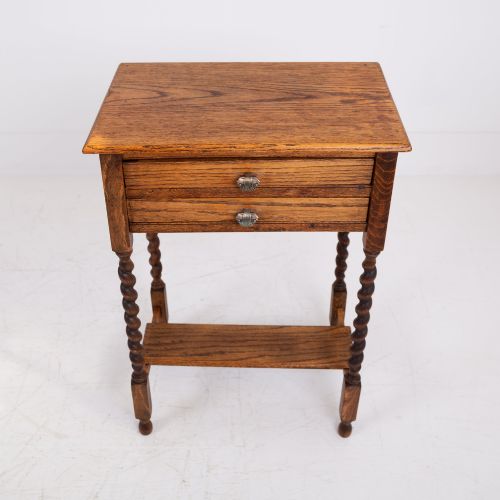
The version most commonly met on this page is the Edwardian or 1920s side table in oak, often featuring one or two drawers. Pieces from the Victorian period and earlier Georgian eras also appear, alongside Jacobean Revival and Arts and Crafts examples.
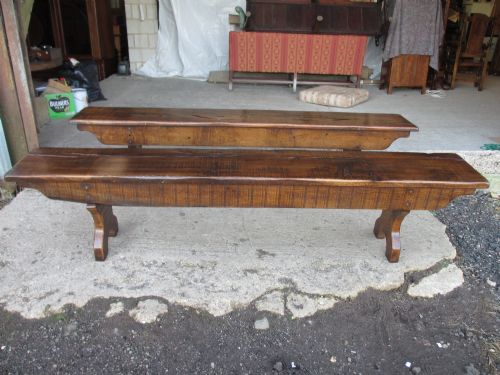
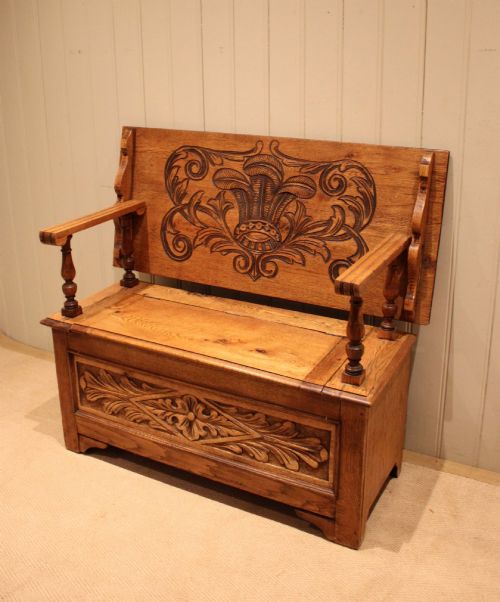
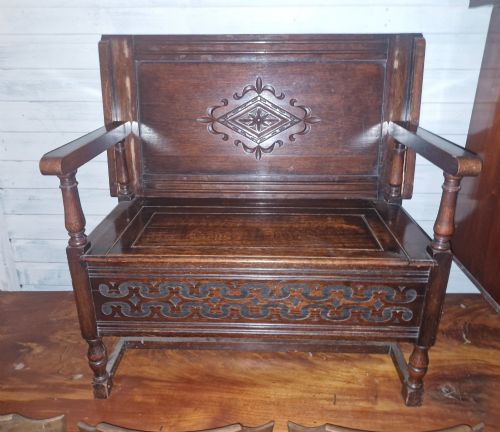
Forms extend beyond simple tables to include dresser bases, monks benches, and hall seats with lift-up lids. Dimensions vary from narrow side pieces to long serving tables.
Materials and Construction
The primary material across these listings is solid oak, sometimes highlighted with golden tones or painted finishes. Subsidiary materials such as brass, metal, and iron appear in hardware, handles, and structural elements.
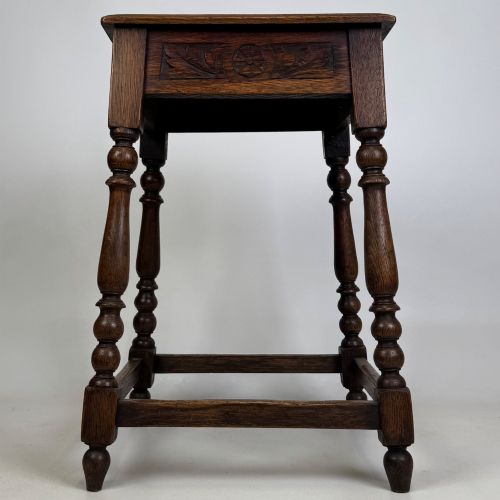
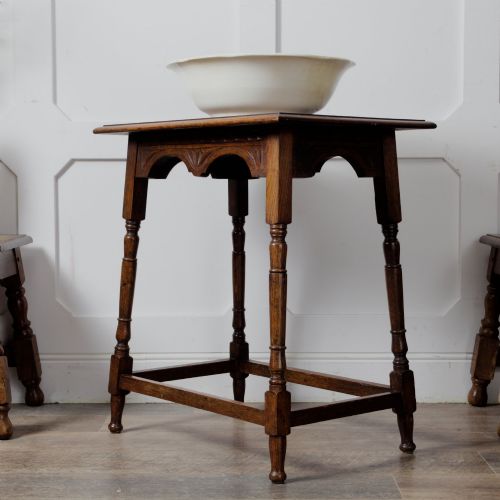
Joinery methods rely on traditional cabinet-making techniques suited to durable hardwoods. Carving, shaped trestle ends, and applied mouldings define the decorative vocabulary of Jacobean Revival and Arts and Crafts pieces.
Vintage Oak Hall Table Retail Price Guide 2026
Typical asking prices for vintage oak hall table among the pieces listed under this phrase on Sellingantiques today, from the lower quarter to the upper quarter. They describe what is for sale here now, not the wider market.
A sewing machine table sneaks into the oak lineup, proving industrial utility occasionally gatecrashes the hallway.
Judging Quality and Character
Quality separates pieces through the crispness of hand-carving and the depth of the golden oak grain. Superior examples display thoughtful proportions and substantial timber thickness rather than thin veneers.
The integrity of the construction, from smooth-running drawers to stable legs, determines the longevity of the furniture. Finer items retain original brass or iron hardware and unblemished polished surfaces.
Beresford & Hicks London
The Vintage Oak Hall Table Glossary
- Jacobean Revival
- A nineteenth and twentieth-century style imitating seventeenth-century English furniture. It uses heavy turnings, deep carving, and dark polished oak.
- Dresser Base
- A low, heavy sideboard or serving table fitted with drawers and cupboards. They provide substantial storage in hallways and dining spaces.
- Monks Bench
- A multifunctional piece of furniture featuring a folding top that converts a seat into a table. It is typically constructed from solid oak with carved panels.
- Console Table
- A slim table designed to stand flat against a wall. They suit narrow entrance halls where floor space is limited.
Vintage Oak Hall Table: Frequently Asked Questions
What is a vintage oak hall table used for?
These tables provide a convenient surface in an entranceway for post, keys, and decorative items. Drawers offer concealed storage for household sundries.
Larger variations accommodate lamps or serving functions in corridors and reception rooms.
How do I date an oak hall table?
Dating relies on stylistic clues, hardware, and construction methods visible in the piece. Edwardian and 1920s items often display lighter oak and subtle Jacobean Revival carving.
Victorian and earlier nineteenth-century examples tend to feature heavier proportions and darker finishes. Comparing timber thickness and drawer joints helps narrow the decade of manufacture.
Are these tables made of solid oak?
Many listings specify solid oak or golden solid oak across their construction. Subsidiary woods may appear internally in drawer linings or secondary framing.
Grain patterns and surface textures distinguish solid timber from later veneered alternatives.
How do I care for vintage oak furniture?
Routine maintenance involves dusting with a dry, soft cloth to prevent grit accumulation. Avoiding direct sunlight and extreme heat sources protects the polished finish from cracking.
Applying a traditional beeswax occasionally nourishes the oak and preserves its lustre.