


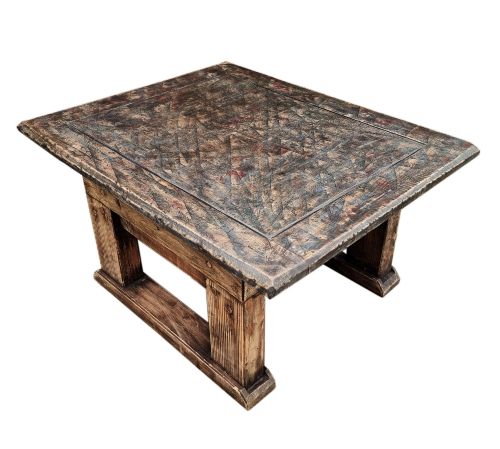

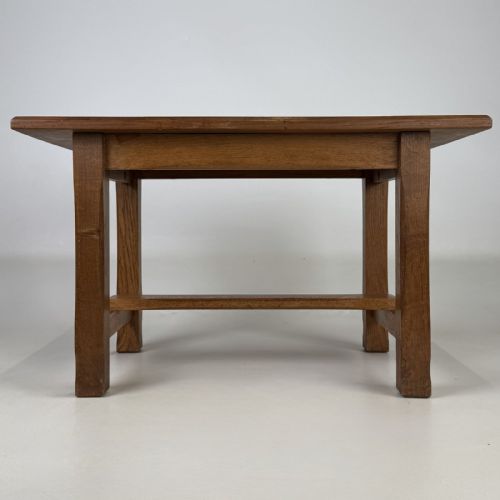
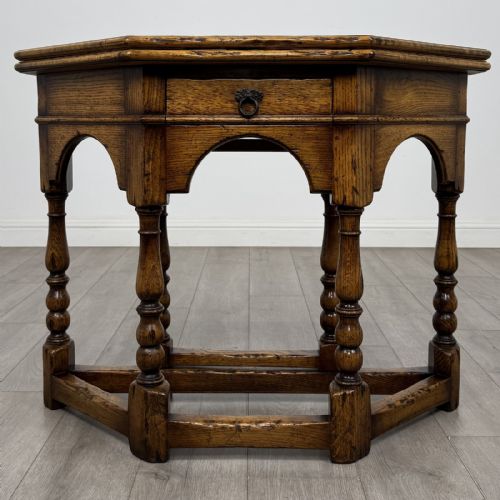
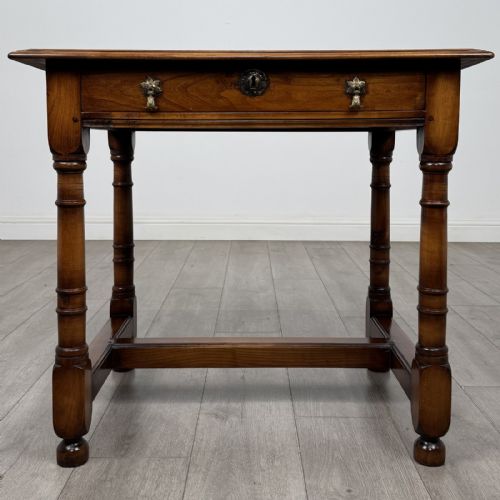


20th Century Side Table
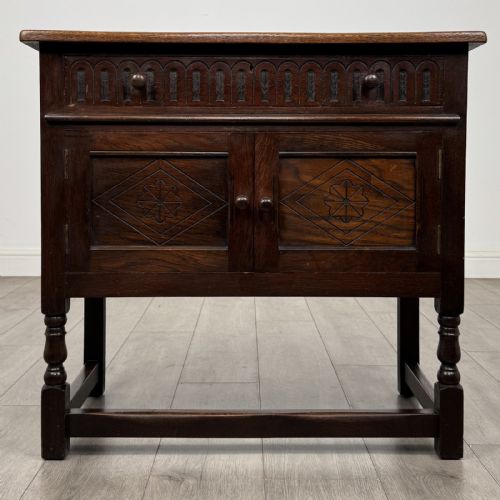
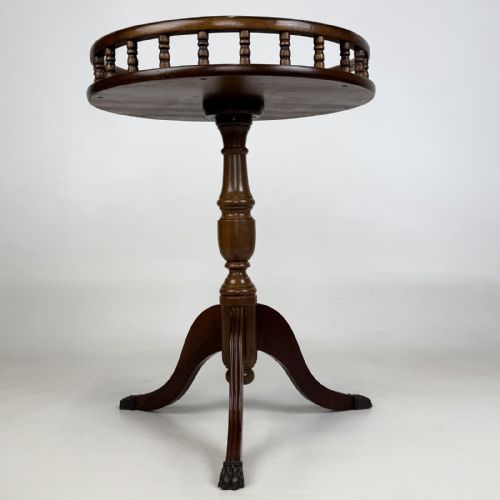
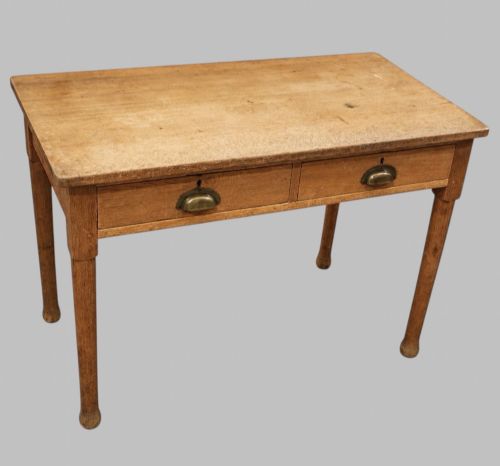
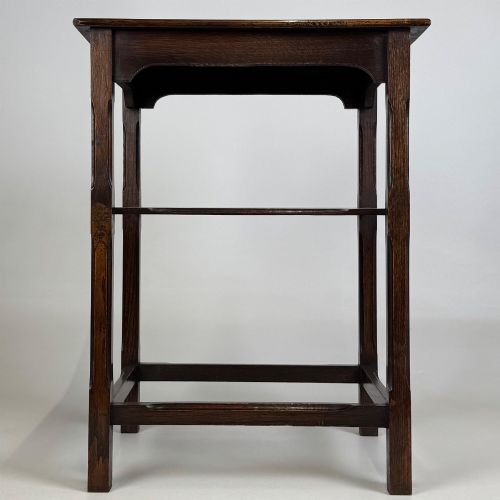
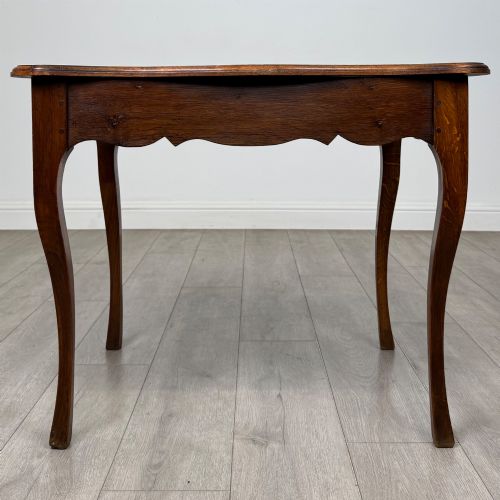
A 20th century side table brings practical surface space and period character to a room, ranging from simple oak designs to inlaid mahogany examples.
20th Century Side Table
A 20th century side table encompasses a diverse group of compact furniture pieces designed for occasional use in domestic interiors. These items frequently appear from the Edwardian period and the decades immediately following, reflecting changing interior tastes across the early part of the century.
The selections available range from utilitarian oak drop-leaf items and gateleg models to decorative pieces utilising walnut, satinwood, and marble. Regional variations and revivalist movements influence the construction, yielding forms from French provincial cabinets to English country tables.
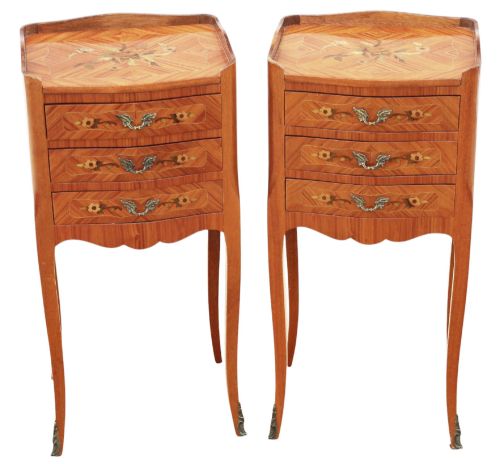
Buyers encounter numerous functional adaptations alongside standard side tables, including writing desks, bedside cabinets, magazine racks, and occasional tables. These varied configurations share a common scale suited to smaller spaces within a modern or traditional home.
Materials and Construction
Makers built these pieces primarily using hardwoods such as oak and mahogany, often enhanced by decorative veneers like burr walnut or satinwood. Solid timber construction appears alongside specialised techniques such as marquetry, inlay, and surface carving.
Auxiliary materials including brass handles, metal fittings, and marble tops frequently supplement the primary wooden structures. Folding mechanisms, barley twist turnings, and campaign styles demonstrate specific mechanical and decorative carpentry skills of the era.
20th Century Side Table Retail Price Guide 2026
Typical asking prices for 20th century side table among the pieces listed under this phrase on Sellingantiques today, from the lower quarter to the upper quarter. They describe what is for sale here now, not the wider market.
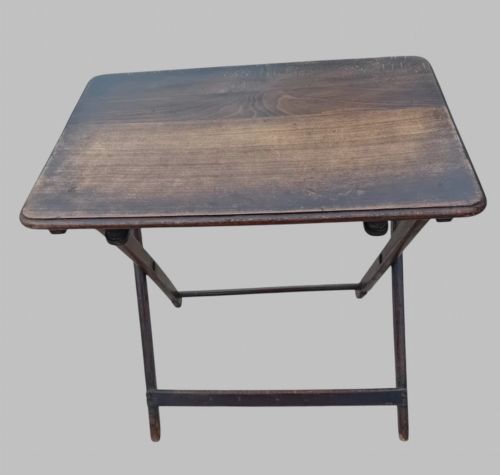
Several folding tables waiting here are properly dressed for military campaigns they missed by a century.
Assessing Craftsmanship
Superior examples display tighter grain matching in veneers, precise joinery, and crisper hand-carved details on elements like oak panels or columnar supports. The choice of primary timber and the complexity of decorative inlays or marquetry heavily influence the overall standard of the piece.
The integrity of secondary woods used in internal framing and drawer construction indicates the underlying care taken during manufacture. Balanced proportions and sturdy leg assemblies distinguish sturdier utilitarian models from purely decorative items.
E G Hudson·Charles Dudouyt
The 20th Century Side Table Glossary
- Marquetry
- Decorative patterns formed by fitting together small pieces of veneer into wooden panels. This technique often creates floral or geometric motifs across table tops and cabinet doors.
- Campaign style
- Folding or dismantlable furniture designed for easy transport by travellers or military officers. These items typically feature recessed brass handles and corner brackets.
- Drop leaf
- A table top configuration featuring hinged flaps that fold down on either side to reduce the overall footprint. This design allows the furniture to adapt to tighter spaces when not in full use.
- Burr walnut
- Timber taken from the abnormal growth of a walnut tree, producing highly swirling and mottled grain patterns. Cabinet makers prized this wood for creating decorative surfaces on high-end side tables.
20th Century Side Table: Frequently Asked Questions
Where should I place a side table?
These compact items suit positions beside seating furniture in living areas or adjacent to beds as nightstands. Their modest scale allows them to fit into hallways and smaller alcoves.
Larger variations can function as writing desks or display surfaces for table lamps and decorative objects within a room.
How do I identify an Edwardian piece?
Edwardian examples often feature lighter timbers like satinwood and mahogany, frequently complemented by subtle inlay work. The overall aesthetic tends to draw on Georgian design principles.
Carved oak versions from this period frequently display Jacobean Revival motifs such as barley twist legs or panelled details.
What is a drop leaf table?
A drop leaf table incorporates hinged side flaps that raise to extend the surface area when needed. This mechanism provides flexibility for rooms requiring adaptable furniture configurations.
They appear frequently in oak and mahogany across the early decades of the century.
Are marble top tables heavy?
Tables featuring inset marble slabs carry substantial weight in the upper section due to the stone. This provides a stable base for items placed on top.
The stone inserts often appear alongside walnut or gilt frames derived from continental design traditions.