






Mahogany Table with Undertier
A mahogany table with undertier offers a practical second shelf beneath the main surface, combining fine Edwardian timber with everyday utility.
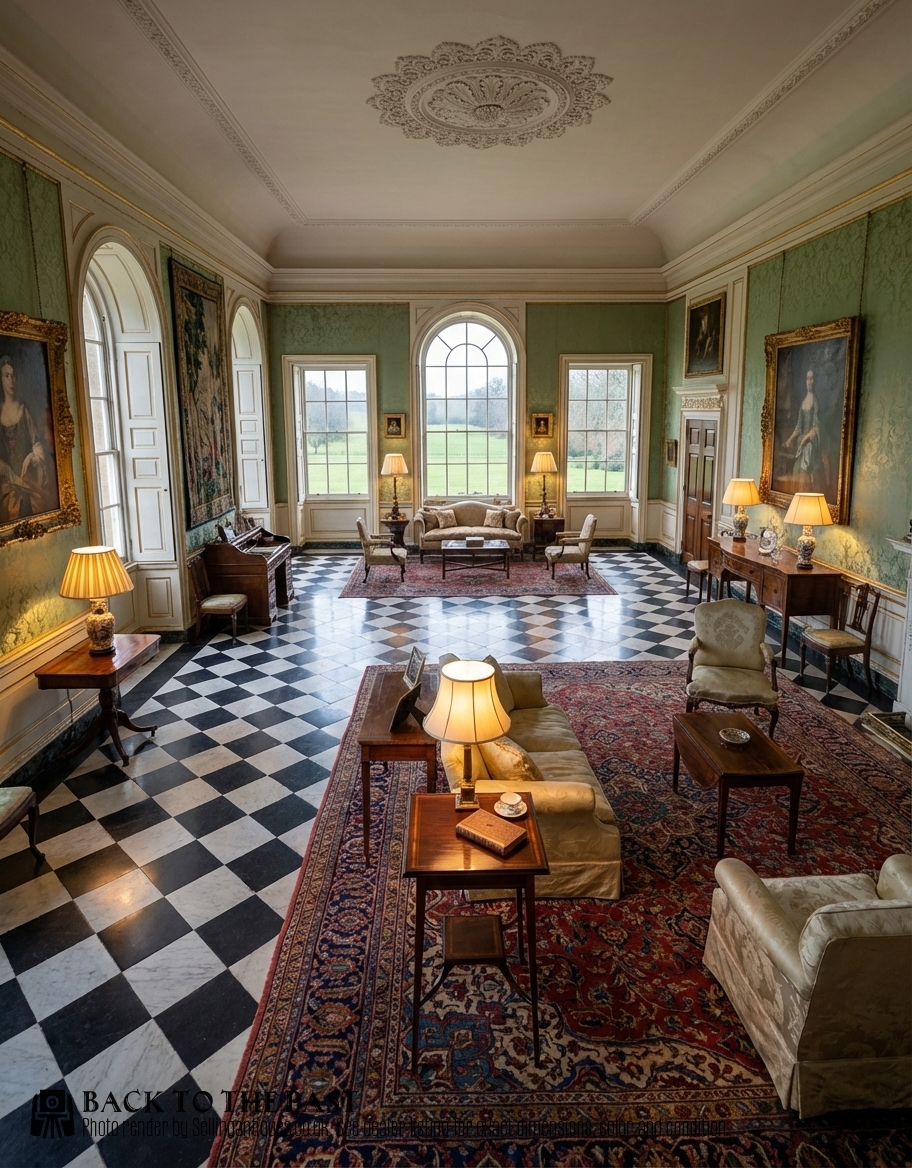
What They Are
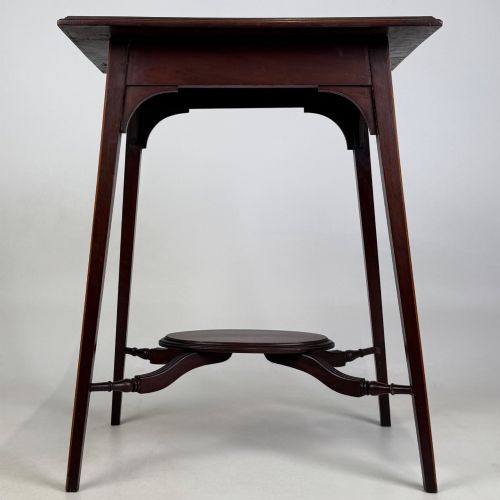
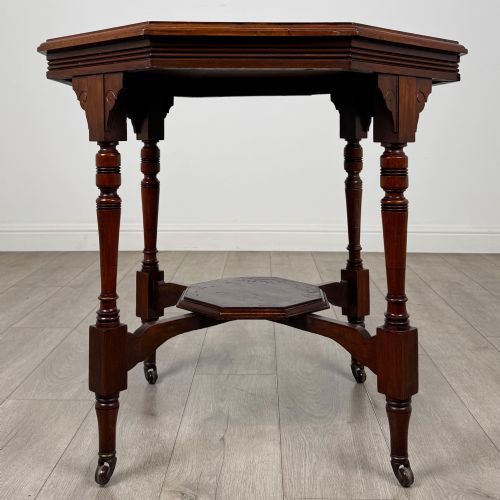
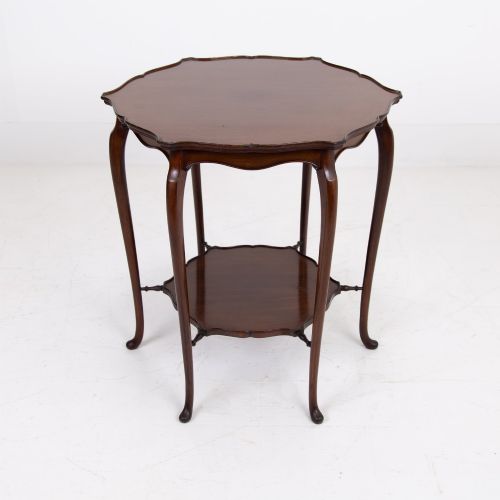
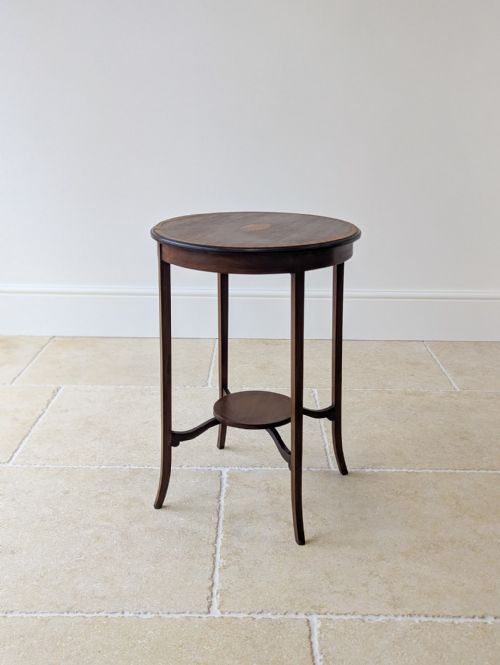
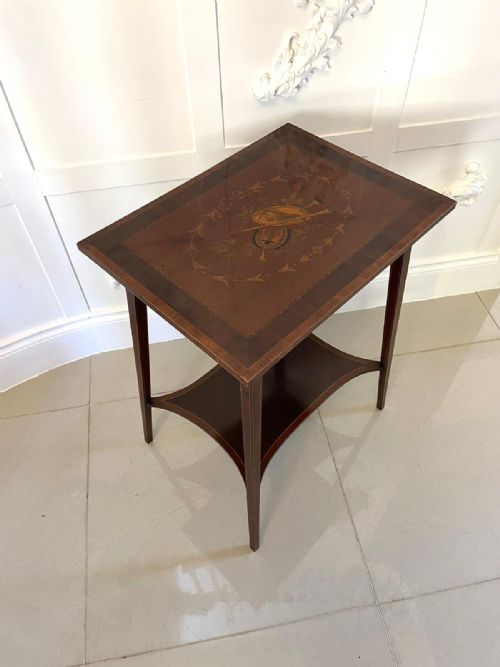
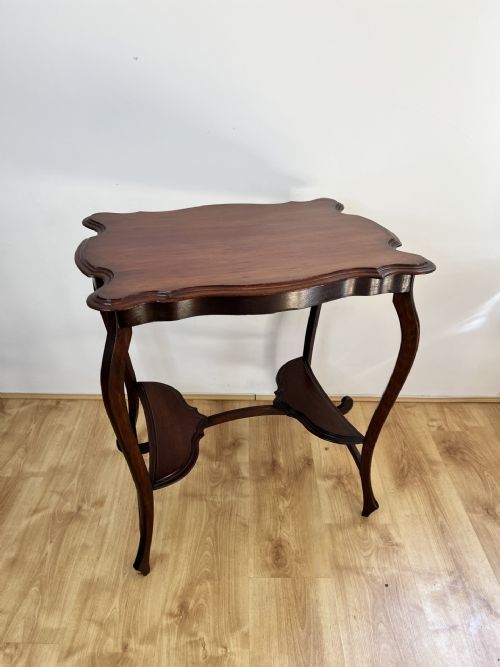
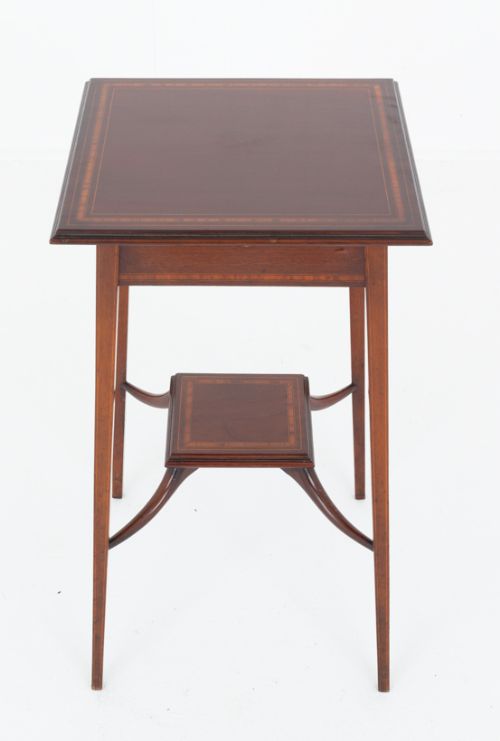
When searching for a mahogany table with undertier, buyers encounter occasional and side tables originating from the Edwardian period and around nineteen hundred. These pieces primarily take the form of occasional tables, lamp tables, and side tables designed for drawing rooms and parlours. The defining characteristic is the secondary shelf, known as the undertier, positioned between the legs beneath the top surface.
The selection on this page demonstrates various shapes including circular, oval, octagonal, and standard side formats. Stylistic influences span traditional Edwardian design alongside Sheraton Revival and Art Nouveau motifs. Most examples utilise solid mahogany or mahogany veneers accented with lighter details.
The Edwardian era produced these lighter, movable tables to suit flexible domestic arrangements rather than heavy, fixed furnishings. Buyers most frequently meet circular and oval occasional tables from nineteen hundred on this page. Each piece provides a compact surface for lamps, books, or decorative items while making use of the lower tier for storage.
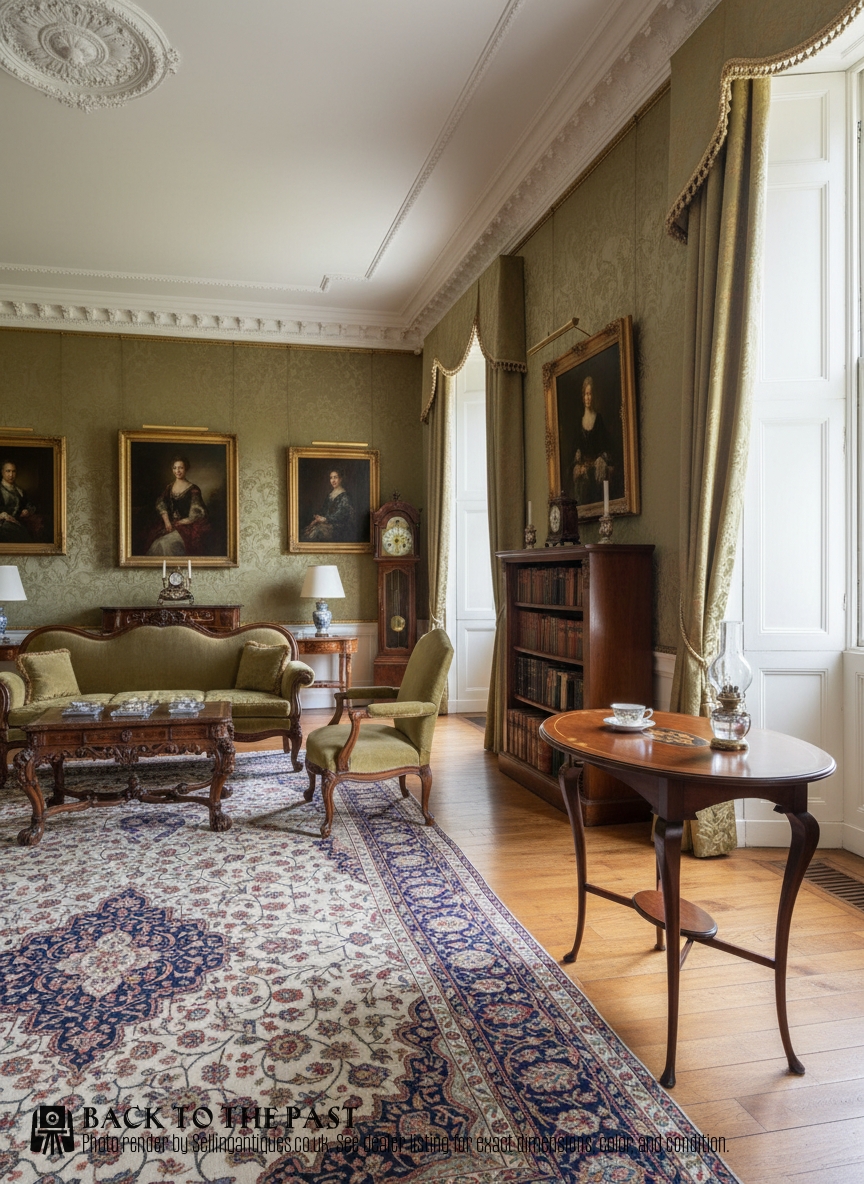
How They Were Made
Cabinet makers constructed these pieces primarily from mahogany, selected for its rich grain and stable properties. Workshops incorporated satinwood and satinwood inlay to create contrasting borders and decorative motifs upon the table tops and aprons. Some designs also integrated brass components for structural or decorative effect.
The inclusion of the undertier required careful joinery to ensure the lower shelf securely braced the legs without adding excessive bulk. Inlaid examples involved meticulous hand-cutting of contrasting veneers to fit precise recesses within the primary mahogany surface.
Retail Price Guide 2026
Typical UK retail prices for mahogany table with undertier, calculated from the Sellingantiques database of over a million retail prices indexed since 2003. This retail price guide relies exclusively on Sellingantiques data; no external sources or auction records are used, so the figures do not describe the wider market.
Designed to hold an Edwardian tea service on top and a three-volume novel below, proving ancestors also needed multiple levels for clutter.
What Varies in Quality
Quality across these tables rests in the crispness of the cabinet work and the selection of materials. Finer examples display carefully chosen mahogany grain and precise satinwood inlay rather than simple printed or painted decoration. The integration of the undertier demonstrates superior construction when the lower shelf fits tightly into sturdy, well-turned or tapered legs.
Artistic expression also divides standard utility pieces from exceptional items, particularly where Sheraton Revival or Art Nouveau styling informs the silhouette. The refinement of the edge moulding, the symmetry of geometric shapes like octagonal or oval tops, and the overall balance determine where a piece sits in the range.
The Mahogany Table with Undertier Glossary
- Undertier
- A secondary shelf positioned beneath the main top of a table, providing additional surface space and structural bracing. This feature defines the category.
- Edwardian
- Pertaining to the period of the reign of King Edward VII, spanning from nineteen hundred to nineteen hundred and ten. Furniture from this era often lighter in scale than Victorian equivalents.
- Art Nouveau
- An international style of art and design popular around nineteen hundred characterised by flowing, organic lines. In these tables, it manifests through stylized floral or curvilinear inlay.
- Occasional table
- A small, movable table designed for specific, intermittent uses in a living space rather than central, permanent placement. These items often feature the characteristic lower shelf.
Frequently Asked Questions
What is an undertier used for?
The undertier provides a secondary lower shelf for holding books, small decorative items, or everyday objects. It keeps the main surface clear while offering additional storage within a compact footprint.
In period settings, these lower shelves often accommodated tea accessories or reading materials close to seating areas.
How do I date a mahogany table?
Dating relies on stylistic clues, construction methods, and materials recorded in the specific piece. Edwardian examples often display lighter proportions and refined inlay work characteristic of the early twentieth century.
Examining the secondary timbers beneath the top and the style of the legs helps confirm the nineteen hundred origin.
Are these tables sturdy enough for daily use?
These occasional tables were built for domestic drawing rooms to hold lamps and small objects. The inclusion of the undertier actually adds structural rigidity by bracing the legs together.
Careful placement away from heavy traffic ensures they withstand normal daily requirements in modern homes.
What styles are common in these tables?
The listings show Edwardian forms alongside Sheraton Revival and Art Nouveau influences. These styles dictate the decorative vocabulary, from classical satinwood inlay to organic curved lines.
Recognising these aesthetic categories helps identify the design ambitions of the original maker.