


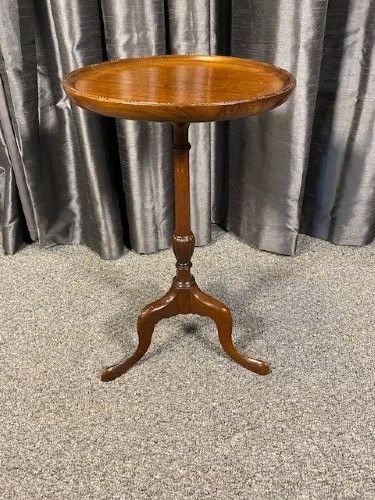
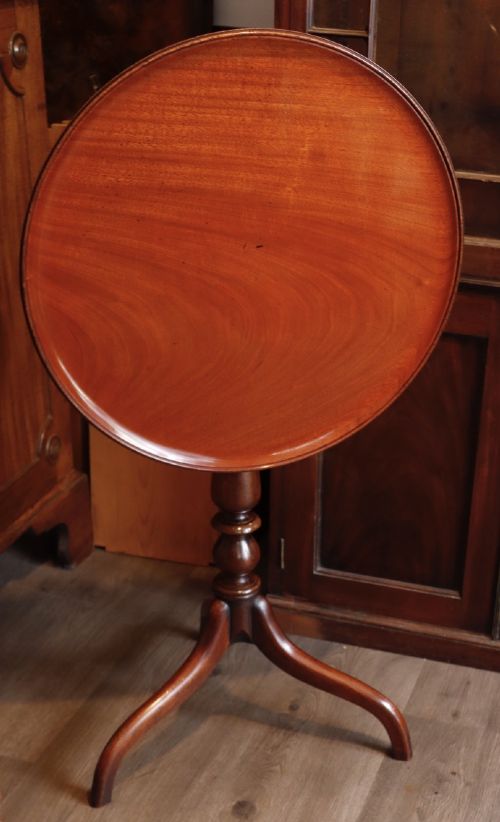
Antique Wooden Wine Table
An antique wooden wine table brings a compact, portable surface to a room, offering Georgian elegance or rustic country charm.
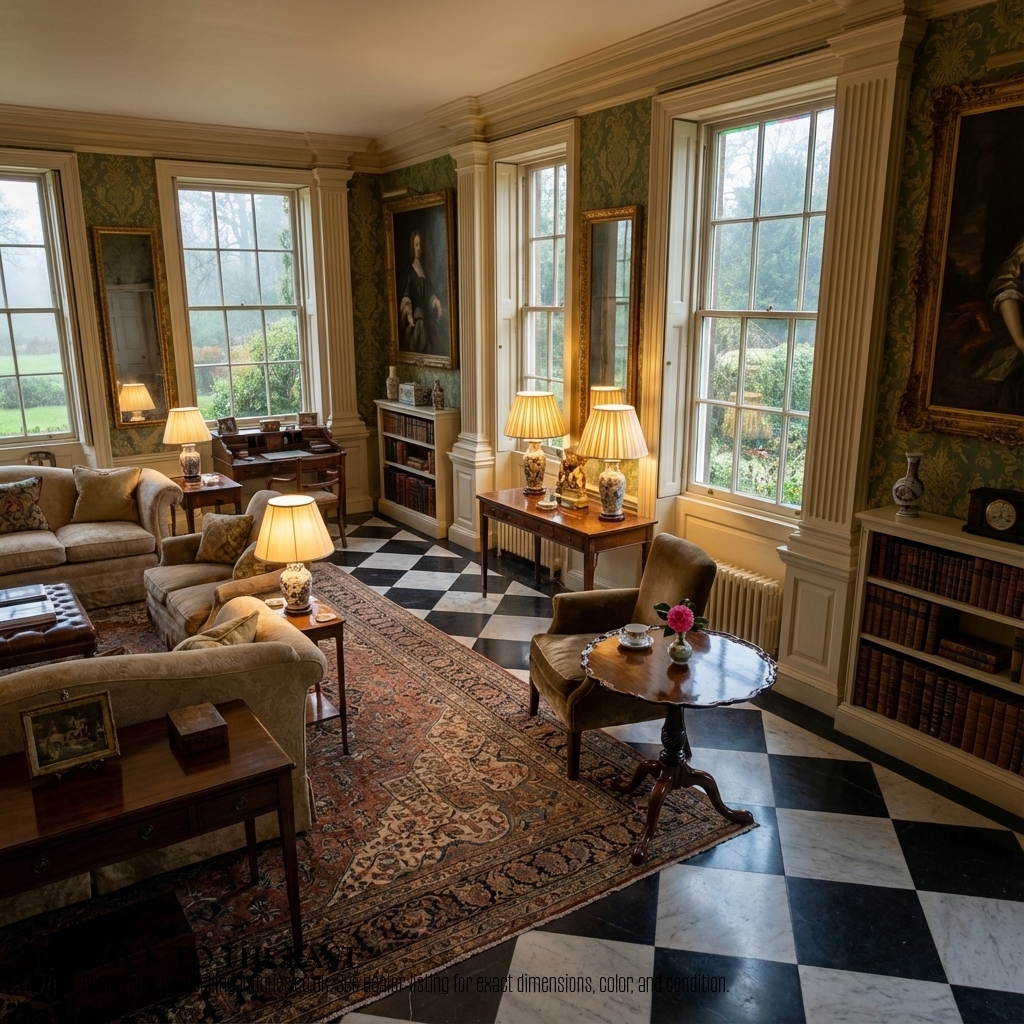
What an antique wooden wine table is
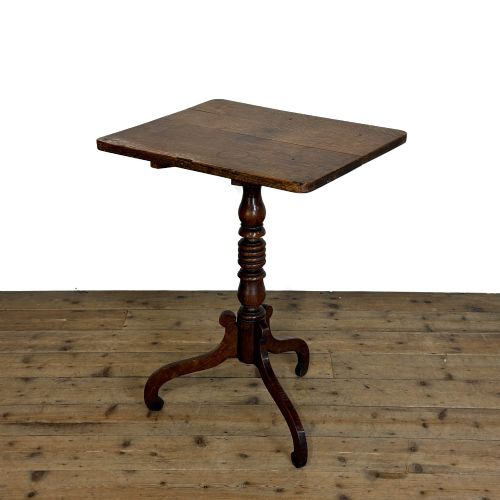
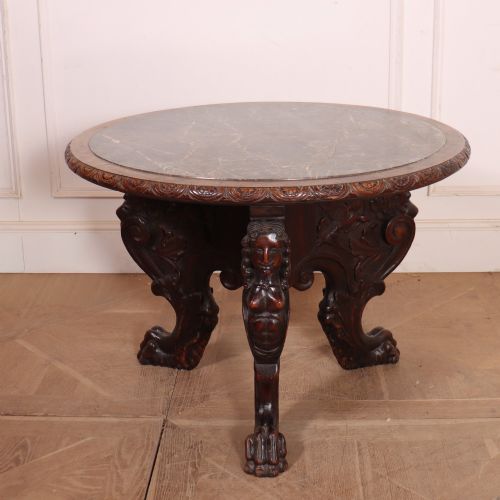
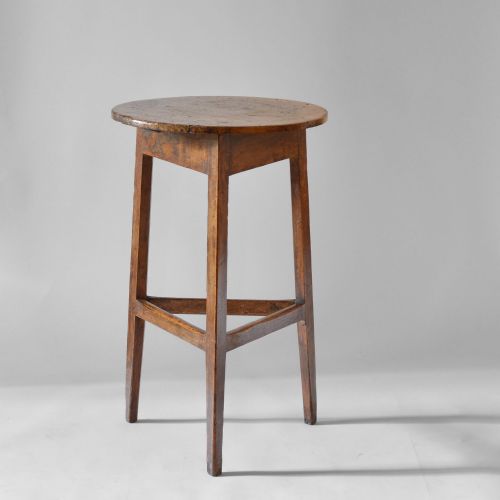
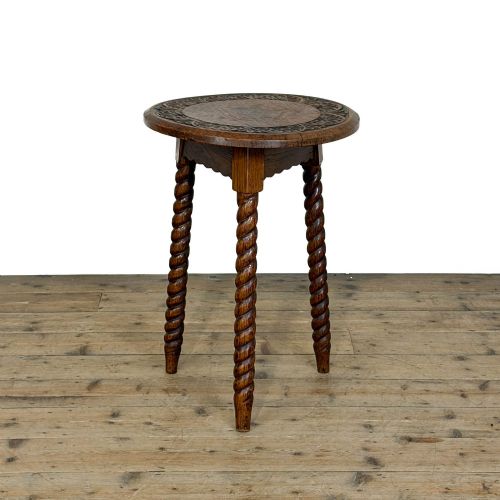
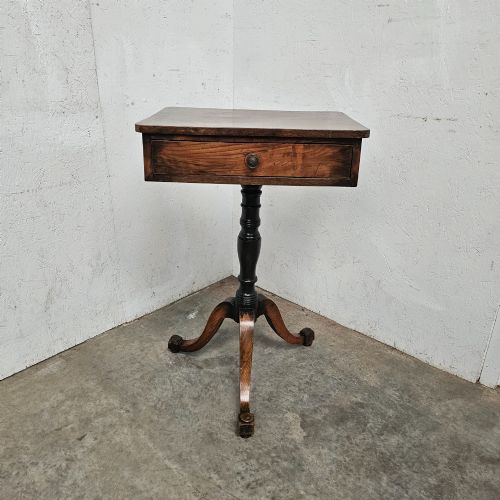
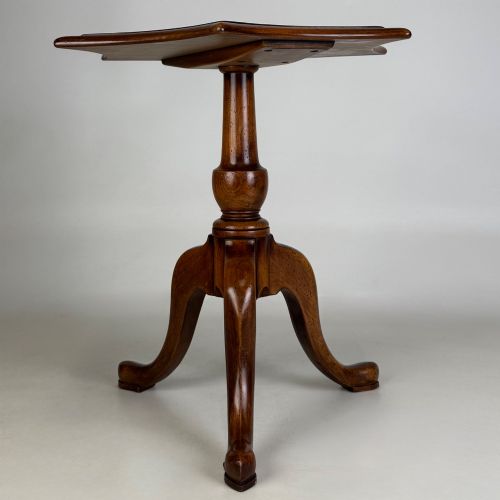
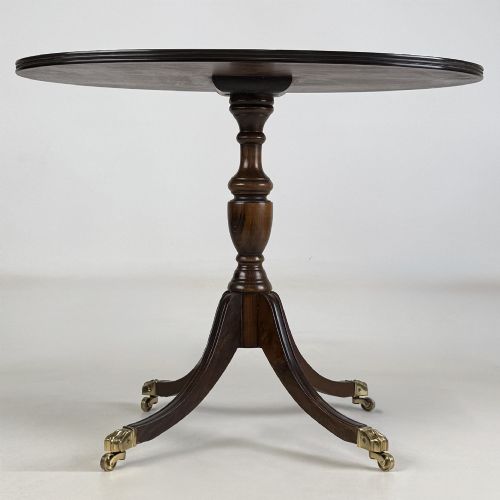
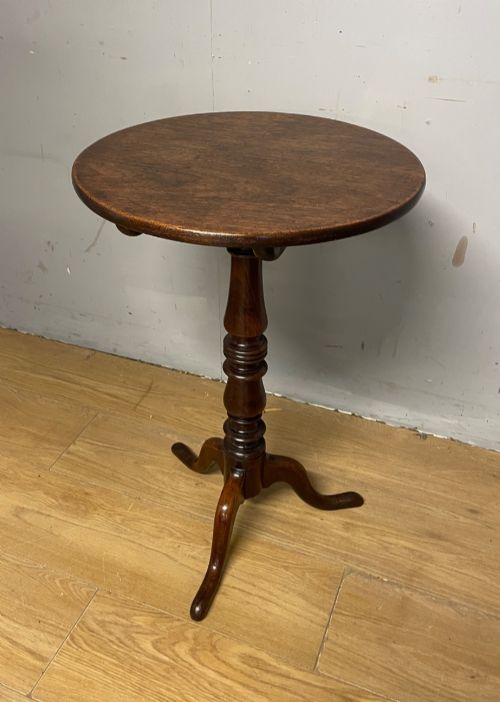
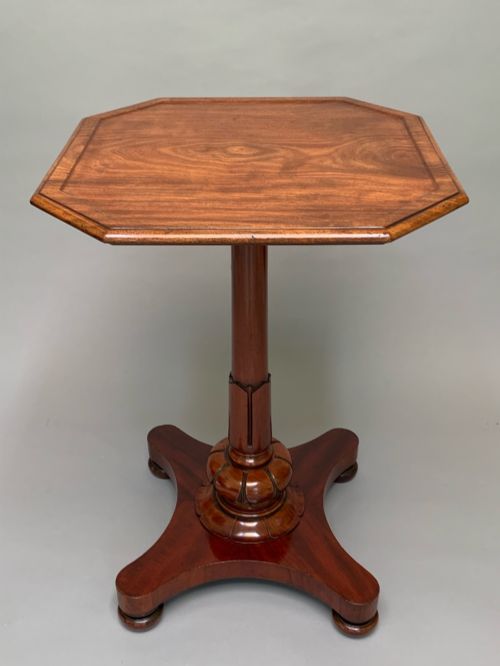
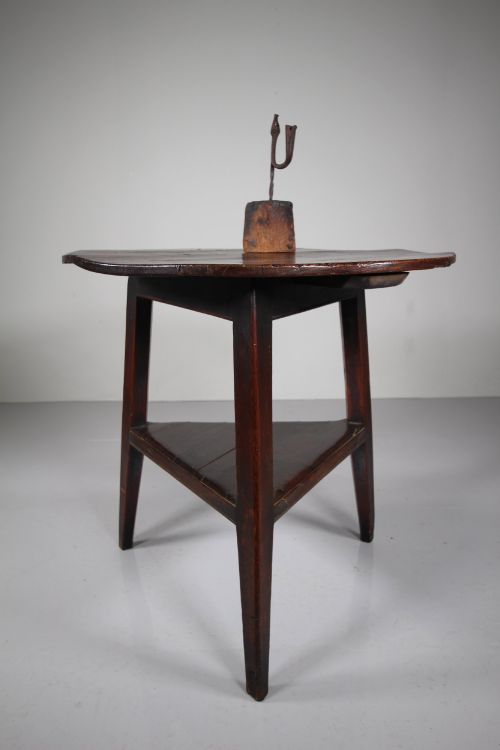
An antique wooden wine table is a small occasional surface designed for domestic use, spanning periods from the eighteenth century to the twentieth century. These pieces appear in forms such as side tables, tavern tables, and occasional tables with tripod bases.
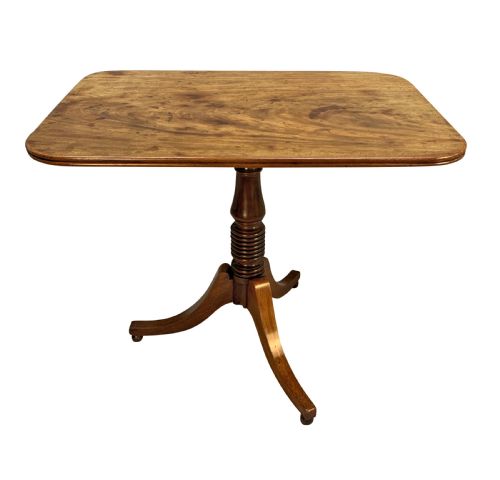
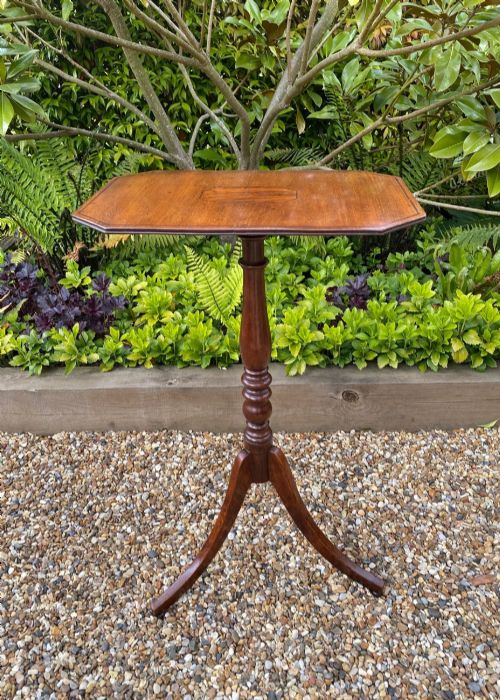
The versions most commonly met on this page include mahogany tilt-top tables and simple tripod designs from the Georgian and Edwardian eras. Makers constructed these items to be easily moved around a room as needed for drinks or small objects.
How they were made
Craftsmen built these tables primarily using mahogany, supplemented by oak, pine, brass, and iron hardware. Timber was selected for its grain and durability, forming octagonal or round tops supported by central pillars and tripod legs.
Joinery techniques included tilt-top mechanisms allowing the surface to fold away when not in use. Details range from plain turned columns to piecrust edges shaped directly from solid timber.
Retail Price Guide 2026
Typical UK retail prices for wooden wine table, calculated from the Sellingantiques database of over a million retail prices indexed since 2003. This retail price guide relies exclusively on Sellingantiques data; no external sources or auction records are used, so the figures do not describe the wider market.
The listings here span the 18th, 19th, and 20th centuries, featuring materials like mahogany, oak, pine, brass, and iron.
What varies in quality
Quality rests in the selection of timber, such as well-figured mahogany, and the crispness of carved details like tripod legs and piecrust borders. Superior examples exhibit balanced proportions and smooth action in their tilt mechanisms.
Lesser pieces rely on simpler construction and plain pine or oak secondary woods with minimal shaping. The distinction lies in whether the maker invested time in refined joinery and decorative edge work.
The Antique Wooden Wine Table Glossary
- Tilt-top table
- A table with a hinged top that rotates to a vertical position for storage against a wall. This mechanism typically locks with a brass catch.
- Tripod base
- A pedestal support resting on three legs, common in eighteenth and nineteenth-century occasional tables. It provides stability on uneven floors.
- Piecrust edge
- A raised, scalloped rim carved around the perimeter of a circular tabletop. This detail is often associated with Georgian mahogany pieces.
- Tavern table
- A sturdy utility table intended for public house or domestic service. These pieces usually feature straight wooden legs and robust frames.
- Occasional table
- A small, movable table designed for a specific, transient use in a sitting room. They appear in various heights and top shapes.
Frequently Asked Questions
What is an antique wooden wine table used for?
These small tables were originally designed to hold drinks, glasses, or small personal items near seating areas. Their portable nature allowed them to be repositioned easily around a parlor.
Today, they function well as bedside surfaces, plant stands, or compact accent pieces beside a sofa. Their small footprint suits modern rooms where space is at a premium.
How do I identify a Georgian wine table?
Georgian tables often feature mahogany timber, tripod bases with pad or snake feet, and sometimes carved piecrust edges. Proportions are typically graceful, reflecting the design standards of the eighteenth century.
Examining the underside reveals hand-cut joinery and signs of age in the wood. Simple vernacular versions also exist alongside high-style pieces from the period.
What is a tilt-top mechanism?
A tilt-top mechanism uses a hinged block beneath the tabletop that allows the surface to swivel flat or stand upright. This clever design saved floor space when the table was not in use.
In older pieces, the catch securing the top in place is made of brass or wood. Operating this joint reveals the internal pivot block characteristic of period construction.
Where should I place a wine table at home?
A wine table fits neatly beside an armchair, in a corner, or between two seats where a larger table will not fit. Its compact size makes it versatile for awkward corners.
Keep these tables away from direct heat sources and strong sunlight to protect the polish and wood. Periodic gentle dusting maintains the finish of the antique timber.