
Georgian Snap Table
A georgian snap table brings ingenious folding action and timber warmth to a room, offering the versatility of a surface that clears away when not in use.
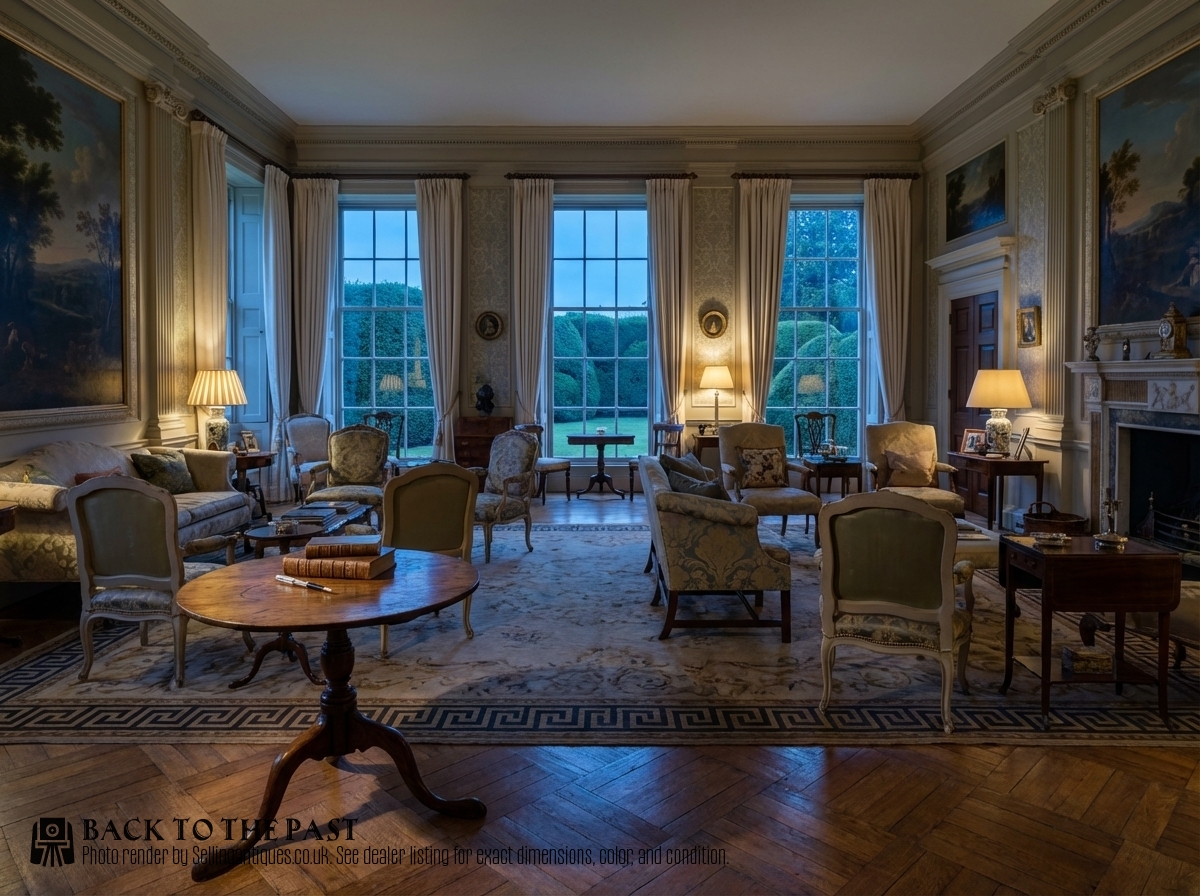
Georgian Snap Table
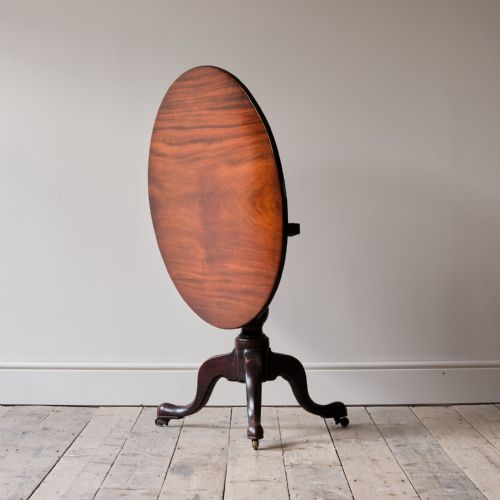
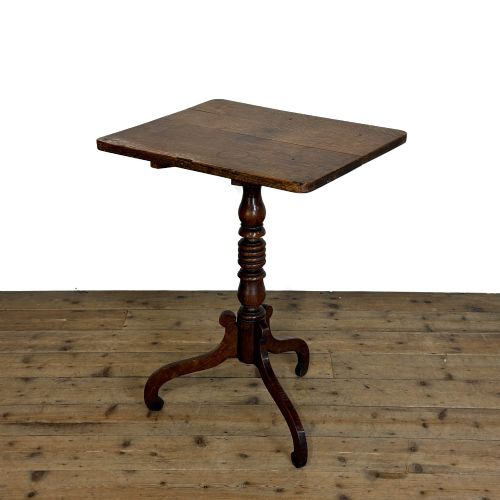
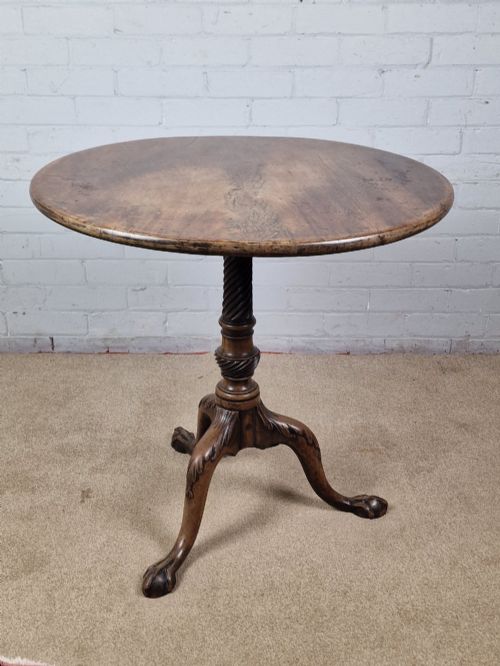
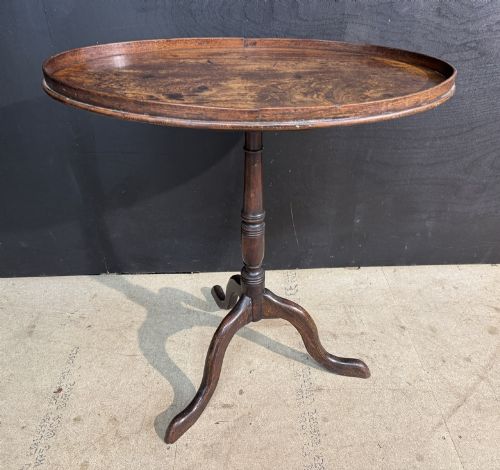
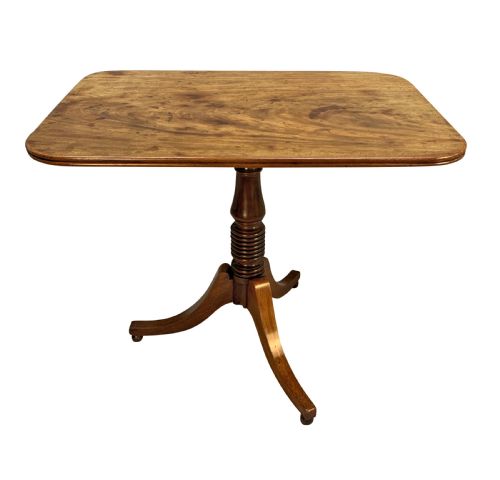
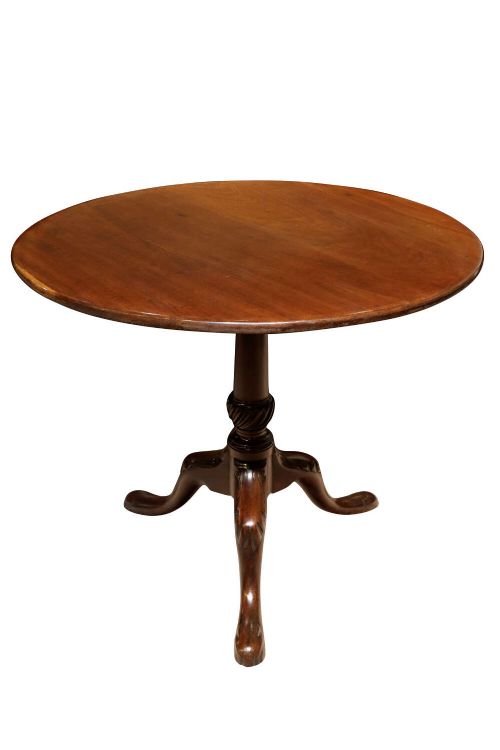
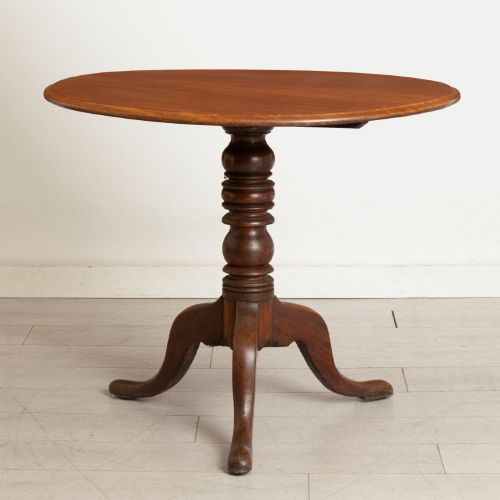
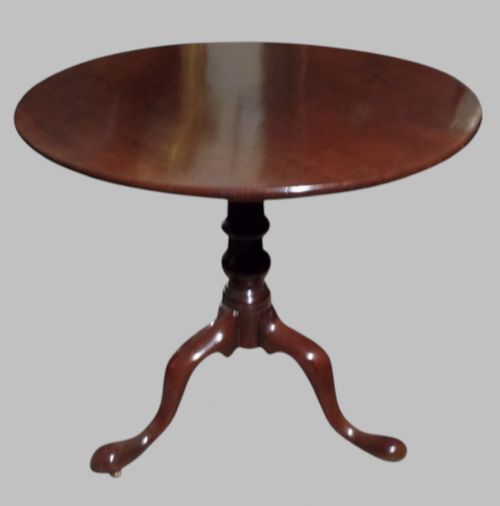
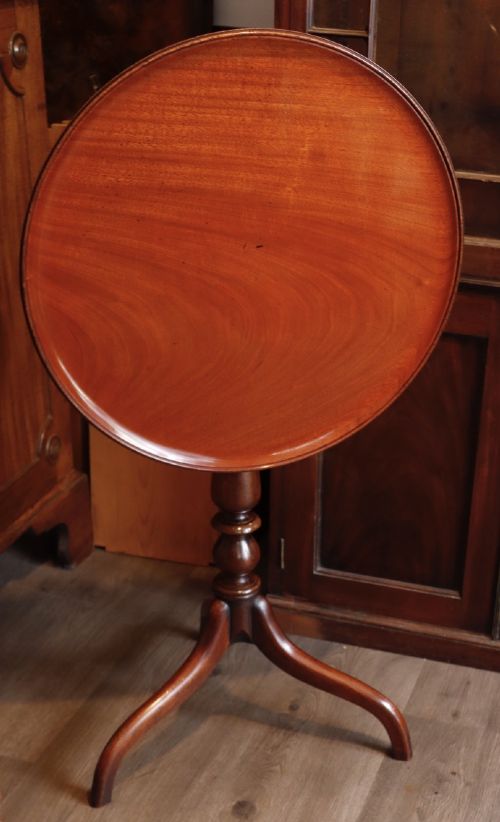
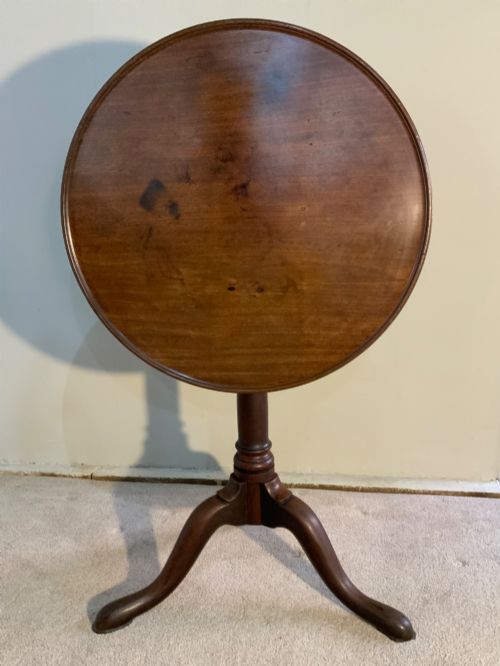
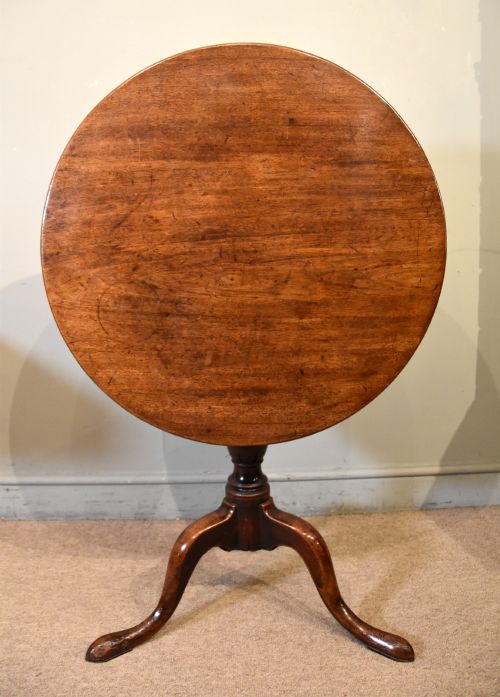
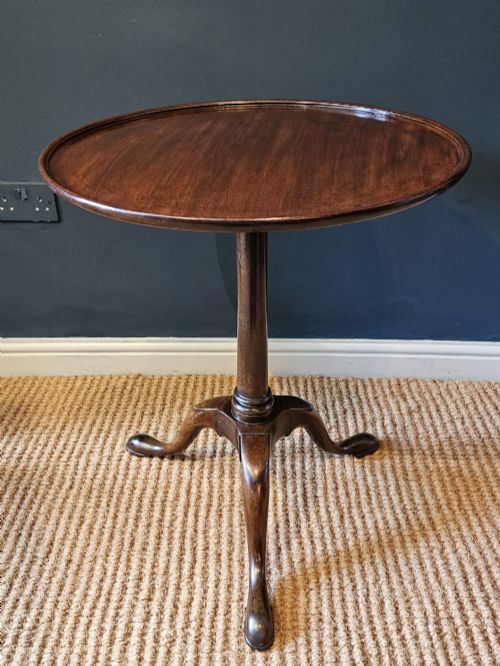
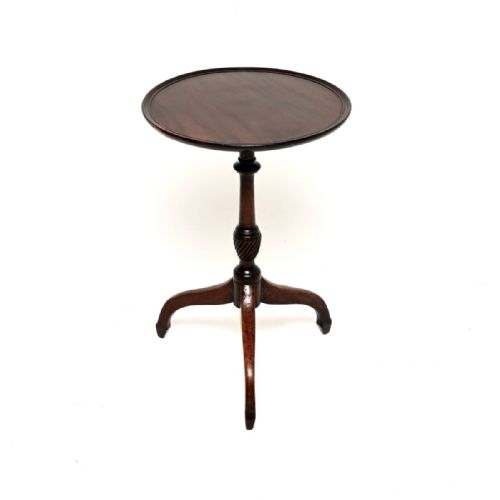
When searching for a georgian snap table, you are looking at practical English furniture designed to tilt flat against a pillar or support when space is needed. The pieces seen most often on this page take the form of circular occasional, wine, or tea tables resting on tripod bases.
The historical span stretches primarily through the eighteenth century and the Regency period, though later revivals also appear. Forms range from compact lamp tables to larger dining and breakfast formats seating several people.
Makers utilised various native and imported timbers, creating silhouettes that function just as well in modern interiors as they did centuries ago.
How they were made
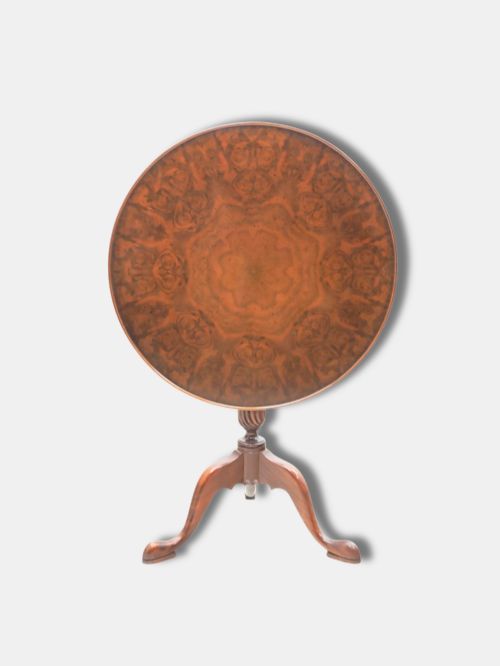
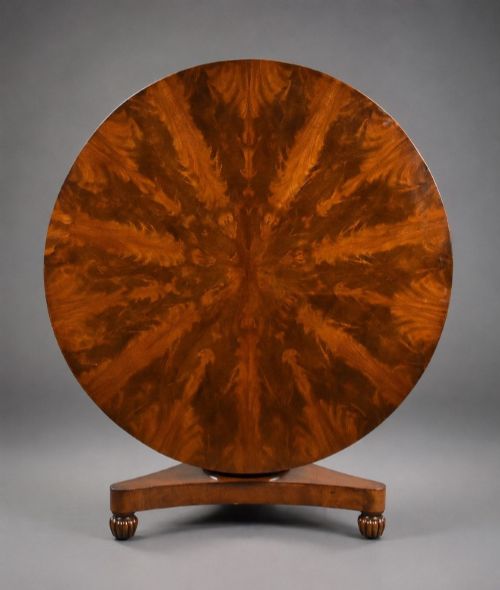
Joiners built these tables predominantly in solid mahogany, oak, and walnut, frequently selecting figured veneers like flame mahogany or burr walnut for the top surfaces. Secondary woods provided structural stability to the internal blocks and frames.
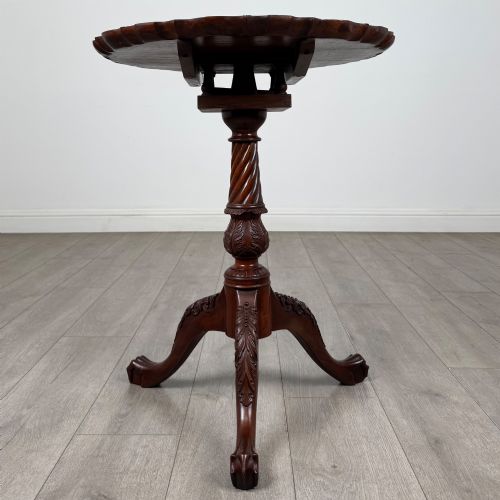
The defining mechanism relies on a pivoting catch or a birdcage device mounted beneath the top, allowing the surface to tilt and lock horizontally or vertically. Turning lathes shaped the central pedestals, while hand-carving defined the cabriole legs of the tripod bases.
Georgian Snap Table Retail Price Guide 2026
Typical asking prices for georgian snap table among the pieces listed under this phrase on Sellingantiques today, from the lower quarter to the upper quarter. They describe what is for sale here now, not the wider market.
Some dining-sized versions include brass inlay or spiral twist columns for extra visual flair.
What varies in quality
Quality reveals itself in the selection of the timber grain and the crispness of the carving on the knees and feet of the tripod base. Figured veneers and solid red walnut indicate higher ambition from the workshop.
The precision of the tilt mechanism also distinguishes finer examples, ensuring the top locks firmly without wobble when horizontal and rests securely when folded.
The Georgian Snap Table Glossary
- Snap top
- A table top fitted with a spring catch or latch that locks the surface into a horizontal position when in use.
- Tripod base
- A pedestal support terminating in three legs, which provides steady footing for a single-column table.
- Birdcage
- A revolving wooden frame placed beneath the table top that allows the surface to both tilt and rotate.
- Pie crust
- A raised, carved border shaped with undulating curves around the perimeter of a circular table top.
- Tripod table
- A freestanding small table supported by a central pillar and three radiating feet.
Georgian Snap Table: Frequently Asked Questions
What is a snap top table?
A snap top table is an occasional or dining piece featuring a hinged mechanism that allows the circular surface to pivot and lock into a vertical position.
This clever design meant the furniture could be pushed flat against a wall to save floor space in smaller eighteenth-century rooms.
How do you use a tilt top table today?
These pieces serve well as lamp tables beside armchairs or as occasional surfaces in living areas and hallways.
Their tilting mechanism also lets you display the figured timber grain as decorative wall-facing art when the table is not holding drinks or books.
What woods were used for Georgian tables?
Cabinetmakers relied heavily on mahogany imported from Cuba and Honduras, alongside native English oak and walnut.
Finer examples frequently showcase decorative veneers such as flame mahogany or burr walnut on the primary circular boards.
What is a birdcage mechanism?
A birdcage is an ingenious assembly of small wooden spindles and blocks situated directly beneath the table top.
It allows the surface to rotate independently while also tilting, giving the user two distinct movements in one clever support.