

Dark Oak Wine Table
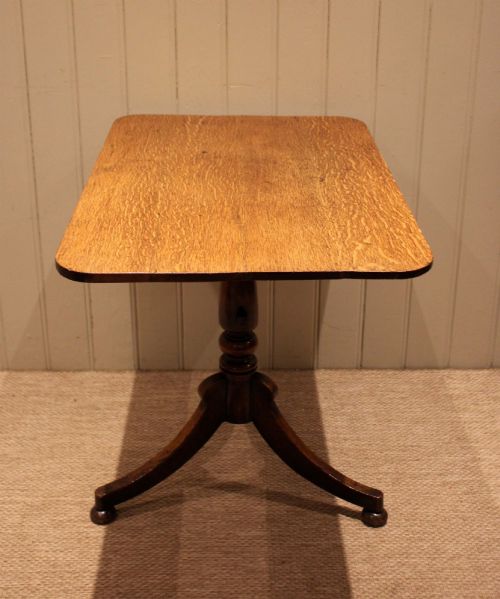
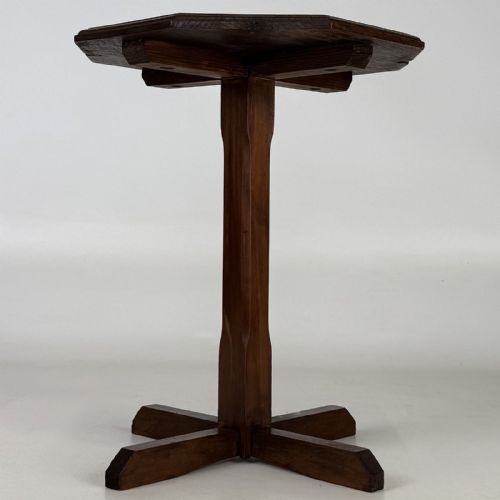
A dark oak wine table brings sturdy timber and compact tripod proportions to a corner, serving glasses or a lamp with quiet domestic history.
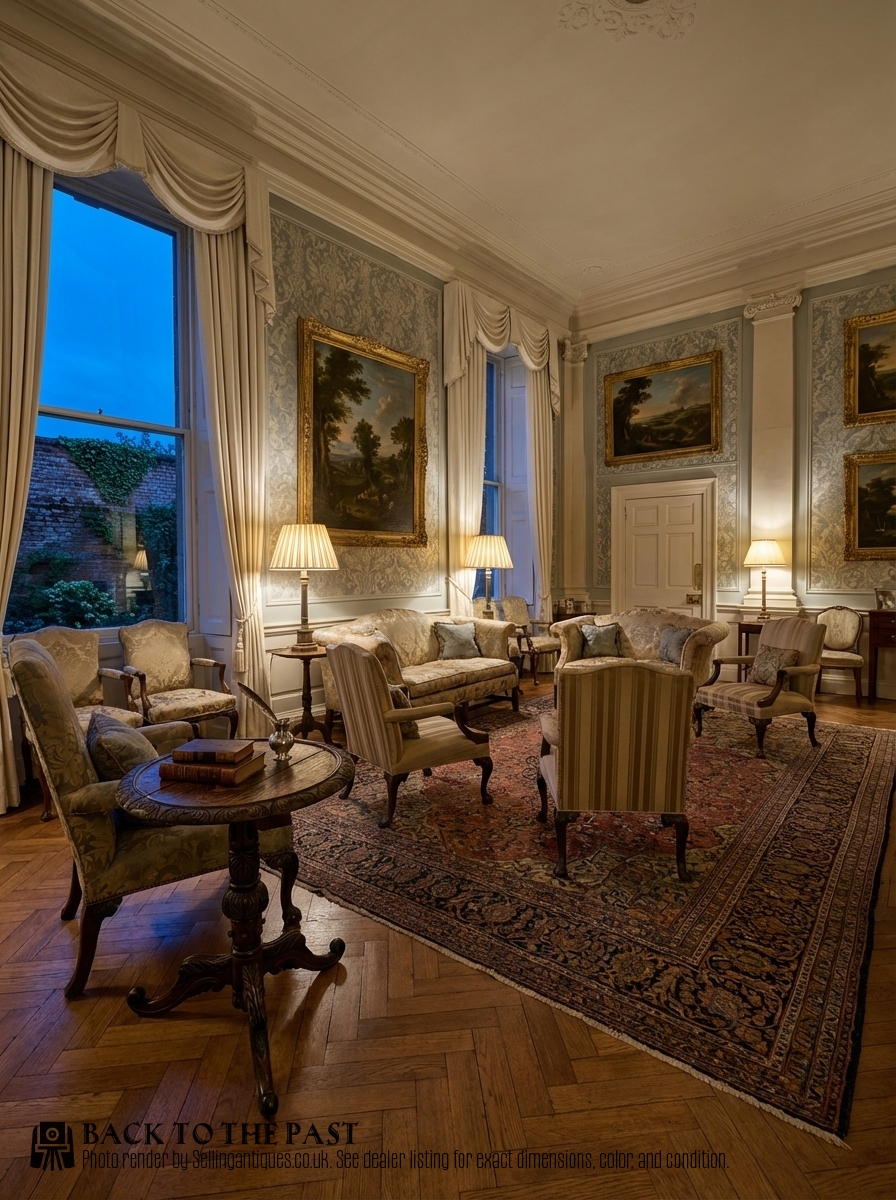
Dark Oak Wine Table
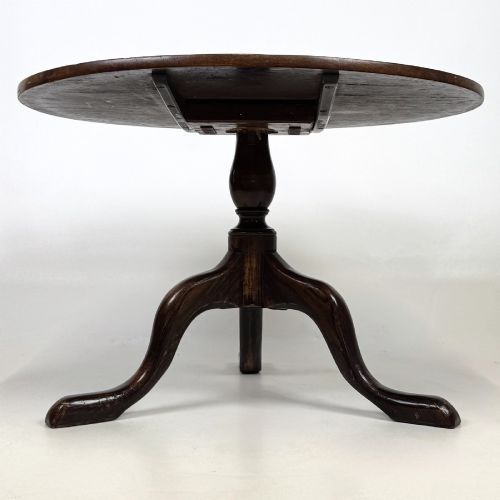
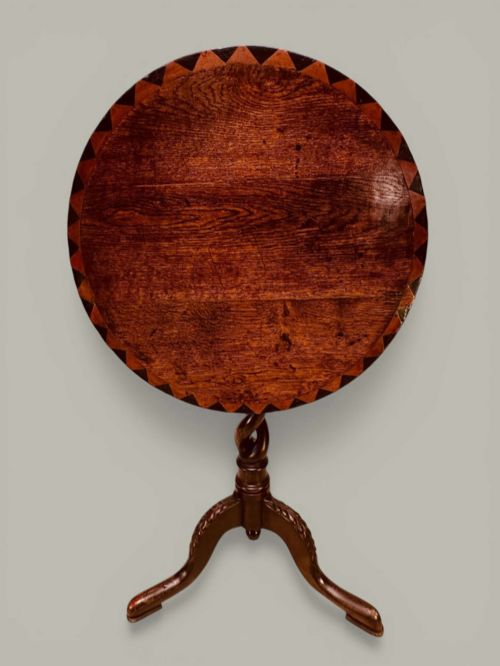
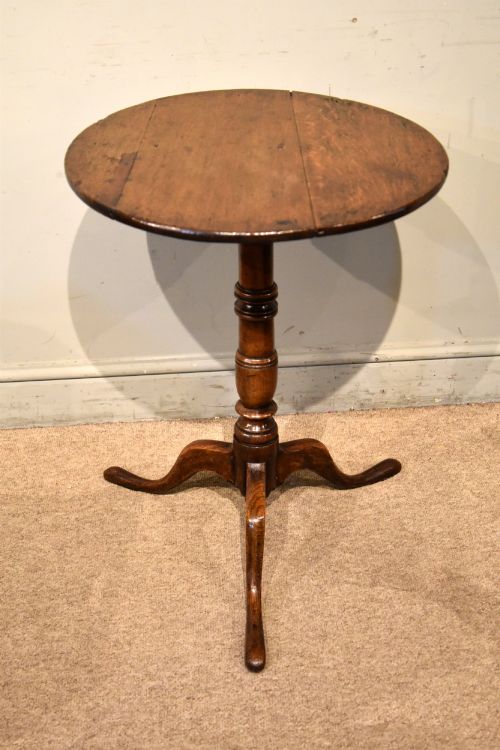
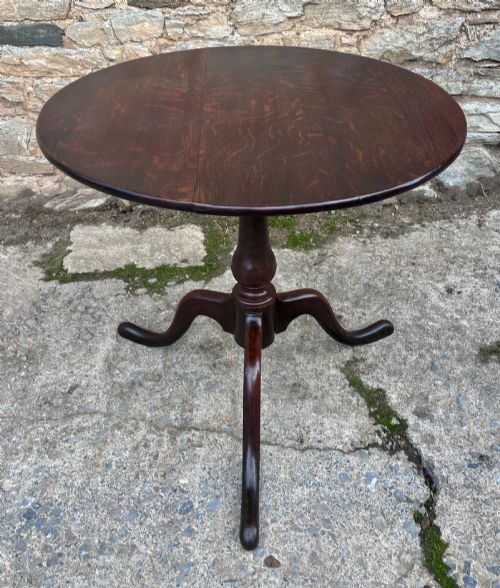
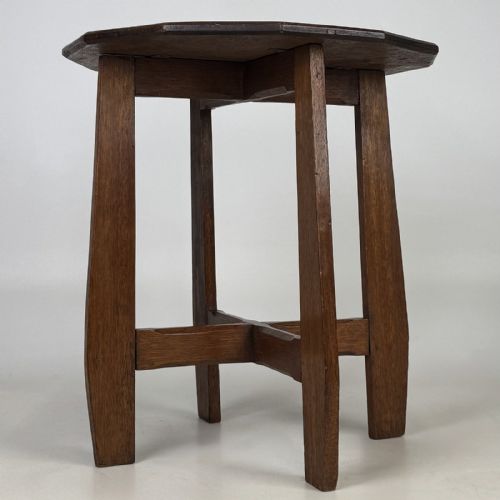
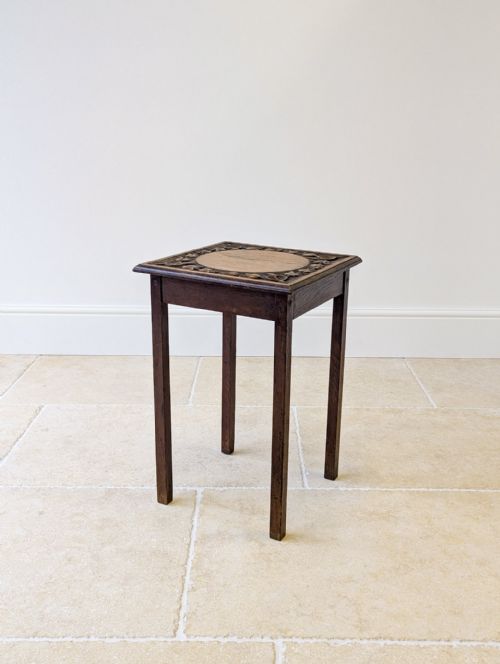
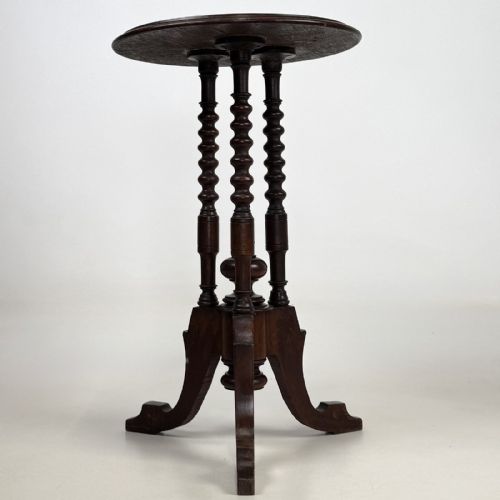
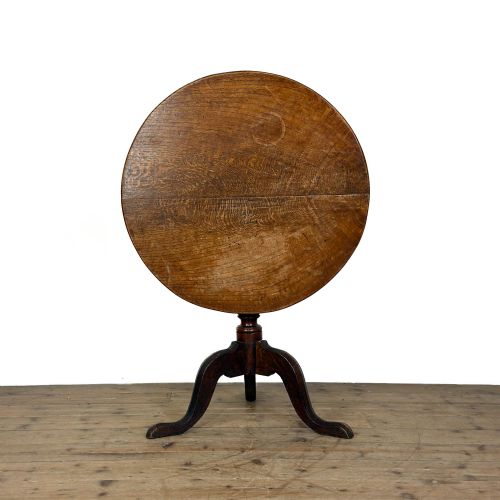
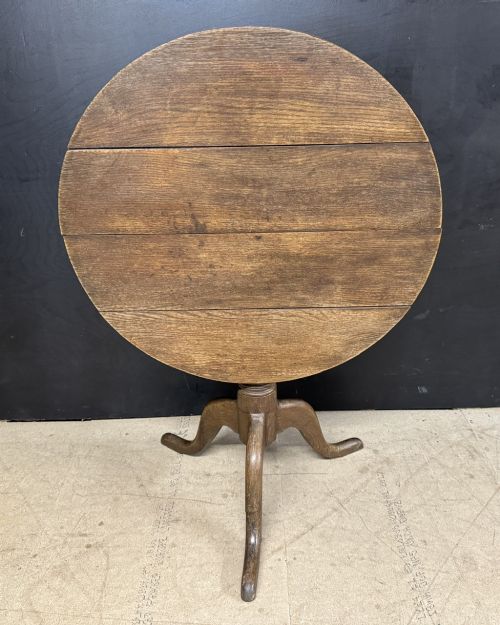
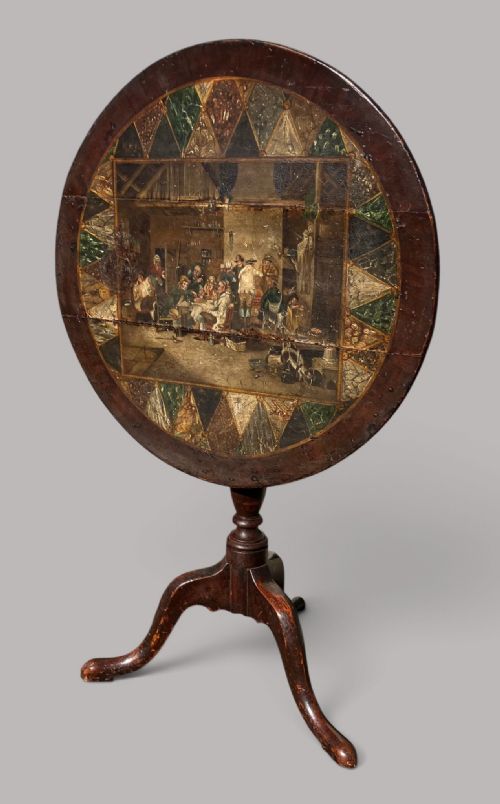
A dark oak wine table is a small surface designed for holding drinks or lighting, frequently encountered as a tripod table with a circular top supported by a central pillar and three legs. These pieces appear across the eighteenth, nineteenth, and early twentieth centuries, spanning periods from Georgian country workshops to Edwardian Arts and Crafts studios.
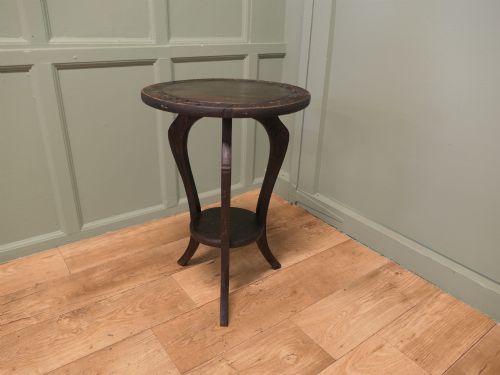
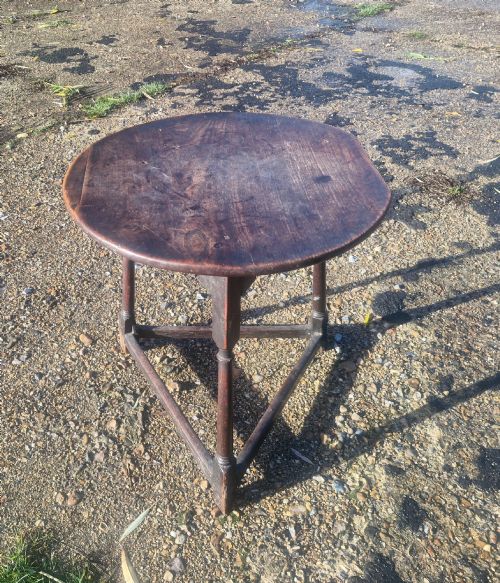
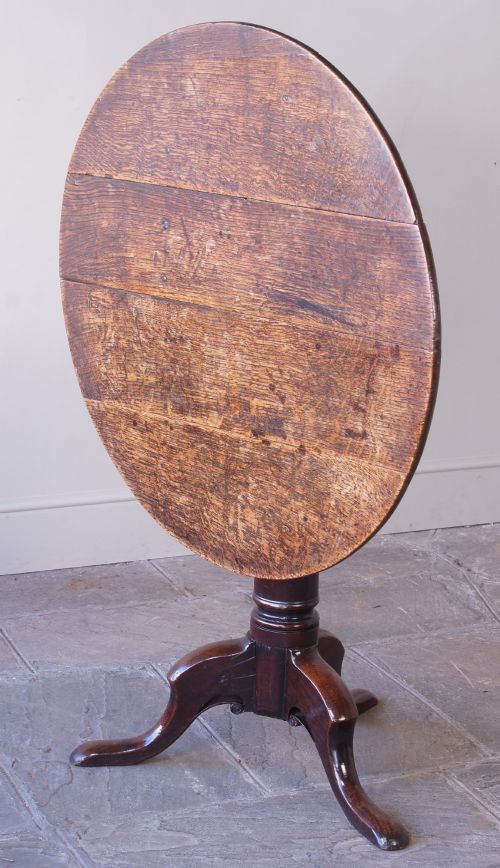
The most common form on this page is the tilt-top table, which allows the circular surface to pivot vertically when not in use. Alongside these tilt-top examples, buyers regularly find cricket tables with three splayed legs, alongside occasional side tables and folding vineyard tables.
Origins range from English regional cabinetmakers to French provincial workshops and Scottish country houses. The vocabulary of styles includes Georgian vernacular, Jacobean Revival, and late Victorian designs utilising solid oak, burr oak veneer, and occasionally fruitwood or beech.
How they were made
Makers built these tables primarily using solid oak and burr oak, often supplemented by fruitwood, beech, and brass fittings. Timber selection determined how well a top resisted warping, particularly on circular surfaces subject to seasonal movement.
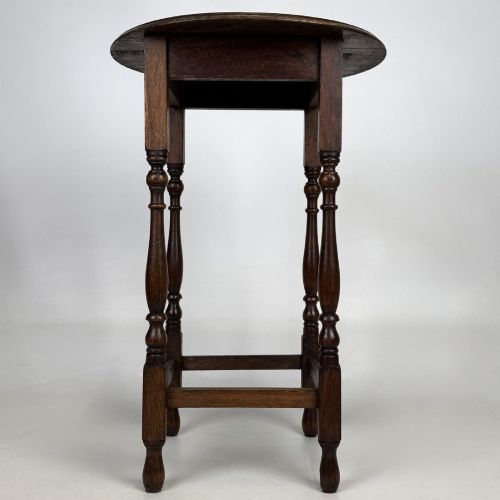
Turned columns and slender pedestals were shaped on lathes, while tripod legs were jointed into the central shaft to provide stable support on uneven floors. Tilt-top mechanisms relied on wooden catches and iron or brass pivots to secure the top in a horizontal position.
Dark Oak Wine Table Retail Price Guide 2026
Typical asking prices for dark oak wine table among the pieces listed under this phrase on Sellingantiques today, from the lower quarter to the upper quarter. They describe what is for sale here now, not the wider market.
Listings feature oak, burr oak veneer, fruitwood, and beech across eighteenth-century Georgian and nineteenth-century Victorian periods.
What varies in quality
Quality rests in the proportion of the turning and the crispness of any carved detail on the column, top edge, or legs. Earlier eighteenth-century examples often demonstrate more slender columns and balanced tripod bases compared to later revival pieces.
The integrity of the tilt mechanism and the flatness of the timber top dictate the success of the construction. Tables retaining their original timber surfaces and authentic pivots show greater integrity than those altered or excessively refinished.
Liberty's·Gillows
The Dark Oak Wine Table Glossary
- Tripod table
- A small freestanding table supported by a central pillar standing on three legs. This form became popular during the eighteenth century for serving tea, wine, or holding candles.
- Tilt top
- A tabletop mounted on a hinge mechanism that allows the surface to rotate vertically. This design enabled tables to be stored flat against a wall when not in use.
- Cricket table
- A small circular wooden table supported by three splayed legs, often braced by a lower tier or stretchers. The design originated in seventeenth and eighteenth-century vernacular English homes.
- Pie crust table
- A table with a raised, carved, or moulded edge shaped in undulating curves resembling pastry work. This decorative border stopped glasses or decanters from sliding off.
- Barley twist
- A type of turning shaped like a helix resembling a twisted rope. This decorative motif appears frequently on the legs and supports of seventeenth-century revival and Victorian furniture.
- Burr oak
- Timber taken from a tree growth where the grain has swirled into intricate patterns. Cabinetmakers sliced this wood into veneers to create decorative surfaces on tabletops.
Dark Oak Wine Table: Frequently Asked Questions
What was a dark oak wine table used for?
These tables served primarily as portable surfaces for holding bottles, glasses, candles, or lamps within the parlour or dining room. Their compact size allowed them to be moved easily beside seating areas.
During the eighteenth and nineteenth centuries, tilt-top versions were folded away against the walls when the room was needed for other activities.
How do I tell an 18th-century table from a Victorian one?
Eighteenth-century examples typically display hand-turned slender columns, pegged joinery, and simpler country construction with vernacular details. Burr oak or plain oak timber on these pieces often shows deeper patination.
Victorian and later revival pieces often incorporate heavier proportions, machine-turned barley twist legs, or more heavily carved borders around the tabletop.
Are tilt-top mechanisms original?
Many tilt-top tables retain their original wooden catches, iron pivots, and birdcage blocks beneath the top. Examining the underside reveals whether the hinge blocks and screw fittings match the age of the base.
Replacements or later repairs to the pivot mechanism are common on tables subjected to frequent folding over centuries of domestic use.
How do I care for a dark oak table?
Keep wooden tables away from direct heat sources and strong sunlight to prevent the oak from drying out or splitting. Gentle dusting with a soft cloth preserves the dry finish and patination.
Application of traditional beeswax helps nourish the hardwood without building up synthetic residues that dull the grain.