

Brown Wood Pedestal Table
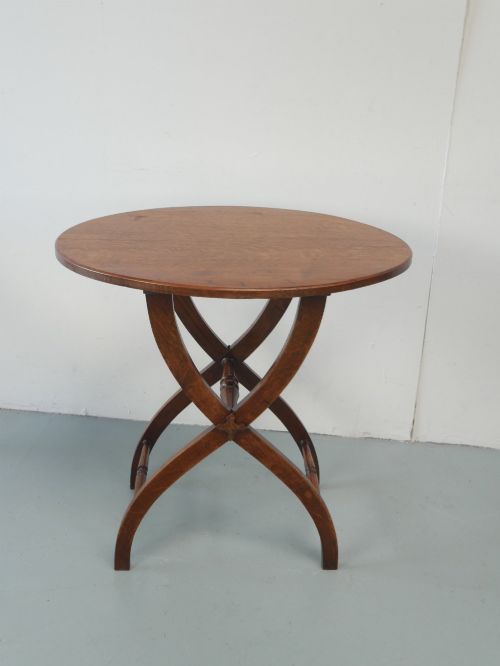
A brown wood pedestal table brings solidity and rich grain to a room, spanning compact wine tables and grand dining suites.
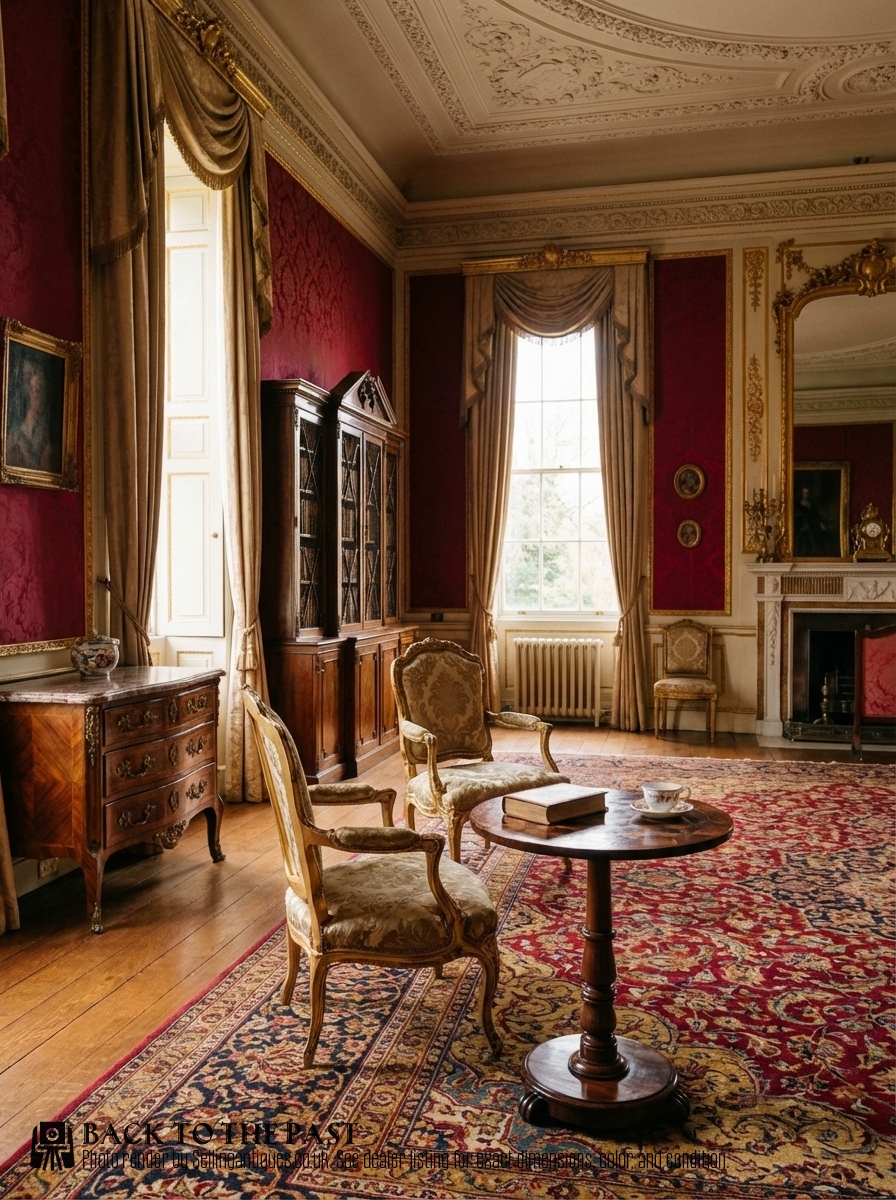
Brown Wood Pedestal Table
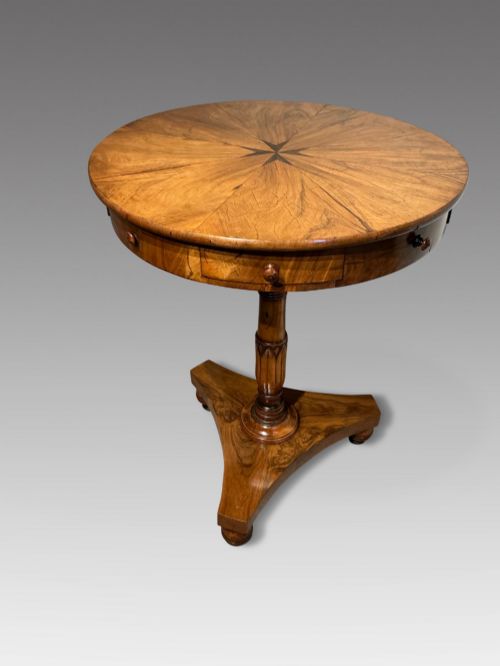
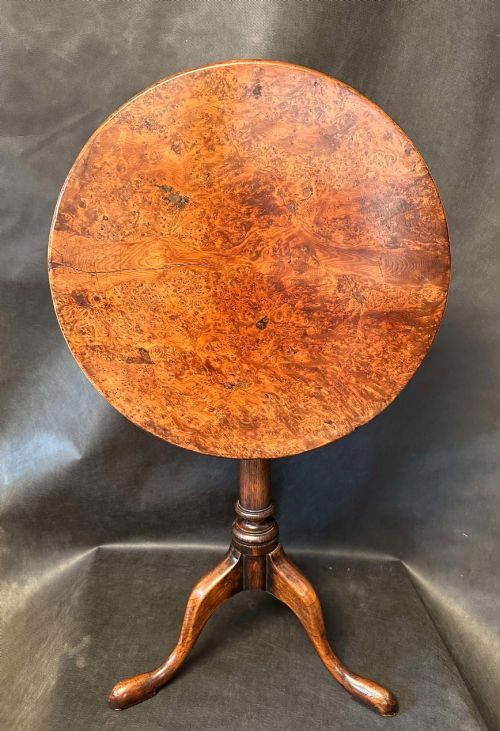
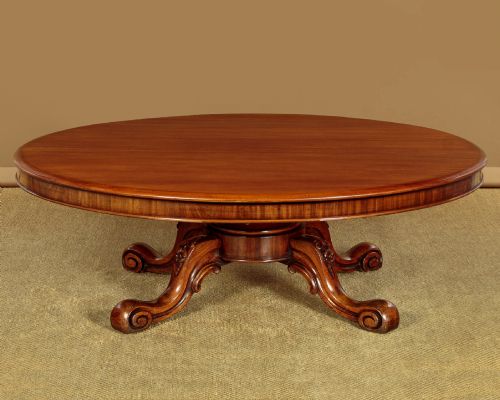
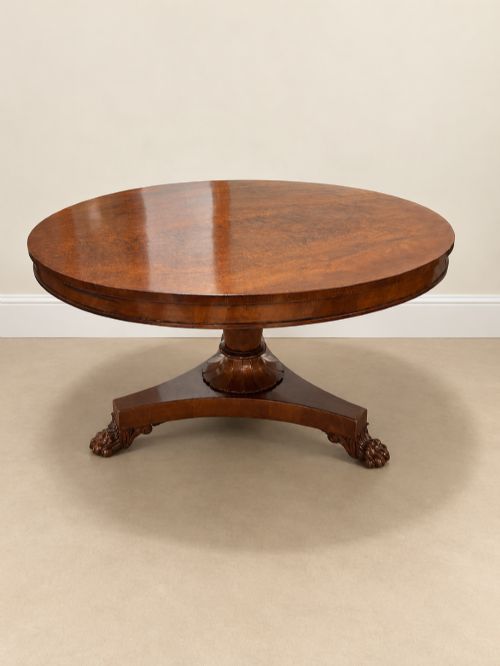
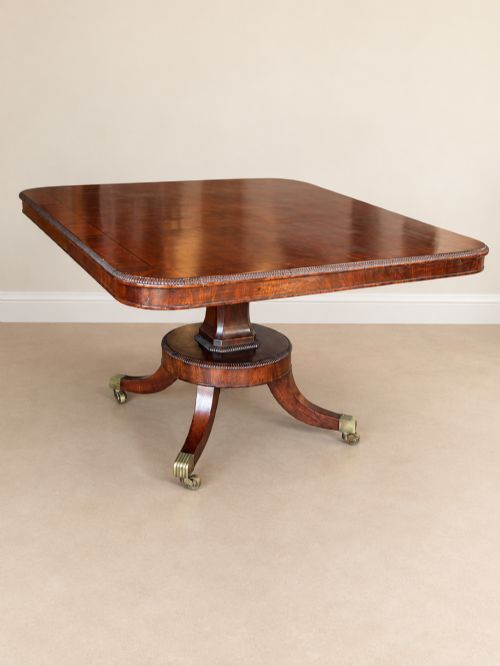
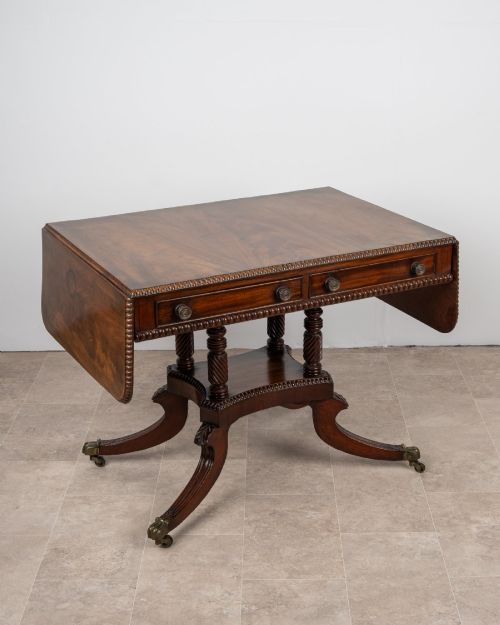
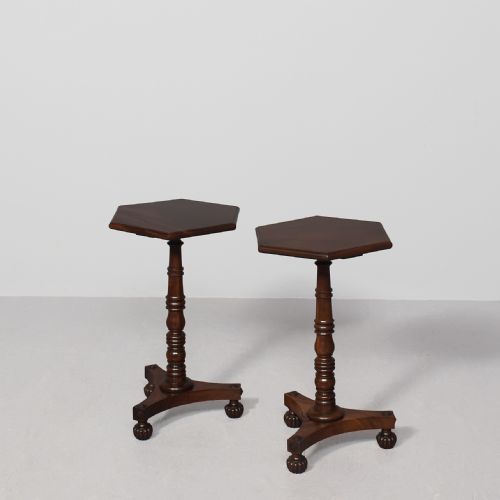
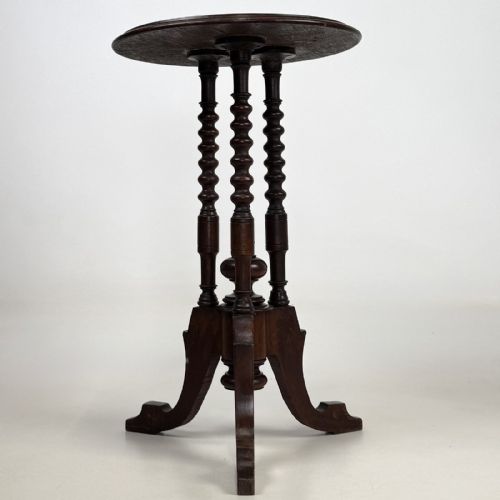
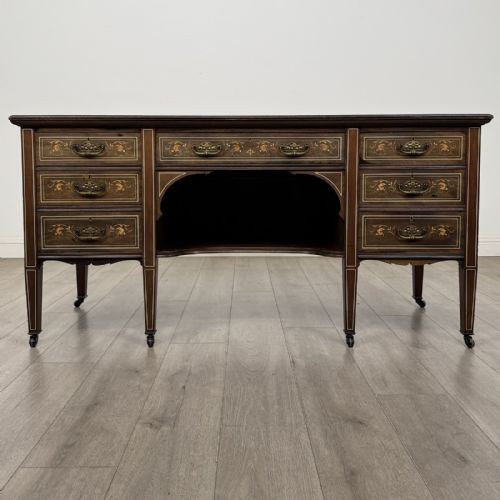
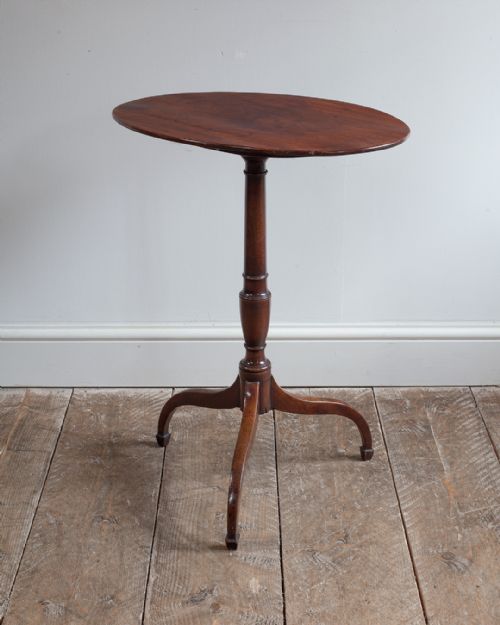
When you search for a brown wood pedestal table, you encounter a wide array of forms spanning the eighteenth, nineteenth, and early twentieth centuries. These pieces range from small tilt-top wine tables and tripod occasional tables to large multi-pillar dining tables and card tables.
The versions you are most likely to meet on this page date predominantly from the Victorian and Georgian eras, executed in rich timbers such as mahogany, walnut, and rosewood. They serve practical functions as lamp tables, side tables, and desks while anchoring a room with traditional craftsmanship.
The central pillar design allows for flexible seating around dining tables and convenient placement for occasional and side pieces. Each example reflects the period styles of its maker, from the clean lines of the Georgian period to the ornate carvings of the Victorian age.
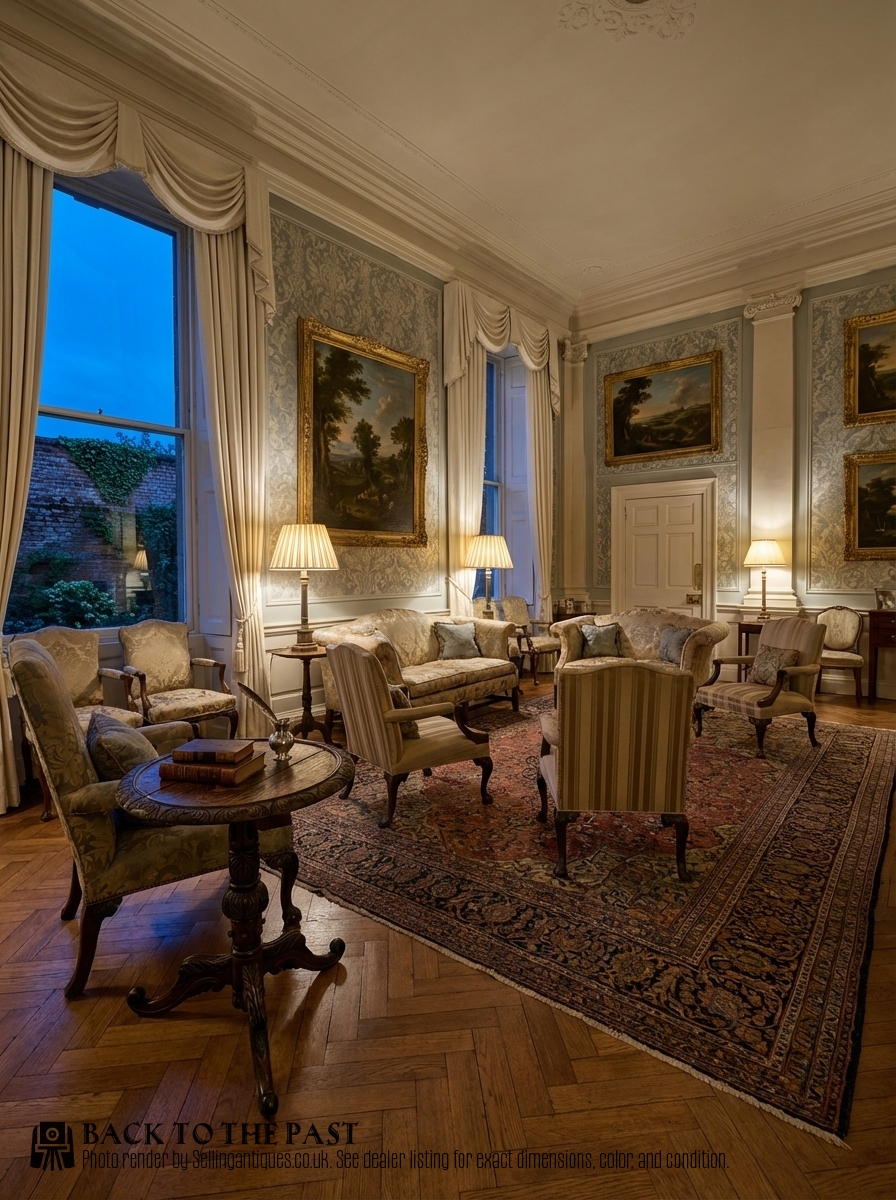
Materials and construction
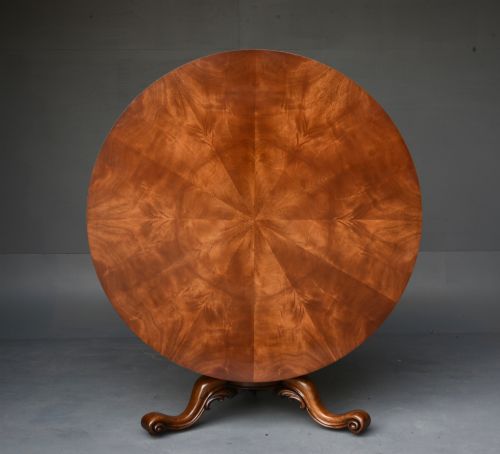
Cabinet makers utilised dense hardwoods, predominantly mahogany, walnut, and rosewood, often selecting flame mahogany or burr walnut veneers to create striking surface patterns. These timbers were chosen for their durability and capacity to take a fine polished finish.
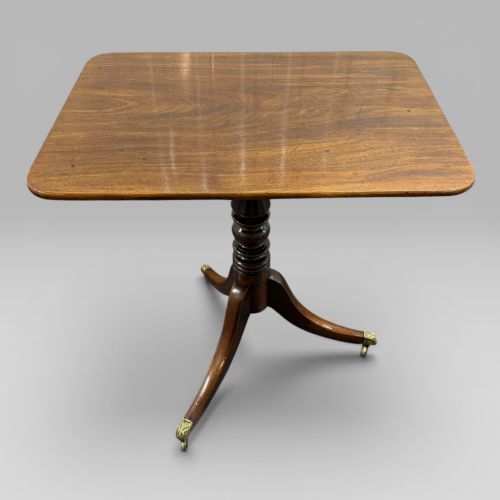
Construction techniques involve stable central pillars, sometimes resting on tripod legs or carved basket bases, paired with tilt mechanisms or fixed tops. Brass castors, leather inserts, and subtle inlaid details frequently complement the primary timber construction.
Brown Wood Pedestal Table Retail Price Guide 2026
Typical asking prices for brown wood pedestal table among the pieces listed under this phrase on Sellingantiques today, from the lower quarter to the upper quarter. They describe what is for sale here now, not the wider market.
The selection includes single pillar wine tables alongside grand triple pedestal dining tables spanning multiple historical periods.
Assessing quality and execution
Quality rests upon the selection of timber figures, such as figured mahogany or burr walnut, and the crispness of any hand-carved details on the pedestal base. Superior pieces display thoughtful grain matching across tabletops and foldover mechanisms that align precisely.
The structural integrity of the central column and its junction with the legs dictate the stability of the piece over generations. Finer examples maintain smooth operation in tilt-top mechanisms, drawers, and leaves without looseness in the joints.
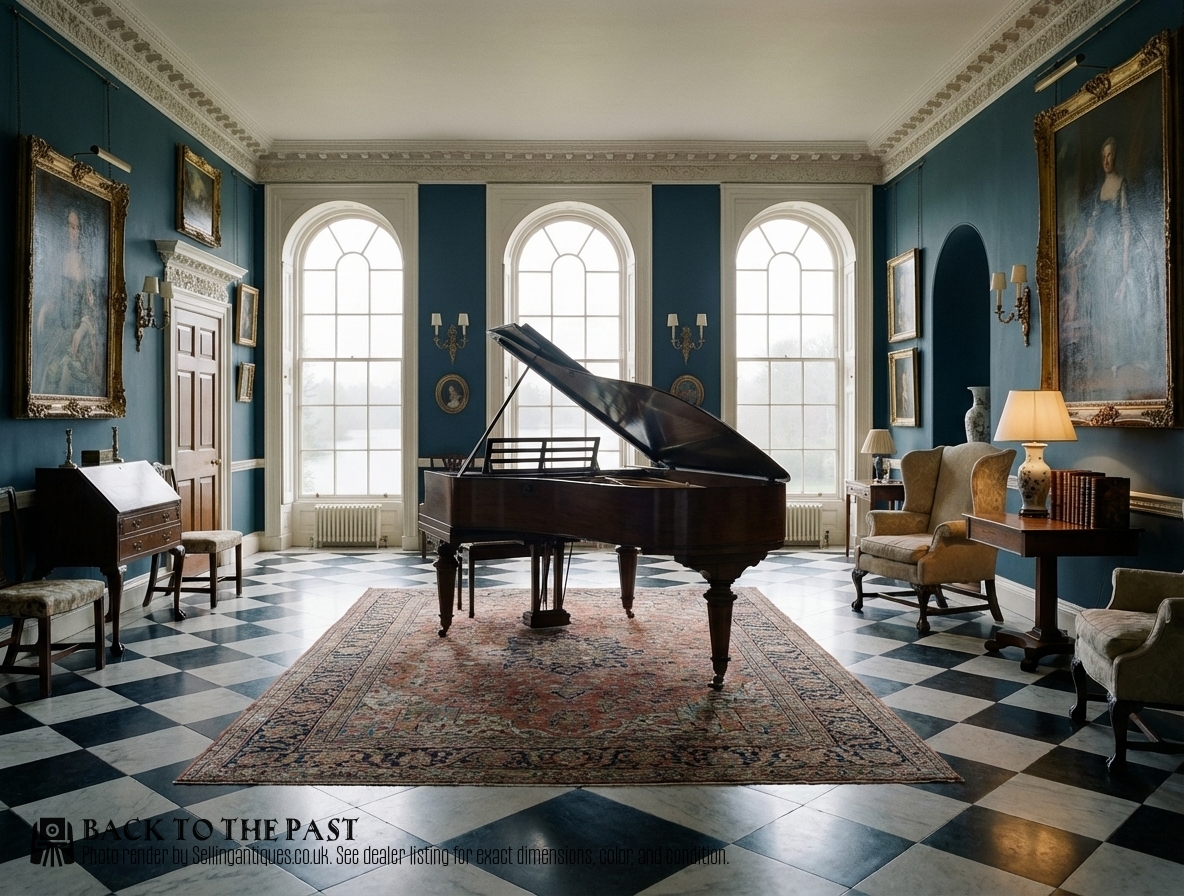
Trollope and sons·Jackson and Graham
The Brown Wood Pedestal Table Glossary
- Tilt-top table
- A table with a mechanism allowing the surface to fold vertical when not in use. This saves floor space in smaller rooms.
- Tripod table
- A small table supported by three legs branching from a central pedestal. They appear frequently in occasional and wine table forms.
- Flame mahogany
- A veneer cut from timber where the grain resembles flickering flames. It creates a highly decorative pattern on tabletops.
- Card table
- A folding table designed for gaming, featuring a top that opens to reveal a baize-lined playing surface. Many include internal compartments for counters.
- Pedestal base
- A single central support holding up the tabletop, sometimes dividing into multiple pillars for larger dining furniture.
Brown Wood Pedestal Table: Frequently Asked Questions
What is a tilt-top table used for?
A tilt-top table served as a versatile piece that could be pushed against a wall when not in use to save valuable floor space.
In period homes, owners tilted the tops to display the decorative wood grain or to clear the centre of a room during social gatherings.
How do I care for a mahogany table?
Maintenance involves dusting with a soft cloth and occasionally applying natural beeswax to nourish the timber grain.
Keep these tables away from direct heat sources and strong sunlight to prevent the wood from drying out or the polish from fading.
What is a pedestal dining table?
A pedestal dining table uses one or more central columns to support a long or circular top instead of traditional corner legs.
This design allows diners to sit comfortably around the perimeter without legs obstructing chairs or knees.
How can I tell a Georgian table apart?
Georgian tables typically display restrained elegance, often featuring straight or cabriole legs and solid mahogany construction without heavy Victorian ornamentation.
Proportions remain balanced, and decorative elements focus on fine timber figures rather than elaborate carving.