


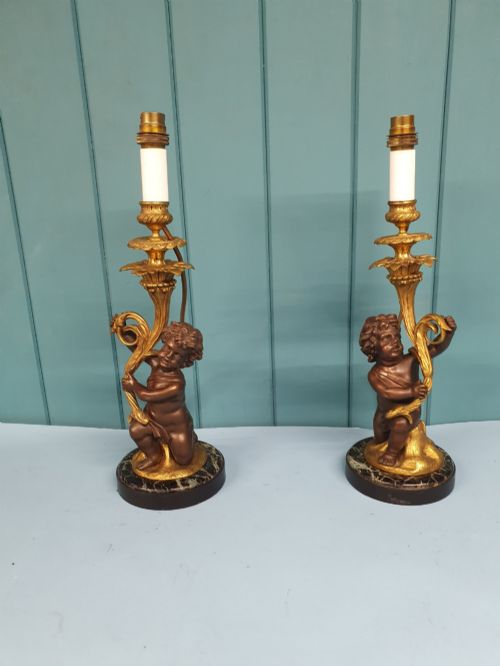
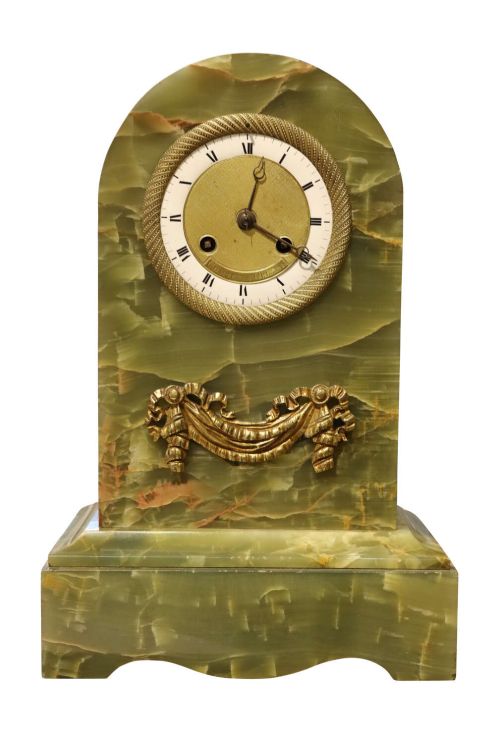
Gilt Bronze Table
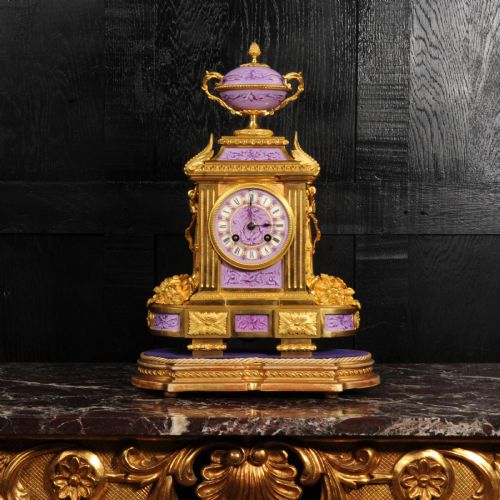
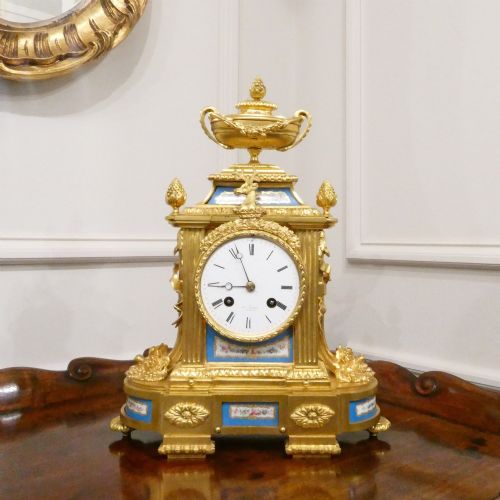
When you search for a gilt bronze table, you find pieces defined by cast metal mounts and timber frames originating in nineteenth-century French workshops.
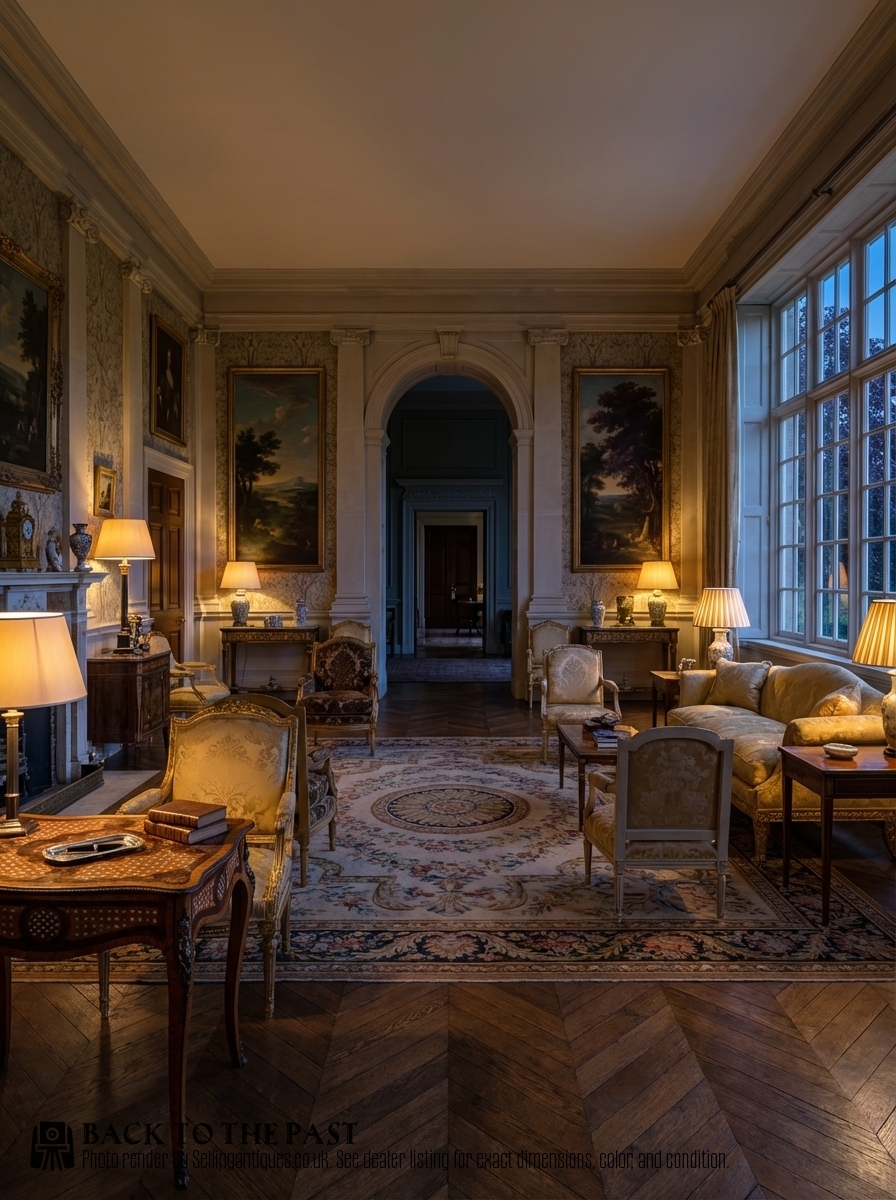
Gilt Bronze Table
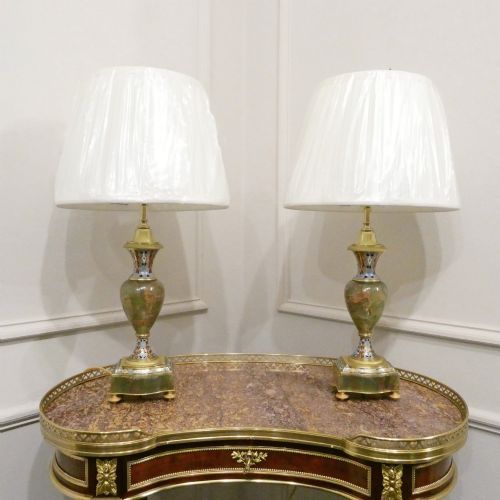
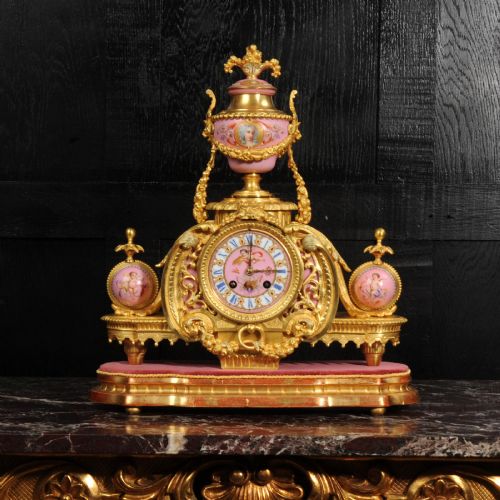
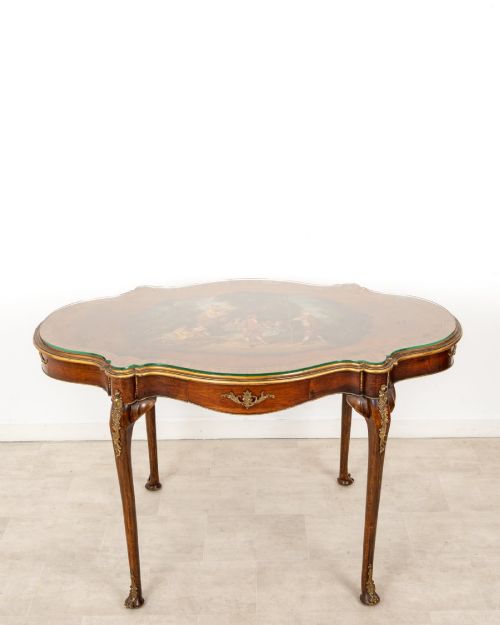
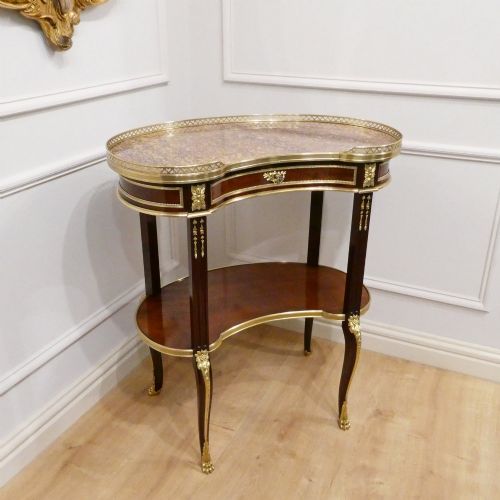
A gilt bronze table encompasses diverse forms from nineteenth-century France, ranging from centre tables and gueridons to refined writing desks and smaller occasional pieces. These items frequently display classical revival styles such as Louis XVI or French Rococo, integrating cast metallic elements with wooden structures.
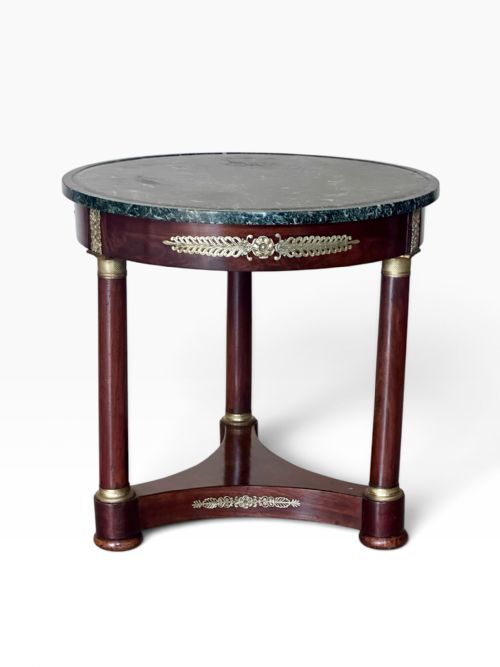
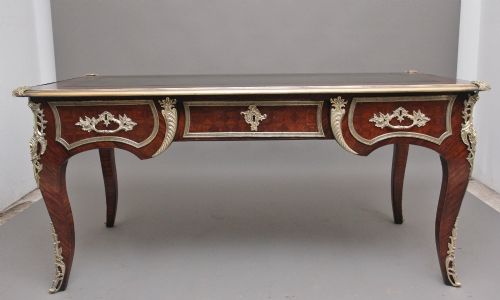
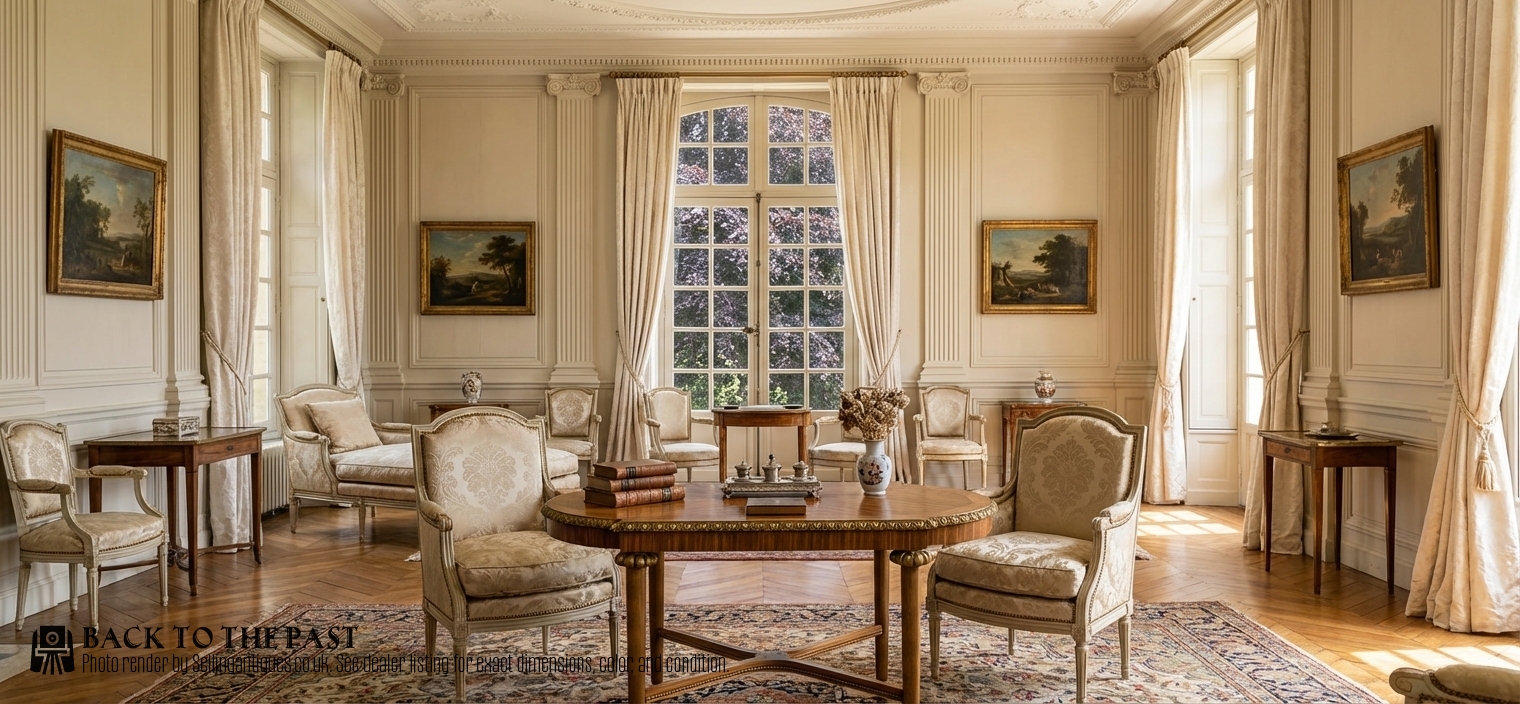
The most common examples encountered on this page combine gilded bronze mounts with timbers like kingwood, mahogany, or satinwood, often topped with marble or glass. Bureau plats and freestanding occasional tables dominate the selection, reflecting the high output of Parisian cabinetmakers during the period.
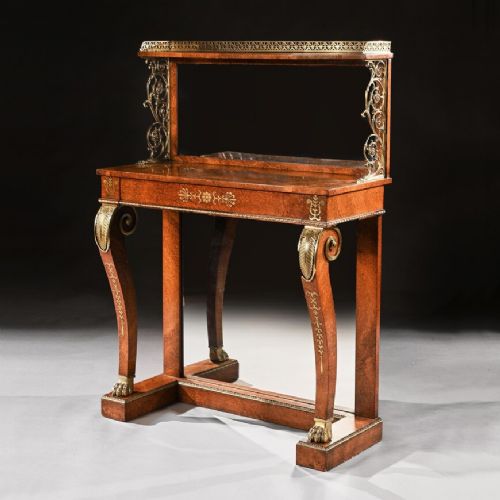
Beyond standard tables, related pieces sharing similar metalwork ornamentation include writing desks, console tables, and occasional stands. Their primary function historically was both utility and display within formal nineteenth-century salons.
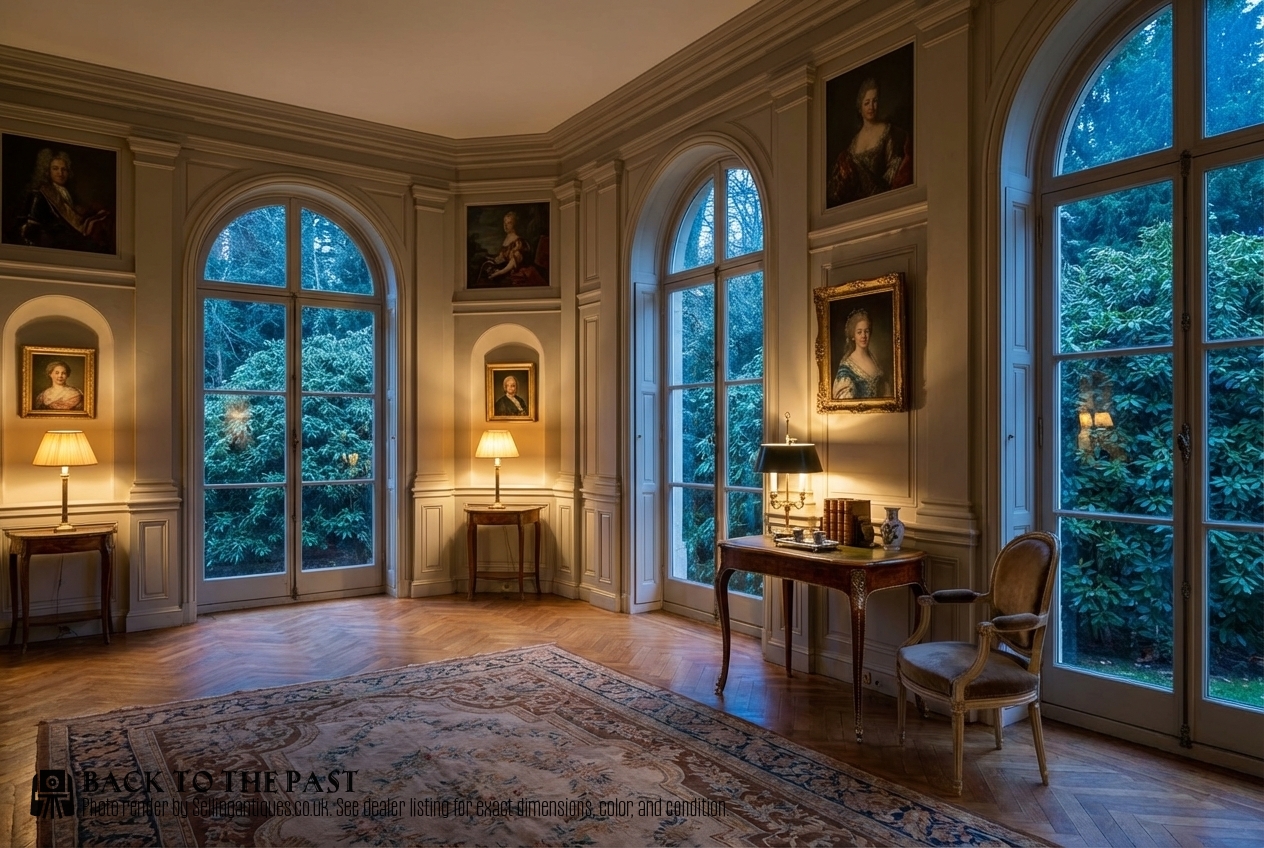
How They Were Made
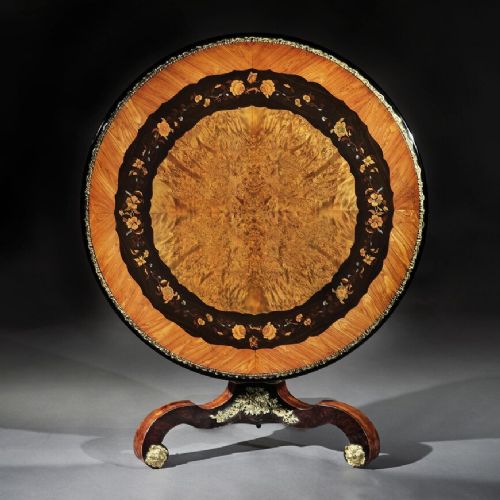
Craftsmen built the underlying carcass of each table using dense timbers like mahogany or kingwood, frequently applying elaborate marquetry or parquetry veneers in geometric and floral patterns. Ormolu mounts, cast in bronze and heavily gilded, were then meticulously fitted to the corners, legs, and aprons to accent the wooden frames.
Surface decoration relied heavily on fire-gilding techniques for the bronze elements, producing a durable, warm metallic lustre that contrasted sharply with polished wood or inset marble slabs. Advanced joinery and internal mechanisms, such as those found on sophisticated occasional desks, required precise hand-fitting by skilled cabinetmakers.
Gilt Bronze Table Retail Price Guide 2026
Typical asking prices for gilt bronze table among the pieces listed under this phrase on Sellingantiques today, from the lower quarter to the upper quarter. They describe what is for sale here now, not the wider market.
Listings feature eighteenth-century to Edwardian periods, utilising materials such as ormolu, kingwood, marble, and porcelain across diverse table forms.
What Varies in Quality
The refinement of the cast bronze mounts separates standard production from exceptional work, visible in the depth of chasing and the crispness of detail in foliage or figural motifs. Master workshops employed skilled artisans to hand-chase the metal after casting, sharpening edges and adding texture that lesser pieces lack.
Timber selection and veneer matching further dictate the standing of a piece, with figured kingwood or amboyna laid in complex symmetrical patterns indicating superior manufacture. The integration between the bronze mounts and the wooden carcass reveals the maker's hand, where mounts fit flush without gaps or awkward fastenings.
Edward Holmes Baldock·Achille Brocot·Henry Marc·Maison Millet·Charles a Orleans·Japy Freres·Samuel Marti·Francois Linke·Edwards and Roberts·Joseph Emmanuel Zwiener·Paul Sormani·Gervais Durand·Donald Ross
The Gilt Bronze Table Glossary
- Ormolu
- High-quality gilded bronze achieved through the application of a mercury-gold amalgam before being fired. This technique produces a deep, lasting golden sheen characteristic of luxury nineteenth-century French furniture.
- Bureau plat
- A freestanding double-sided writing desk featuring a rectangular top and drawers along the frieze. These desks typically display extensive ormolu mounts framing leather-lined writing surfaces.
- Gueridon
- A small, round occasional table supported by a central pillar or multiple legs. Originating in the seventeenth century, nineteenth-century revivals frequently paired them with marble tops and gilt bronze mounts.
- Marquetry
- The art of applying decorative veneer pieces of different woods to a structural panel to form intricate pictures or geometric designs. Master cabinetmakers used contrasting grains to create illusionistic depth.
- Champleve
- An enamelling technique where troughs are carved into a metal surface and filled with vitreous enamel before firing. It appears frequently on decorative mounts and clock faces alongside gilt bronze.
Gilt Bronze Table: Frequently Asked Questions
What is a gilt bronze table?
A gilt bronze table is a piece of nineteenth-century furniture, predominantly French in origin, featuring cast bronze ornamentation finished with gold gilding. These items combine wooden frames like kingwood or mahogany with decorative metal mounts.
Such tables served as functional writing surfaces, display stands, or centrepieces in formal reception rooms. Their design often draws inspiration from earlier royal styles such as Louis XV and Louis XVI.
How do I identify French revival styles?
French revival styles are identified by specific decorative motifs and structural forms borrowed from earlier historic periods. Louis XVI revival pieces display neoclassical symmetry, straight tapered legs, and crisp geometric ormolu mounts.
In contrast, Louis XV and Rococo revival versions embrace asymmetrical curves, scrolling foliage, and flamboyant cast bronze sabots and handles. Examining the overall silhouette usually reveals which historical reign inspired the maker.
Where should I place a bureau plat?
A bureau plat is traditionally placed floating in the centre of a room rather than pushed against a wall. Because these desks are finished with ornate ormolu mounts on all sides, they are designed to be viewed from any angle.
In a modern interior, they function well as executive desks or statement console pieces in spacious studies or living areas. Their finished backs make them ideal centrepieces for open-plan spaces.
How do I care for ormolu mounts?
Ormolu mounts require gentle dusting with a soft, dry cloth to prevent the accumulation of dirt in recessed chased areas. Avoid using harsh chemical polishes or abrasive cleaners, which can strip away the historic gold layer.
Maintaining a stable room environment away from direct sunlight and excessive humidity also helps preserve both the gilded metal and the underlying timber.