



Napoleon III Desk
When you search for a napoleon iii desk, you are looking at nineteenth-century French writing furniture defined by opulent revival styles and meticulous craftsmanship.
Napoleon III Desk
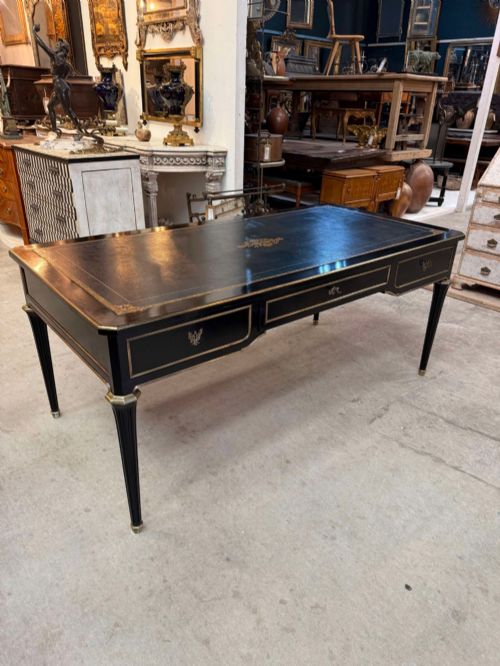
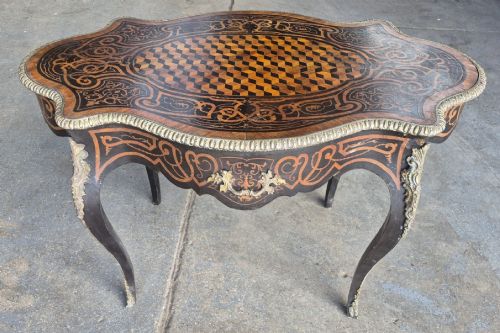
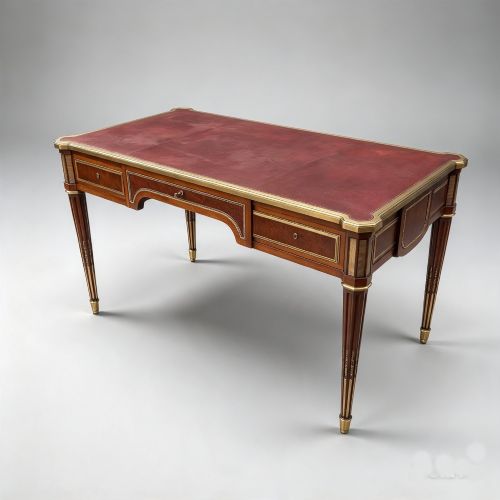
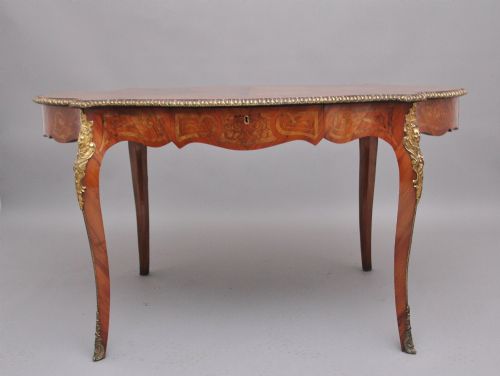
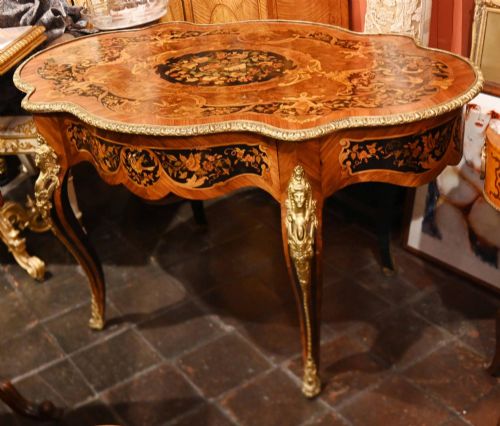
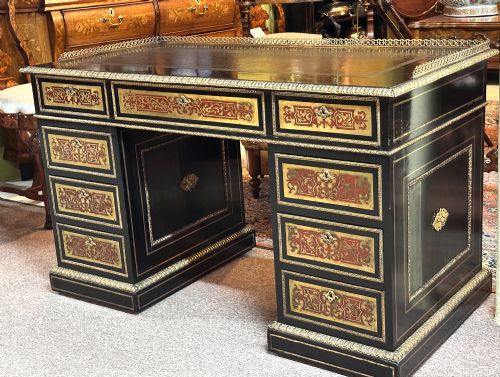
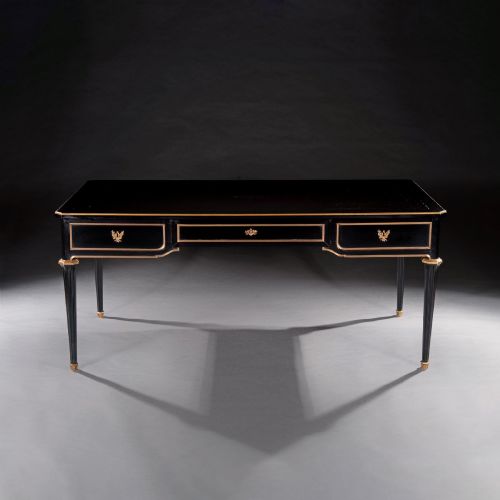
A napoleon iii desk encompasses freestanding bureau plats, compact bonheur-du-jour writing cabinets, and fall-front secrétaire abattant desks originating primarily from the nineteenth century. These forms reflect the eclectic tastes of the Second Empire, drawing heavily on Louis XV and Louis XVI revivals alongside distinct French court aesthetics. You will frequently encounter ebonised or rosewood bodies enhanced by intricate brass inlay and gilt-metal mounts.
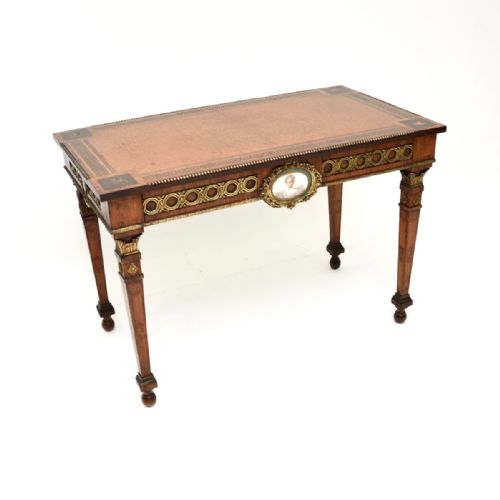
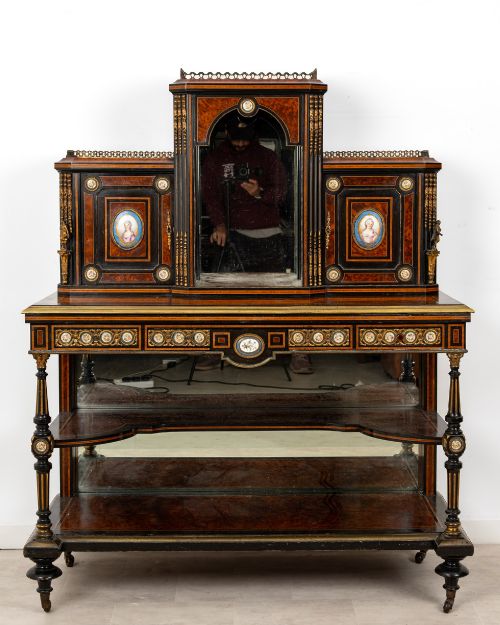
The desks range from simple writing tables to elaborate workstations fitted with tiers, drawers, and matching inkstands. Many incorporate decorative porcelain plaques or delicate parquetry patterns across the writing surface and superstructure. Such pieces served both utilitarian writing purposes and as striking centrepieces for formal nineteenth-century salons.
How they were made
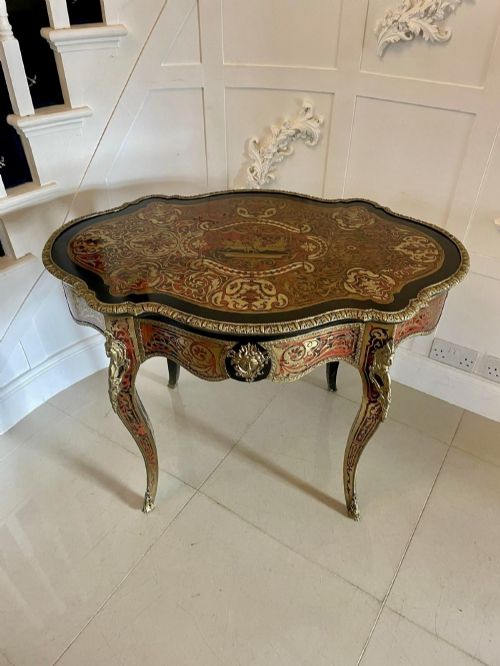
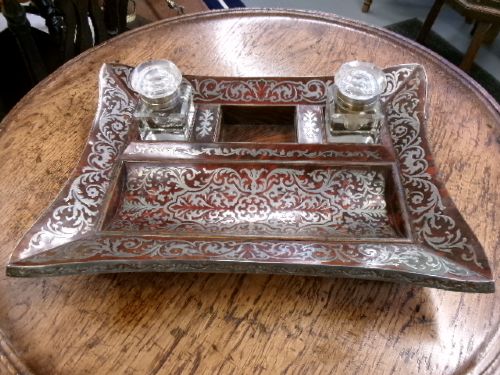
Cabinetmakers utilised dense foundational timbers like walnut, mahogany, and rosewood, frequently applying ebonised finishes to mimic exotic hardwoods. Surfaces often received elaborate marquetry, parquetry, or boulle work, which involves meticulously cutting and embedding tortoiseshell and brass into the wooden carcass. These complex wooden structures required precise joinery to support heavy decorative elements without warping.
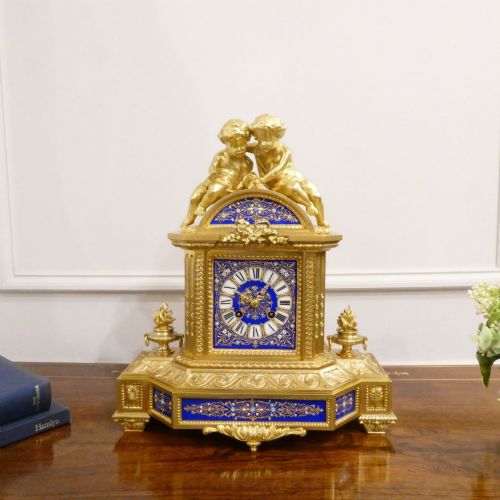
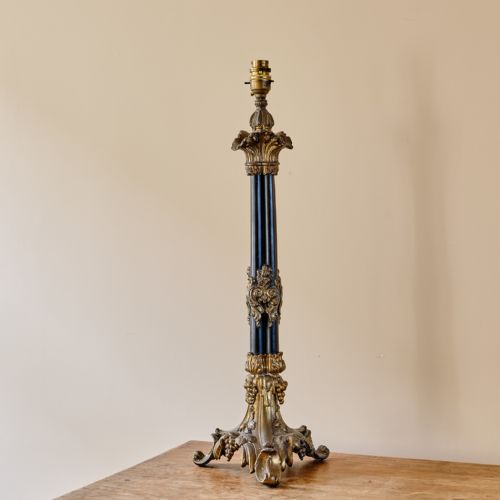
Metal ornamentation played a central role, with heavy employment of cast ormolu and gilt bronze mounts framing drawers, corners, and legs. Porcelain plaques, often painted with classical motifs or floral scenes, were integrated directly into the cabinetry alongside polished brass galleries and key escutcheons.
Napoleon III Desk Retail Price Guide 2026
Typical asking prices for napoleon iii desk among the pieces listed under this phrase on Sellingantiques today, from the lower quarter to the upper quarter. They describe what is for sale here now, not the wider market.
Listings feature nineteen-century pieces incorporating brass, ormolu, ebonised wood, and porcelain.
What varies in quality
The refinement of the casting in the ormolu mounts separates standard production from exceptional examples, as sharper chisel work and heavier gilding denote superior workshops. The complexity and precision of the brass and tortoiseshell inlay also indicate the maker's skill, with tighter joints and subtler engraving commanding greater regard. Furthermore, the selection of secondary woods and the symmetry of the grain patterns across parquetry surfaces reveal the underlying ambition of the piece.
Achille Brocot·Maison Millet
The Napoleon III Desk Glossary
- Bureau plat
- A freestanding writing table fitted with drawers across the frieze, typically finished on all sides for placement in the centre of a room.
- Bonheur-du-jour
- A light ladies' writing desk featuring a small cabinet or set of drawers and pigeonholes mounted upon the upper surface.
- Ormolu
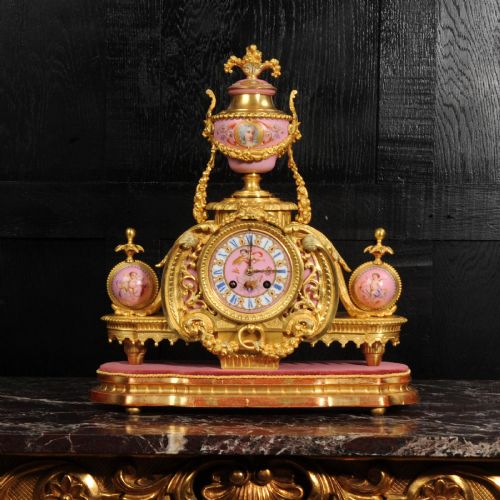
- Gilt bronze ornamentation cast and chased by hand, applied extensively to furniture mounts, clock cases, and desk accessories during the nineteenth century.
- Boulle work
- A form of marquetry utilising contrasting sheets of brass and tortoiseshell, developed during the seventeenth century and revived extensively during the Second Empire.
- Parquetry
- Geometric wood-mosaic work used to create decorative patterns across table tops and drawer fronts.
Napoleon III Desk: Frequently Asked Questions
How do I care for ebonised wood?
Ebonised wood requires gentle treatment to preserve the dark, polished finish without stripping the underlying stain or lacquer. Dust the surface regularly with a soft, dry cloth and avoid placing the furniture in direct sunlight.
Keep the timber away from extreme temperature fluctuations and moisture to prevent the wood from splitting or the gilt mounts from tarnishing. Occasional application of suitable furniture wax helps maintain the lustre of the finish.
What is boulle work?
Boulle work is a decorative technique involving tortoiseshell and brass cut together into intricate scrollwork and floral patterns. It is named after André-Charles Boulle and was revived with great skill during the nineteenth century.
The contrasting materials create a striking visual texture that catches the light across desk surfaces and cabinet doors. This delicate craft requires meticulous adherence to ensure the metal and shell remain flush with the timber.
How do I identify a bonheur-du-jour?
A bonheur-du-jour is recognised by its compact form, featuring a small desk surface topped by a raised cabinet with shelves, drawers, or pigeonholes. These pieces were designed as ladies' writing desks for the private boudoir or salon.
They frequently incorporate fine ormolu mounts, porcelain plaques, and delicate legs that distinguish them from heavier, masculine library desks. Their smaller scale makes them adaptable for placement in modern living spaces.