
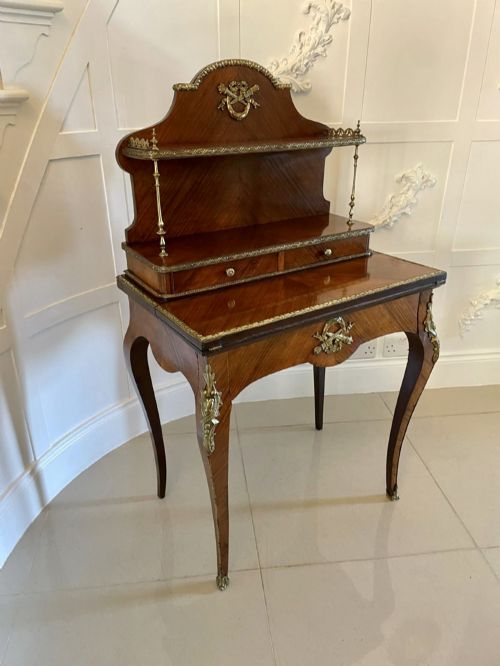
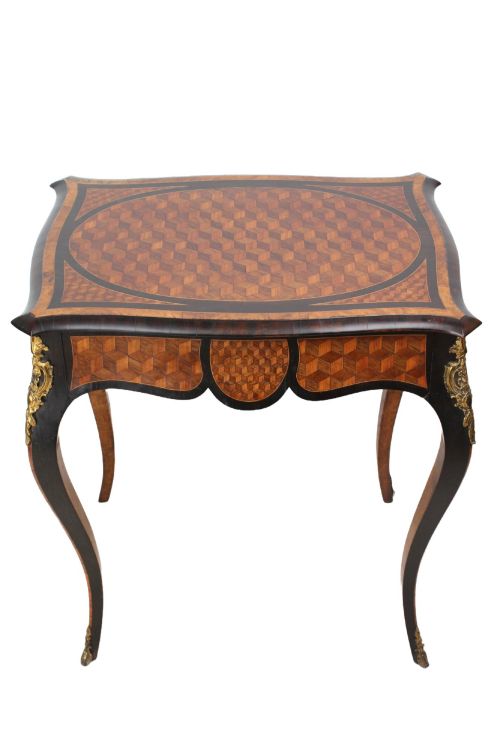
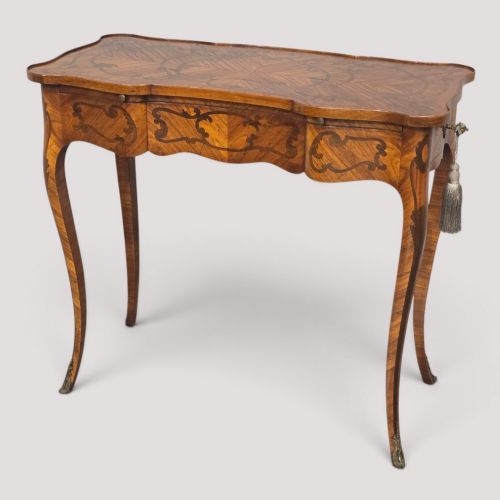
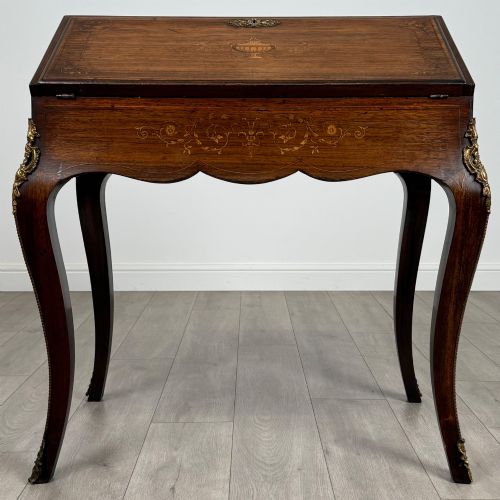
Louis XV Bureau
When you search for a louis xv bureau, you enter a world of serpentine curves, rich veneers and gilt bronze mounts designed for elegant correspondence.
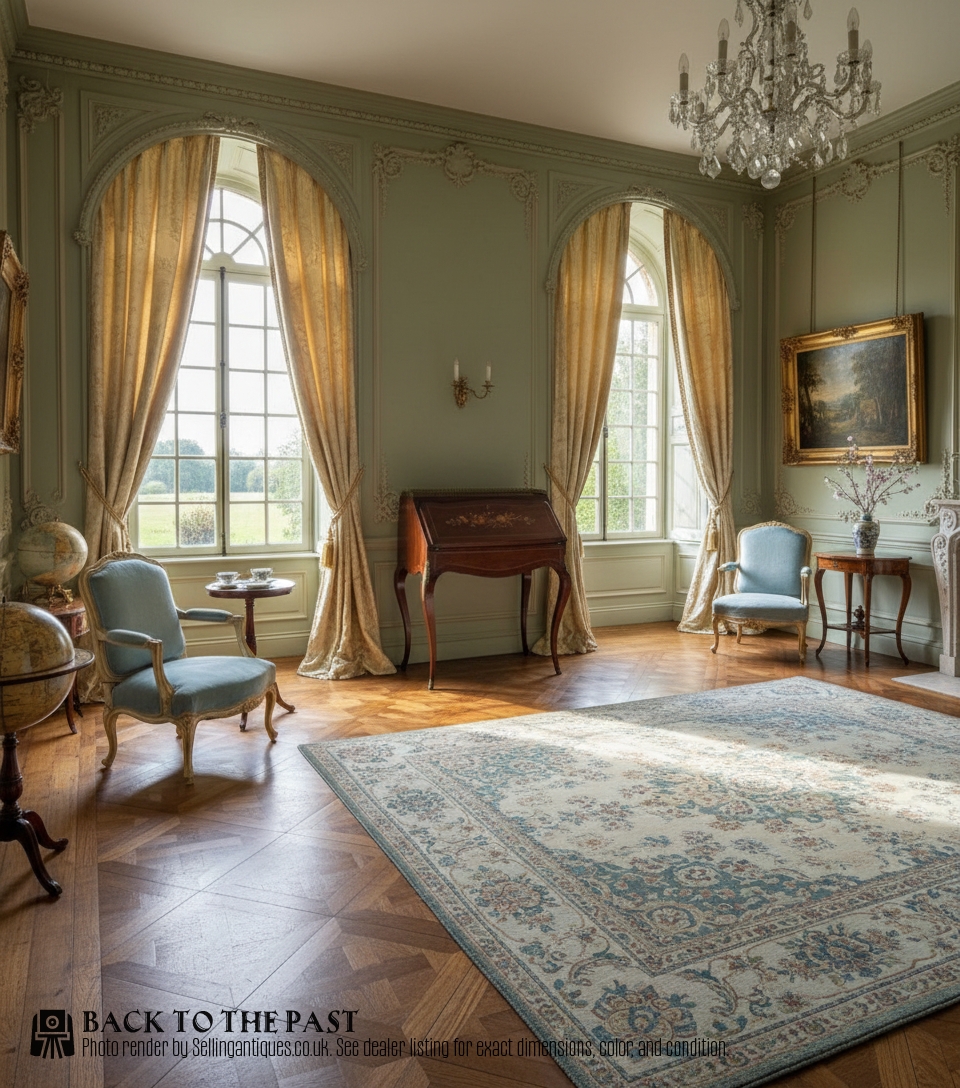
Louis XV Bureau
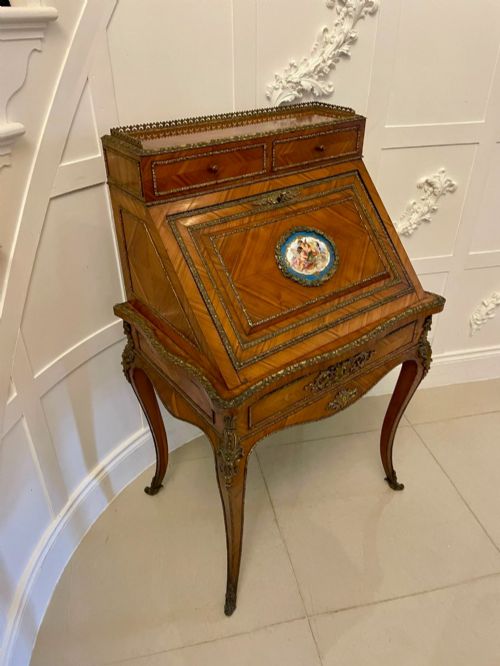
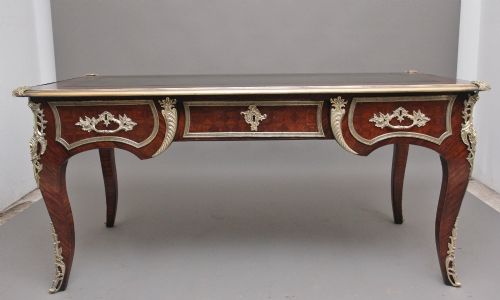
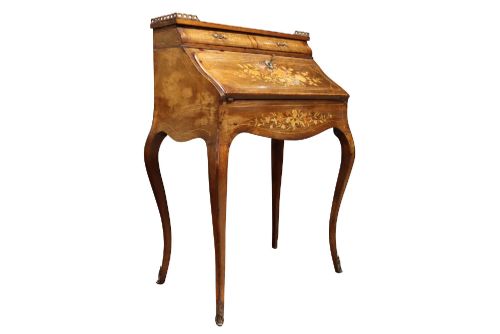
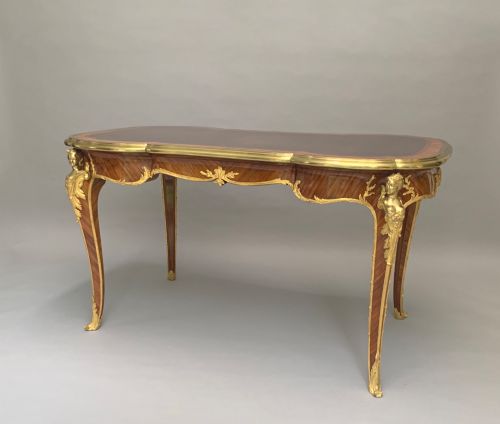
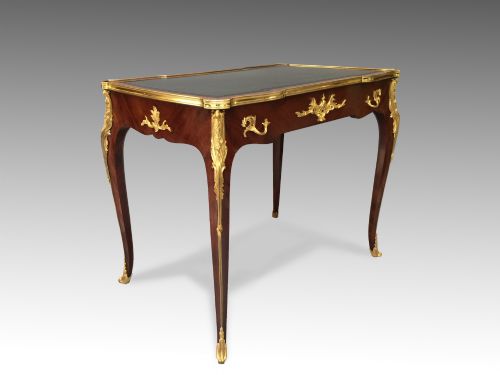
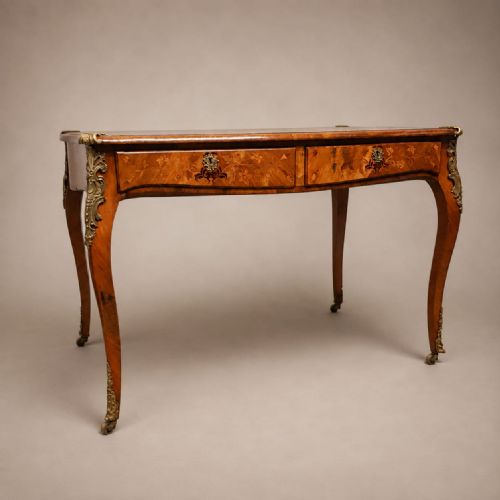
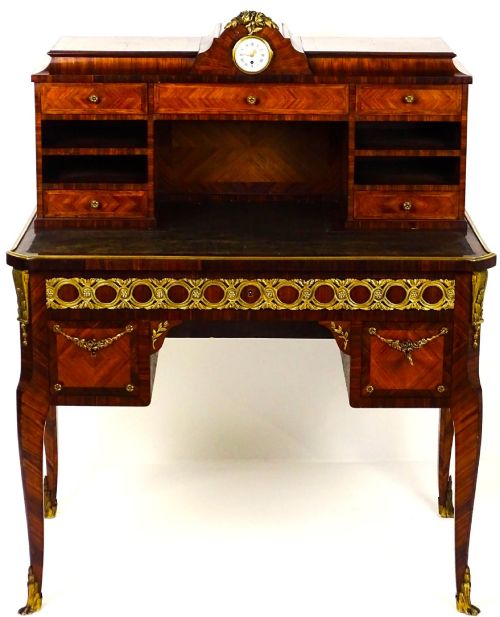
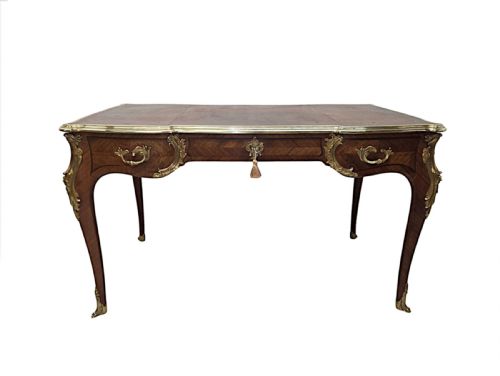
A louis xv bureau encompasses various writing furniture styles, predominantly taking the form of the bureau plat, the bureau de dame, or the smaller bonheur du jour. These pieces trace their origins to 18th-century French design, though the majority encountered today date from the 19th-century revival periods.
Makers of the 19th century adapted the flowing asymmetric lines of the original rococo style into freestanding writing desks and cylinder bureaus for Victorian drawing rooms. Walnut, kingwood and rosewood form the structural basis of these items, often finished with tooled leather writing surfaces.
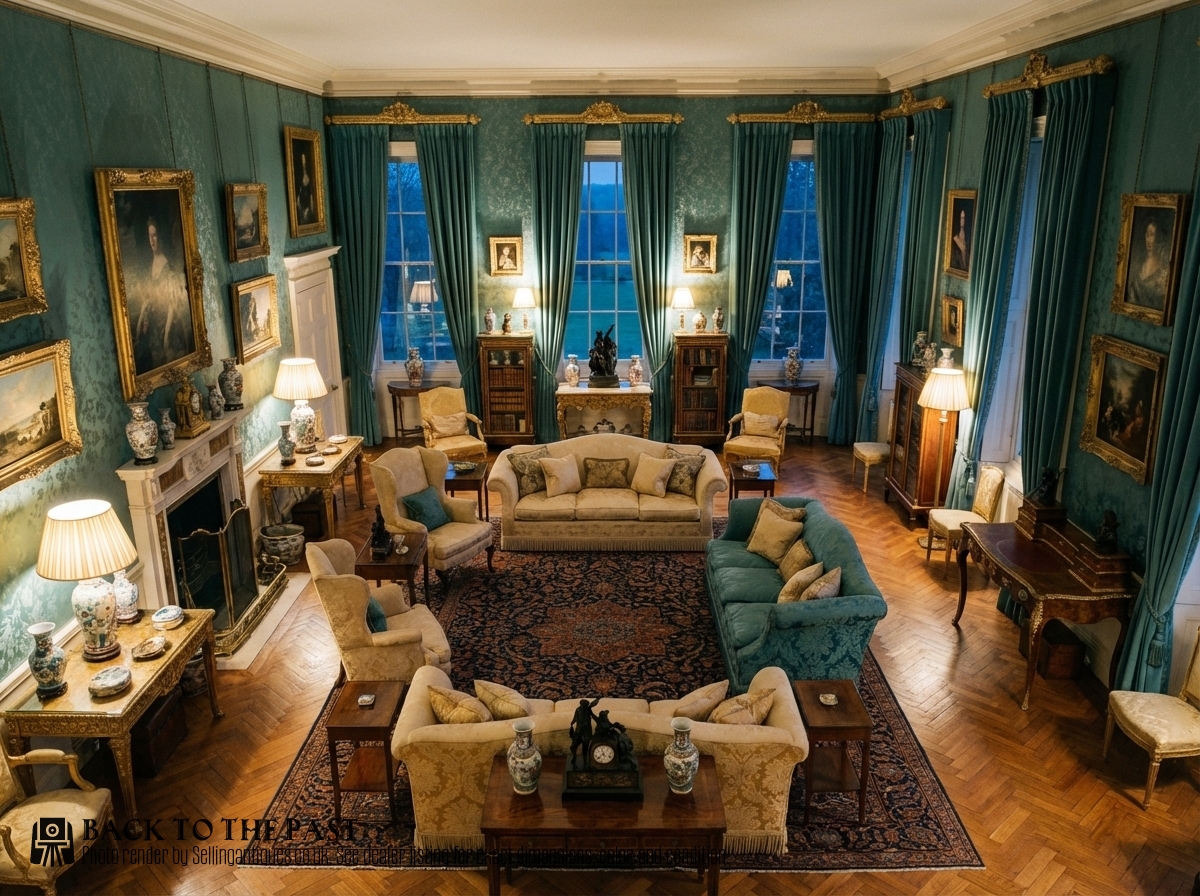
Materials and Technique
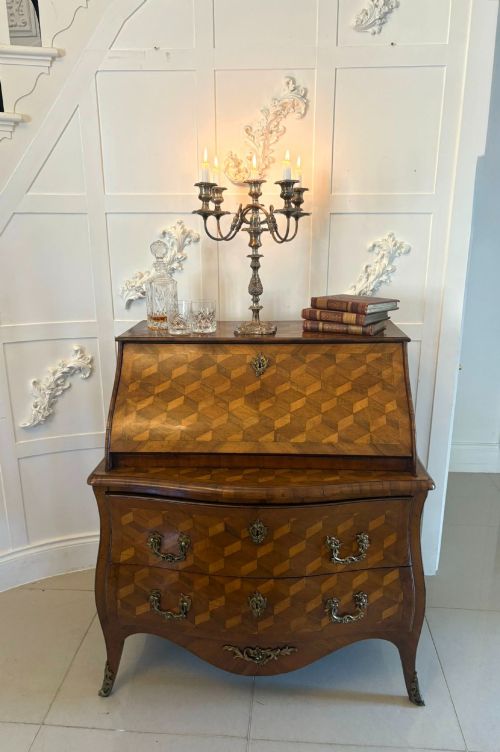
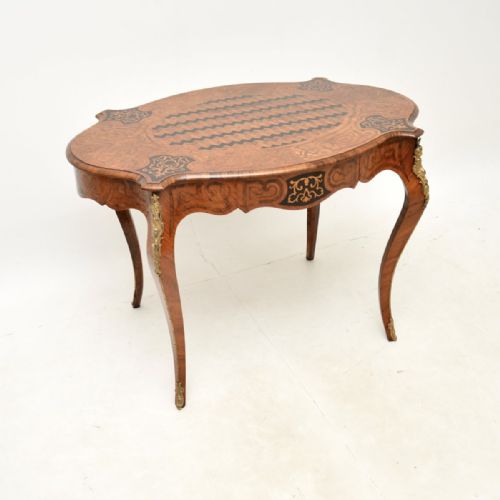
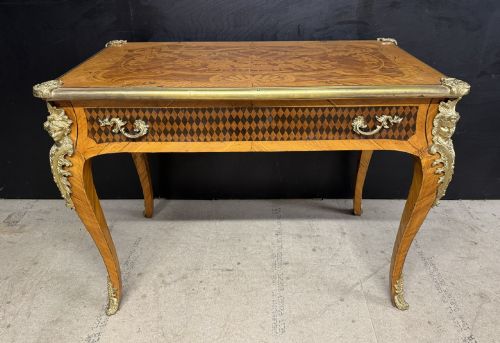
Craftsmen built these desks using native hardwoods like walnut and mahogany as carcasses, overlaid with exotic decorative veneers such as kingwood, tulipwood and rosewood. Marquetry and parquetry patterns arranged in geometric or floral motifs demonstrate the high level of joinery skill required.
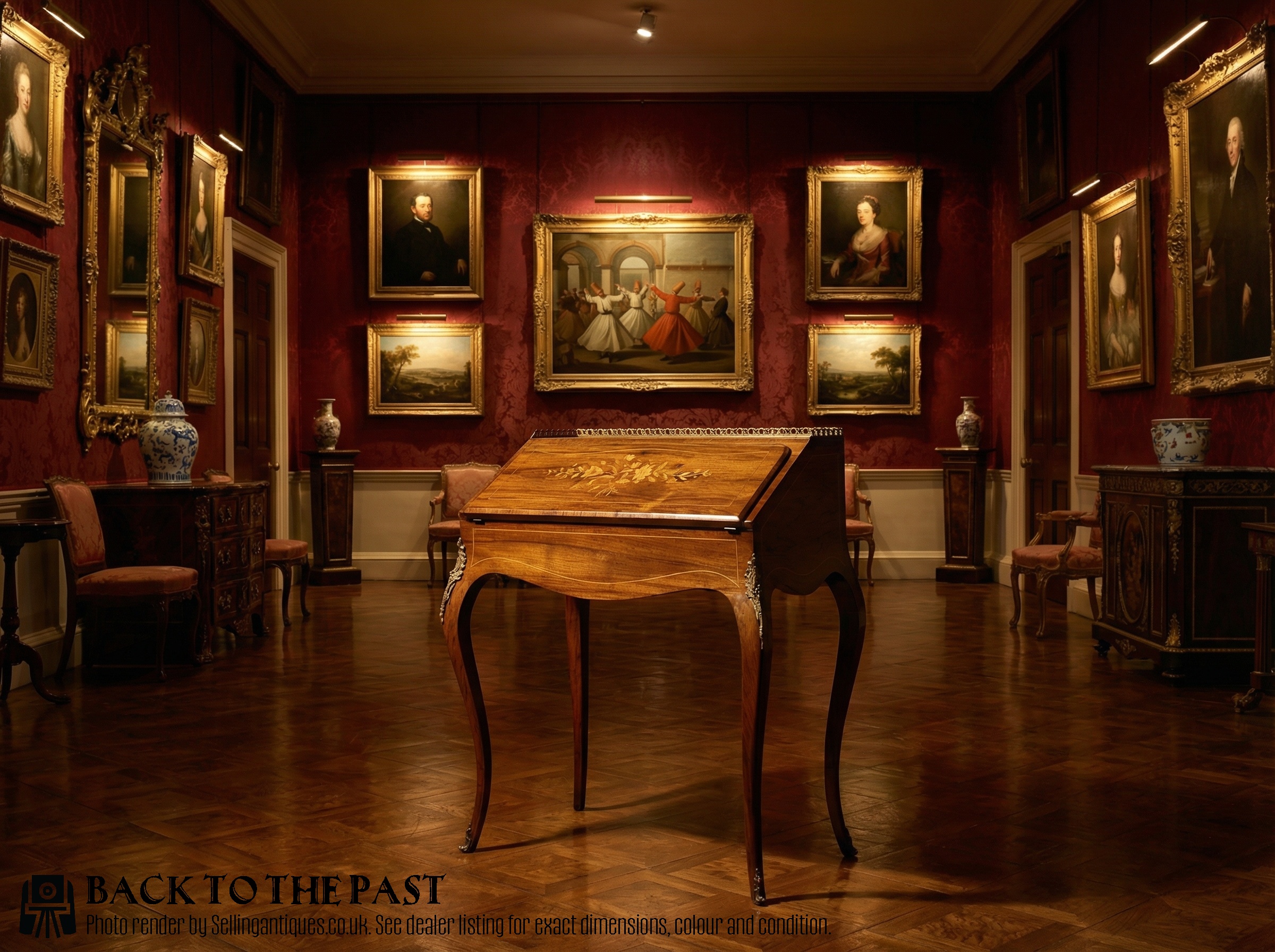
Gilt bronze and ormolu mounts accentuate the curved contours of the cabriole legs and aprons, while brass sabots protect the foot terminals. Leather inserts, frequently gold-tooled, provide the traditional writing plane across bureau plats and writing tables.
Louis XV Bureau Retail Price Guide 2026
Typical asking prices for louis xv bureau among the pieces listed under this phrase on Sellingantiques today, from the lower quarter to the upper quarter. They describe what is for sale here now, not the wider market.
Listings feature walnut, kingwood, rosewood, and mahogany surfaces accented with ormolu mounts and leather writing inserts.
Judging Quality
The distinction between ordinary and exceptional pieces lies in the crispness of the ormolu casting and the precision of the veneer work. Finer examples display hand-chased gilt bronze mounts that integrate seamlessly with the timber contours rather than appearing cast from worn moulds.
Subtlety of line and proportion also define the upper tier, where serpentine fronts and bombe shapes exhibit balanced rhythm without stiffness. The depth of tone in the wood selection and the complexity of the parquetry inlay further elevate the status of a desk.
Francois Linke·Edwards and Roberts·Paul Sormani·Durand·Alphonse Tahan
The Louis XV Bureau Glossary
- Bureau plat
- A freestanding writing table fitted with drawers in the frieze, designed to sit in the centre of a room rather than against a wall.
- Ormolu
- Gilded bronze ornamentation applied to furniture mounts, cast and chased by hand to highlight decorative details.
- Marquetry
- The art of forming decorative patterns using thin veneers of different coloured woods, arranged on the surface of a desk.
- Cabriole leg
- A furniture leg that bends outward in a convex curve and tapers inward in a concave curve, typical of rococo design.
- Bonheur du jour
- A light lady's writing desk featuring a small cabinet or set of drawers on the upper surface.
Louis XV Bureau: Frequently Asked Questions
What is a bureau plat?
A bureau plat is a double-sided writing table featuring a flat top, often inset with leather, and drawers built into the frieze beneath. These tables were designed to stand away from walls in the middle of a grand apartment.
The form lacks the sloping fall-front of a traditional bureau, offering instead an open working surface supported by cabriole or tapered legs.
How do I distinguish 18th-century pieces?
Authentic 18th-century pieces exhibit construction methods, timber ageing, and hand-cut dovetails appropriate to the pre-industrial period. Makers from that era utilised native European oaks and pines for secondary framing timbers beneath the luxury veneers.
Revival pieces from the 19th century often display machine-sawn components and standardised hardware, even when utilising older stylistic vocabularies.
Where should I place a bureau?
Freestanding bureau plats and centre tables suit open spaces where their finished backs and decorative ormolu mounts remain visible from all angles. Bonheur du jour desks fit smaller sitting rooms or bedrooms where a delicate writing surface is preferred.
Keep wooden items away from direct heat sources and strong sunlight to prevent the delicate Kingwood and rosewood veneers from drying out.
What defines Louis XV style?
The Louis XV style relies on asymmetry, organic curves, and the absence of straight lines, drawing inspiration from natural forms like shells and foliage. Cabriole legs, serpentine outlines, and sweeping floral marquetry dominate this aesthetic.
Ormolu mounts emphasise these flowing contours, framing the edges of drawers and protecting the vulnerable feet of the desk.