
Gilt Bronze Desk
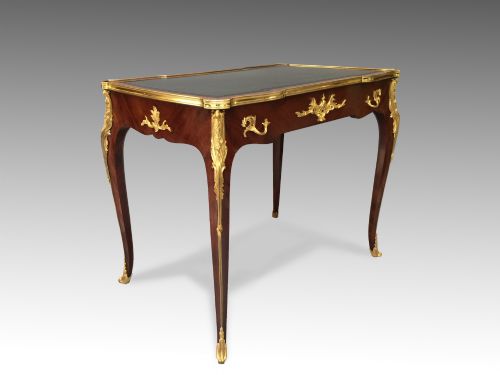
When you search for a gilt bronze desk, you enter a world of nineteenth-century French writing furniture finished with cast metal mounts.
Gilt Bronze Desk
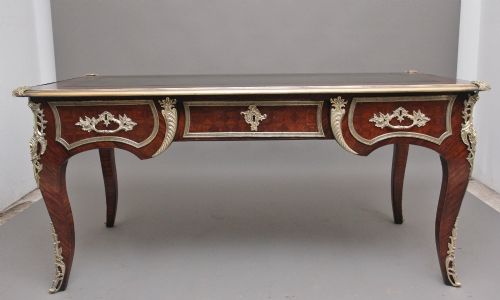
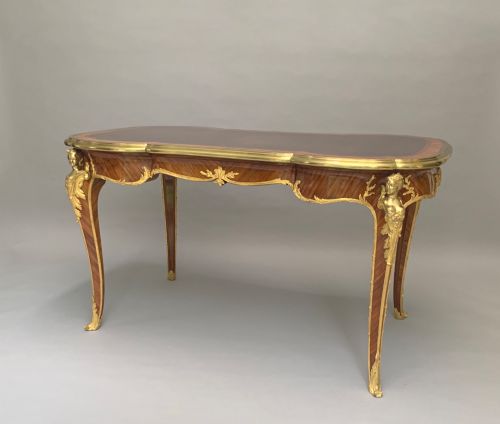
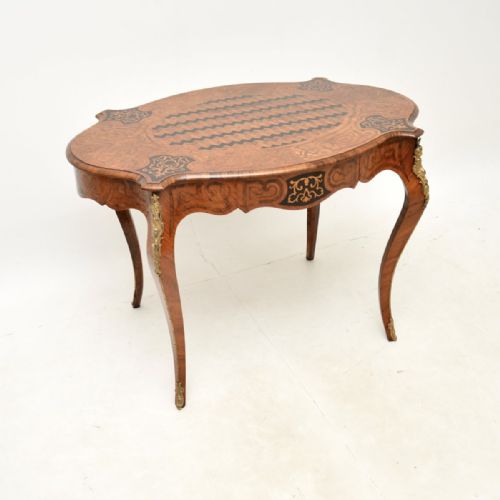
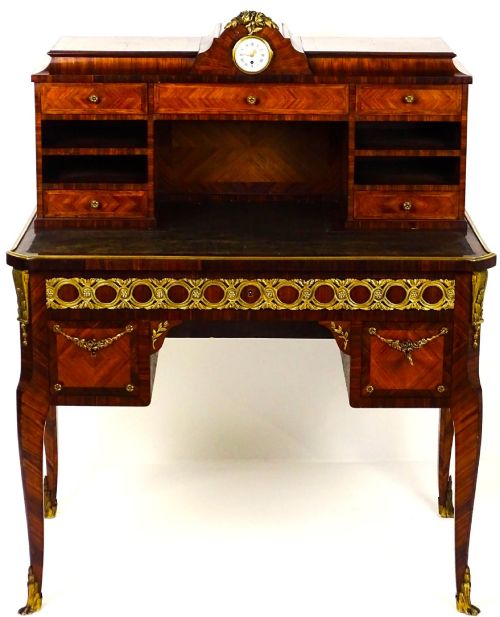
A gilt bronze desk typically takes the form of a nineteenth-century French bureau plat, cylinder desk, or writing table designed for formal libraries and studies. These pieces frequently manifest in revival styles such as Louis XV, Louis XVI, and Empire, reflecting historical French design vocabularies.
The buyer encounters writing surfaces lined with leather accompanied by matching parquetry or marquetry in woods like kingwood and rosewood. Ormolu mounts applied to drawers, aprons, and corners define the primary aesthetic of these items.
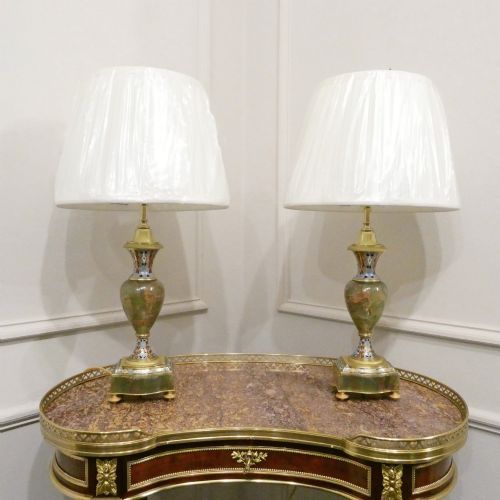
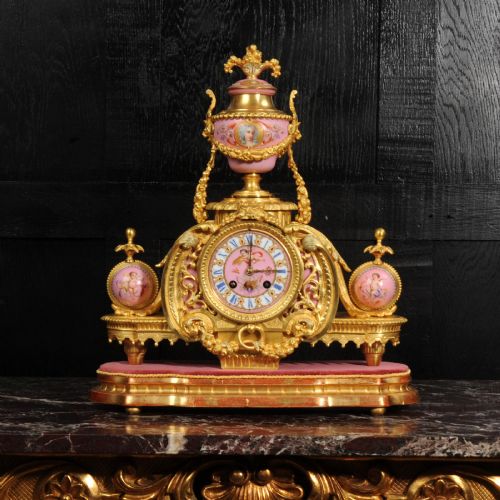
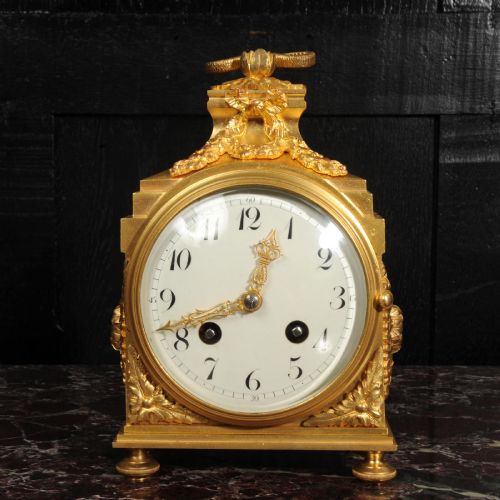
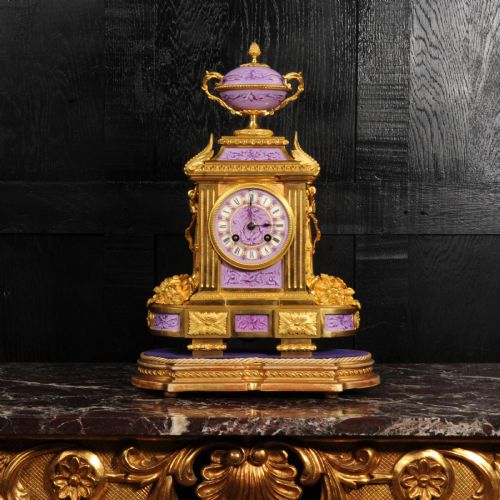
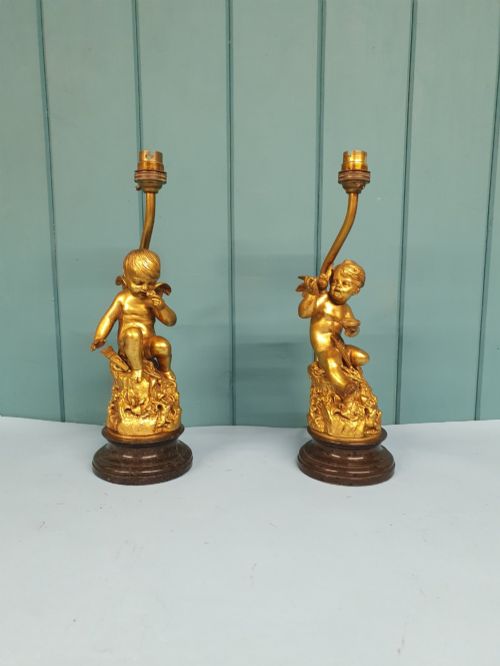
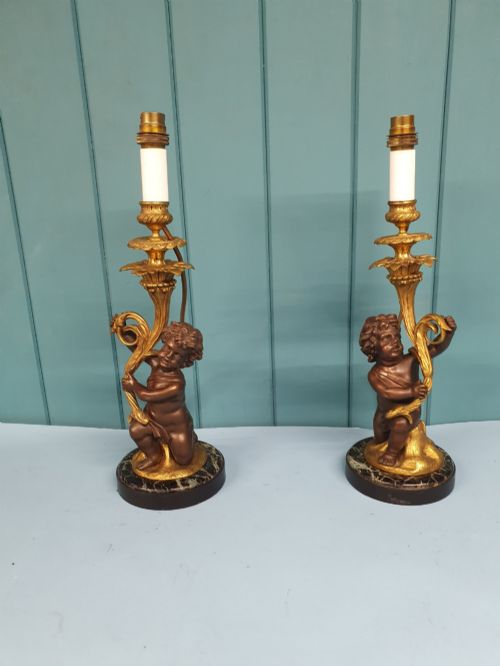
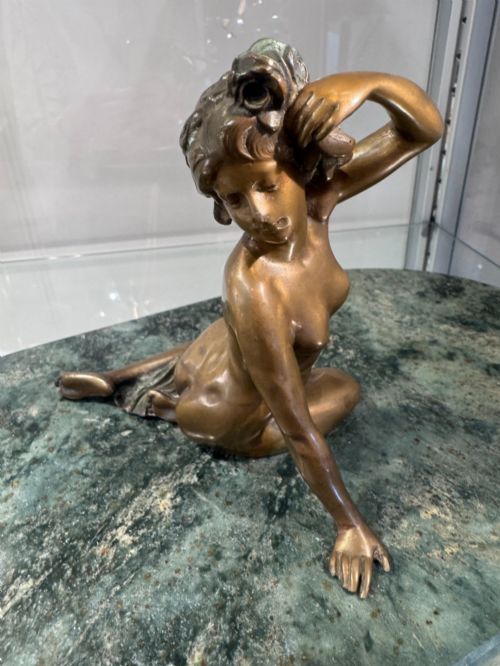
Beyond standard writing tables, the search encompasses smaller accessories such as inkstands, paperweights, and desk sets sharing the same gilt metal vocabulary. French workshops dominate this category, alongside occasional English nineteenth-century productions.
Materials and construction methods
Makers constructed the primary carcase using native or exotic timbers like mahogany, kingwood, rosewood, and ebonised wood, often finished with intricate parquetry or floral marquetry patterns. Leather inserts provide the traditional writing surface for desks and bureaus.
The characteristic gilt bronze or ormolu mounts are cast in metal and subjected to mercury gilding or electroplating processes to achieve a bright, uniform golden surface. Craftsmen then chased the cooled bronze by hand to sharpen details before fixing the mounts to the wooden frames with small brass screws.
Gilt Bronze Desk Retail Price Guide 2026
Typical asking prices for gilt bronze desk among the pieces listed under this phrase on Sellingantiques today, from the lower quarter to the upper quarter. They describe what is for sale here now, not the wider market.
Distinctions in quality
The crispness of the bronze chasing separates standard production from exceptional work, as finer mounts display deep relief and sharp surface articulation without softening in the details. Maker attribution significantly influences standing, with documented pieces from major Parisian ateliers commanding greater recognition.
The complexity of the underlying cabinetry, demonstrated through multi-timber marquetry, serpentine shapes, and well-executed parquetry, dictates the grade of the furniture. Original gilding intact on the bronze and well-preserved leather writing surfaces complete the distinction between average and superior examples.
Francois Linke·Edwards and Roberts·Paul Sormani·Japy Freres·Maison Krieger·Durand·Charles a Orleans·Achille Brocot·CH Jeanselme and Co·Howell James and Co·Tiffany
The Gilt Bronze Desk Glossary
- Bureau plat
- A freestanding writing table fitted with one or more drawers in the frieze, lacking a superstructure. These tables were designed to sit in the centre of a room.
- Ormolu
- Finely chased bronze that has been gilded with gold, widely utilised for mounts on nineteenth-century furniture. The term derives from the French phrase for ground gold.
- Parquetry
- Geometric wood inlay arranged in patterns such as squares, lozenges, or cubes across the surface of a desk. Craftsmen selected contrasting timber grains to create optical depth.
- Marquetry
- Pictorial or floral veneer work composed of various dyed and natural woods assembled into intricate scenes. This technique ornamented the tops and drawer fronts of luxury writing tables.
- Cylinder desk
- A writing desk featuring a curving, quarter-cylinder rolling shutter that conceals pigeonholes and a pull-out writing slide. They frequently incorporate gilt bronze galleries and mounts.
Gilt Bronze Desk: Frequently Asked Questions
What is a bureau plat?
A bureau plat is a flat-topped writing table featuring drawers within the frieze and designed to stand in the middle of a room rather than against a wall. These tables form a substantial portion of nineteenth-century French desk offerings.
They typically display extensive ormolu mounts along the legs, kneehole, and apron, paired with leather writing panels.
How do I identify Louis XVI style?
Louis XVI style furniture relies on straight lines, symmetrical forms, and classical motifs derived from antiquity, contrasting sharply with the curved asymmetry of earlier Rococo designs. You will notice fluted legs and architectural proportions.
Ormolu mounts on these pieces often incorporate laurel wreaths, urns, and acanthus leaves.
What wood is used on these desks?
Makers utilised a variety of dense hardwoods for carcases and veneers, most notably kingwood, rosewood, mahogany, and ebonised timber. These woods provided stable foundations for intricate parquetry and marquetry.
Secondary woods such as oak or pine often appear inside drawer linings and internal compartments.
Are desk accessories gilt bronze too?
Desk accessories frequently match the primary furniture through the use of cast gilt bronze, malachite, marble, and porcelain inserts. Items like inkstands, blotters, and letter racks complete the desktop ensemble.
These smaller decorative objects share the same nineteenth-century revival aesthetics as the larger writing tables.