

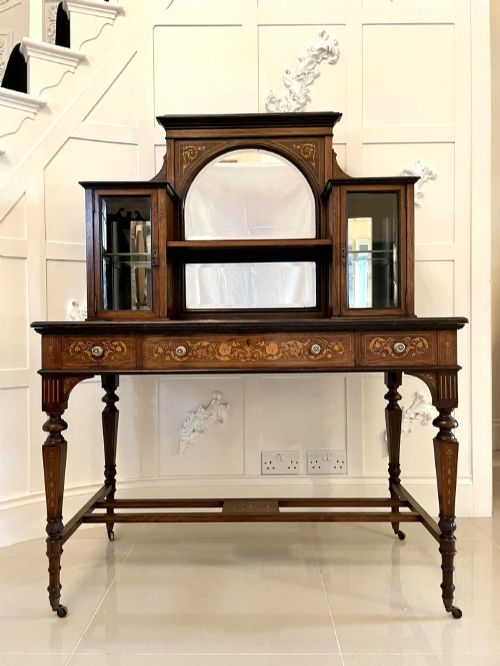
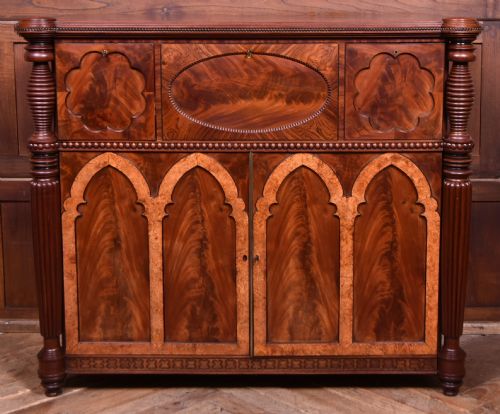
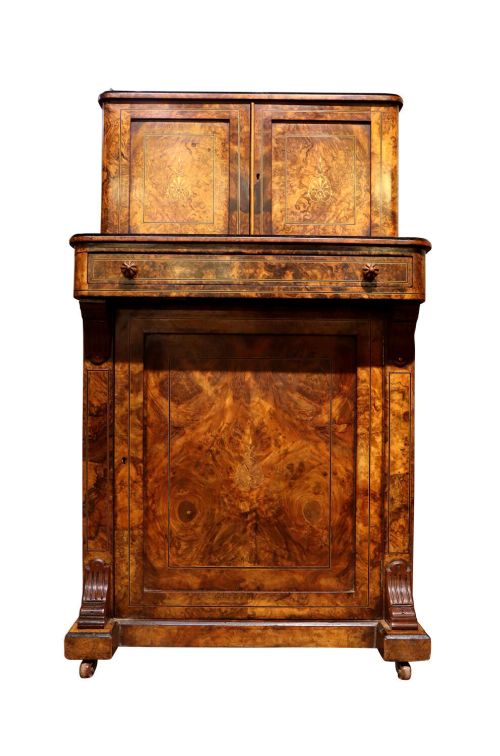
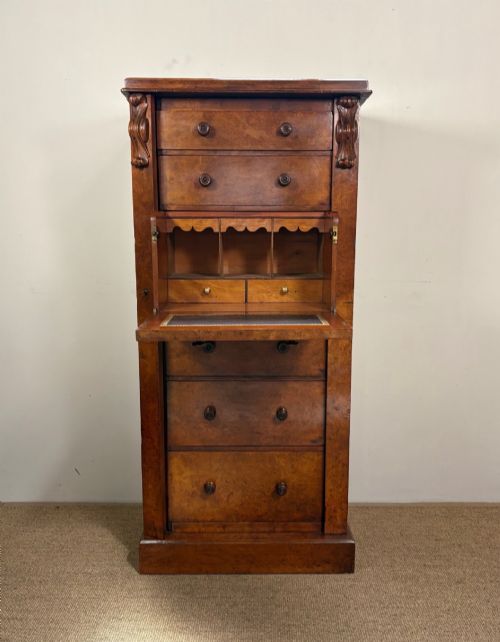
Victorian Writing Cabinet
A victorian writing cabinet is a piece designed to house correspondence and provide a writing surface, bringing refined nineteenth-century craftsmanship directly into a modern study.

Victorian Writing Cabinet
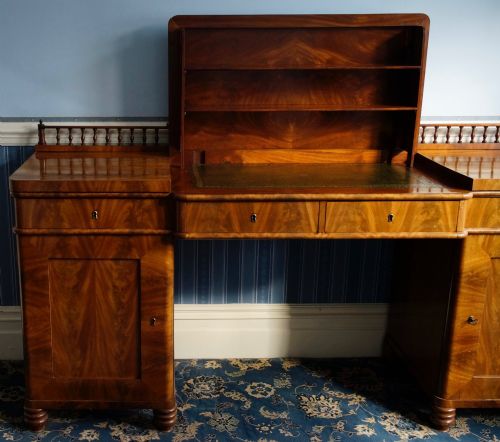
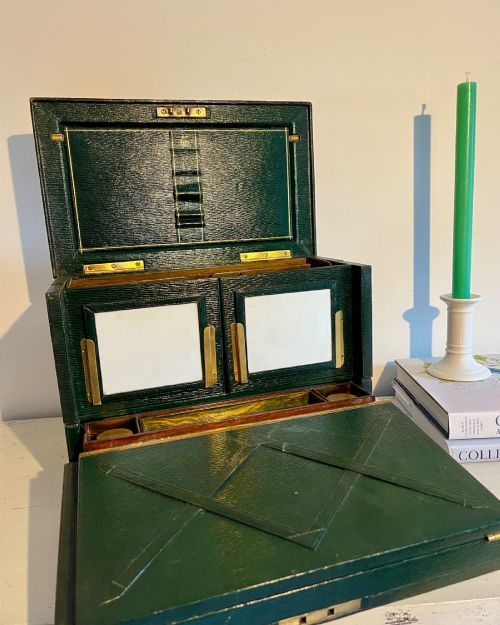
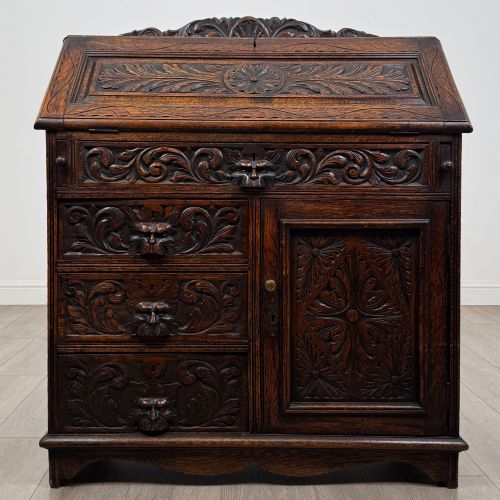
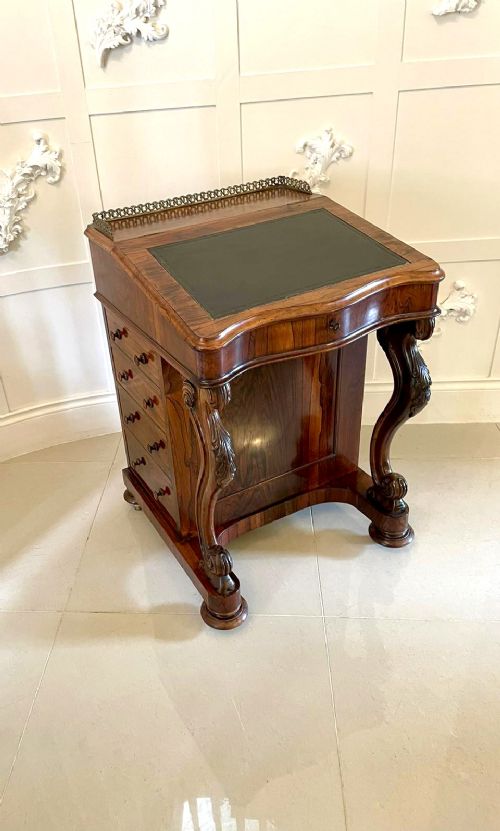
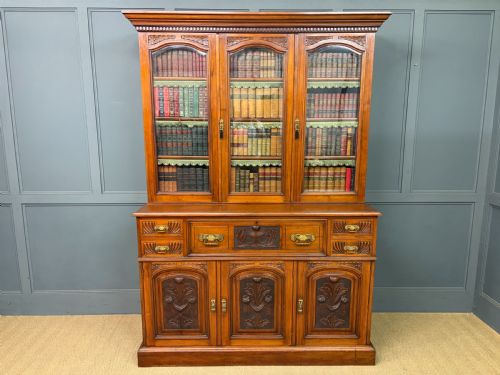
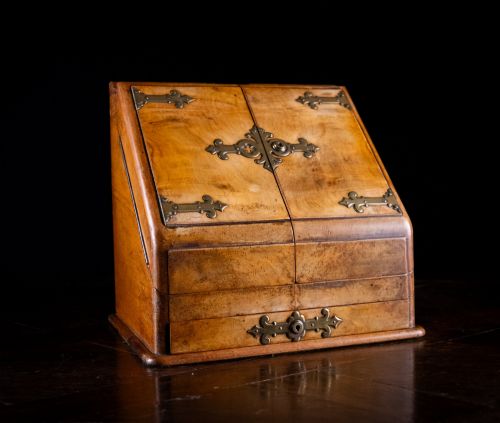
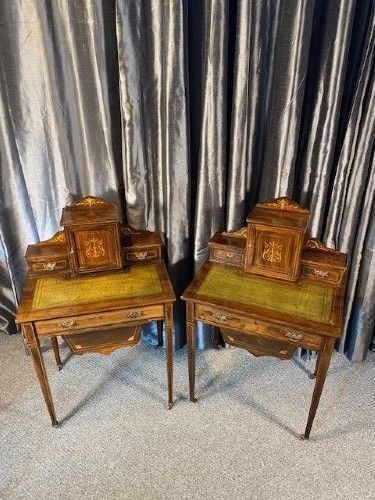
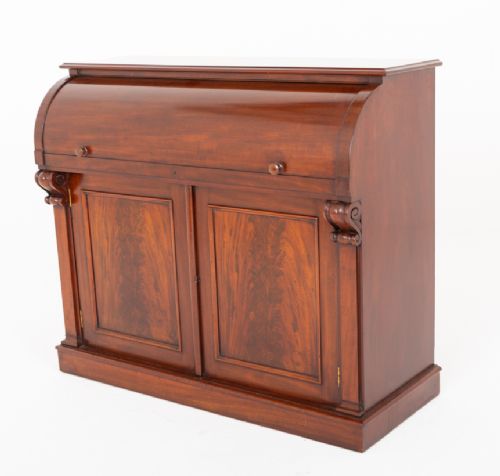
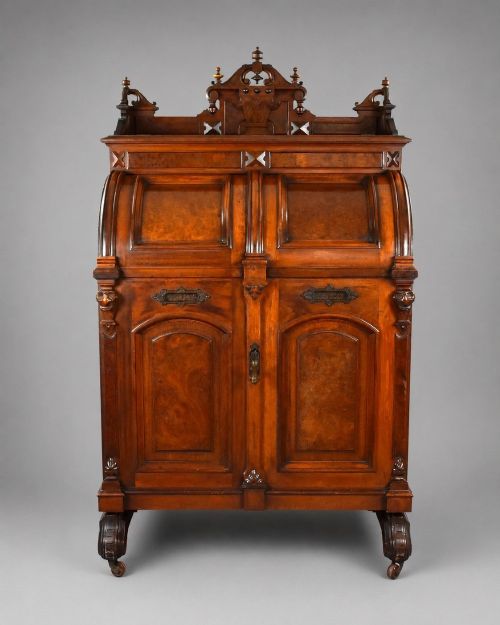
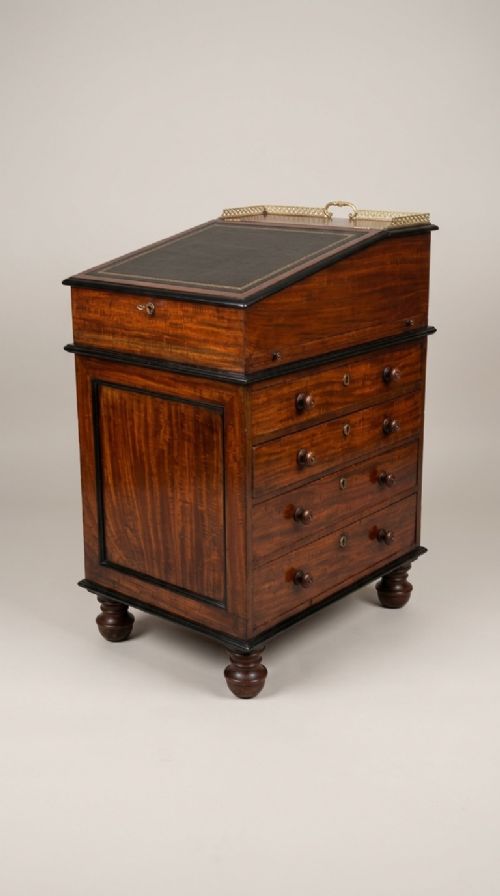
When searching for a victorian writing cabinet, you will encounter a variety of forms designed to organise correspondence and document storage. These pieces range from compact stationary boxes and davenports to larger secretaire bookcases and cylinder desks originating from the nineteenth century.
The most common examples met on this page include walnut and mahogany davenports, alongside oak stationary cabinets and bureau bookcases dating from the 1850s to the 1880s. Each variant offers dedicated internal compartments, small drawers, and fitted spaces intended for inkwells, paper, and letters.
How They Were Made
Cabinet makers utilised dense hardwoods such as mahogany, oak, and walnut, frequently enhancing surfaces with burr walnut veneers, satinwood, and ebonised details. Brass mounts, handles, and occasional porcelain plaques provide structural reinforcement and decorative contrast.
Interiors reveal meticulous joinery including pigeonholes, hidden compartments, and sloping leather-lined writing surfaces designed to fold or pull out. Marquetry inlay and marquetry panels demonstrate the high level of decorative precision applied to these functional nineteenth-century items.
Victorian Writing Cabinet Retail Price Guide 2026
Typical asking prices for victorian writing cabinet among the pieces listed under this phrase on Sellingantiques today, from the lower quarter to the upper quarter. They describe what is for sale here now, not the wider market.
The selection includes specialised forms such as cylinder desks, bureau bookcases, and compact papier-mâché writing boxes.
What Varies in Quality
The distinction between standard examples and the finest pieces lies in the choice of timber figurations, such as highly figured burr walnut or select mahogany, coupled with intricate marquetry and brass inlay. Superior items often feature patented mechanical elements, pop-up mechanisms, and well-documented maker signatures.
Execution of internal fittings, including secret drawers and leather inserts, indicates the original grade of commission. Pieces retaining original patination and comprehensive internal stationery divisions stand apart from heavily restored or adapted variants.

Gillows·Edwards and Roberts
The Victorian Writing Cabinet Glossary
- Davenport
- A compact form of small desk featuring a sloped writing surface above a pedestal of drawers. It typically includes side compartments for stationery.
- Secretaire
- A piece of furniture containing a concealed writing drawer or a fold-down desk front that reveals internal pigeonholes and small drawers.
- Stationery box
- A tabletop or freestanding cabinet designed specifically to hold envelopes, writing paper, and ink bottles within fitted compartments.
- Marquetry
- The decorative craft of applying thin slices of wood veneers in varied colours and grains to form intricate pictorial or geometric patterns.
- Cylinder desk
- A writing desk featuring a rotating cylindrical wooden shutter that covers the writing surface and internal pigeonholes when closed.
Victorian Writing Cabinet: Frequently Asked Questions
What is a davenport desk?
A davenport is a compact nineteenth-century writing desk featuring a sloping, often leather-lined top mounted over a pedestal of side drawers.
These pieces were originally designed for domestic writing and correspondence in smaller drawing rooms where a full-sized desk would take up too much space.
How are stationary cabinets used?
Stationery cabinets sit upon desks or tables to store writing paper, envelopes, and ink stands in an organised, upright manner.
Their fitted internal shelves and compartments keep correspondence tidy and protect delicate paper stocks from dust and light.
What is a secretaire bookcase?
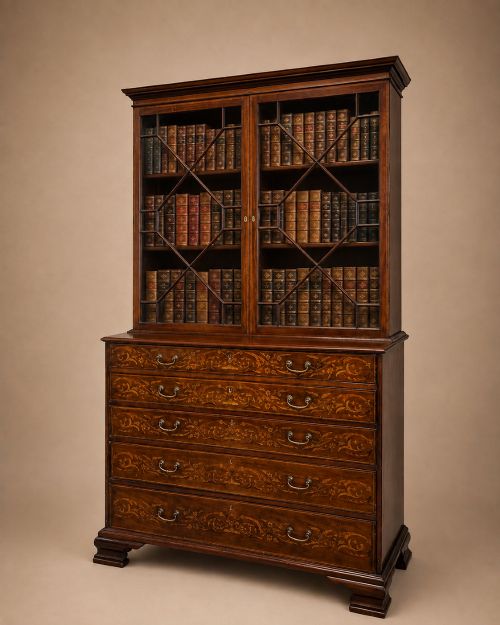
A secretaire bookcase combines a traditional bookcase upper section with a lower cabinet housing a pull-out or drop-front writing drawer.
This dual function allows the owner to store a library above while maintaining a dedicated, concealed writing surface below.
How do you identify nineteenth-century pieces?
Nineteenth-century pieces are identified through timber selection, construction methods such as hand-cut dovetails, and period-specific hardware like brass locks and hinges.
Stylistic influences, ranging from Regency to Victorian Gothic Revival, further help date these cabinets alongside maker stamps and registry marks.