
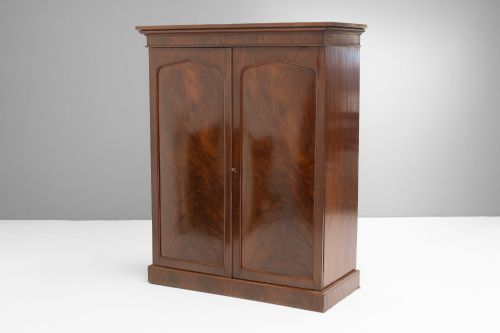
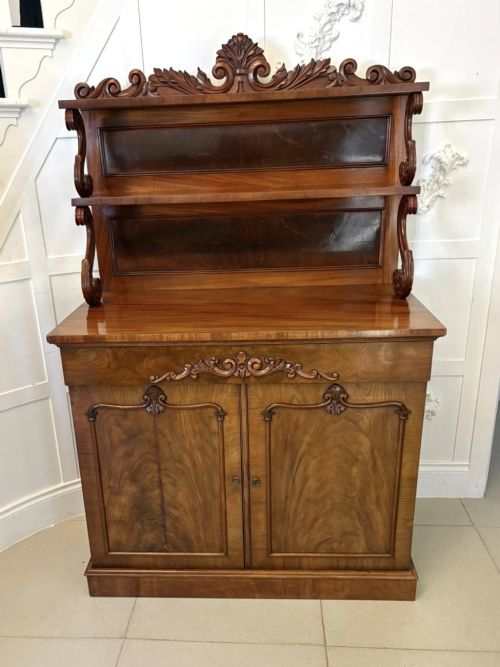
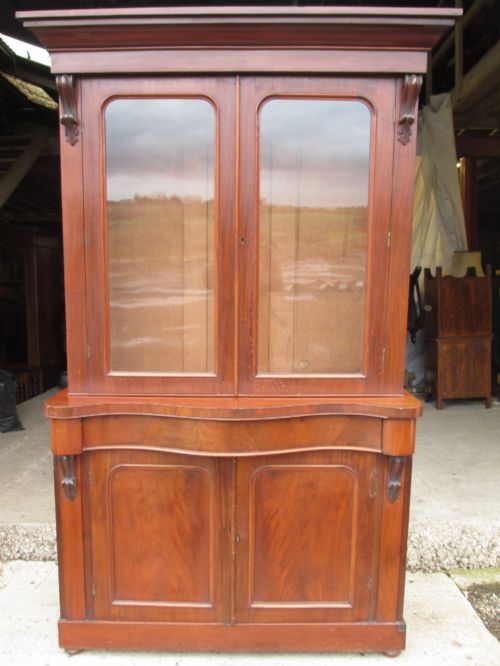
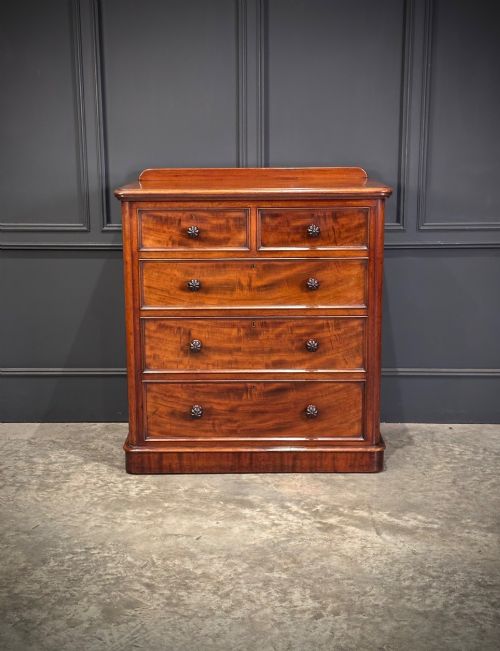
Victorian Flame Mahogany Cabinet
When you search for a victorian flame mahogany cabinet, you are looking for nineteenth-century furniture defined by rich timber grain and solid construction.
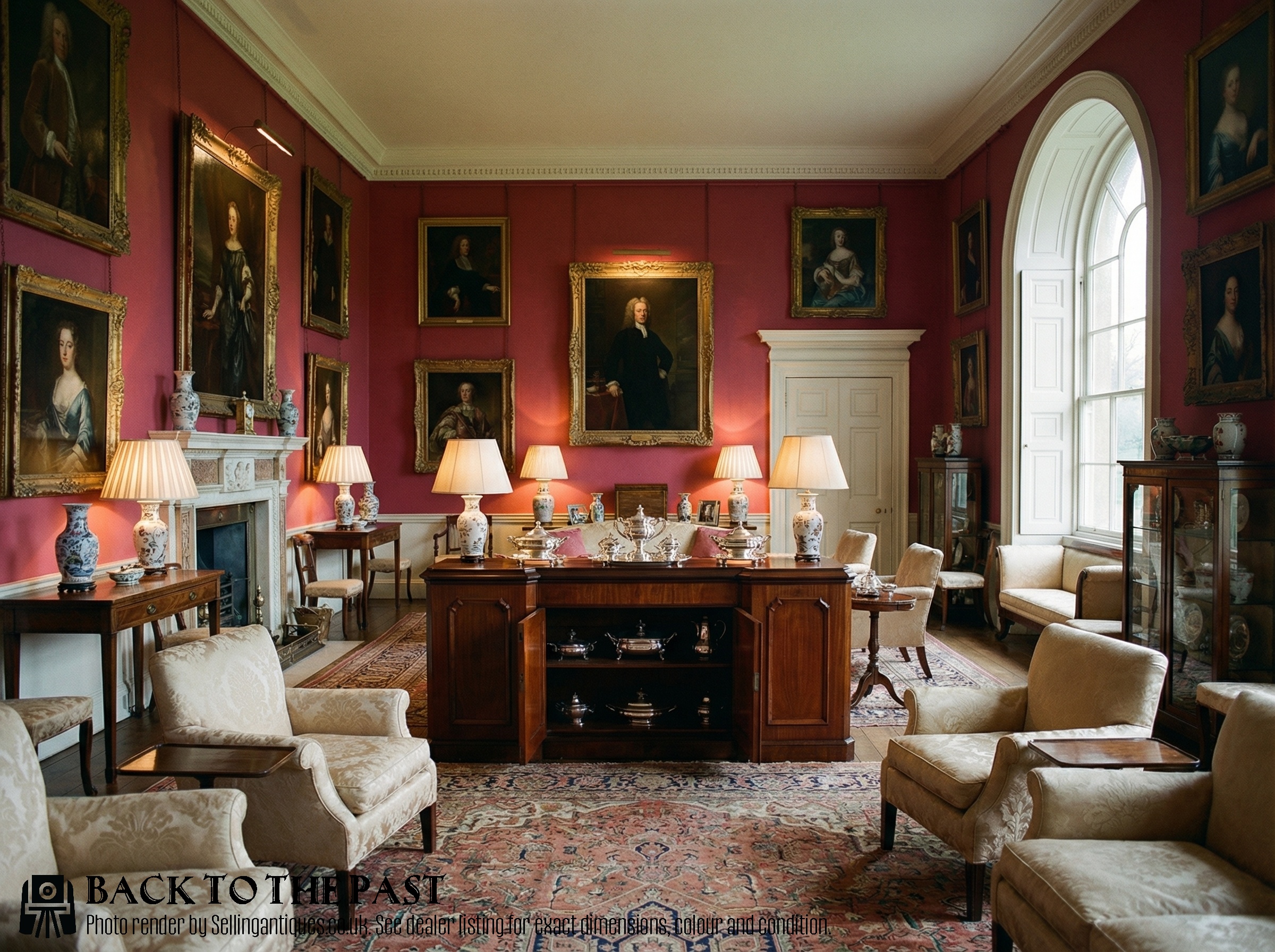
Victorian Flame Mahogany Cabinet
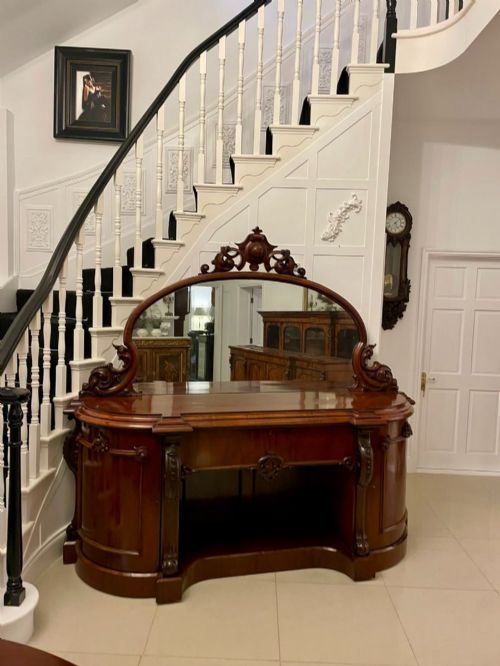
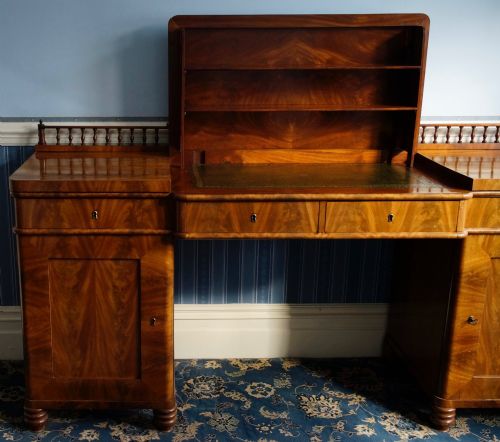
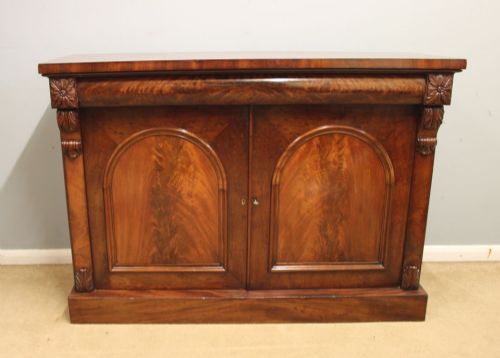
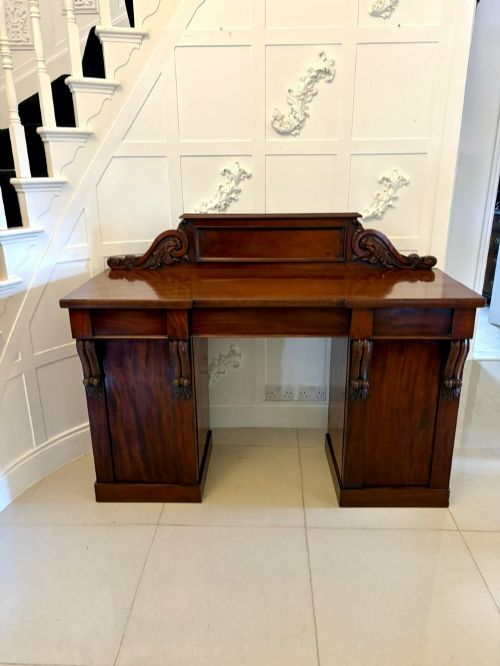
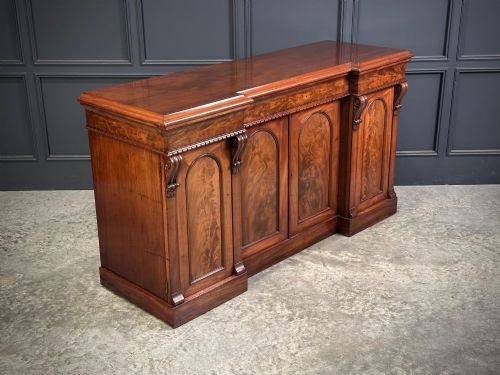
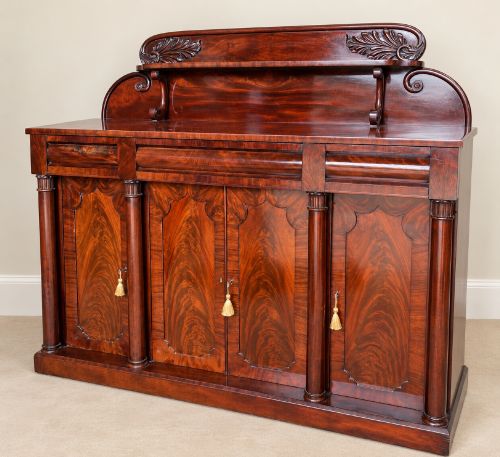
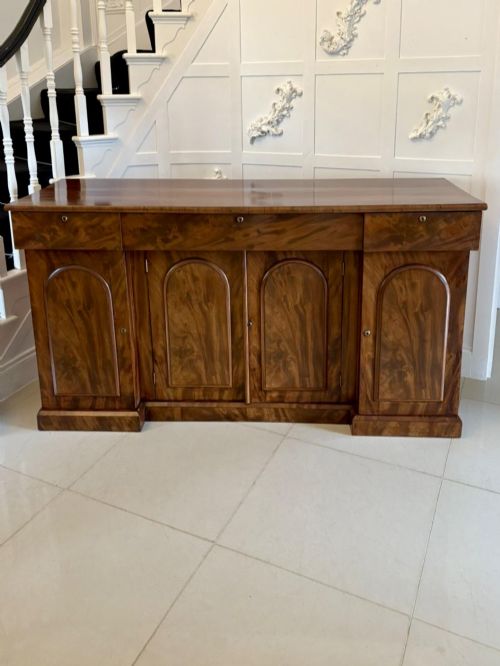
A victorian flame mahogany cabinet encompasses a range of domestic furniture forms built primarily during the nineteenth century, including sideboards, bookcases, bedside chests, and chiffoniers.
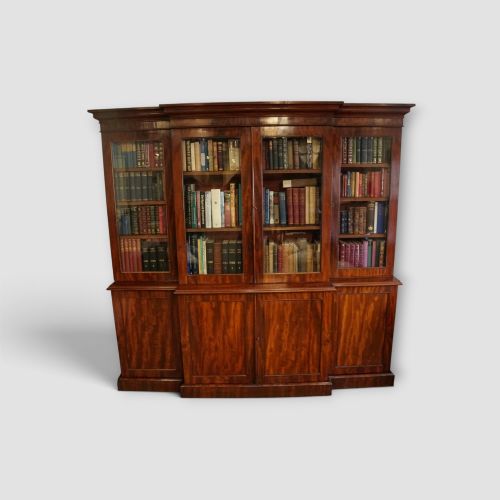
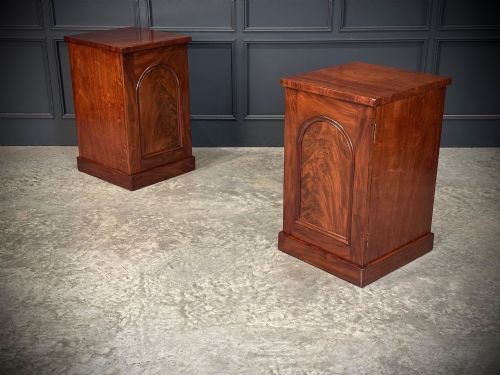
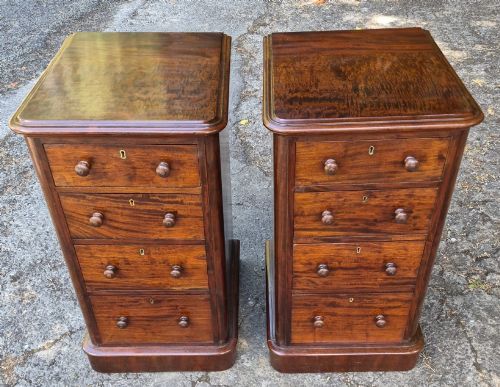
The pieces most frequently met on this page are upright bookcases and bedside cabinets featuring prominent figured veneer work across their primary doors and drawer fronts.
Originating predominantly from Victorian England, these items reflect the cabinetmaker's art of the 1850s, 1860s, and 1870s, utilising dense timber reserves sourced from overseas colonies.
Materials and Technique
Craftsmen built these pieces using solid mahogany carcases overlaid with thin slices of flame mahogany veneer, selected specifically for its dramatic, feather-like grain patterns.
Secondary construction often incorporated woods such as pine or oak for drawer linings and internal shelving, while hardware relied on cast brass handles, hinges, and occasional glass panes for glazed doors.
Surface finishing involved hand-applied polish that deepened the reddish-brown tones of the timber and highlighted the curling figures of the veneer.
Victorian Flame Mahogany Cabinet Retail Price Guide 2026
Typical asking prices for victorian flame mahogany cabinet among the pieces listed under this phrase on Sellingantiques today, from the lower quarter to the upper quarter. They describe what is for sale here now, not the wider market.
Several bedside cabinets in the archive retain their original nineteenth-century identity as fitted night stands and pot cupboards.
Evaluating the Pieces
The visual impact of a victorian flame mahogany cabinet depends heavily on how symmetrically the veneer matches across larger surfaces like cupboard doors and drawer fronts.
Structural integrity separates ordinary workshop output from finer examples, visible in the tightness of the dovetail joints, the smoothness of drawer operation, and the weight of the brass fittings.
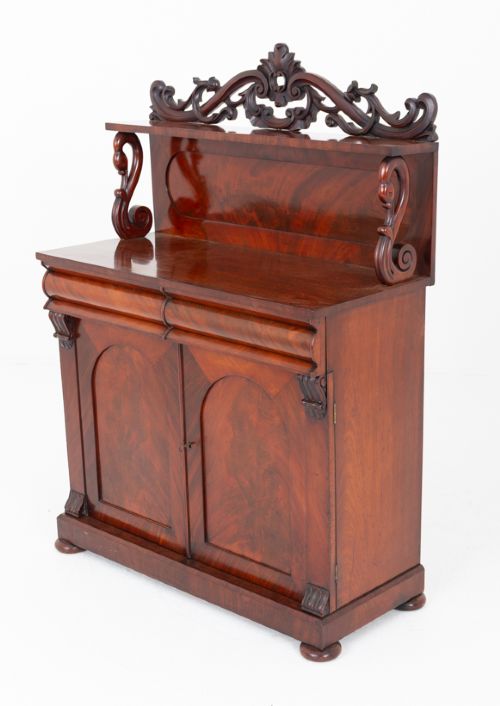
Proportion and carved detailing, ranging from simple architectural mouldings to elaborate mirror backs and fretwork cornices, distinguish standard utilitarian storage from pieces commissioned for wealthier homes.
maples & co·Gillows
The Victorian Flame Mahogany Cabinet Glossary
- Flame Mahogany Veneer
- A thin layer of timber sliced from where a branch joins the main trunk, creating a fiery, undulating grain pattern. This figure is prized for its decorative effect on the front panels of cabinets.
- Chiffonier
- A low sideboard or cabinet equipped with enclosed lower cupboards and often a small shelf superstructure on top. They became popular in nineteenth-century parlours for storing china and glassware.
- Breakfront
- A piece of furniture where the central section projects forward from the flanking wings. This architectural arrangement creates depth and shadow across large bookcases and sideboards.
- Linen Press
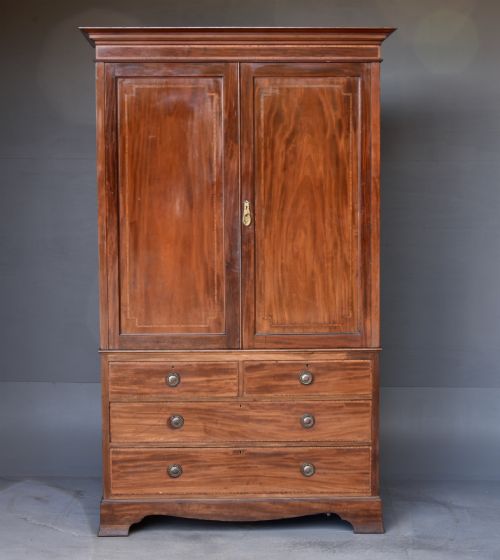
- A tall storage cupboard featuring upper sliding trays or shelves originally designed for folded garments, sitting above a chest of lower drawers. They provide substantial capacity within a vertical footprint.
- Blind Fretwork
- Carved decorative patterns applied to a solid flat background without piercing right through the timber. This technique adds texture to cornices and friezes without weakening the structural timber.
Victorian Flame Mahogany Cabinet: Frequently Asked Questions
What is a flame mahogany cabinet?
It is a nineteenth-century storage piece surfaced with highly figured wood grain that creates a distinctive, flame-like appearance across the doors or drawers.
These items were constructed during the Victorian period as functional and decorative additions to dining rooms, libraries, and bedrooms.
How do I use a chiffonier?
A chiffonier works well in a modern living room or hallway as a low sideboard for media storage, books, or table linen.
The enclosed lower cupboards hide clutter while the top surface provides space for lamps or decorative objects.
Where were bedside cabinets placed?
Victorian bedside cabinets and pot cupboards stood beside sleeping quarters to hold chamber pots, night lights, and personal items.
Today, matched pairs function effectively as bedside tables with internal shelving for books and small items.
How can I tell the period?
Dating relies on observing construction methods, timber choices, and stylistic influences such as Gothic revival details or heavy Victorian proportions.
Cabinet backs, drawer linings, and the style of the brass hardware offer further clues to the decade of manufacture.