


Antique Breakfront Credenza
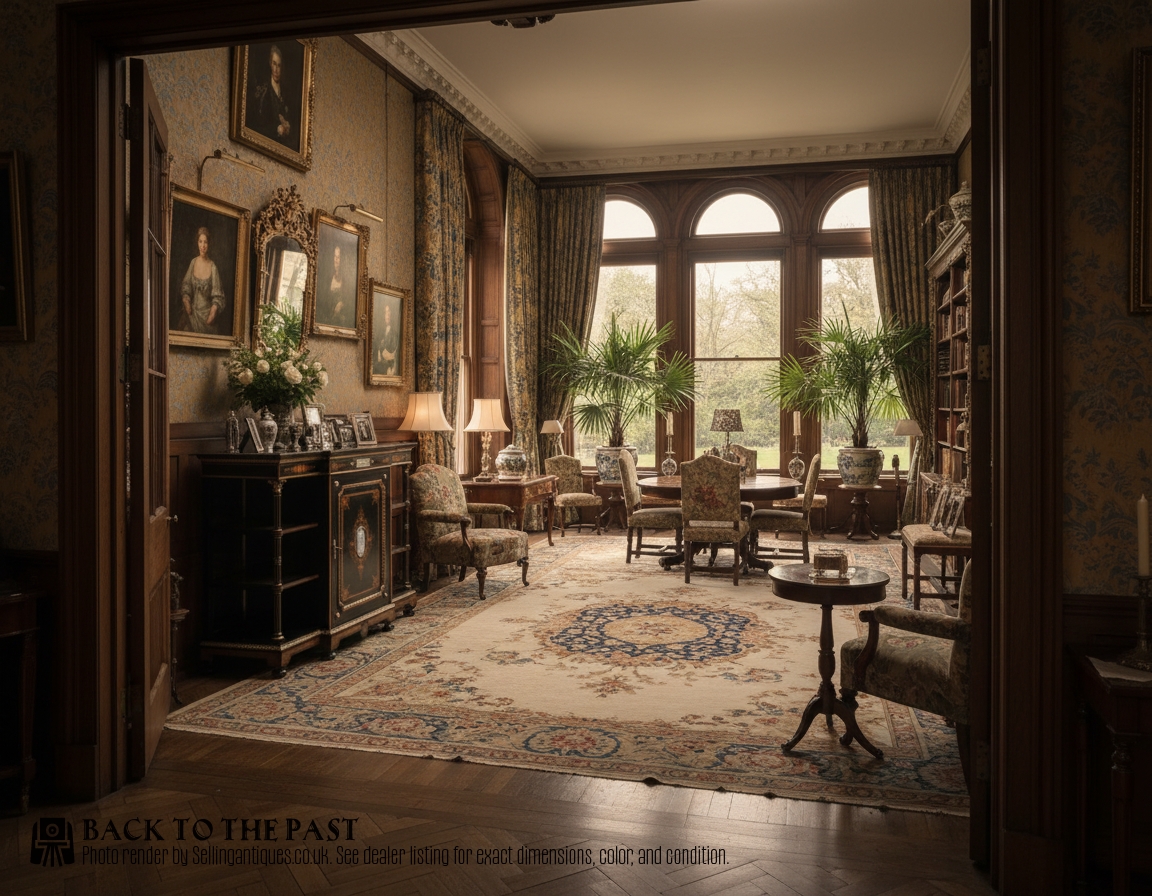
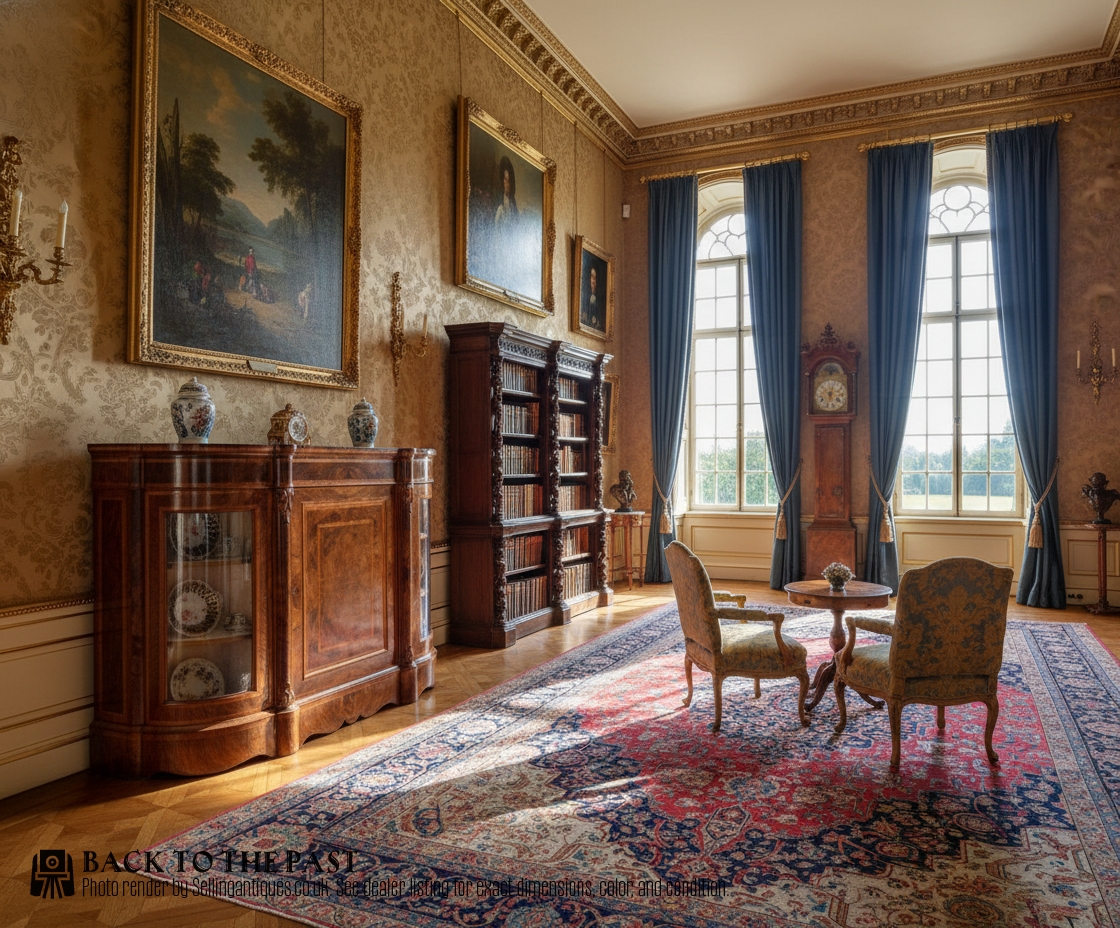
An antique breakfront credenza is a substantial statement cabinet designed to anchor a formal interior while offering generous display space.
Antique Breakfront Credenza
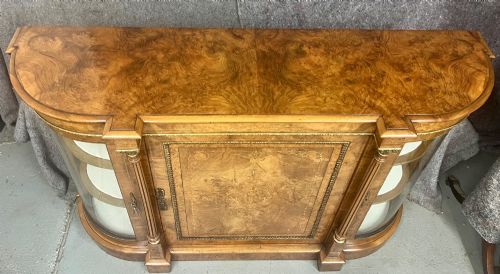
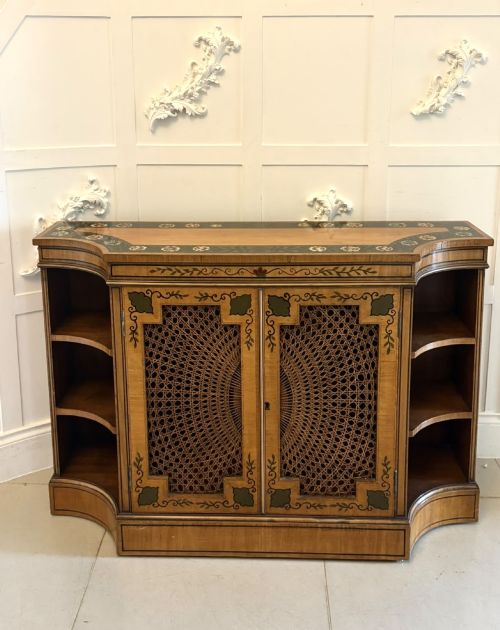
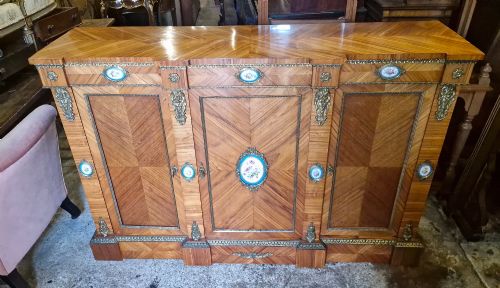
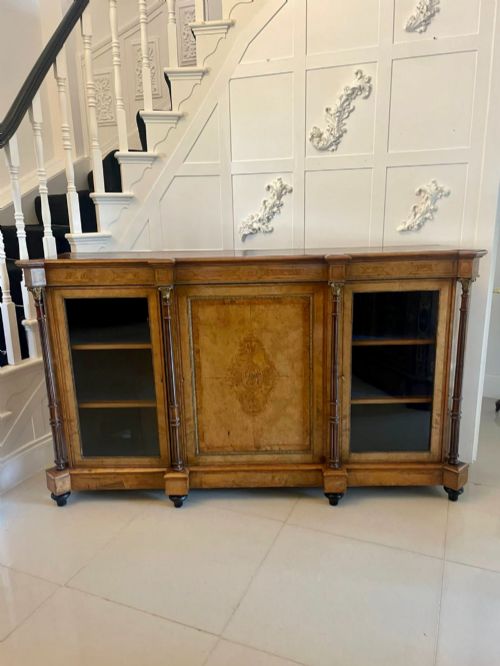
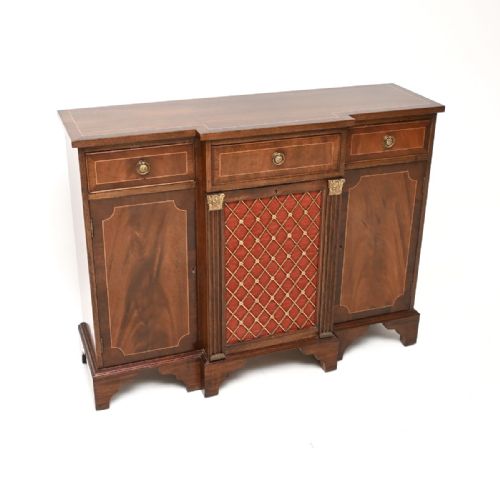
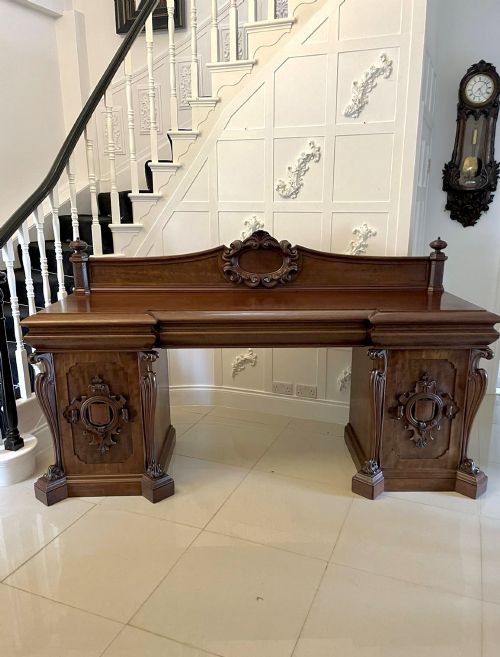
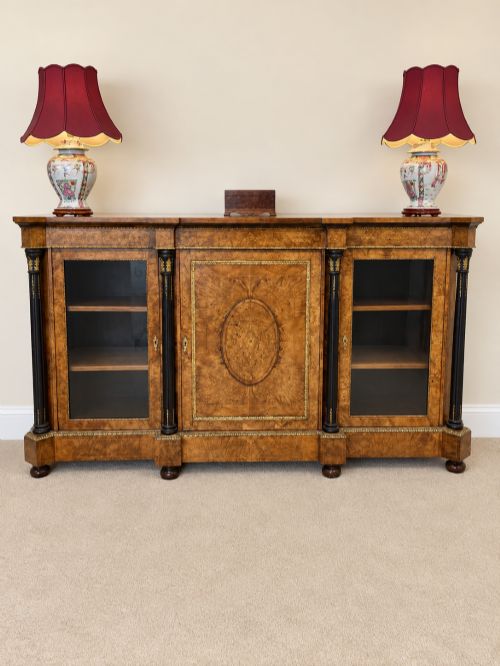
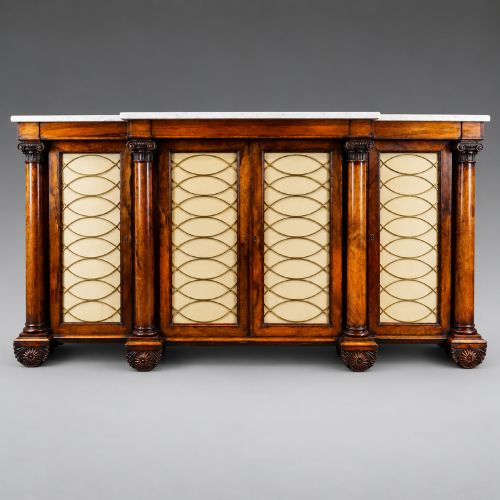
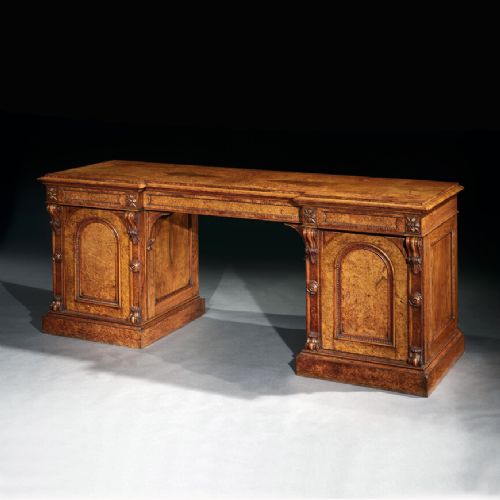
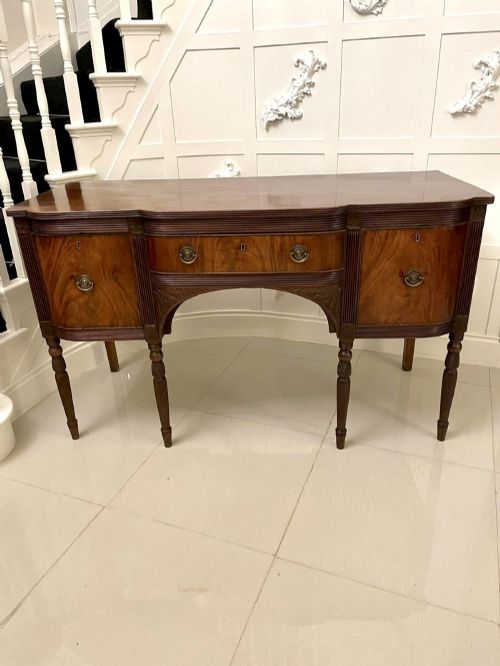
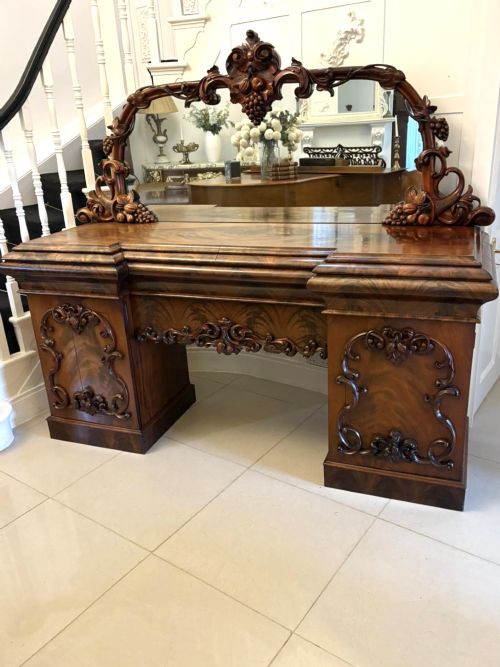
When searching for an antique breakfront credenza, a buyer encounters impressive low-profile cabinets defined by their projecting central section, which creates a rhythmic facade. The examples appearing on this page stem predominantly from the nineteenth century, spanning Victorian and Regency iterations alongside earlier George III influences.
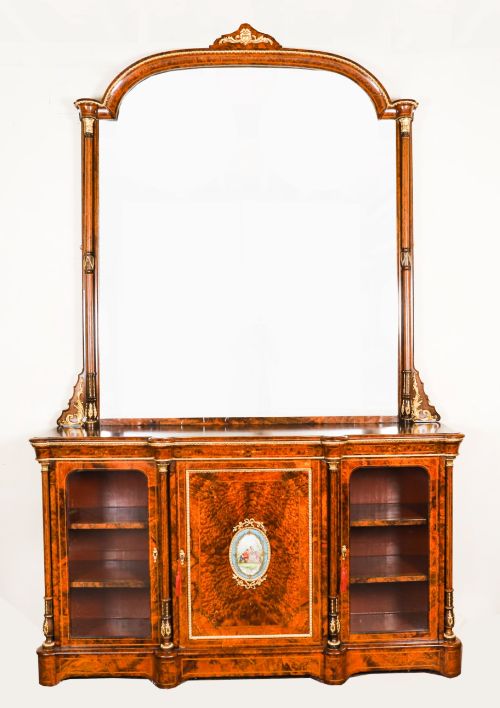
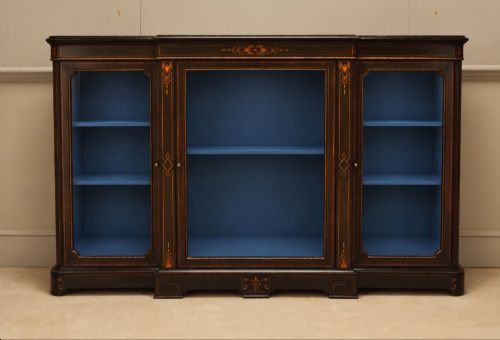
Makers constructed these pieces using rich timbers such as burr walnut, flame mahogany, and ebonised wood, often incorporating glazed doors for displaying porcelain and decorative objects. Alongside traditional credenzas, the selection includes related low sideboards, display cabinets, and breakfront bookcases that share the same architectural prominence.
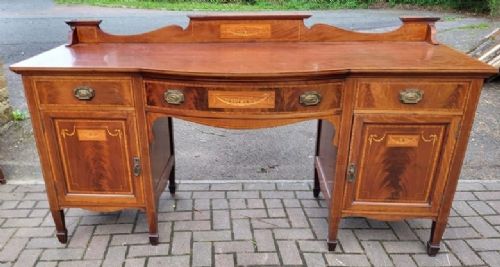
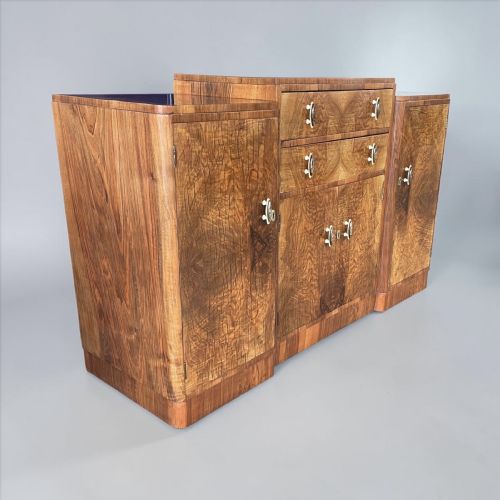
The layout typically balances enclosed cupboard storage with central or flanking glass panels, making these items practical for dining rooms and drawing rooms alike. While many adhere to classic Victorian proportions, variations appear from the Art Deco period and the Aesthetic Movement.
How they were made
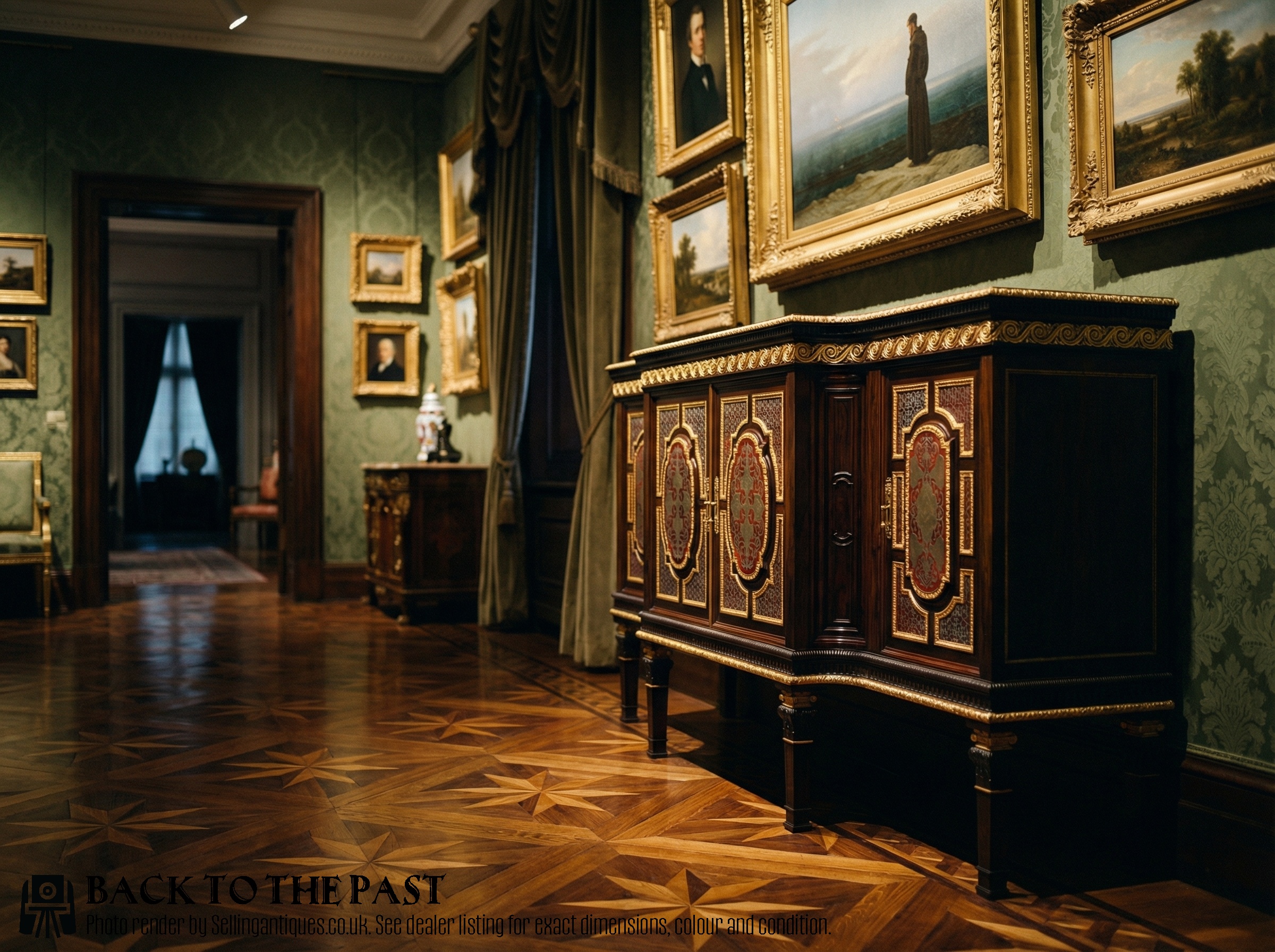
Cabinetmakers selected highly figured veneers, notably burr walnut and flame mahogany, applying them carefully to stable carcass woods to achieve striking grain patterns across the breakfront facade. Marquetry inlays and contrasting borders of satinwood or kingwood frequently define the panels and frame the doors.
Mounts cast in ormolu and detailed brass inlays punctuate the dark timber surfaces, particularly on pieces from the Victorian era. Glazed doors utilise slender timber framing to support large expanses of glass, while marble tops provide durable and decorative upper surfaces on select cabinets.
Antique Breakfront Credenza Retail Price Guide 2026
Typical asking prices for breakfront credenza among the pieces listed under this phrase on Sellingantiques today, from the lower quarter to the upper quarter. They describe what is for sale here now, not the wider market.
The furniture spans multiple periods from George III through Regency, Victorian, Aesthetic Movement, Edwardian, and Art Deco eras.
What varies in quality
The excellence of an antique breakfront credenza rests on the selection and matching of the timber veneers, where superior workshops ensured grain patterns mirrored symmetrically across the central projection. The crispness of hand-cut marquetry and the weight of cast ormolu mounts further distinguish exceptional pieces from standard production.
Internal construction details, such as solid secondary timbers, finely dovetailed drawer boxes, and original working locks with matching keys, demonstrate superior craftsmanship. The precision of the joinery around the curved or stepped breakfront angles reveals the skill of the original cabinetmaker.
Hewetsons London·Maurice Adams·Collinson & Lock·Gillows·Lamb of Manchester
The Antique Breakfront Credenza Glossary
- Breakfront
- A cabinet design featuring a central section that projects forward from the flanking wings. This architectural arrangement creates depth and visual interest on large sideboards and credenzas.
- Ormolu
- Gilded bronze mounts applied as decorative ornaments to furniture surfaces. These metal details are typical of fine nineteenth-century cabinet work.
- Marquetry
- The art of forming decorative patterns using thin veneers of different woods, metals, or shells. Craftsmen applied these intricate designs to cabinet doors and friezes.
- Burr walnut
- Timber harvested from the unusual growths on walnut trees, yielding highly figured and swirling grain patterns. It was a favored veneer for high-status Victorian credenzas.
- Ebonised
- Timber treated with a dark stain or finish to imitate ebony. This technique gained popularity during the Victorian and Aesthetic Movement periods for striking contrast.
Antique Breakfront Credenza: Frequently Asked Questions
What is a breakfront credenza?
A breakfront credenza is a low cabinet featuring a central section that projects forward from the flanking cupboards or display sections. This architectural form provides a commanding focal point in a reception room.
The design typically combines glass-fronted display areas with timber cupboards, offering a balance of storage and display surface across a wide, low profile.
Where were these cabinets used?
These large cabinets served primarily in formal dining rooms and drawing rooms of substantial homes. They functioned as serving surfaces during meals and as display areas for prized ceramics.
Today, they adapt well to living spaces as media consoles or statement credenzas that anchor large walls while housing books and decorative objects.
How do I date an antique credenza?
Dating relies on examining the timber species, secondary woods, construction methods, and stylistic motifs present on the piece. Victorian examples often feature burr walnut and ormolu mounts, while Regency pieces showcase flame mahogany.
Makers' stamps, trade labels, and characteristic hardware designs further narrow the period of manufacture to specific decades within the nineteenth century.
Are the marble tops original?
Many nineteenth-century credenzas and side cabinets were manufactured with fitted marble tops to provide a durable and luxurious surface. The stone was typically selected to complement the dark timbers and ormolu mounts.
Inspecting the seating of the marble within the timber frame helps confirm whether the top belongs to the original construction of the cabinet.