


Antique Walnut Buffet
An antique walnut buffet brings rich timber grain, deep warmth and practical dining room storage into a traditional or modern interior.
Antique Walnut Buffet
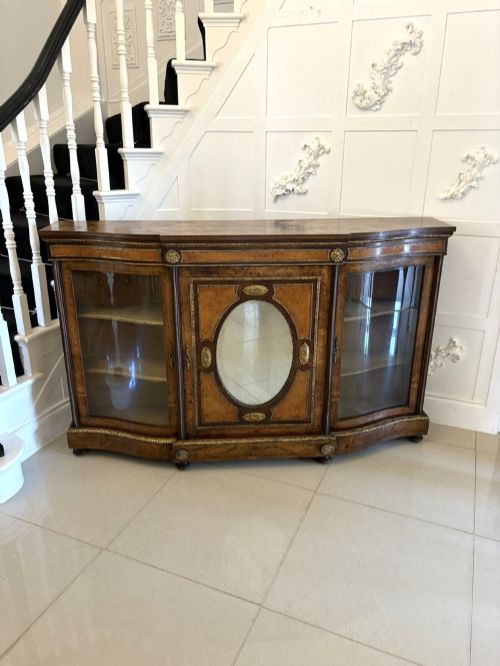
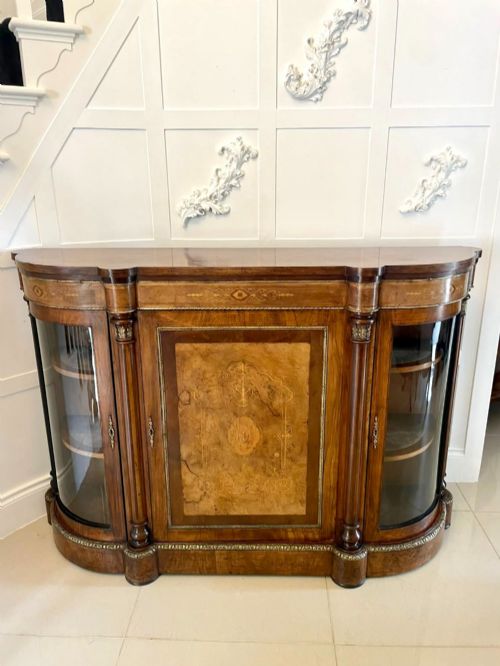
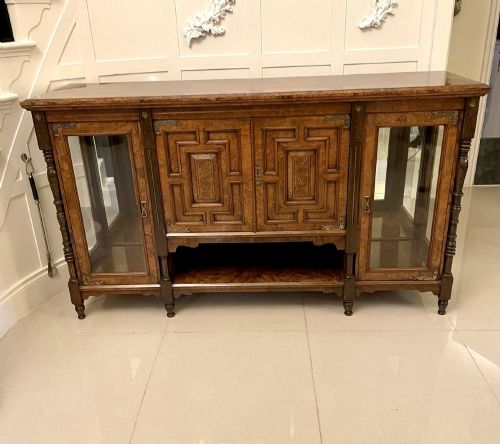
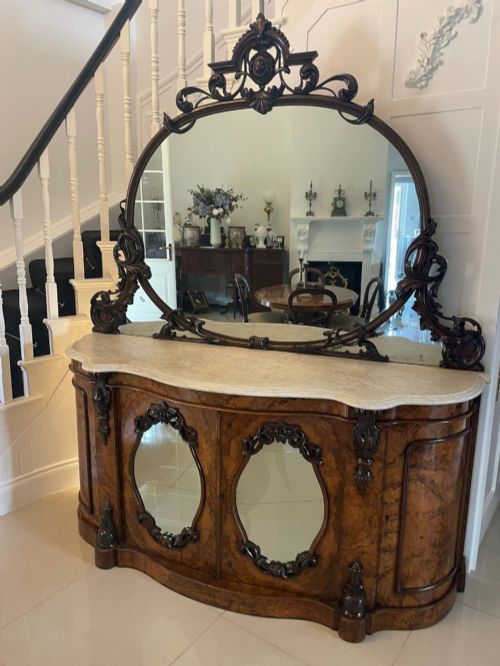
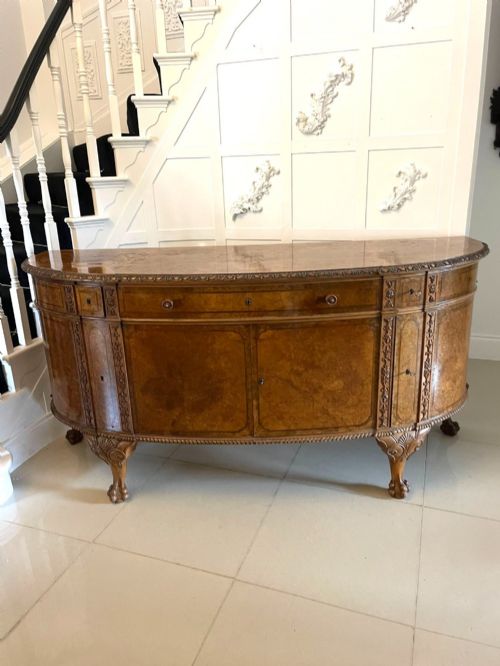
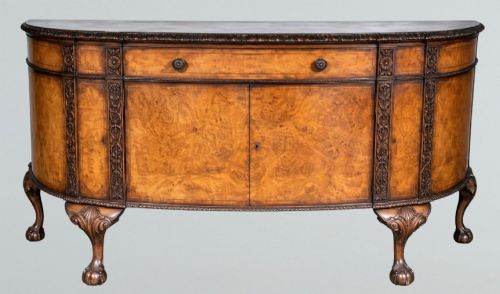
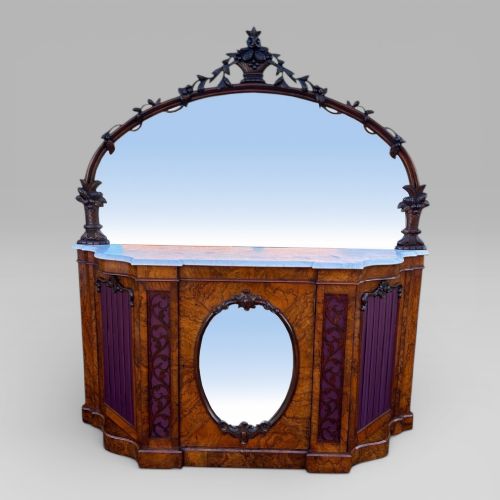
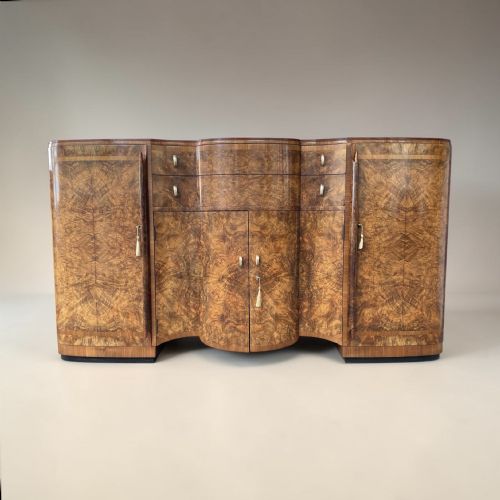
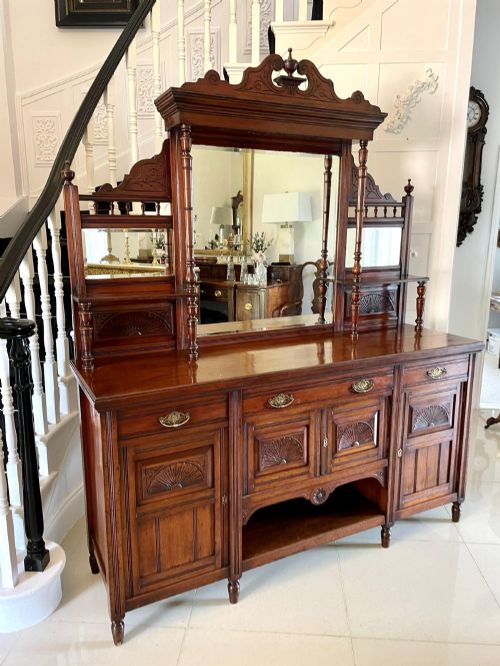
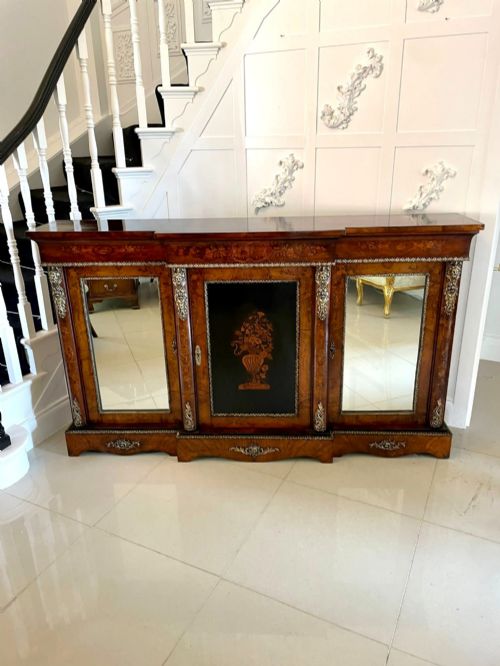
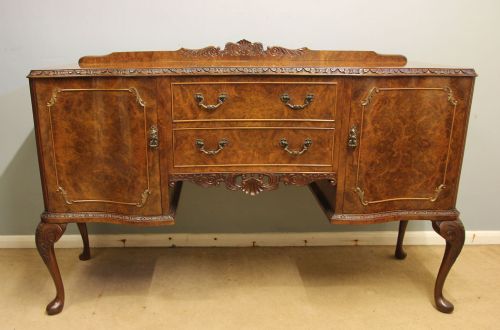
When searching for an antique walnut buffet, buyers encounter a variety of forms including sideboards, credenzas, servers, and tier stands originating from the nineteenth and twentieth centuries. Victorian and Edwardian examples dominate the selection, frequently presenting burr walnut veneers, carved details, and mirror backs.
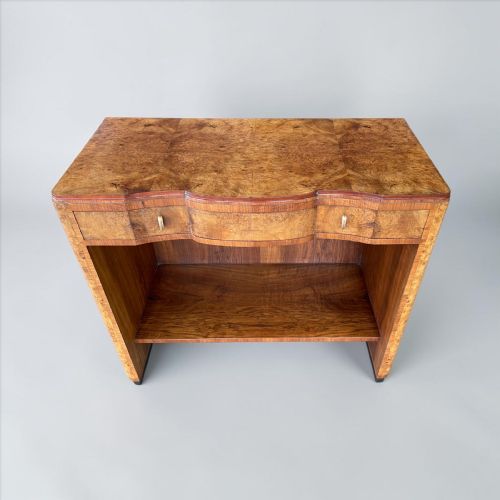
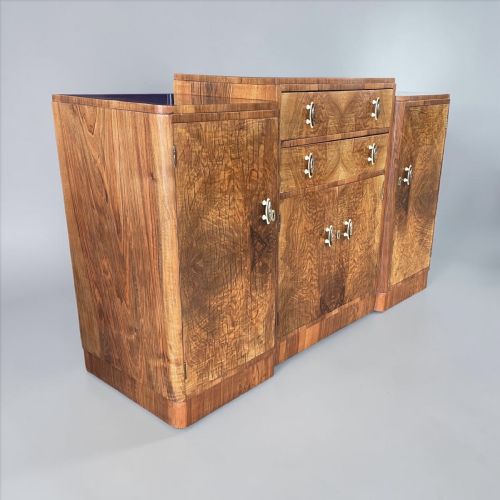
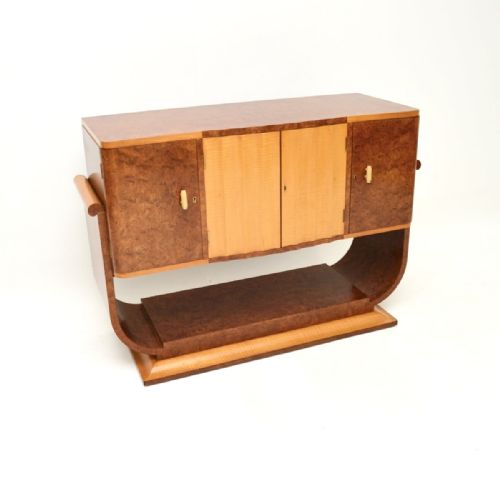
Earlier nineteenth-century iterations span Georgian and William IV designs, while later twentieth-century pieces shift towards Art Deco streamlined shapes in burr walnut and sycamore. French provincial, French revival, and Aesthetic Movement influences also appear regularly across the inventory.
The term buffet frequently overlaps with sideboards, credenzas, and dumbwaiters in the evidence, indicating multi-purpose dining room furniture designed for serving food and storing tableware.
Standards of Execution
Quality in these items rests upon the selection and matching of the walnut veneer, the crispness of hand-carved ornamentation, and the integration of secondary materials like marble and ormolu. Superior examples display balanced grain symmetry across large surfaces and sophisticated marquetry work rather than simple repetitive patterns.
Maker attribution and exhibition provenance elevate specific pieces, particularly works associated with known designers or cabinet makers. The structural integrity of multi-tiered dumbwaiters, the weight of fitted marble slabs, and the original condition of brass mounts and mirrored glass further distinguish the finer pieces.
Antique Walnut Buffet Retail Price Guide 2026
Typical asking prices for walnut buffet among the pieces listed under this phrase on Sellingantiques today, from the lower quarter to the upper quarter. They describe what is for sale here now, not the wider market.
Some Victorian dumbwaiters are fully adjustable, proving that nineteenth-century hosts also struggled with tiered cake stand heights.

Maurice Adams·Hille·Epstein·Bath Cabinet Makers·Eadon and Son Sheffield
The Antique Walnut Buffet Glossary
- Burr Walnut
- A specialised wood grain obtained from the wart-like growths on walnut trees, prized for its swirling, intricate patterns. It is sliced into thin veneers for decorative furniture faces.
- Credenza
- A dining room cabinet used for storing silverware and serving food, often featuring cupboards and drawers. In Victorian pieces, these frequently include mirrored backs and ormolu mounts.
- Ormolu
- Gilt bronze ornamentation applied to furniture corners, doors, and mounts during the eighteenth and nineteenth centuries. It provides a metallic contrast to the dark timber.
- Marquetry
- The art of applying pieces of veneer to a structure to form decorative patterns and pictures. Floral designs are common in Victorian walnut pieces.
- Dumbwaiter
- A multi-tiered serving table or stand used for holding dishes and utensils during meals. These appear in tiered configurations from the nineteenth century.
Antique Walnut Buffet: Frequently Asked Questions
How do I style a walnut buffet?
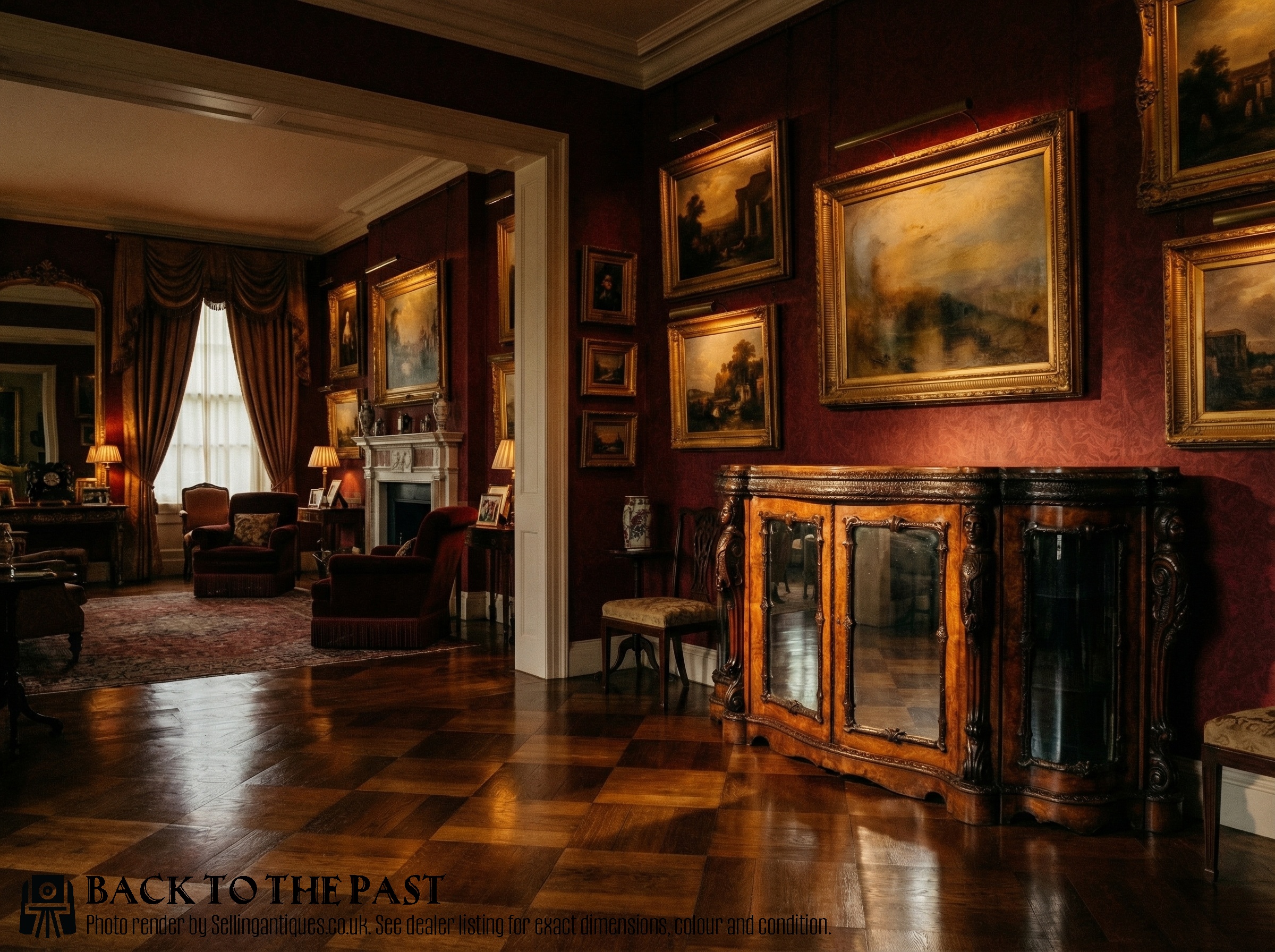
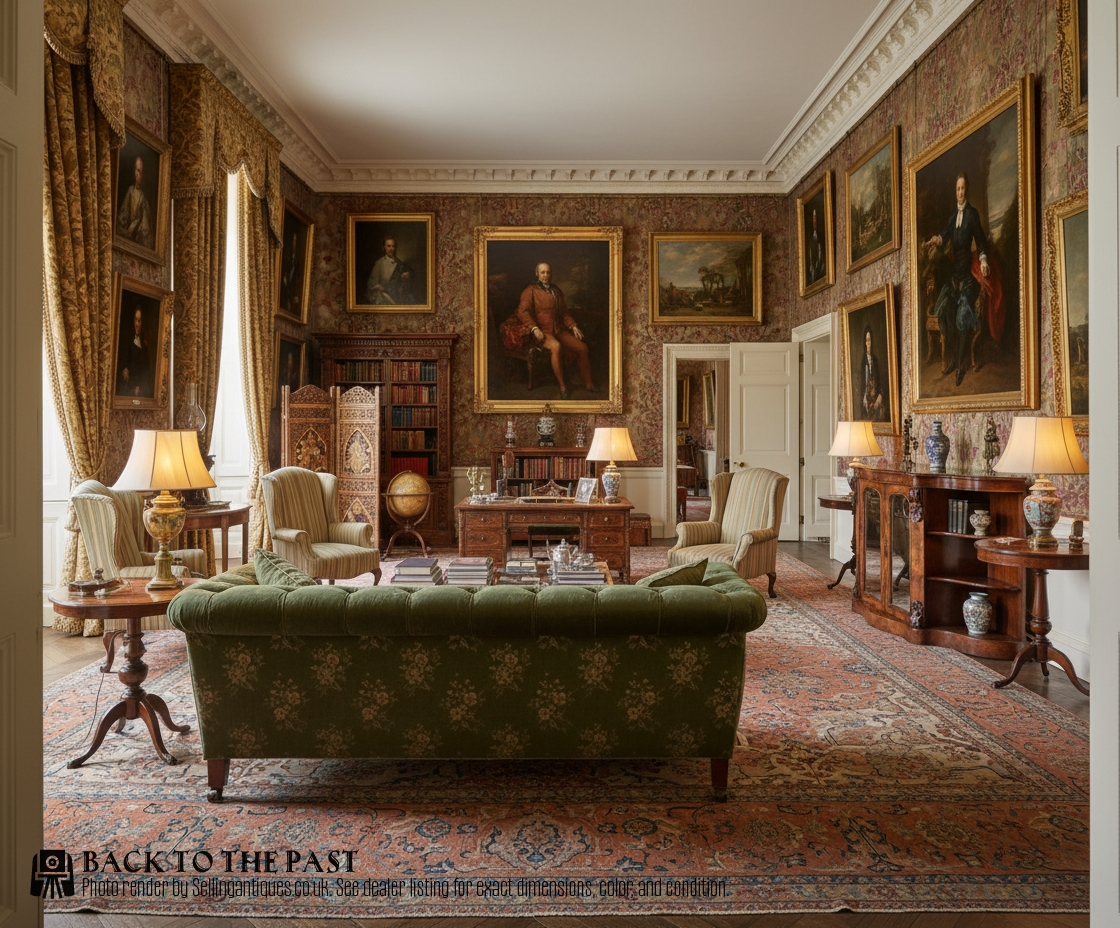
A walnut buffet serves as a focal point in a dining room or hallway, pairing well with natural light that highlights the swirling burr veneer patterns.
Items with marble tops or mirrored backs benefit from minimal surface dressing to let the wood grain and ormolu mounts remain visible.
How do I tell Victorian from Art Deco walnut buffets?
Victorian walnut pieces typically feature elaborate carvings, mirrored display backs, marquetry inlay, and gilt bronze ormolu mounts. They lean towards historic revival styles and heavy proportions.
Art Deco walnut buffets, dating around the 1930s, rely on clean geometric lines, contrasting woods like sycamore, and unadorned figured grain surfaces.
Were these buffets used for serving meals?
Historically, buffets and serving tables provided a surface to place dishes, silverware, and tea services away from the main dining table. Tiered stands and dumbwaiters held extra plates and courses within reach of the dining room.