


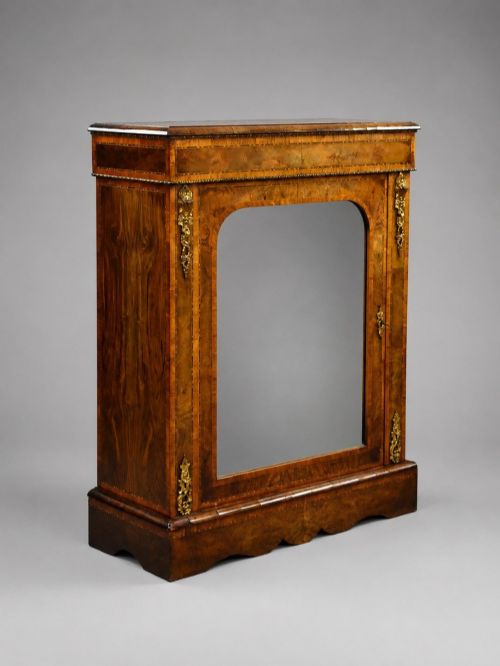
19th Century Walnut Sideboard
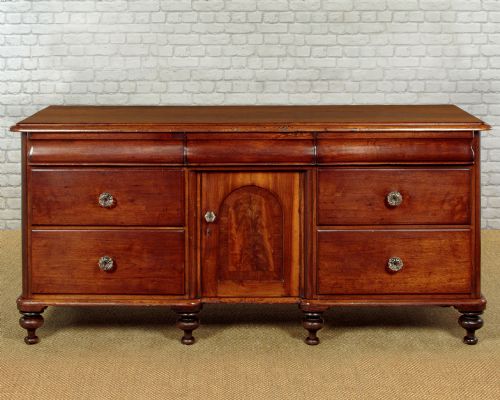
A 19th century walnut sideboard brings rich grain patterns and classical presence into a room, offering both display space and deep storage.
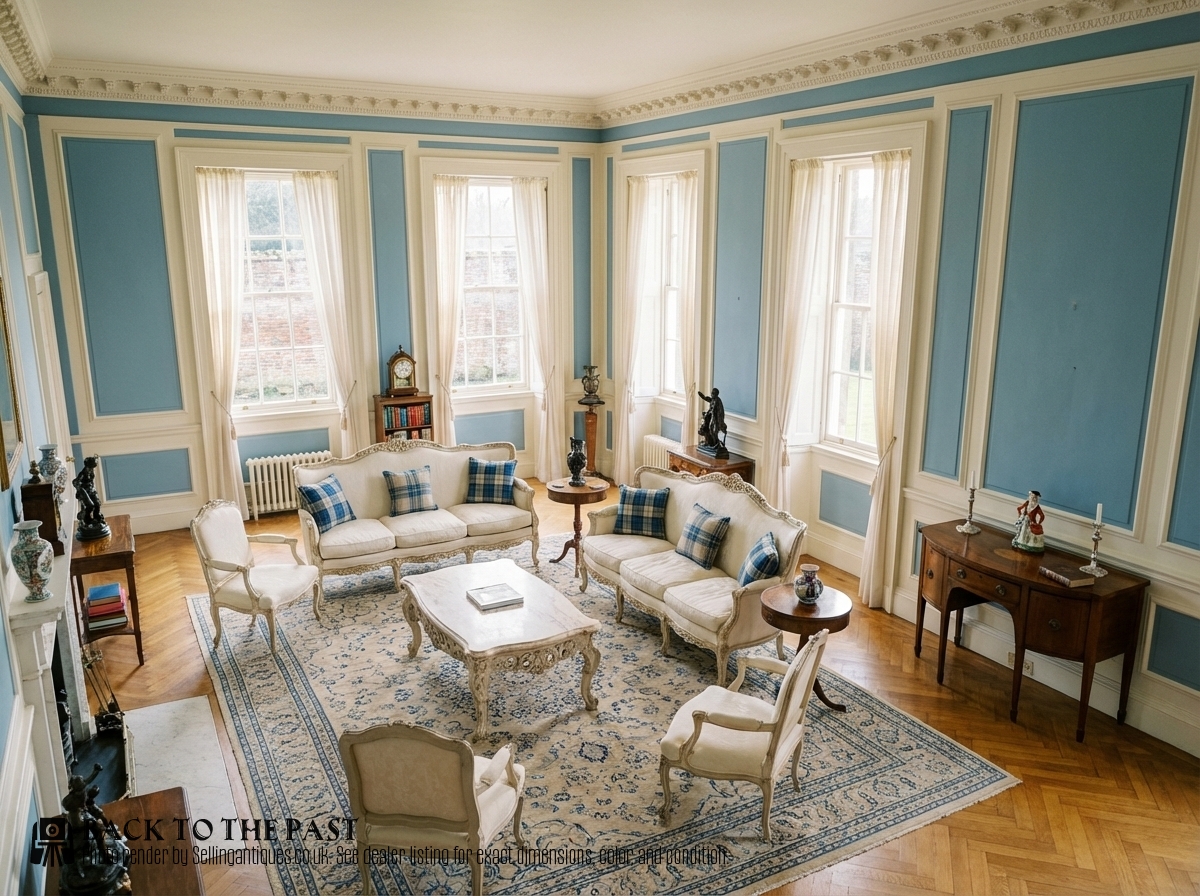
19th Century Walnut Sideboard
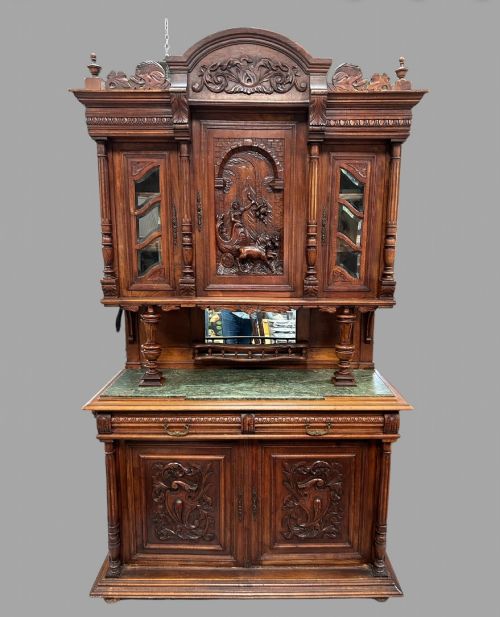
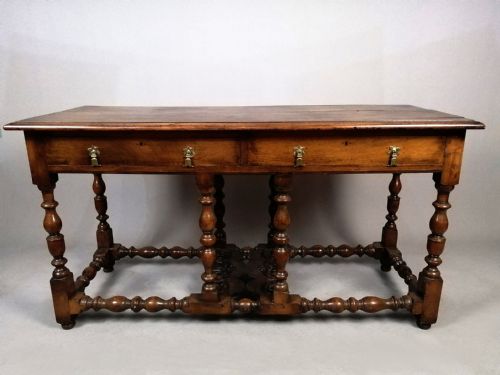
A 19th century walnut sideboard encompasses a diverse range of foundational dining and living room furniture designed for service and display. Buyers encounter credenzas, pier cabinets, commodes, and formal buffets originating from Victorian Britain and continental European workshops.
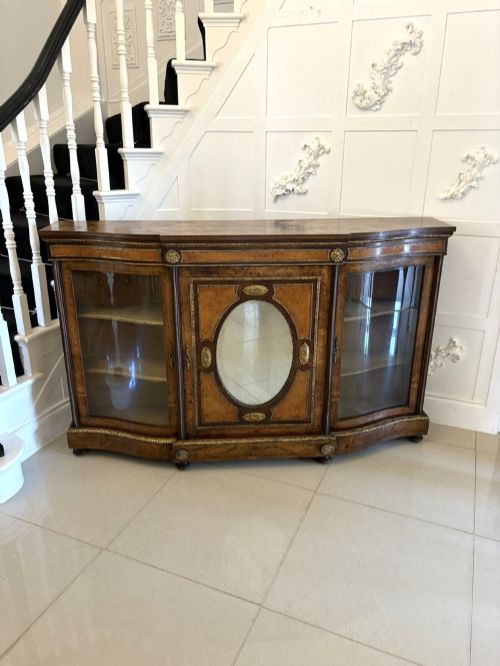
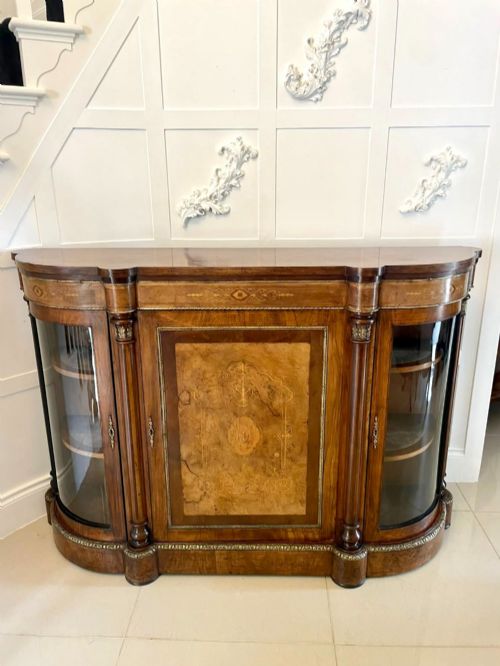
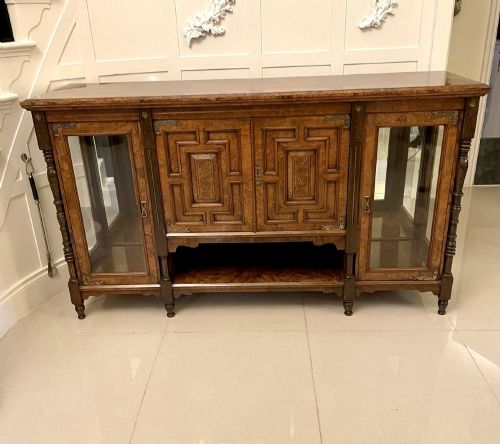
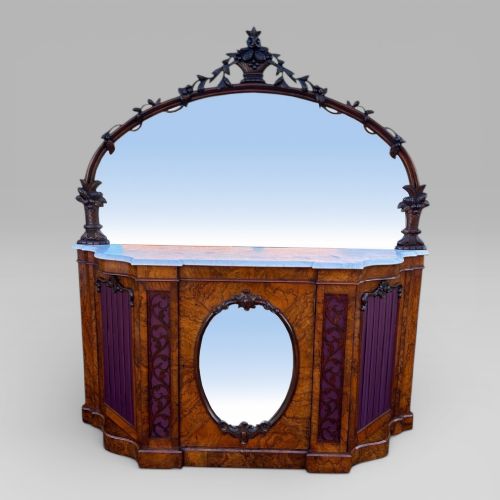
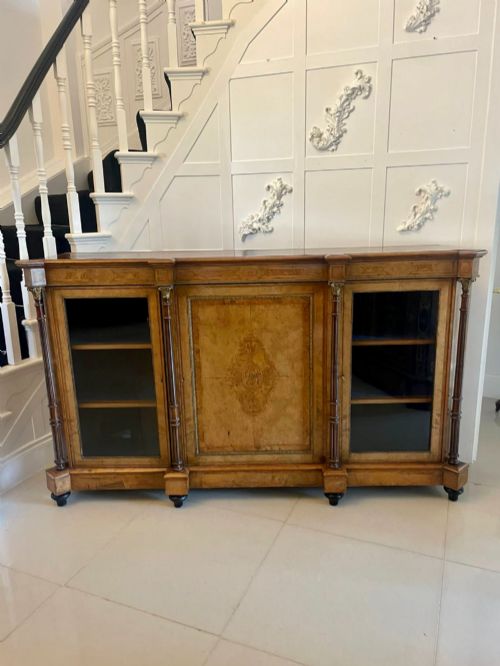
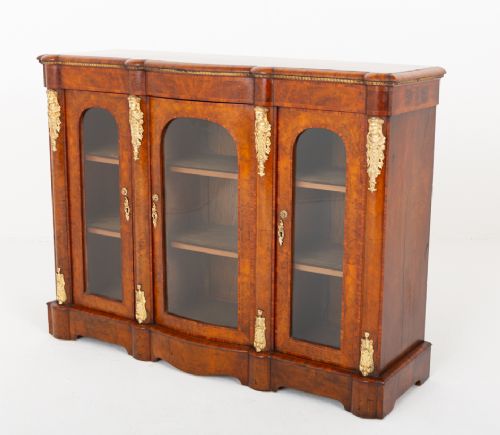
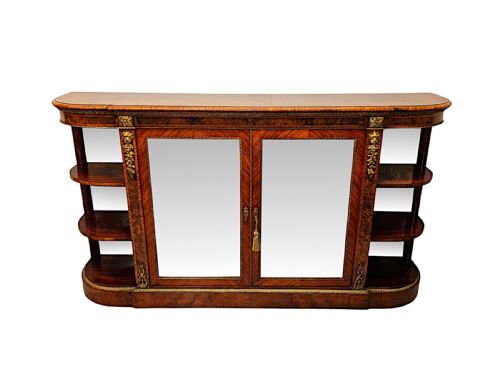
The Victorian credenza emerges most frequently on this page, often featuring curved glass doors, gilt mounts, and intricate marquetry. Alongside these sit French provincial dressers, Gothic revival buffets, and Georgian-influenced designs spanning the 1820s to 1900.
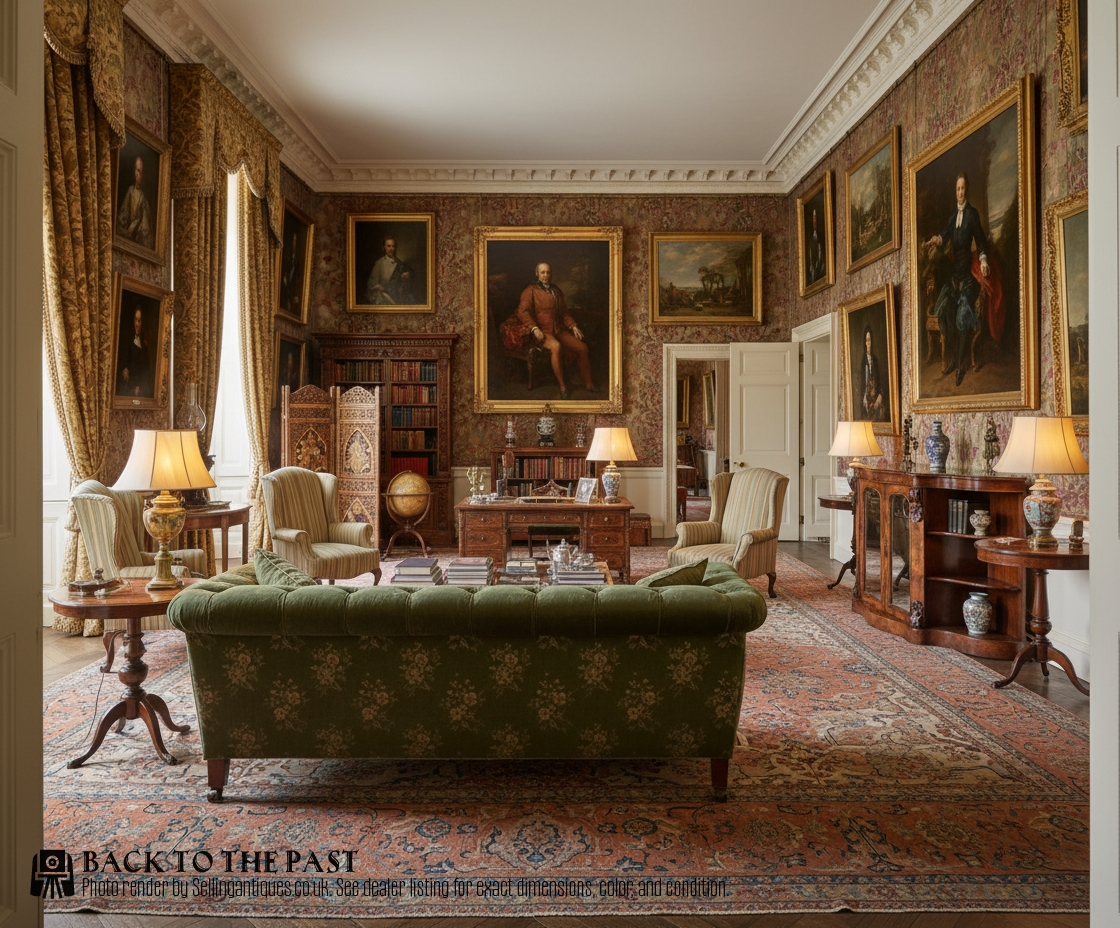
How They Were Made
Cabinet makers utilised solid walnut frameworks overlaid with highly figured burr walnut veneers to create striking symmetrical patterns across doors and panels. Boxwood and ebony inlay further accentuated the natural grain figures through delicate geometric or floral stringing.
Gilded bronze ormolu mounts, marble slab tops, and bevelled mirror backs added structural weight and visual contrast to the polished timber. Workshops incorporated glazed display compartments framed by curved timber mouldings and lined with velvet or silk.
19th Century Walnut Sideboard Retail Price Guide 2026
Typical asking prices for 19th century walnut sideboard among the pieces listed under this phrase on Sellingantiques today, from the lower quarter to the upper quarter. They describe what is for sale here now, not the wider market.
Some Victorian credenzas conceal fitted cellarette drawers designed specifically to keep wine bottles cool near the dining table.
What Varies in Quality
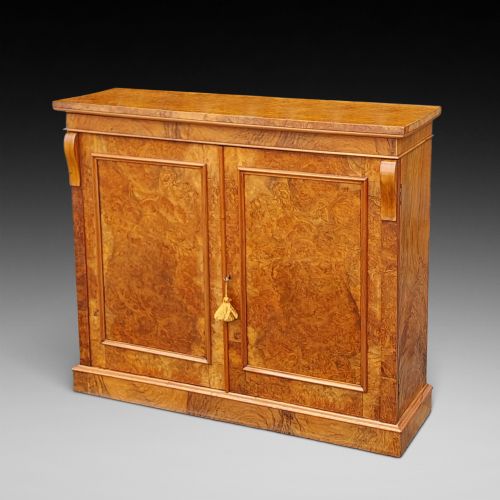
The grade of timber veneer dictates much of the visual impact, with tightly swirled burr walnut commanding greater appreciation than plain timber grains. The intricacy of the boxwood marquetry and the crispness of the hand-carved mouldings separate standard production items from exhibition pieces.
Integration of secondary materials like original shaped marble tops, Sevres porcelain plaques, and heavy cast ormolu mounts elevates a piece. Maker attribution, such as stamps by firms like Gillows, indicates higher standards of interior joinery and structural timber selection.
Gillows
The 19th Century Walnut Sideboard Glossary
- Burr Walnut
- Timber taken from the growth excrescences of walnut trees, yielding highly ornamental swirling grain patterns. Cabinet makers prized this wood for veneering prominent door fronts and tabletops.
- Credenza
- A low dining or salon cabinet typically comprising a central cupboard flanked by curved glass display compartments. This form frequently incorporates ormolu mounts and marble tops.
- Ormolu
- Gilded bronze ornamentation applied to furniture corners, friezes, and feet. French and English makers utilised these metallic mounts to highlight neoclassical and revivalist designs.
- Marquetry
- Decorative veneer patterns formed by fitting together thin slices of various woods, boxwood, and shell. Craftsmen assembled these pictorial designs on flat cabinet panels.
- Pier Cabinet
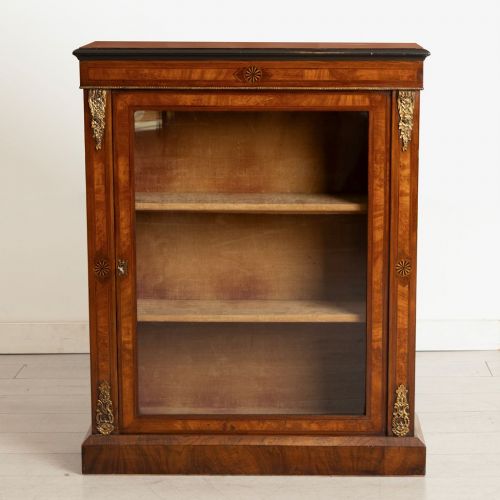
- A narrow display cabinet designed to fit wall spaces between windows. These pieces often feature single glazed doors and velvet-lined interior shelving.
19th Century Walnut Sideboard: Frequently Asked Questions
What is a credenza sideboard?
A credenza sideboard is a low-profile cabinet featuring enclosed cupboards flanked by glass-fronted display sections. These pieces originated as serving tables before evolving into decorative living room furniture.
Victorian makers adapted the form to hold porcelain and glassware while providing a flat surface for lamps or ornaments.
How do I identify burr walnut?
Burr walnut is distinguished by its dense, swirling grain patterns filled with small circular nodes or eyes. This figure comes from irregular tree growths and produces highly decorative surfaces.
Cabinet makers laid thin slices of this figured wood over stable pine or oak carcases to create symmetrical designs.
Were these sideboards used in dining rooms?
These sideboards served multiple domestic spaces, acting as dining room servers for dishes and silver or as salon display cabinets. Formal buffets and dressers were built for dining spaces to store tableware.
Smaller pier cabinets and commodes were placed in drawing rooms to display decorative objects.
How do I care for a walnut sideboard?
Polished walnut requires stable room humidity and protection from direct sunlight to prevent timber splitting and veneer lifting. Regular dusting with a soft dry cloth maintains the finish.
Application of appropriate beeswax nourishes the antique timber without building up heavy chemical residues.