
Victorian Mirrored Credenza
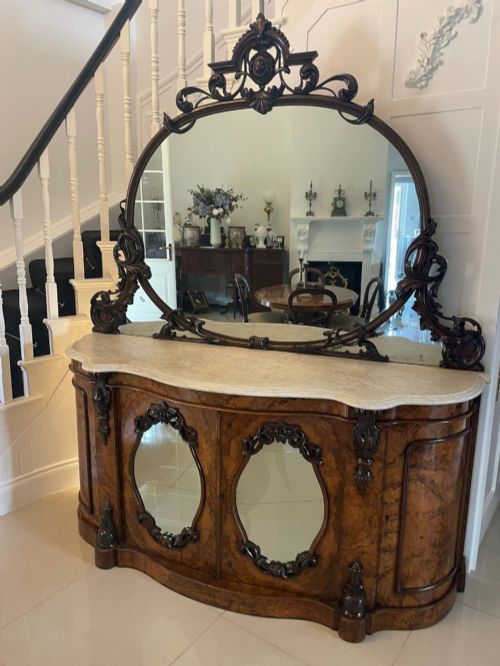
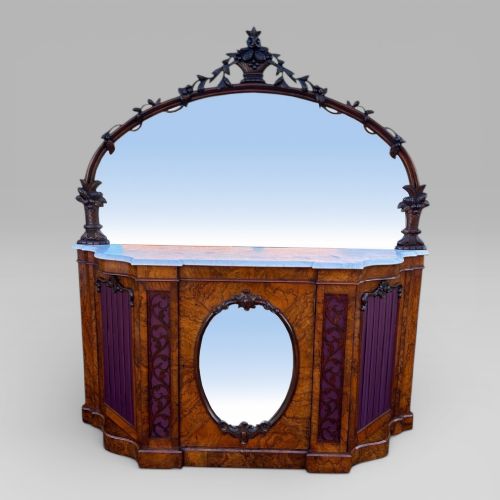
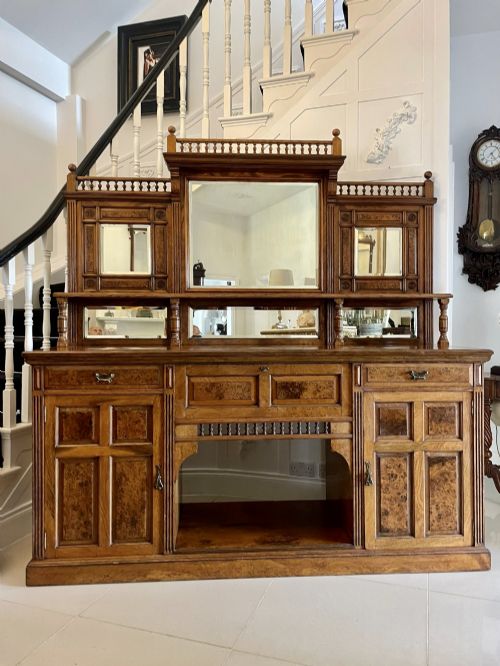
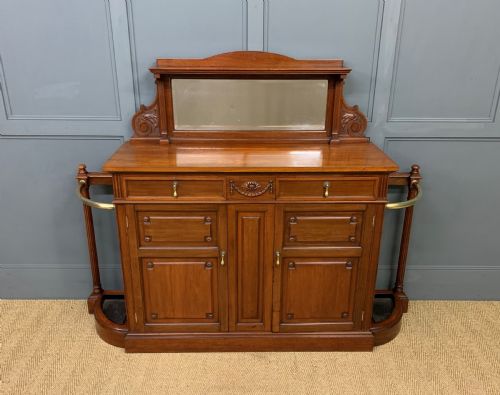
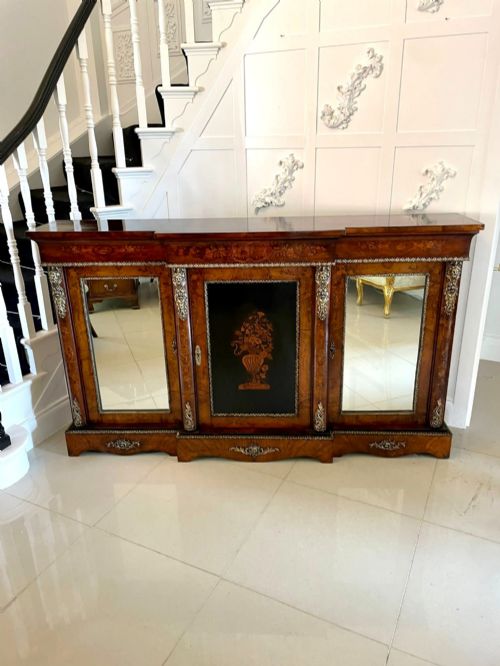
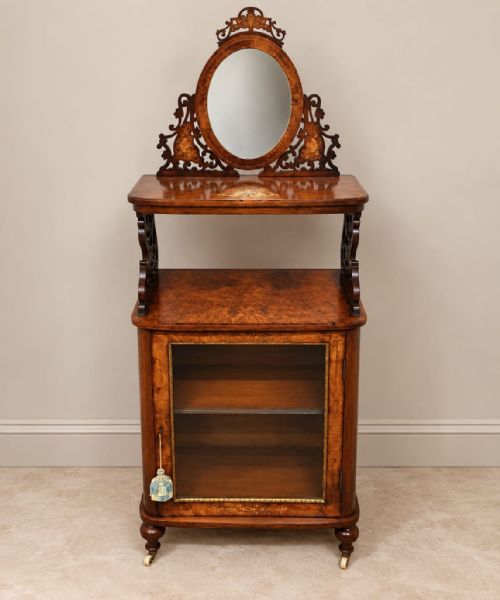
A Victorian mirrored credenza brings monumental presence and deep burr walnut grain to a formal reception room.
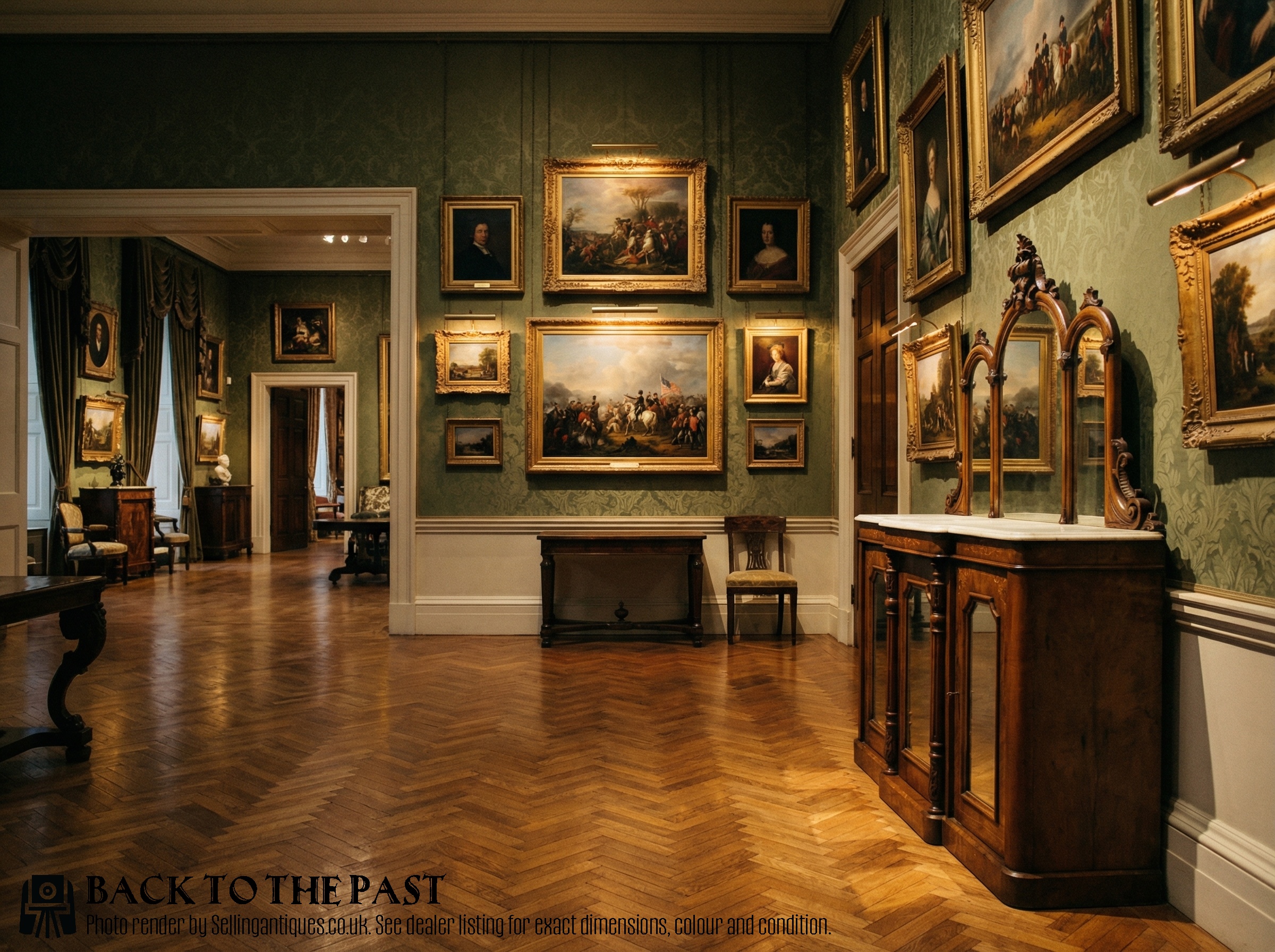
What a Victorian mirrored credenza is
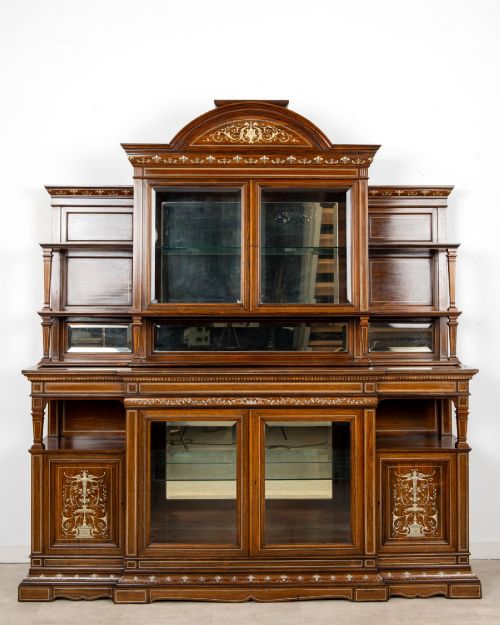
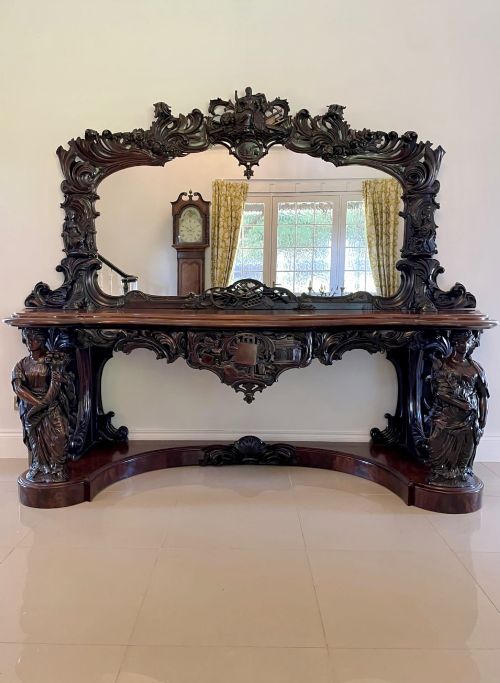
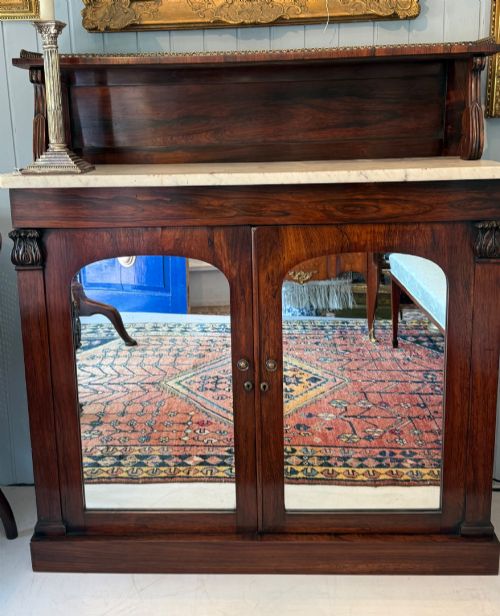
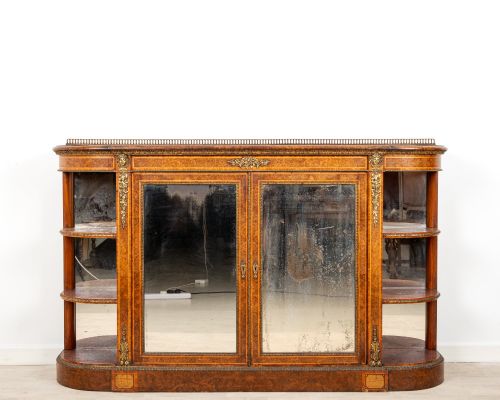
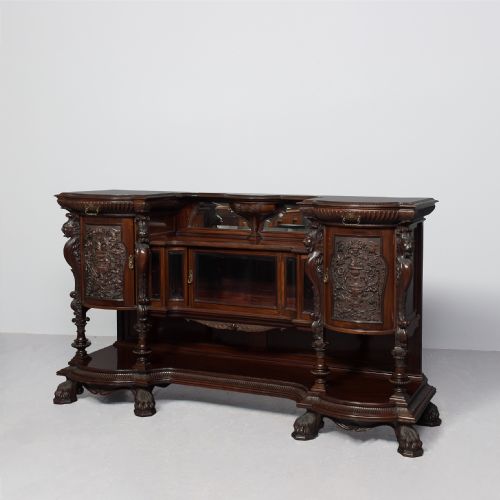
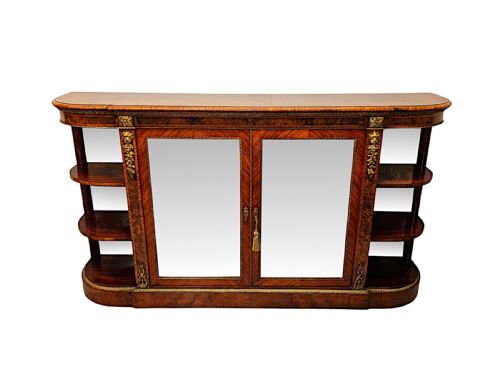
When you search for a Victorian mirrored credenza, you are looking at low, long display cabinets designed for mid to late nineteenth century drawing rooms. These substantial pieces combine polished timber surfaces with central mirrored doors and flanking curved glass cabinets.
The versions you meet most frequently on this page date from around eighteen fifty to eighteen eighty. They appear in burr walnut and plain walnut, often accented with marquetry inlay and gilt bronze mounts.
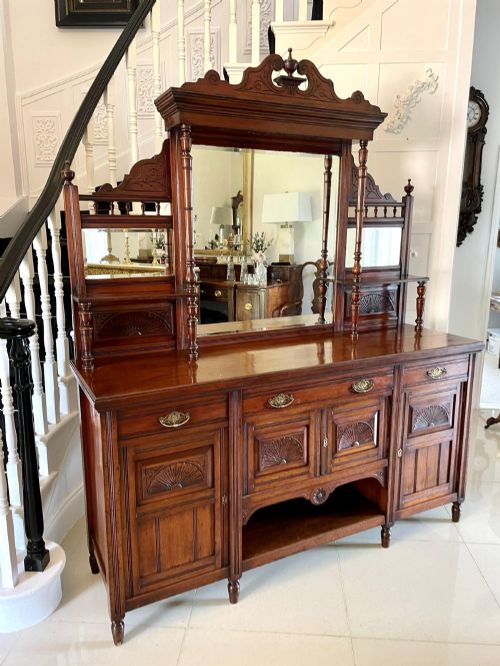
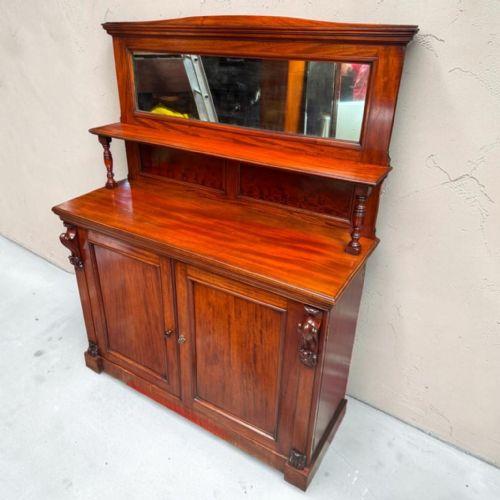
Most examples function as credenzas and sideboards, providing a polished marble top or wooden surface above enclosed shelved cupboards. The integrated mirror glass reflects the candle or gas light of a Victorian interior.
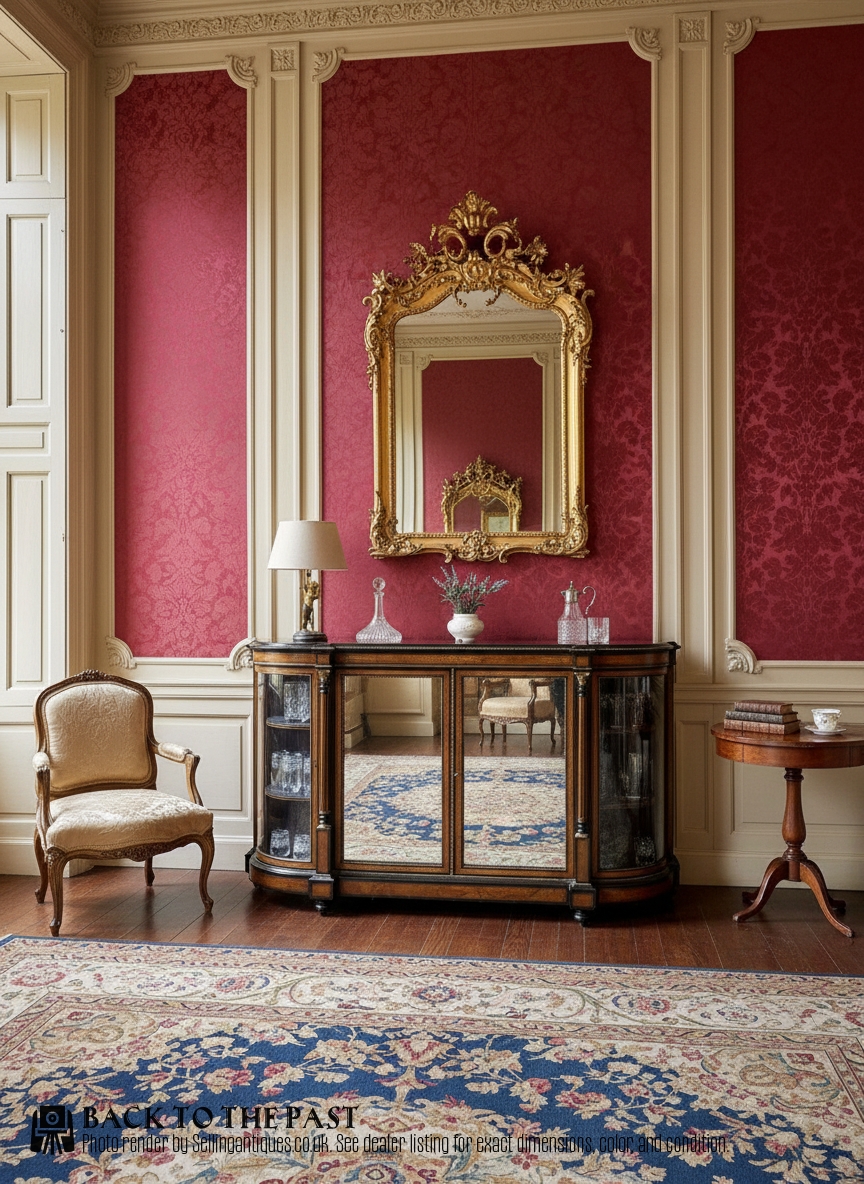
How they were made
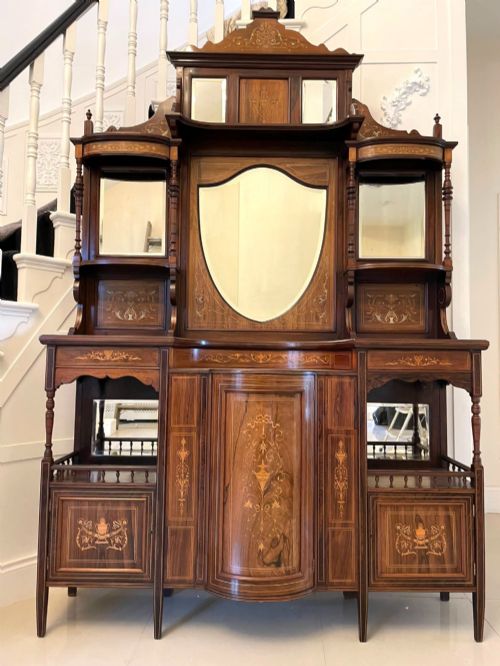
Cabinet makers constructed these pieces using solid wood carcases veneered in highly figured burr walnut and amboyna. Artisans applied intricate marquetry inlay by hand, setting lighter woods into darker grounds to create floral and geometric patterns.
Gilded ormolu mounts frame the doors and highlight structural breaks, while cast bronze or brass details enrich the frieze. Heavy white or variegated marble slabs sit flush upon the timber tops of certain examples.
Curved glass panels require specialist heat bending to fit the serpentine side cabinets. The internal mirror glass is set securely into panelled wooden doors to complete the facade.
Retail Price Guide 2026
Typical UK retail prices for victorian mirrored credenza, calculated from the Sellingantiques database of over a million retail prices indexed since 2003. This retail price guide relies exclusively on Sellingantiques data; no external sources or auction records are used, so the figures do not describe the wider market.
Curved glass doors required nineteenth-century glaziers to master the art of bending hot glass without losing clarity.
What varies in quality
The distinction between standard production and the finest work lies in the choice of veneer and the crispness of the carving. Richly figured burr walnut with symmetrical grain patterns marks out superior pieces.
Ormolu mounts demonstrate varying levels of chisel work, where sharper casting and deeper chasing separate finer examples from simpler, softer castings. The complexity of marquetry inlay and the inclusion of amboyna woods also elevate a piece.
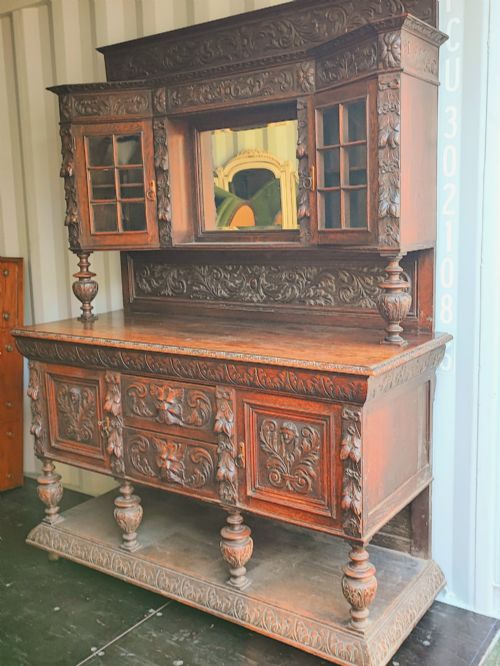
Structural heft and the presence of heavy marble tops versus wooden tops signal different tiers of original commission. Carved wooden details show the hand of a skilled artisan rather than routine workshop production.
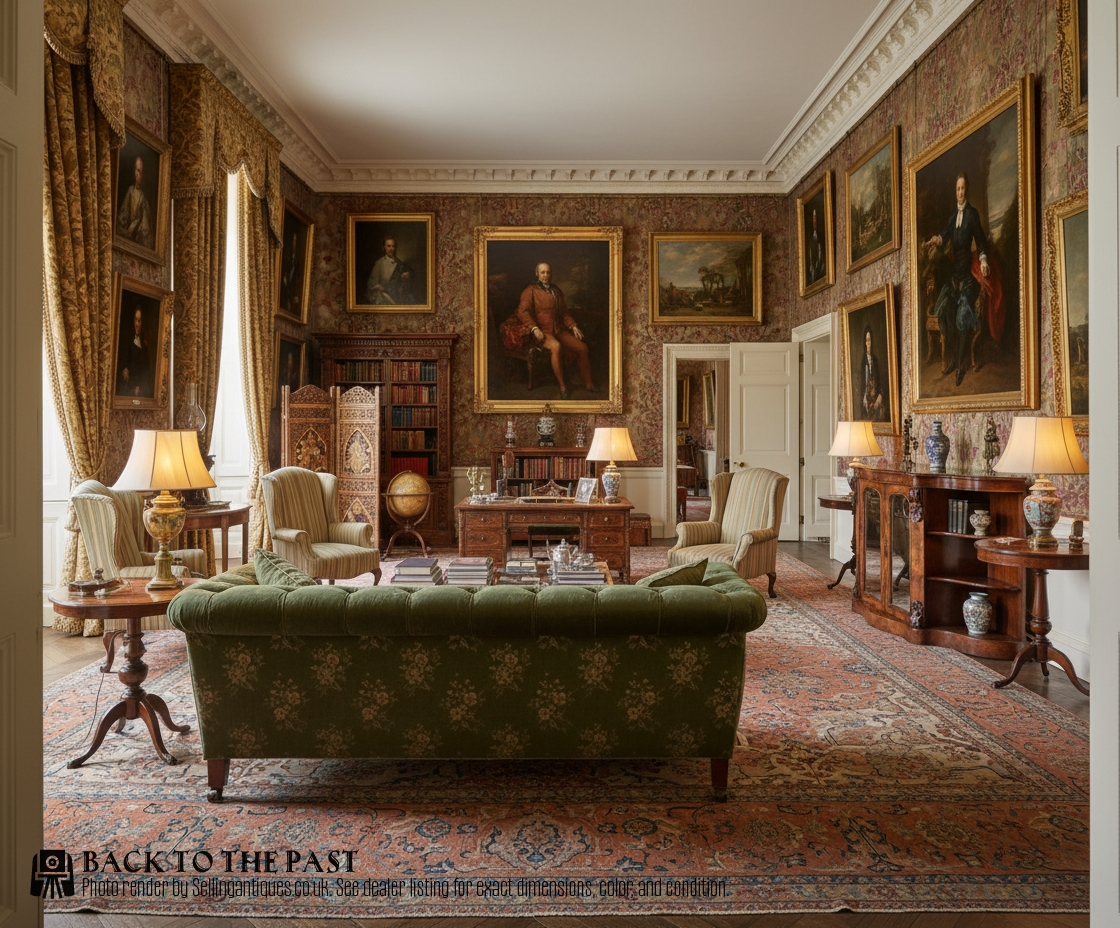
The Victorian Mirrored Credenza Glossary
- Burr Walnut
- A highly prized timber veneer taken from the wart-like growths on walnut trees, yielding turbulent and decorative grain patterns. Cabinet makers selected it for its dramatic visual impact.
- Ormolu
- Gilded bronze mounts applied to furniture for decorative accent. The technique involves coating metal with a gold amalgam and heating it to bond the finish.
- Marquetry
- The art of applying pieces of veneer to a structure to form decorative patterns and pictures. Craftsmen cut contrasting woods together to ensure a precise fit.
Frequently Asked Questions
What is a Victorian mirrored credenza?
A low nineteenth-century cabinet featuring wooden shelving, glass doors, and integrated mirrors. They were built to furnish formal reception rooms.
These pieces combine display space with reflective glass designed to brighten period interiors.
How were these credenzas used?
Victorian households used them to display porcelain, silver, and decorative objects in drawing rooms. The flat top served as a surface for lamps or ornaments.
Enclosed cupboards below kept dining or entertaining accessories close at hand but out of sight.
How do I date a credenza?
Dating relies on stylistic clues, wood choices, and construction methods recorded in the titles and periods. Pieces from the eighteen fifties often feature marble tops.
Later decades introduced heavier carved elements and specific revival styles such as Rococo Revival.
Are these credenzas made of solid walnut?
Makers constructed the main carcase of secondary timbers and applied fine veneers of burr walnut to the visible surfaces. This technique prevented warping while showcasing decorative grain.
Solid walnut and carved elements appear on mouldings, feet, and structural frames.