


Rococo Revival Credenza
A rococo revival credenza is an ornamental cabinet defined by exuberant curves, mirroring the lavish furniture styles of the nineteenth century.
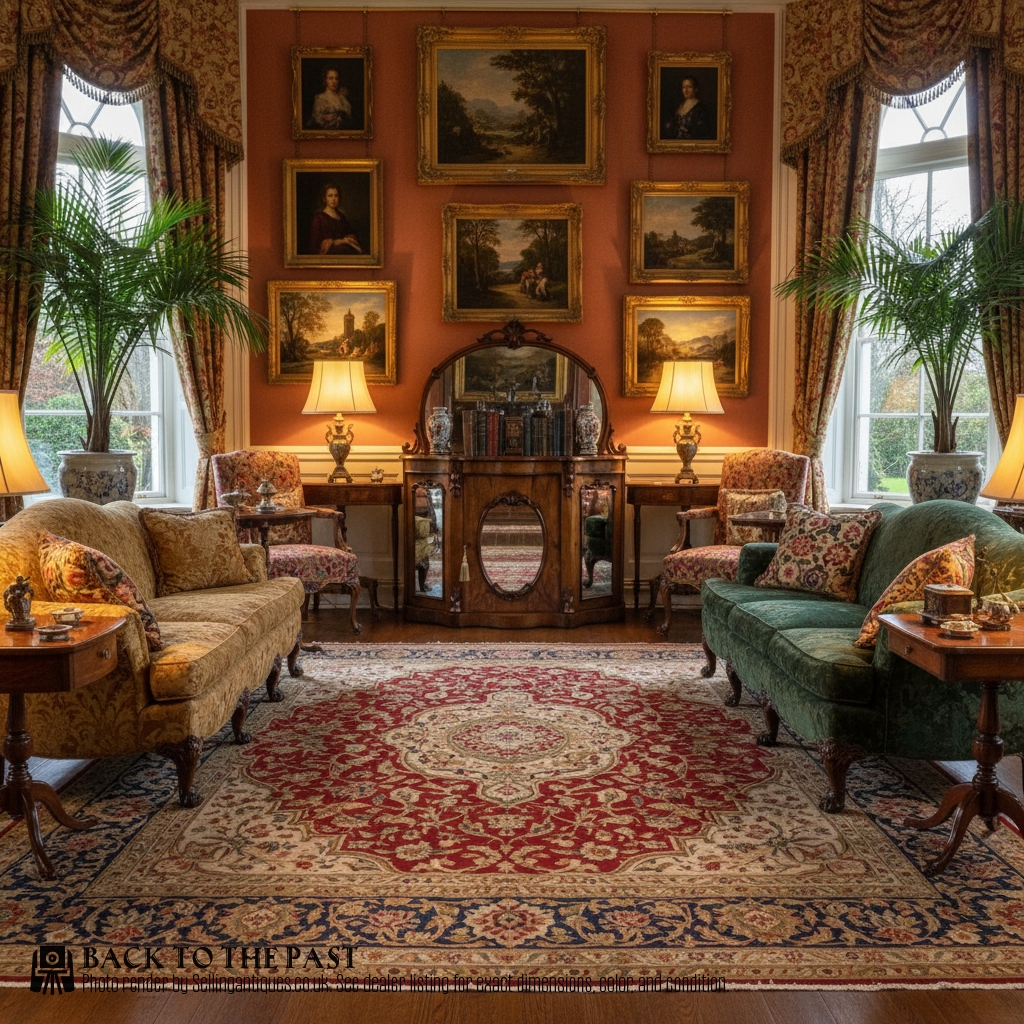
Rococo Revival Credenza
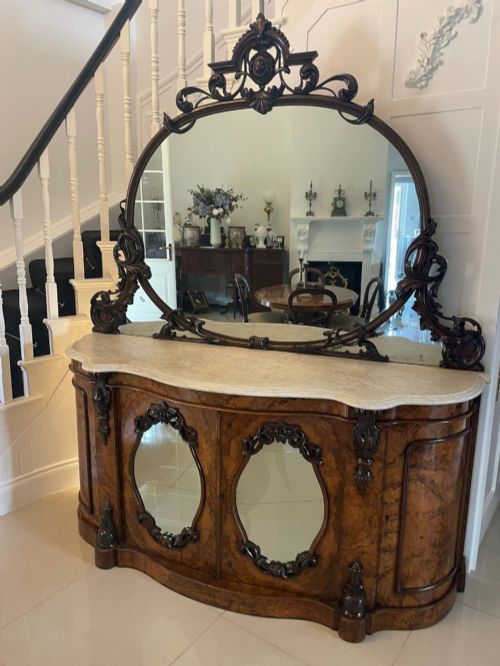
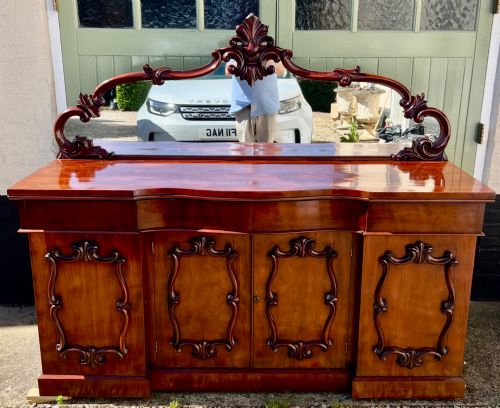
When you search for a rococo revival credenza, you encounter substantial nineteenth century storage furniture designed for formal reception rooms. These pieces frequently appear alongside mirror backs, marble tops, and serpentine fronts.
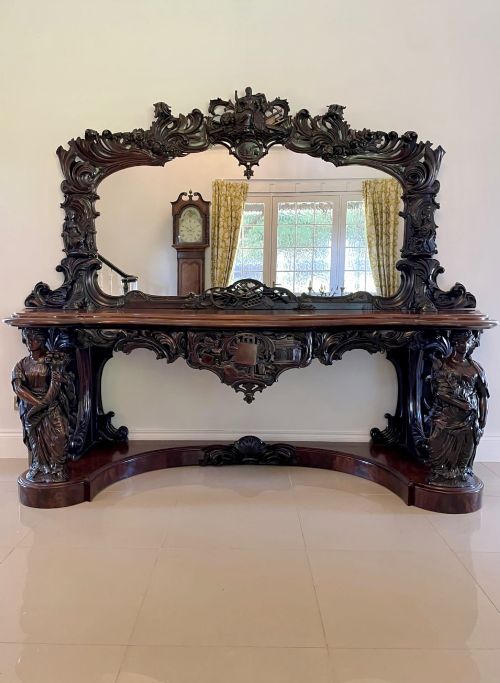
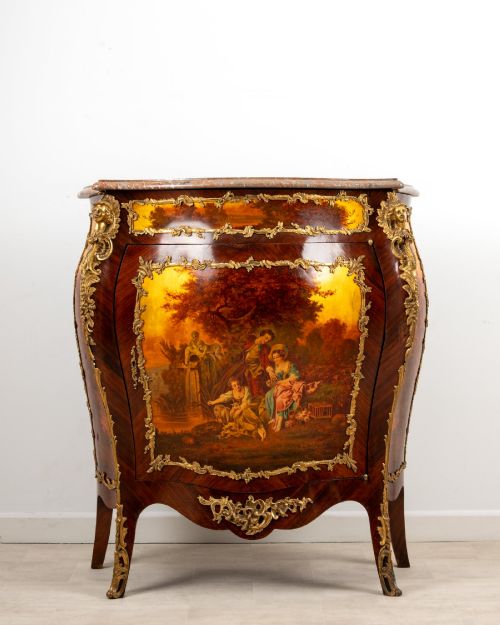
The specimens on this page typically date from the Victorian era and the mid-nineteenth century, showing French revival influences such as Louis XV motifs. Cabinets, sideboards, and console tables share these characteristic revival traits.
Burr walnut and mahogany form the primary carcasses of these credenzas, often complemented by glazed doors or painted panels. The overall forms range from compact side cabinets to expansive mirror back credenzas.
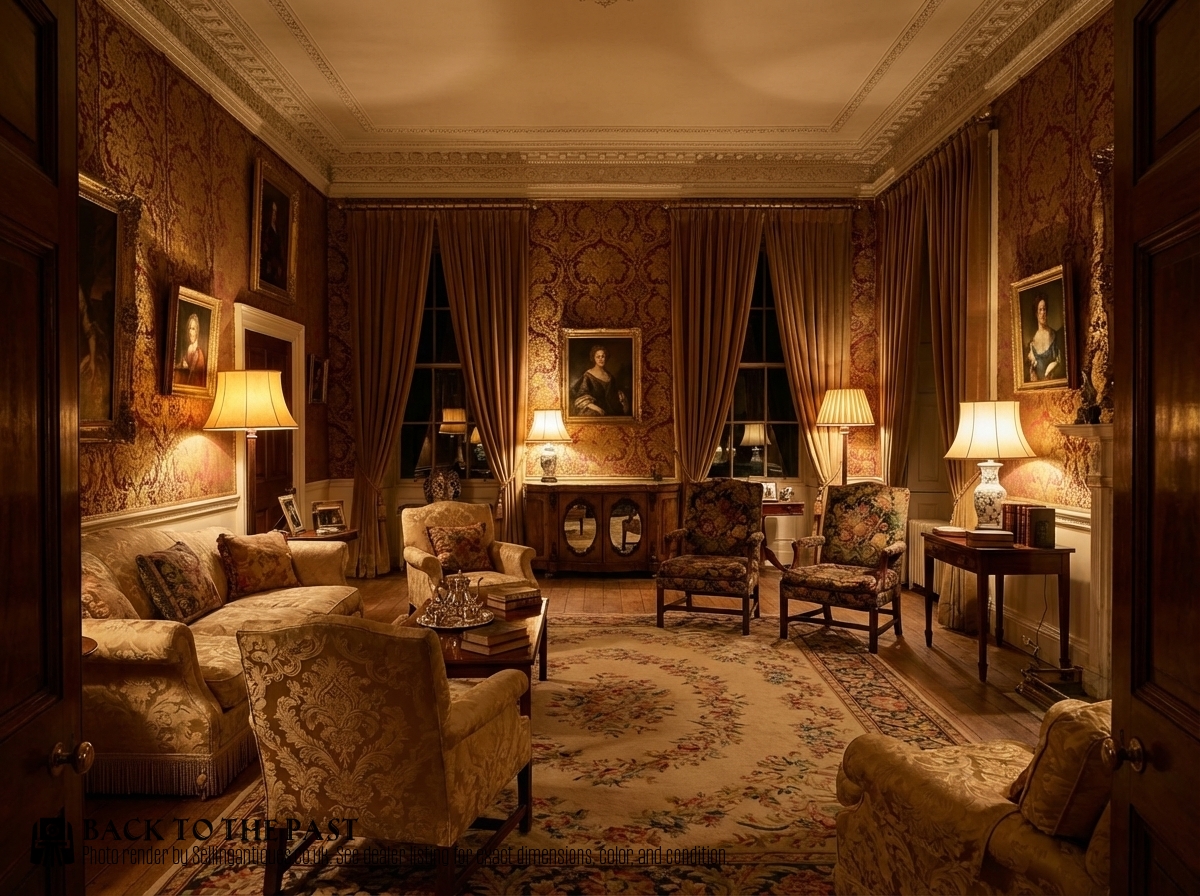
How they were made
Cabinet makers utilised dense hardwoods like mahogany and walnut, frequently applying burr walnut veneers to create highly figured surfaces on the main body. Carved wooden elements provided the elaborate scrolls and asymmetrical foliage characteristic of the style.
Marble slabs were fitted to the tops of many console tables and cabinets to provide a durable and decorative surface. Ormolu mounts and brass details were cast and applied to accentuate the corners and framing of the doors.
Specialised techniques such as Vernis Martin painting adorned the panels of specific French cabinets, introducing detailed figurative scenes. Glass panels were integrated into doors to display porcelain and silver within the interior.
Rococo Revival Credenza Retail Price Guide 2026
Typical asking prices for rococo revival credenza among the pieces listed under this phrase on Sellingantiques today, from the lower quarter to the upper quarter. They describe what is for sale here now, not the wider market.
The documented materials across these pieces include ormolu, brass, glass, and hand-painted Vernis Martin panels.
What varies in quality
The fineness of the timber veneer and the depth of the hand carving distinguish superior examples from standard production. Figured burr walnut with matching grain patterns across multiple doors indicates careful selection by the cabinet maker.
The execution of the ormolu mounts and the weight of the fitted marble top influence the overall standard of the piece. Crisp, sharply chased metalwork and thick, well-polished stone represent higher levels of workshop expenditure.
Structural complexity, such as serpentine curves and mirrored backsplashes with integrated shelving, points to ambitious design. Pieces bearing attribution to established makers demonstrate superior joinery and longevity.
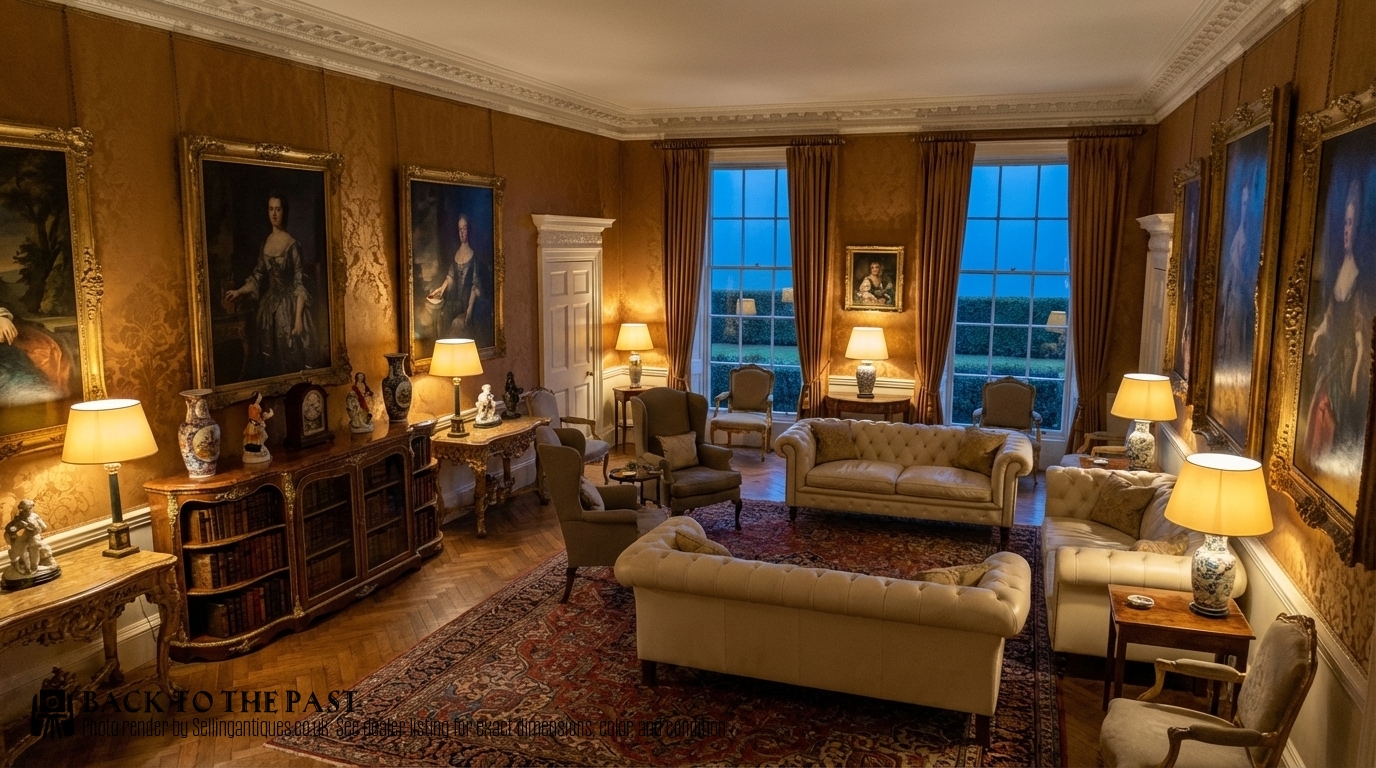
Gillows
The Rococo Revival Credenza Glossary
- Credenza
- A low cabinet or sideboard designed for display and storage, often featuring glass doors and decorative mounts. These pieces became central to Victorian drawing room interiors.
- Ormolu
- Gilded bronze or brass mounts applied to furniture for decorative effect. The technique involves mercury gilding on older pieces to achieve a durable golden finish.
- Vernis Martin
- A simulated Japanese lacquer technique developed in France, using multiple layers of varnish to protect painted decoration on panels. It frequently appears on cabinets from the nineteenth century.
- Serpentine
- A furniture front or top shaped with a convex centre flanked by concave curves, creating a flowing undulating line. This contour requires precise woodworking skill.
- Burr Walnut
- Timber taken from the wart-like growths on walnut trees, yielding intricate swirling grain patterns. Cabinet makers prized this wood for high-status veneered surfaces.
Rococo Revival Credenza: Frequently Asked Questions
What is a rococo revival credenza?
A rococo revival credenza is a nineteenth-century ornamental storage cabinet distinguished by curved lines, carved decoration, and decorative wood veneers. These pieces reflect historical French design tastes adapted by Victorian cabinet makers.
They generally feature enclosed shelving, glazed display sections, or mirrored superstructures intended for formal reception rooms.
Where were these cabinets placed?
These pieces traditionally occupied prominent positions against the walls of Victorian drawing rooms or dining rooms. Their flat tops and display areas served to exhibit decorative ceramics, silver, and clocks.
Console variants often stood beneath large wall mirrors or between windows to complete the interior scheme.
How do I identify the wood?
Cabinet makers used dense hardwoods including mahogany, walnut, and rosewood as the primary structural materials. Burr walnut veneer provided swirling grain patterns across the doors and drawer fronts.
Lighter woods such as birds-eye maple occasionally appear on specific cabinet interiors and panels.
Are marble tops original?
Marble tops were commonly fitted to nineteenth-century console tables and credenzas during manufacture to provide a durable, decorative surface. The stone was selected to complement the dark timber tones of the cabinet base.
Fixings and edge profiles correspond to the period construction methods of the workshop.
How do I clean the wood?
Maintenance requires gentle dusting with a soft, dry cloth to prevent the accumulation of grit on the polished surface. Avoid using modern silicone sprays or household detergents that can damage historic French polish.
Occasional application of microcrystalline wax helps protect the timber and maintain the lustre of the veneer.