


Edwardian Side Cabinet
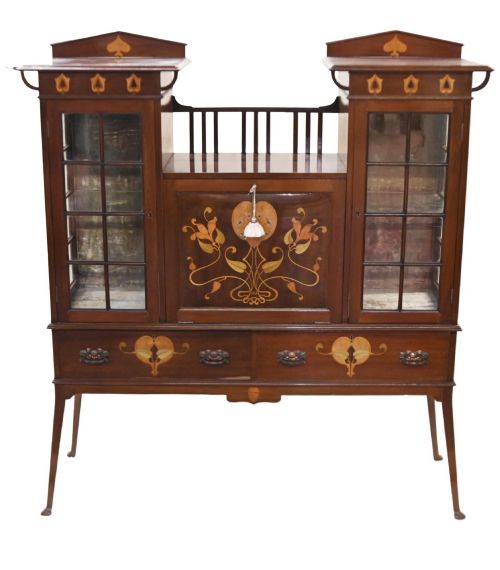
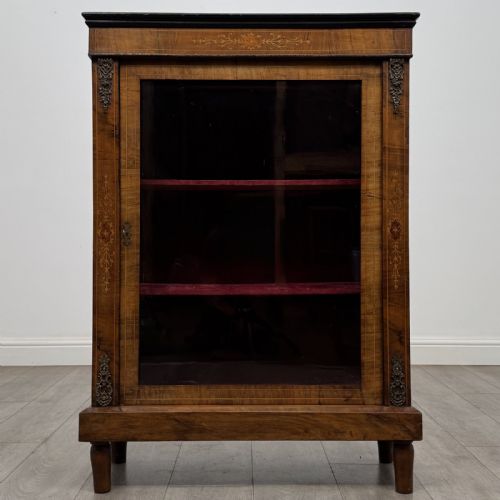
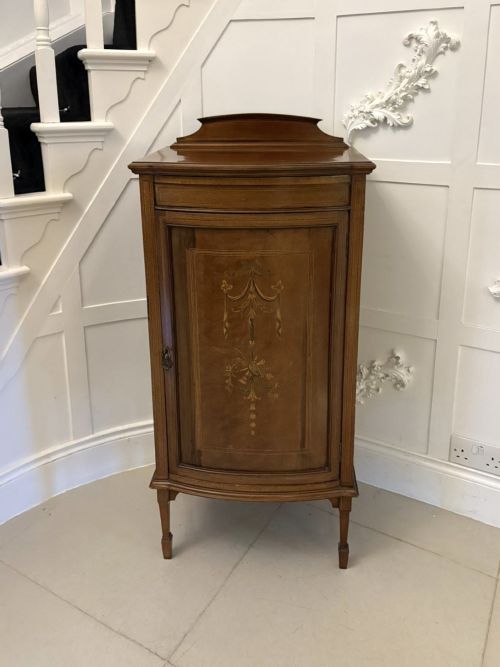
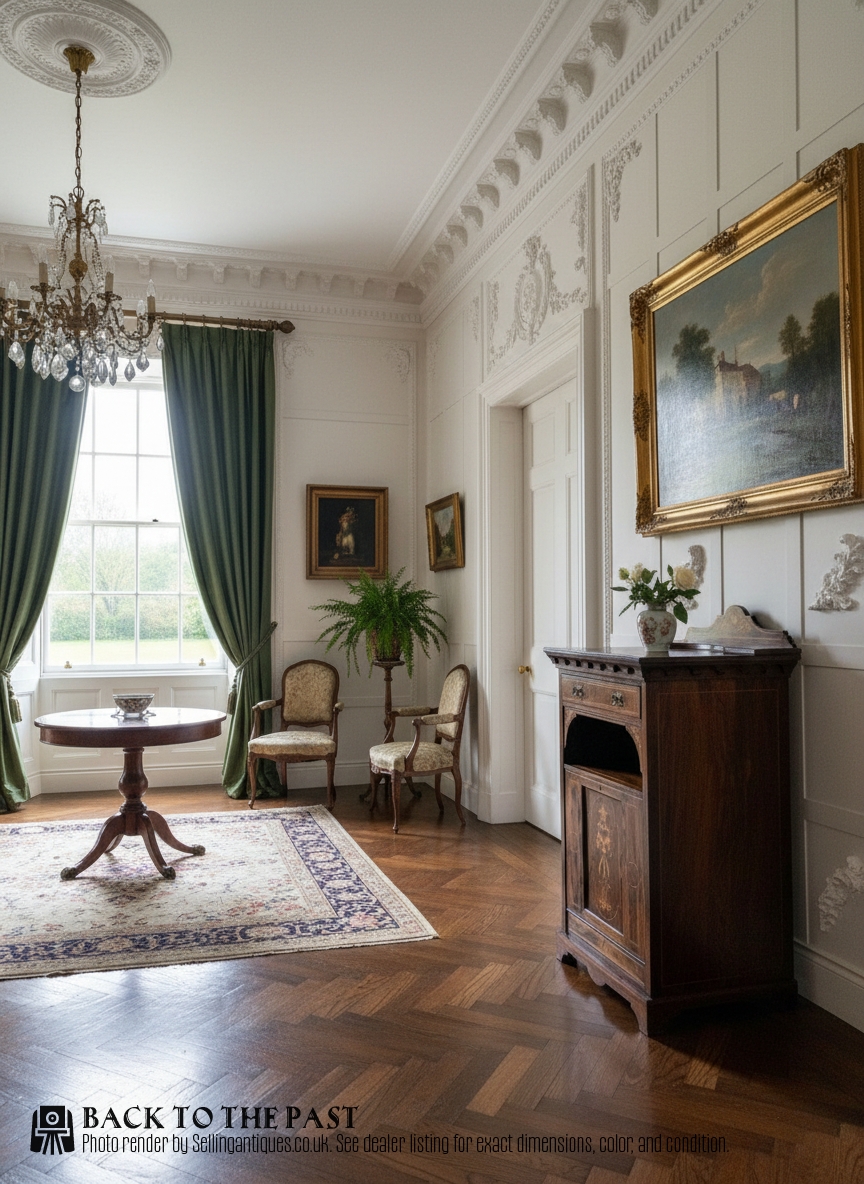
When you search for an edwardian side cabinet, you enter a domain of compact storage built with refined timbers and delicate inlay.
Edwardian Side Cabinet
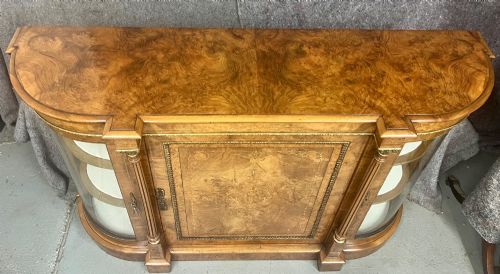
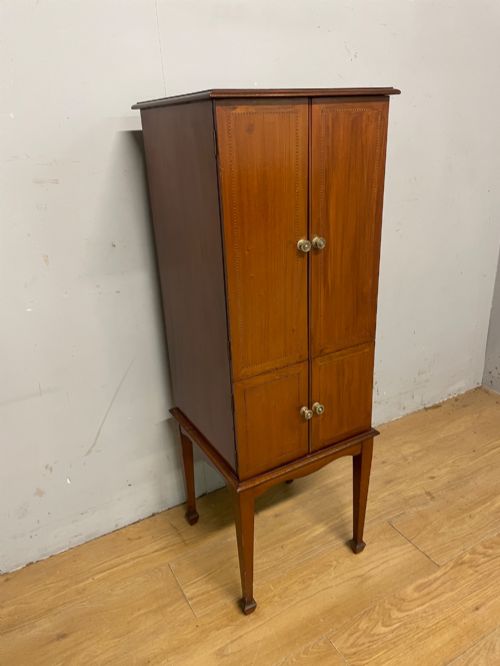
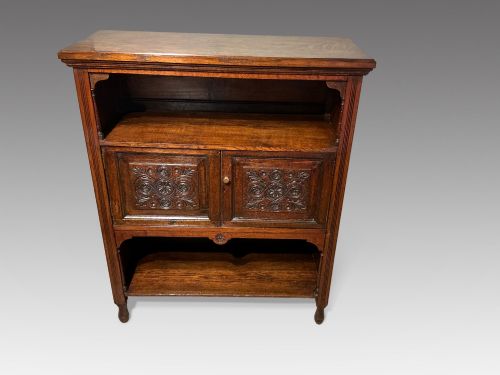
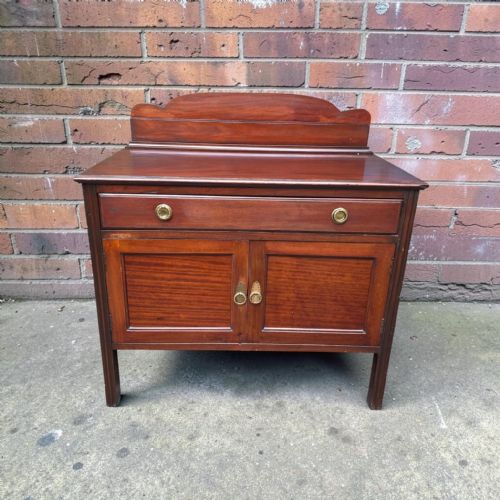
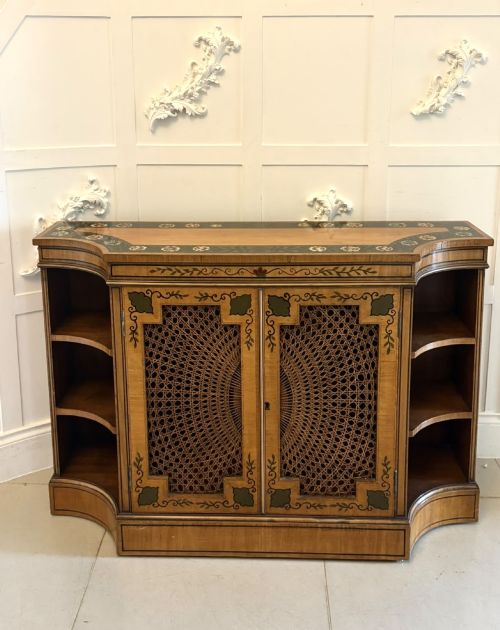
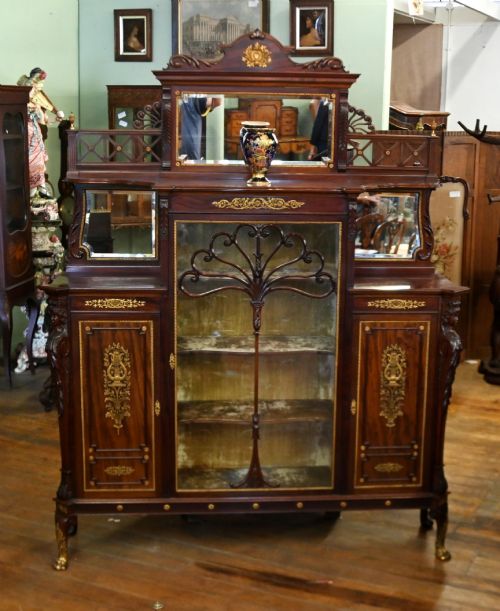
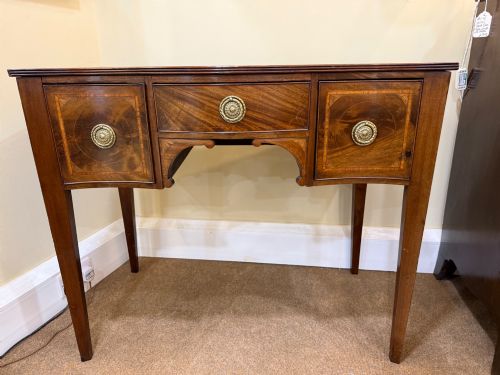
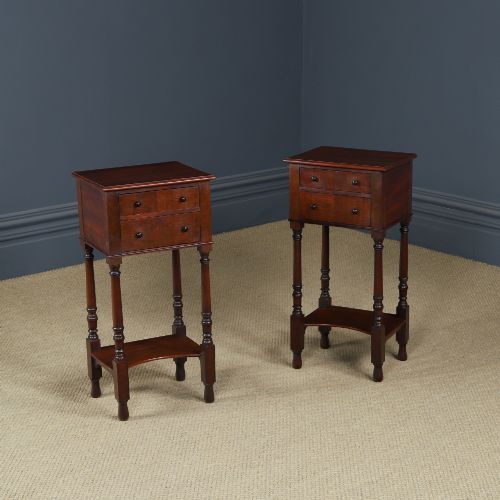
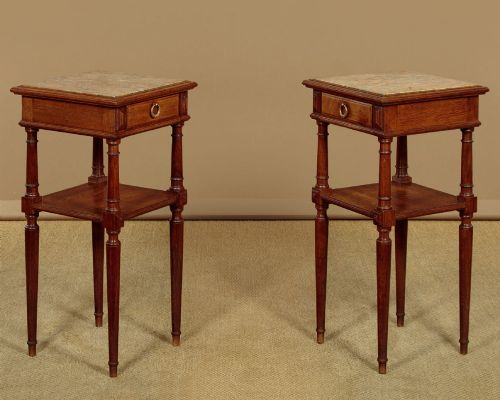
An edwardian side cabinet primarily serves as a versatile piece for domestic storage, spanning bedside cupboards, display units, and compact demi-lune formats.
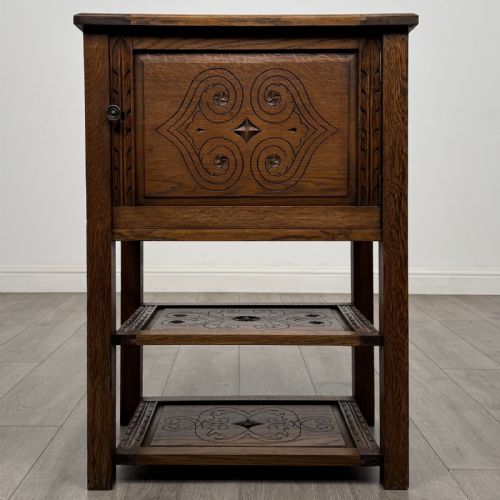
The material palette draws heavily from Edwardian and adjacent Victorian eras, utilising rich mahogany, satinwood, and oak alongside occasional rosewood and walnut.
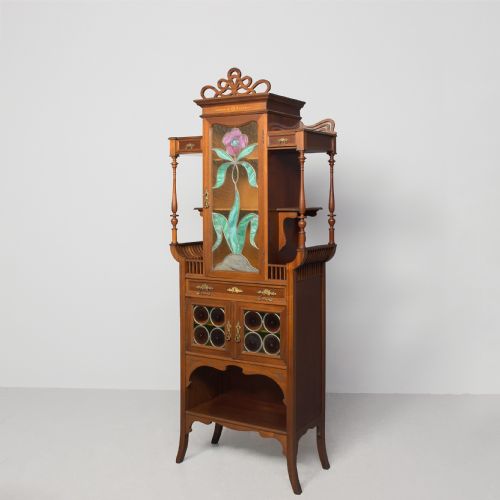
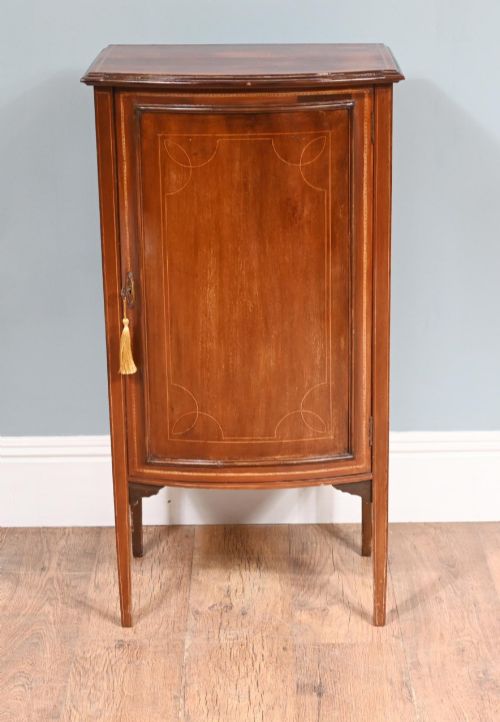
Pieces frequently incorporate glass panels, brass hardware, and intricate boxwood stringing to reflect the prevalent Sheraton Revival and Arts and Crafts design movements.
Materials and Technique
Cabinet makers constructed carcass frames in solid mahogany or oak, often applying figured veneers of satinwood or walnut to primary visual surfaces.
Decoration relied on contrasting stringing, marquetry, and hand-painted motifs, sometimes paired with glazed doors or bevelled mirror inserts.
Edwardian Side Cabinet Retail Price Guide 2026
Typical asking prices for edwardian side cabinet among the pieces listed under this phrase on Sellingantiques today, from the lower quarter to the upper quarter. They describe what is for sale here now, not the wider market.
Several pieces double as metamorphic writing tables, hiding secret desks inside ordinary-looking cupboards.
Grading Quality
Superior examples display precise, tight joinery and carefully matched timber grains, particularly across bowed or serpentine door fronts.
The fineness of hand-painted decoration, the integrity of inlaid stringing, and the weight of original brass fittings distinguish workshop-made output from standard commercial production.
Waring and Gillow·Heals·Gill and Reigate·Whytock and Reid·J Cambell and Co
The Edwardian Side Cabinet Glossary
- Demi-lune
- Having a half-moon or semicircular shape. This profile is frequently seen on painted satinwood and mahogany side tables and cabinets.
- Marquetry
- Decorative veneer work forming pictures or patterns using different woods. Craftsmen cut thin sheets of timber to fit flush into a prepared surface.
- Sheraton Revival
- A late nineteenth and early twentieth century design style inspired by George Sheraton. It uses light satinwood, painted details, and classical proportions.
- Stringing
- Narrow lines of contrasting wood inlaid into the surface of a cabinet. This technique outlines drawers, doors, and tabletops to create visual depth.
Edwardian Side Cabinet: Frequently Asked Questions
What is an edwardian side cabinet used for?
These versatile pieces served various domestic functions, acting as bedside nightstands, small cupboards for books, or display surfaces in reception rooms.
Their compact footprints allowed them to fit into smaller corners where larger sideboards proved impractical.
Where should I place a side cabinet at home?
Bedside cabinets suit smaller bedrooms as functional nightstands with enclosed storage behind a single door or drawers.
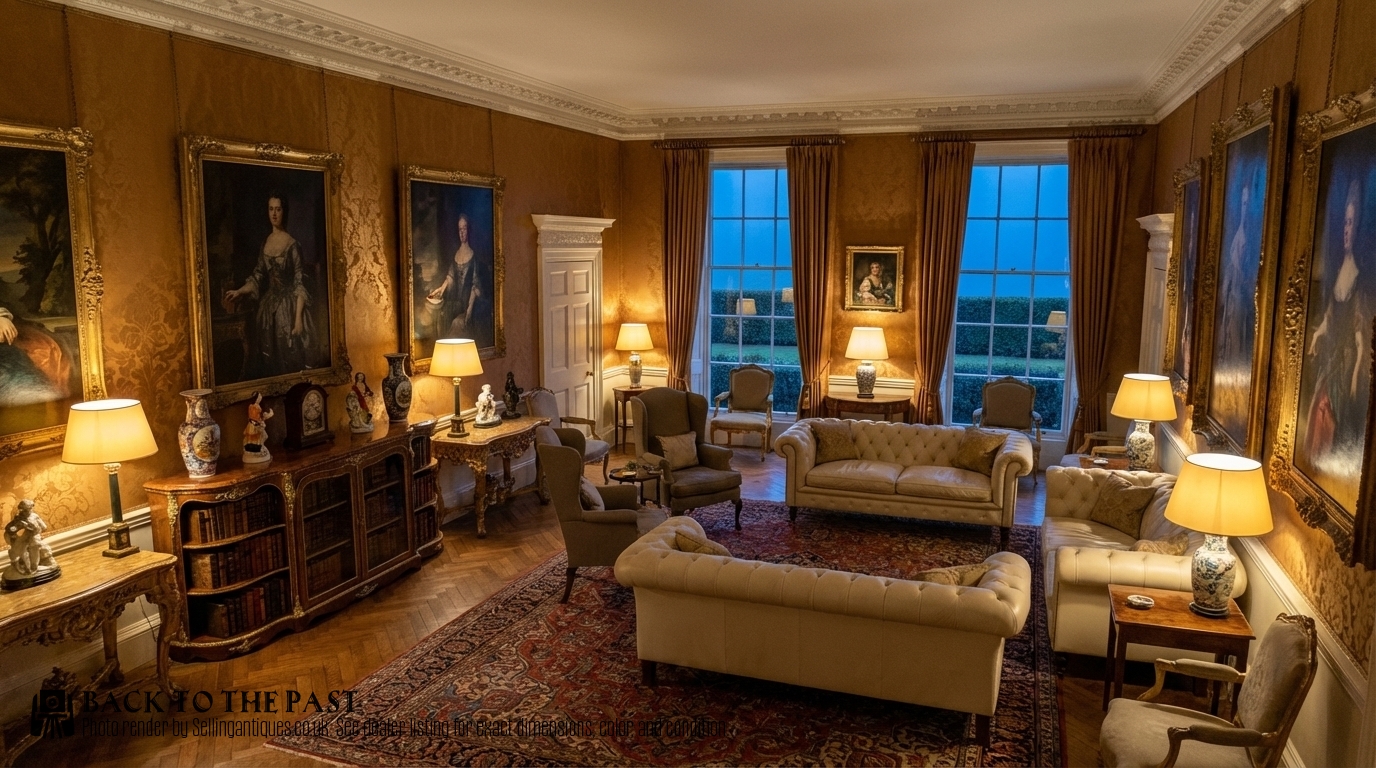
Larger glazed or painted versions function well in hallways or living areas to display small collections and tableware.
Are these cabinets made of solid wood?
Many cabinets combine solid primary frames of mahogany or oak with decorative veneers applied to the outer surfaces.
Finer examples utilise figured satinwood or walnut veneers to create striking geometric patterns across the doors.