

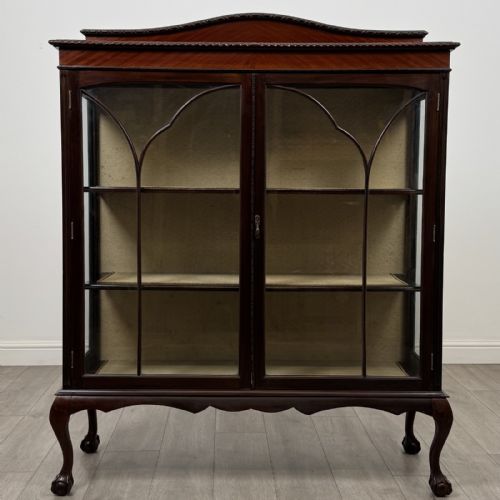
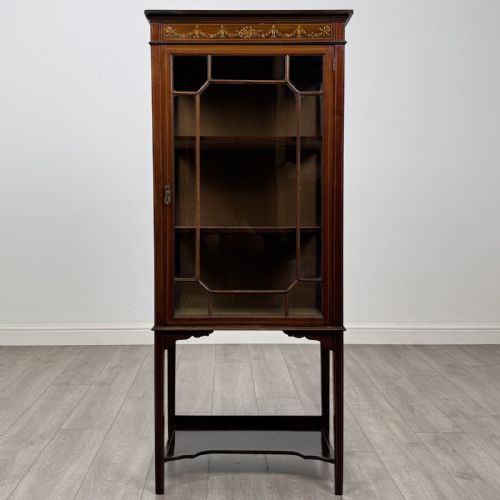
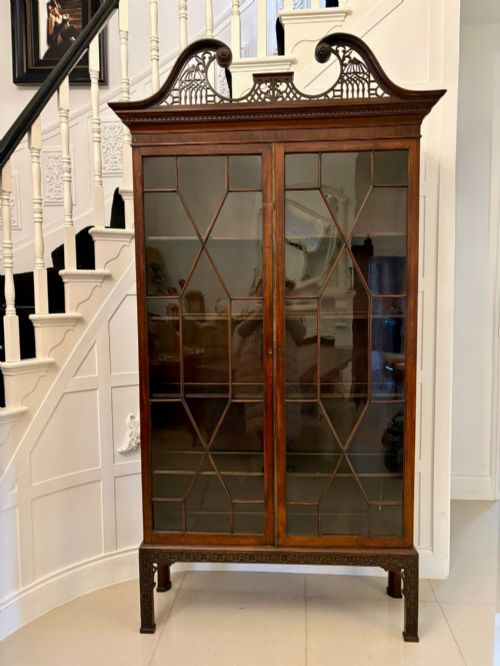
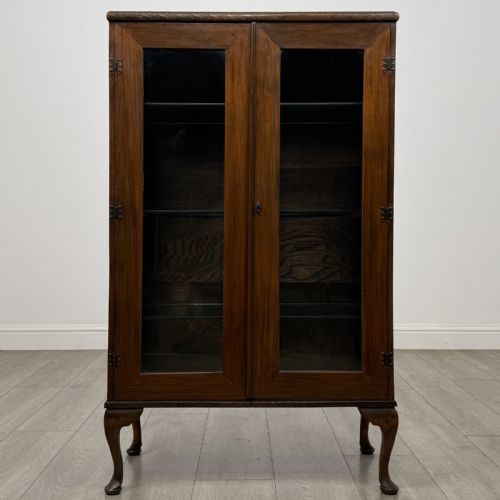
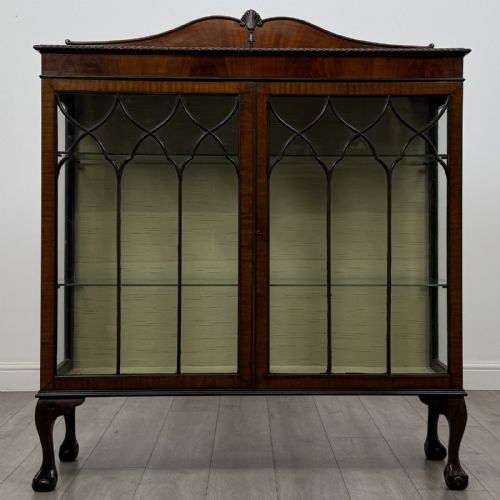
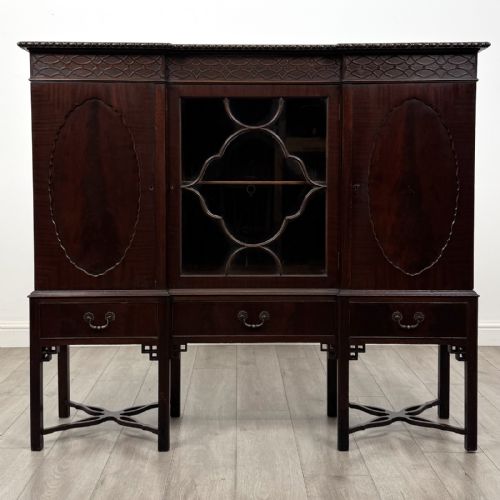
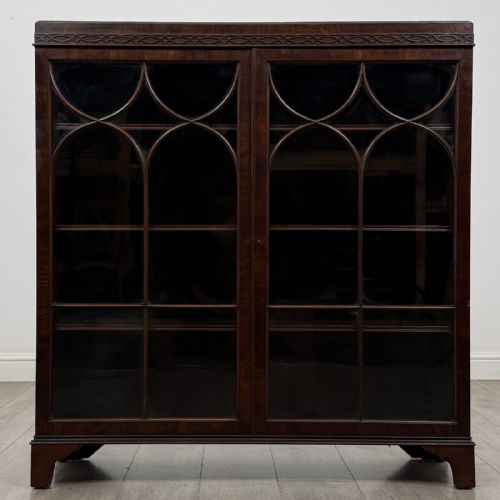
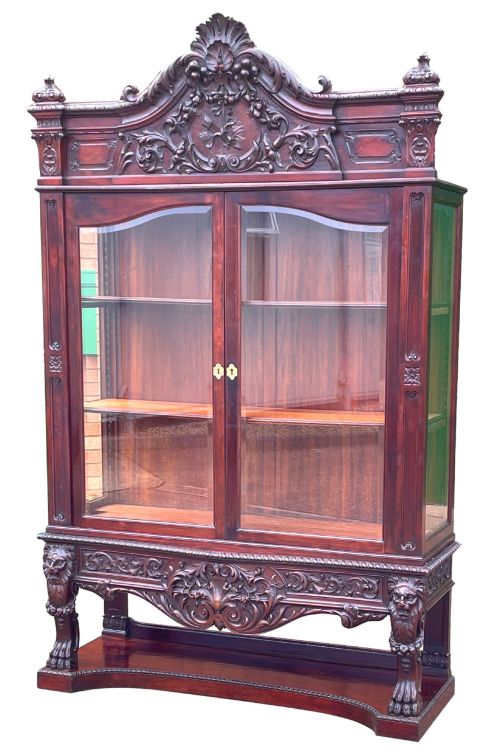
Dark Wood China Cabinet
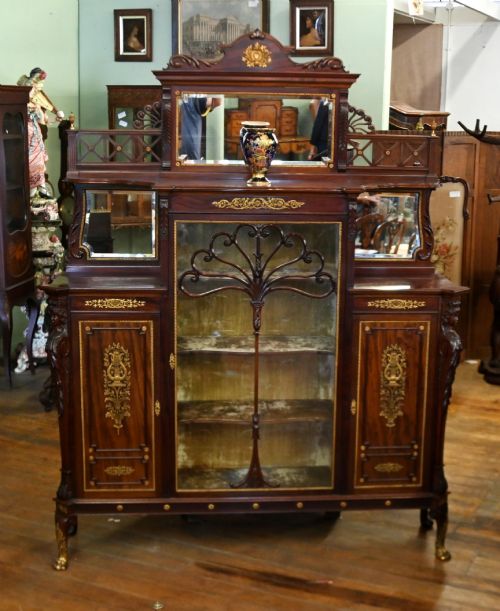
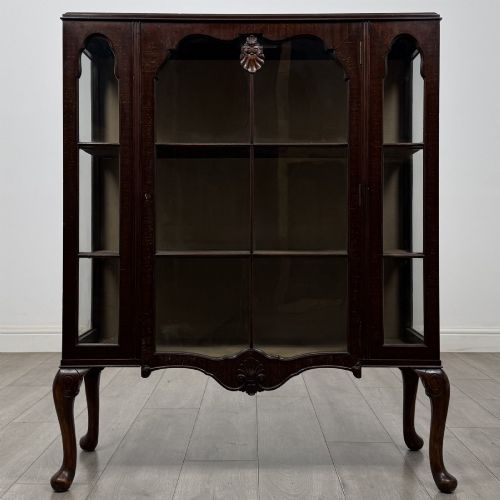
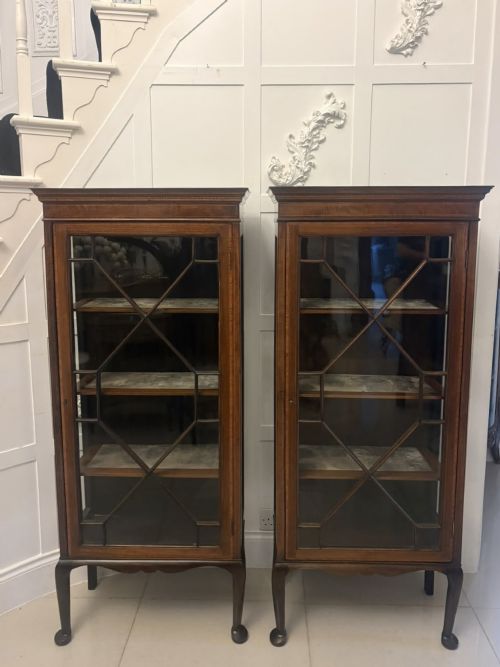
These dark wood china cabinet selections gather Edwardian, Victorian, and Georgian pieces built to exhibit precious porcelain behind glass.
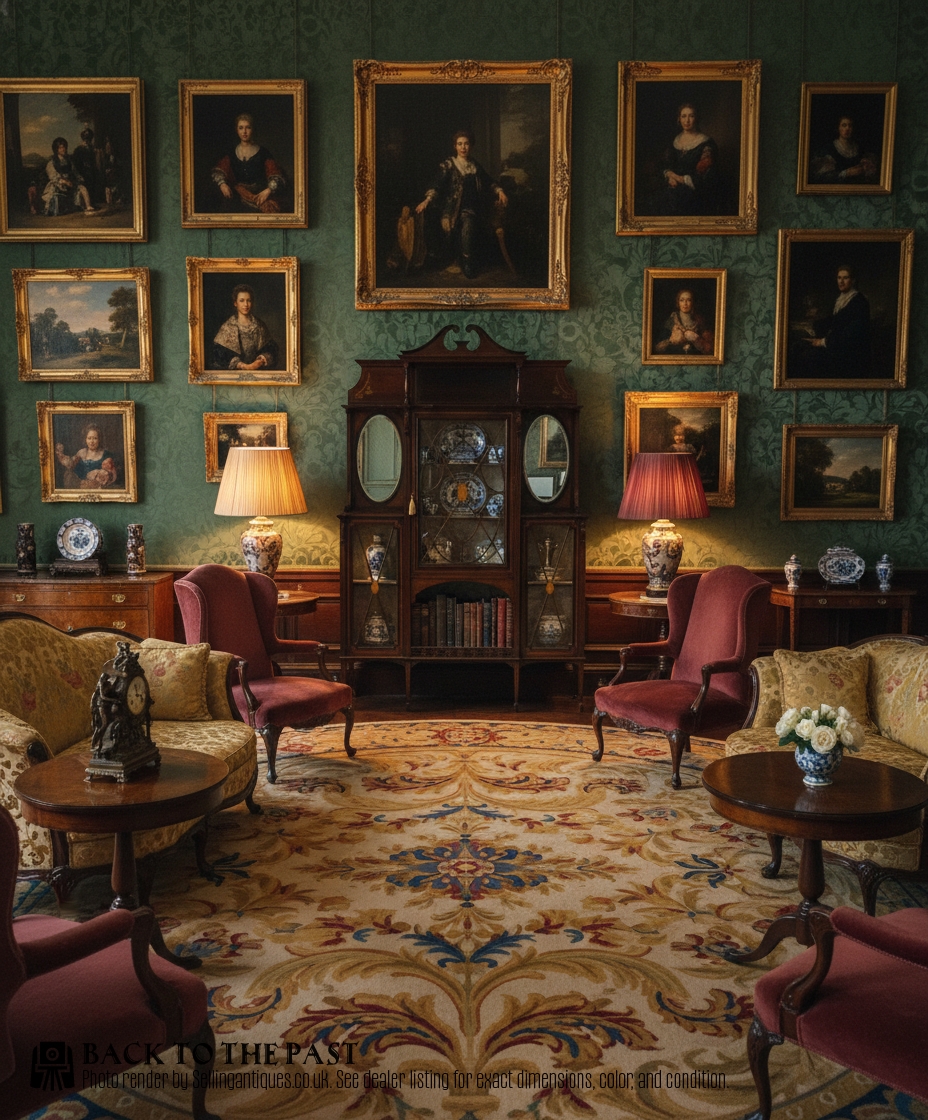
Dark Wood China Cabinet
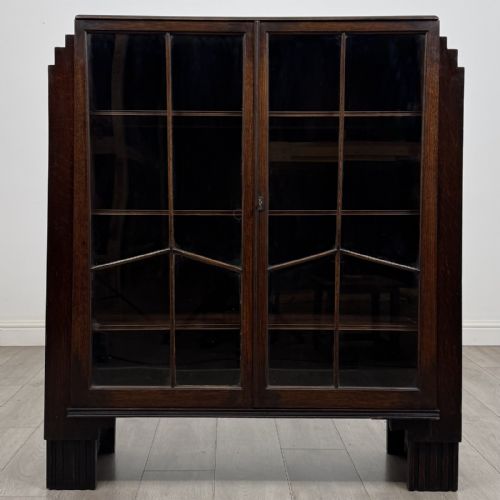
A dark wood china cabinet stands as a substantial piece of furniture designed to house and display ceramic collections behind glazed doors. The pieces seen here span display cabinets, bookcases, dressers, and corner cupboards originating from the eighteenth, nineteenth, and twentieth centuries.
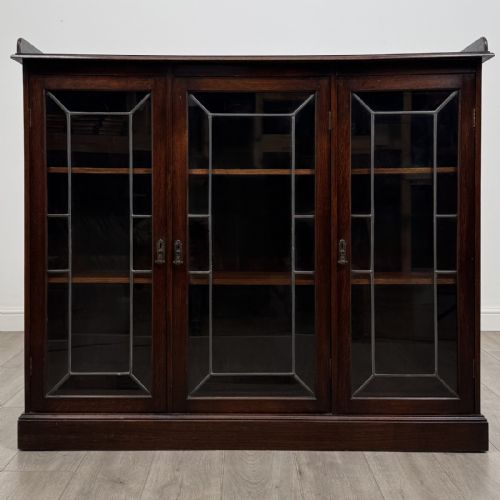
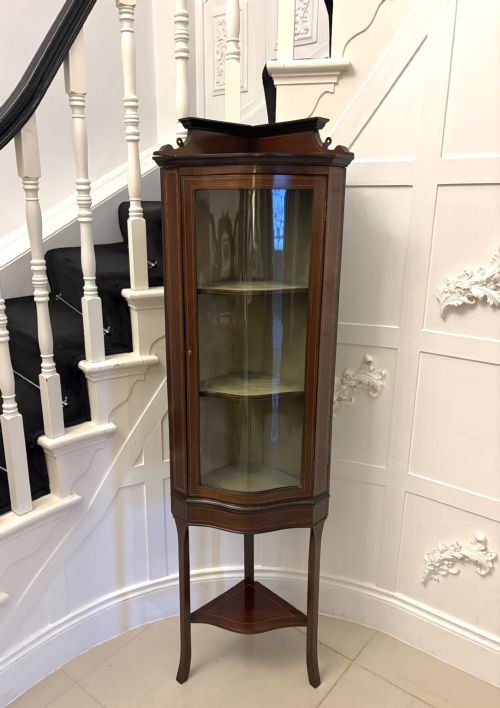
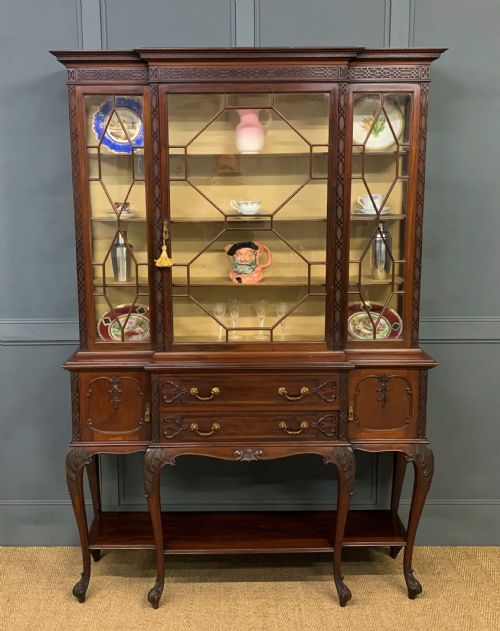
Edwardian mahogany examples and Victorian carved variations dominate the selection, often featuring glass panels, mirrored backs, and inlaid satinwood details. Forms range from tall floor-standing corner cupboards and two-part glazed display cabinets to smaller side cabinets and bookcase combinations.
Cabinet makers utilised dark timbers to anchor formal reception rooms and libraries, providing both secure storage and a transparent viewing gallery. Buyers find substantial mahogany, oak, rosewood, and walnut frames constructed to keep dust from delicate tablewares.
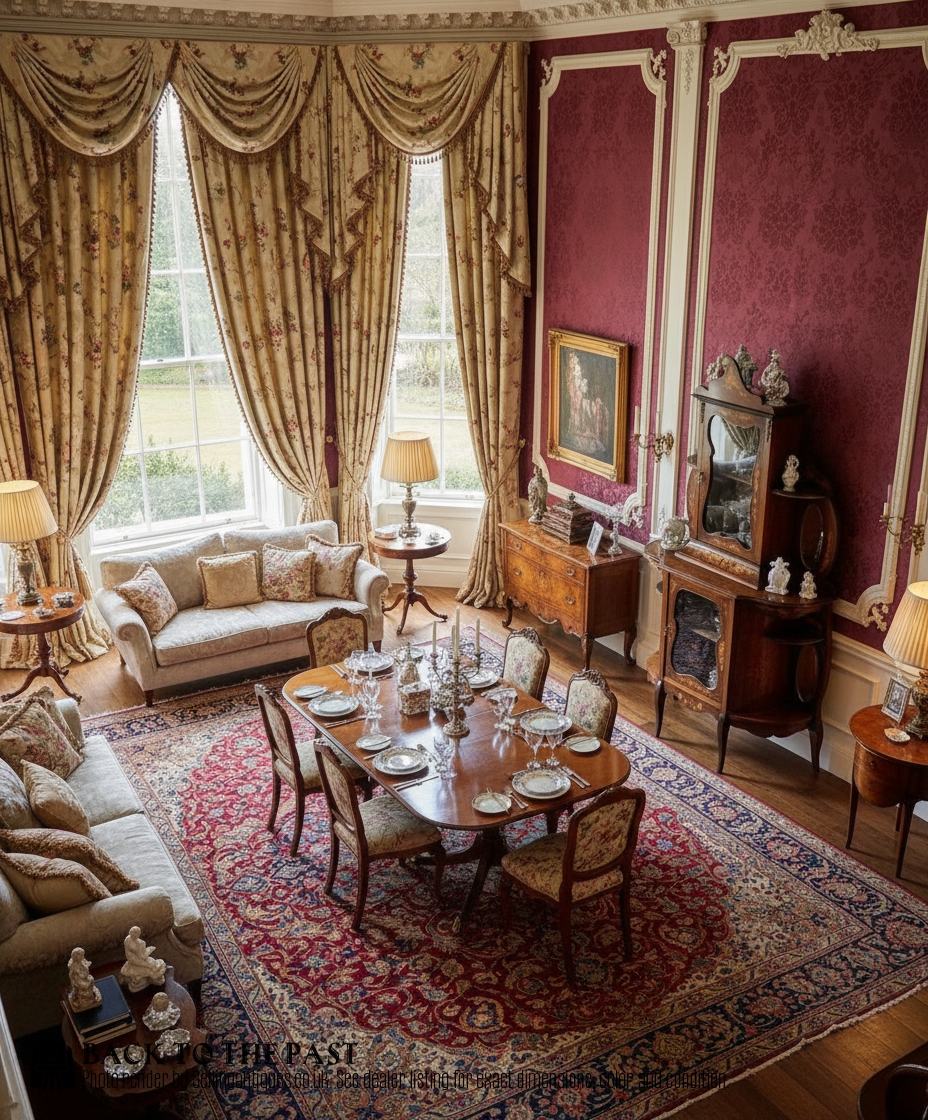
Materials and construction methods
Cabinet makers built these structures primarily using solid and veneered mahogany, oak, rosewood, and walnut, often pairing the dark timber with clear window glass. Brass hardware secures the doors and hinges, while internal mirror plates and fabric linings enhance the reflection of light inside the shelving areas.
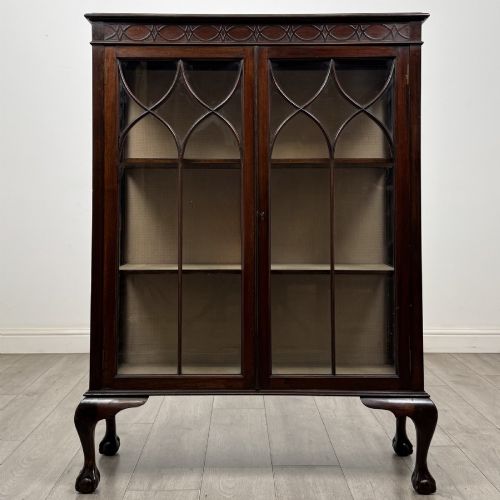
Glazing techniques involve lead framing and wooden astragal bars arranged in geometric or astral patterns to divide the large glass panes. Carved ornamentation, inlaid satinwood stringing, and two-part modular construction define the structural joinery of the Victorian and Edwardian periods.
Dark Wood China Cabinet Retail Price Guide 2026
Typical asking prices for dark wood china cabinet among the pieces listed under this phrase on Sellingantiques today, from the lower quarter to the upper quarter. They describe what is for sale here now, not the wider market.
Listings feature eighteenth, nineteenth, and twentieth-century items built from mahogany, oak, rosewood, and walnut with glass and brass elements.
Distinctions in craftsmanship
Quality separates simple utility cupboards from pieces commissioned for wealthy households through the crispness of hand-carved mahogany mouldings and the depth of figured wood veneers. Superior examples display precise inlay work, well-fitted lead or timber astragal glazing bars, and heavy structural timber that resists sagging.
The integration of original brass fitments, undamaged mirror glass, and cleanly jointed internal shelving distinguishes finer workshops from mass-produced alternatives. Balance in proportion and restrained ornamentation signal the hand of skilled cabinet makers working in the Georgian, Victorian, and Edwardian eras.
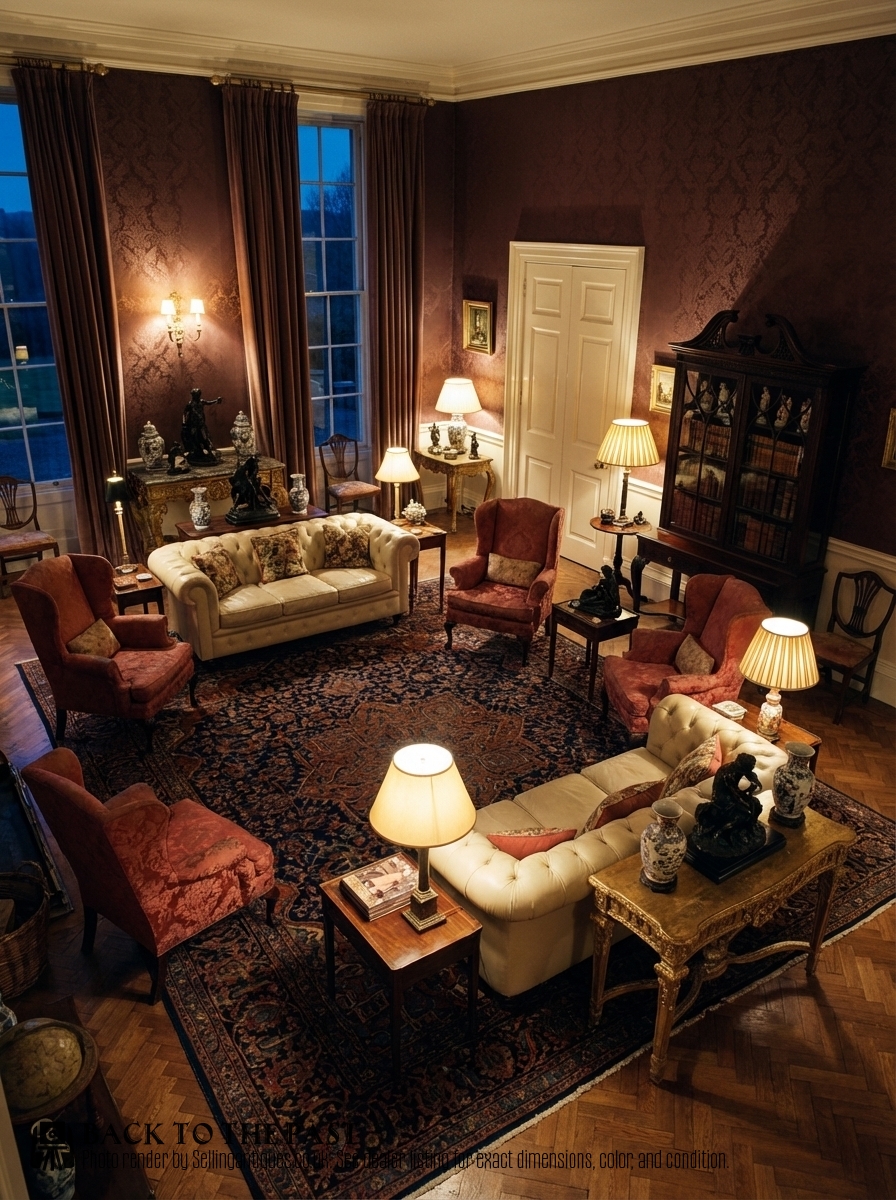
Jas Shoolbred·Collinson & Lock·Wylie and Lochhead·James Winter & Sons
The Dark Wood China Cabinet Glossary
- Astragal glazed
- A method of dividing glass panes using narrow wooden mouldings. These strips form structural grids across the cabinet doors.
- Inlay
- A decorative technique where contrasting timbers or satinwood are fitted flush into the dark wood surface. This creates fine geometric borders and floral motifs.
- Glazed display cabinet
- A storage unit enclosed by transparent glass panels. It protects fine china while allowing full visibility from the room.
- Two-part cabinet
- A piece constructed in separate upper and lower sections for easier transport. The glazed display unit typically sits upon a cupboard or chest base.
- Corner cupboard
- A triangular storage unit designed to fit tightly into room corners. These utilise dead space to exhibit glassware and ceramics.
Dark Wood China Cabinet: Frequently Asked Questions
How do I clean the glass safely?
Use a soft microfiber cloth and a mild glass cleaning solution applied directly to the cloth rather than the wood. This prevents moisture from seeping into fragile antique timber frames and historic finishes.
Avoid commercial chemical sprays near brass hardware or antique fabric linings. Gentle wiping preserves the original patina on both the glass and the surrounding dark wood.
What periods do these cabinets represent?
The inventory spans eighteenth-century Georgian origins through nineteenth-century Victorian and Biedermeier examples, extending into early twentieth-century Edwardian designs. Each era brings distinct decorative choices, from heavy carved mahogany to delicate satinwood inlay.
Construction methods shift slightly across these decades, moving from hand-assembled regional workshop pieces to more refined urban manufacturing. Understanding the reign helps date the specific style of glazing and timber preparation.
Can I adjust the internal shelves?
Most antique cabinets feature fixed wooden shelving grooved into the side panels to maintain structural rigidity. Altering these interior layouts requires professional carpentry to avoid compromising the load-bearing frame.
Heavier display pieces rely on these internal fixed boards to keep the tall glazed doors square and properly aligned. Buyers should check shelf depth before acquiring items for oversized decorative ceramics.
Where should I place a dark wood cabinet?
Position the unit away from direct sunlight and strong heat sources to prevent the dark veneers from fading or drying out. Stable indoor temperatures protect the wood from warping and keep antique glass secure in its rabbets.
Ground-floor rooms with solid structural flooring suit these heavy mahogany and oak pieces best. Adequate clearance ensures doors swing fully open without catching on nearby furniture.