

Glazed China Cupboard
A glazed china cupboard holds porcelain and silver behind glass, giving a room architectural weight and visible storage.

Glazed China Cupboard
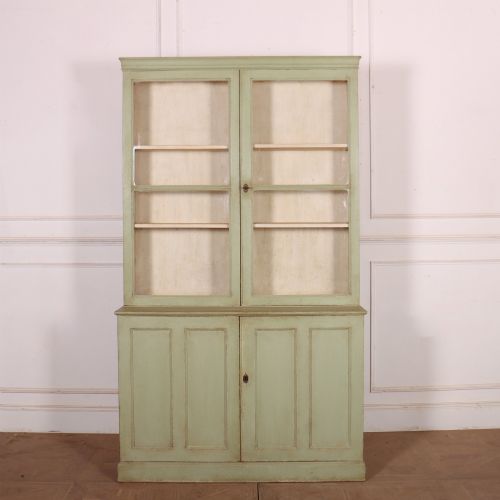
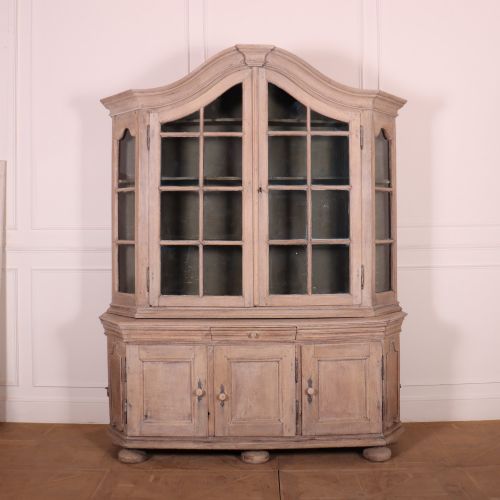
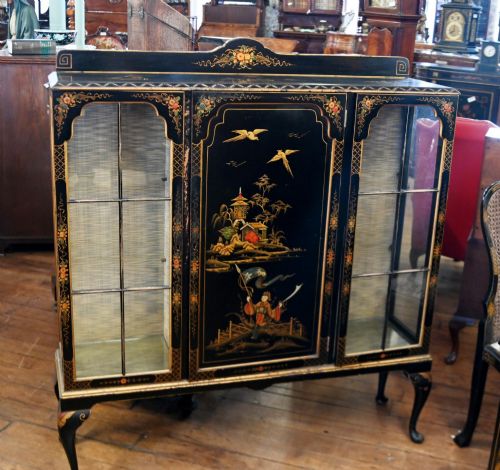
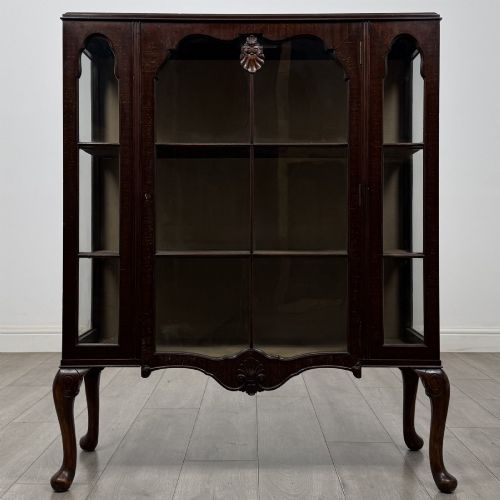
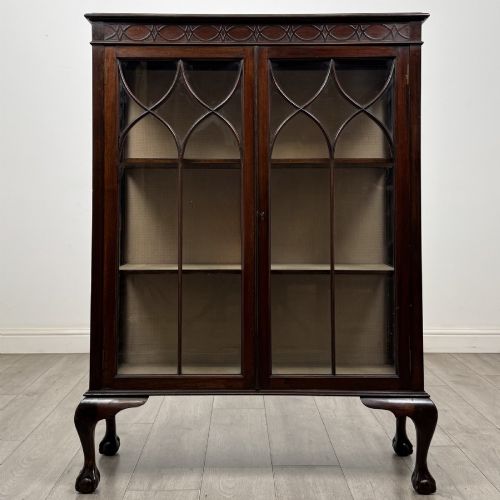
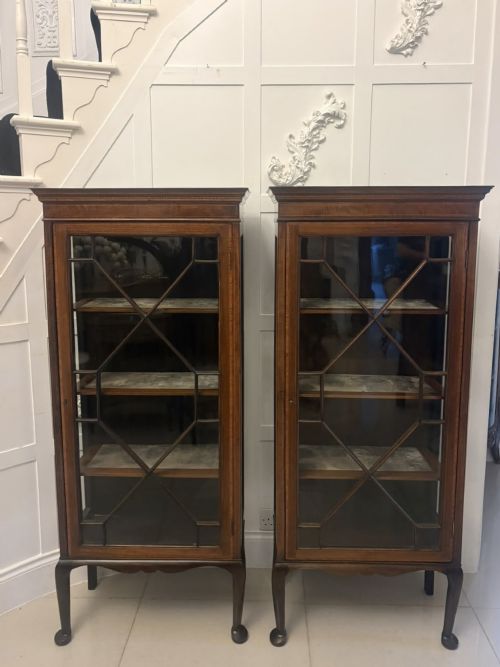
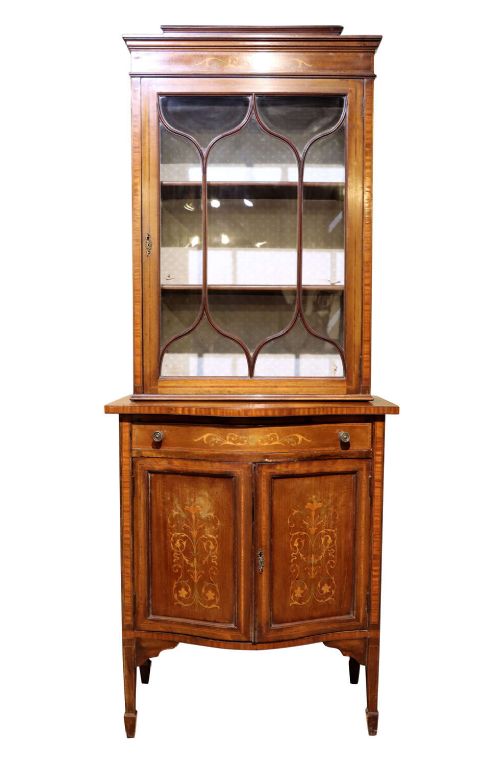
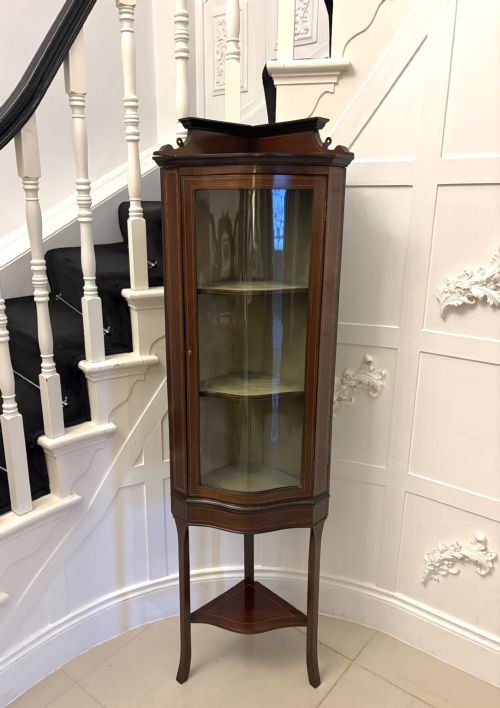
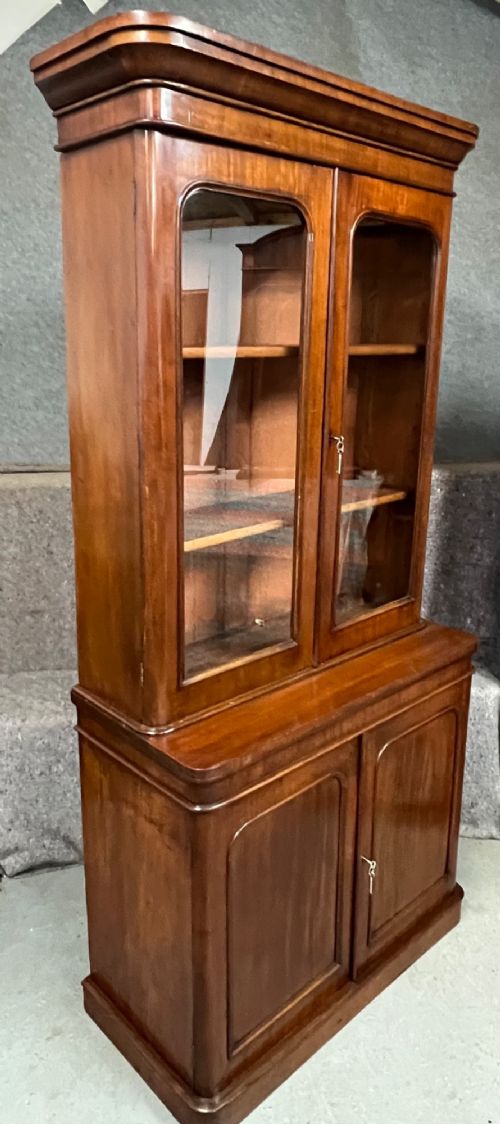
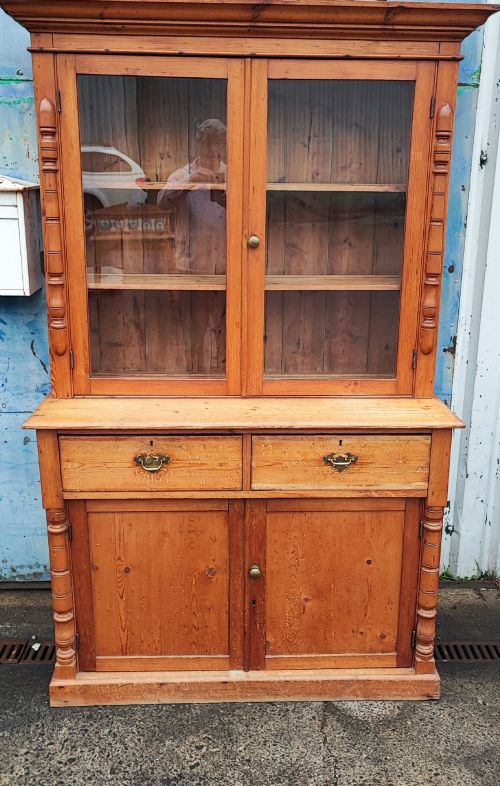
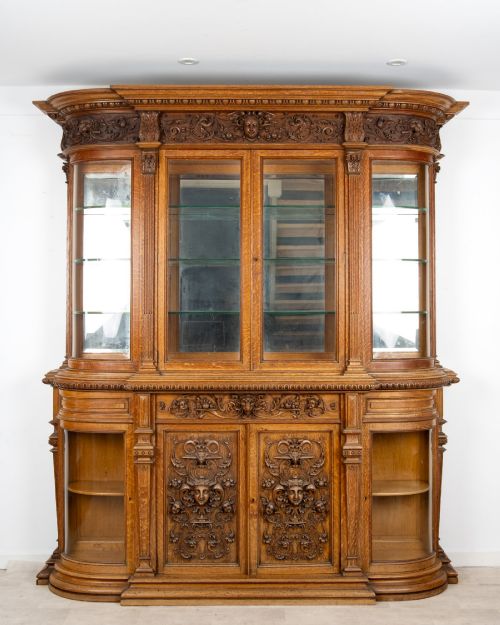
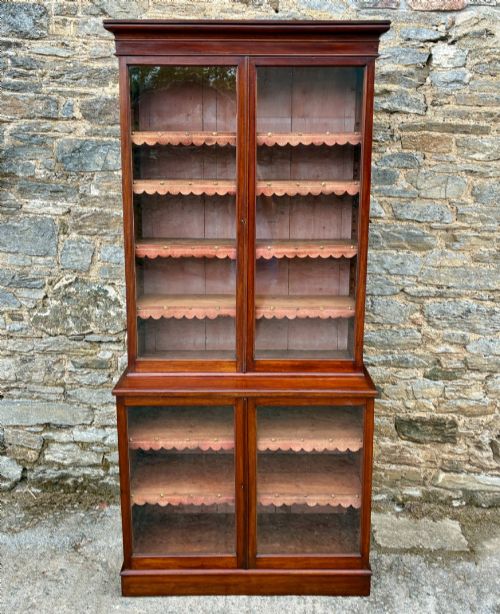
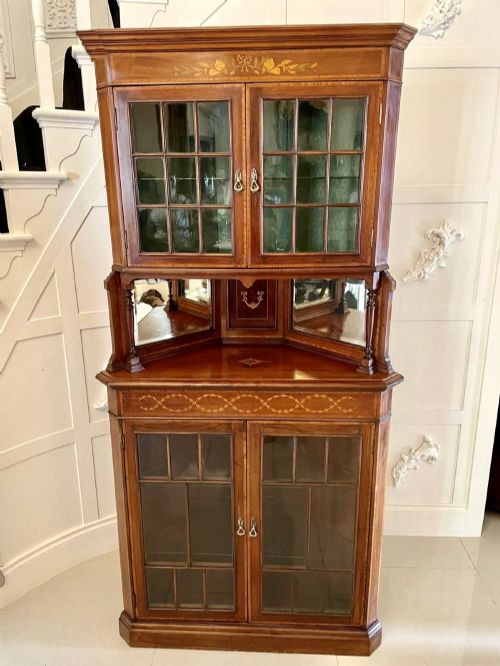
A glazed china cupboard combines a display space with enclosed storage, appearing in forms such as bookcases, corner cabinets, vitrines and kitchen dressers. These pieces originate from periods spanning the eighteenth, nineteenth and early twentieth centuries.
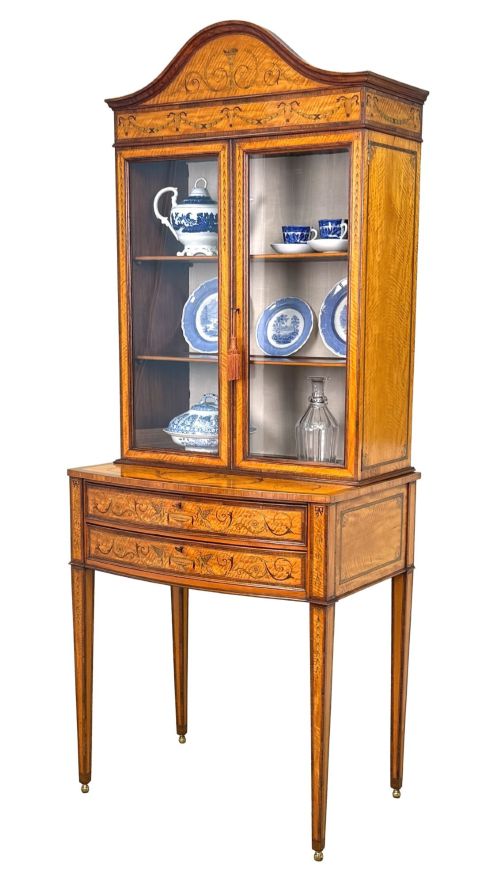
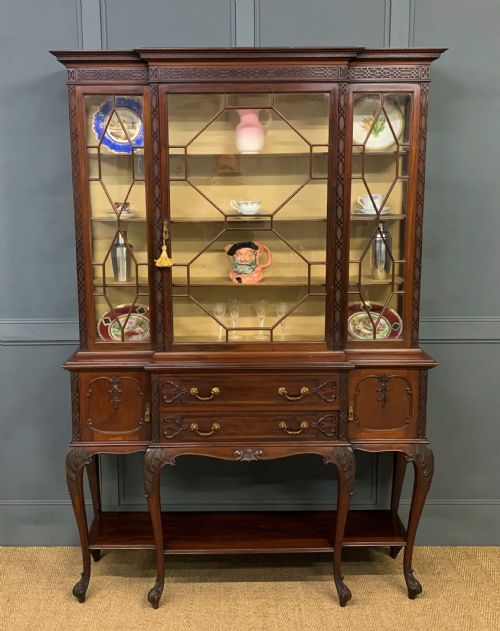
The Victorian and Edwardian eras supply many of the examples seen here, often rendered in mahogany, oak or walnut. Pieces range from modest pine kitchen cupboards to large inlaid display cabinets influenced by Sheraton Revival and Chinese Chippendale styles.
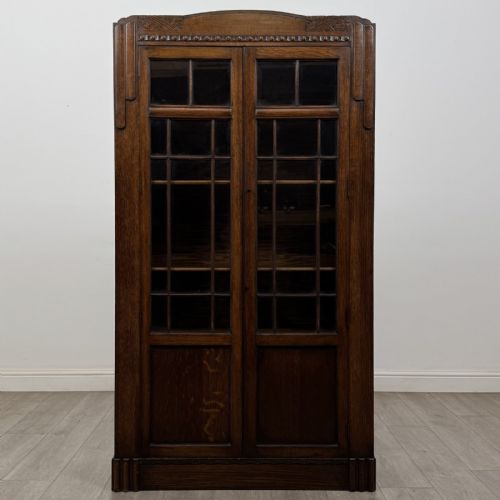
Earlier pieces from the eighteenth century demonstrate restrained proportion and fine glazing bars, while twentieth-century examples include Art Deco designs with distinct geometric lines and oak or walnut construction.

Materials and construction methods
Cabinet makers built these frames using hardwoods such as mahogany, oak and walnut, occasionally employing satinwood for contrasting veneers and inlay work. Secondary timbers like pine appear on interior shelves and backing boards.
Glazing techniques rely on wooden bars or lead cames to hold glass panes securely within doors. Carved ornamentation, marquetry and painted decoration provide surface detail across various stylistic periods.
Glazed China Cupboard Retail Price Guide 2026
Typical asking prices for glazed china cupboard among the pieces listed under this phrase on Sellingantiques today, from the lower quarter to the upper quarter. They describe what is for sale here now, not the wider market.
Listings feature mahogany, oak, walnut, satinwood, glass, brass, fabric and lead across Victorian, Edwardian, Georgian and Art Deco periods.
Distinctions in construction and finish
Quality rests upon the selection of timber veneers, the crispness of hand-carved details and the integrity of the cabinet joints. Finer pieces demonstrate precise inlay work and well-fitted doors that swing true within their frames.
The treatment of the glass and glazing bars indicates the level of care involved in making the piece, with delicate woodwork and original glass marking the superior examples.
Jas Shoolbred·Edwards & Roberts
The Glazed China Cupboard Glossary
- Astral glazed
- Refers to doors fitted with slender wooden glazing bars that divide the glass into smaller panes.
- Vitrine
- A glass-sided display cabinet designed primarily for showing porcelain and small decorative objects.
- Marquetry
- Decorative veneer work formed by fitting together thin pieces of wood and other materials to create pictorial patterns.
- Sheraton Revival
- A late nineteenth-century style drawing inspiration from the neoclassical furniture designs of eighteenth-century designer Thomas Sheraton.
- Linenfold
- A style of carved wooden paneling resembling folded cloth, frequently found on oak furniture from the early twentieth century.
Glazed China Cupboard: Frequently Asked Questions
What is a glazed china cupboard?
A glazed china cupboard is a piece of furniture featuring glass doors designed to exhibit and protect ceramics, glassware and books. These cabinets combine display capacity with lower enclosed storage.
They appear in various forms including corner units, tall bookcases and tabletop vitrines across multiple historical periods.
How do I date a glazed cabinet?
Dating relies upon timber selection, hardware, construction joints and prevailing stylistic influences. Victorian and Edwardian examples often display machine-sawn elements alongside traditional joinery.
Earlier eighteenth-century pieces exhibit hand-planed surfaces and heavier architectural proportions that distinguish them from later revivals.
Where should I place a display cabinet?
These cabinets suit dining rooms, living spaces and libraries where they can house collections while protecting contents from dust. Placing them away from direct sunlight preserves the timber and interior finishes.
Ensure adequate floor space exists for doors to open fully without obstruction from surrounding furniture.
What woods were used for these cabinets?
Mahogany, oak and walnut form the primary structure for the majority of these pieces. Satinwood and various fruitwoods appear as decorative veneers for inlay.
Secondary timbers such as pine are frequently utilised for interior elements, drawer linings and backing panels.