

Antique Parlor Cabinet
An antique parlor cabinet brings substantial nineteenth and early twentieth century presence to a room, offering display and storage through refined timber construction.

Antique Parlor Cabinet
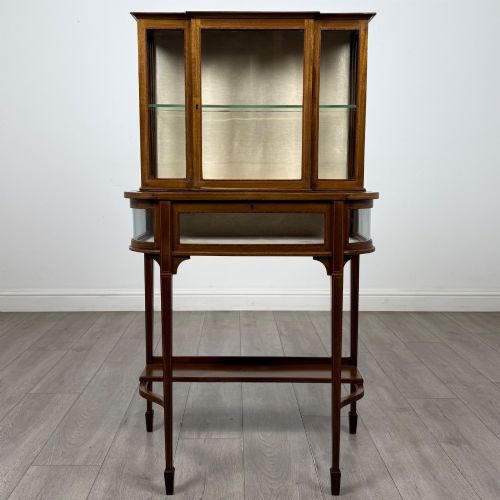
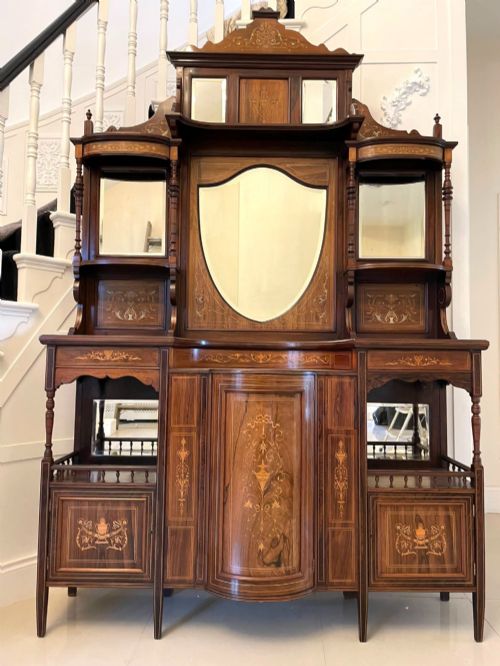
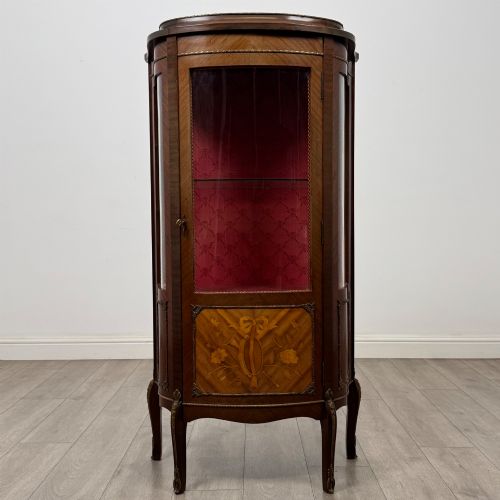
An antique parlor cabinet encompasses several forms designed for reception rooms, predominantly appearing as display cabinets, credenzas, sideboards, and side cabinets. These pieces emerge from the nineteenth century through the Edwardian period, spanning Victorian, late Victorian, and early twentieth century iterations.
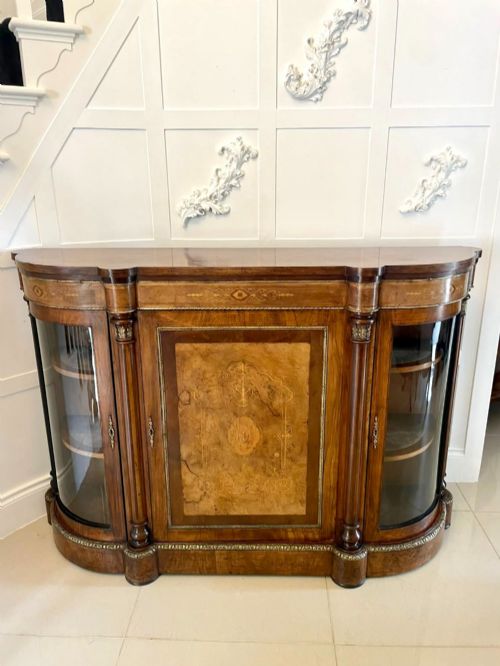
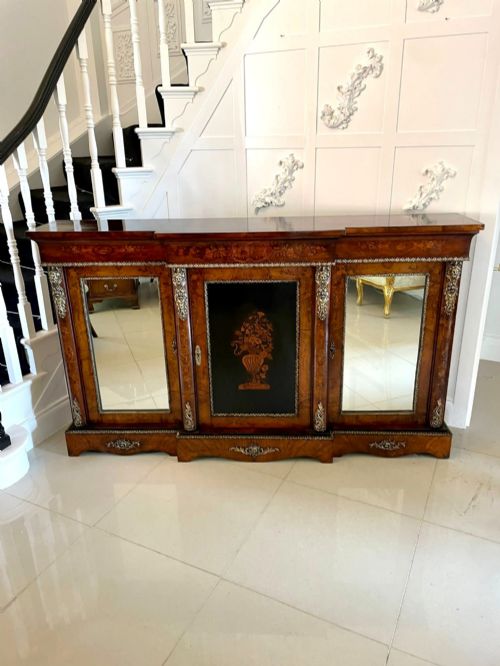
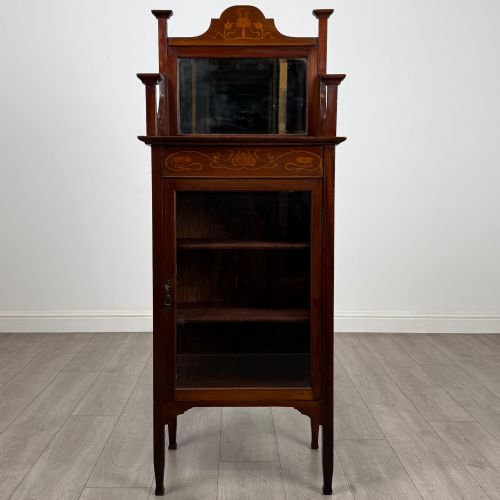
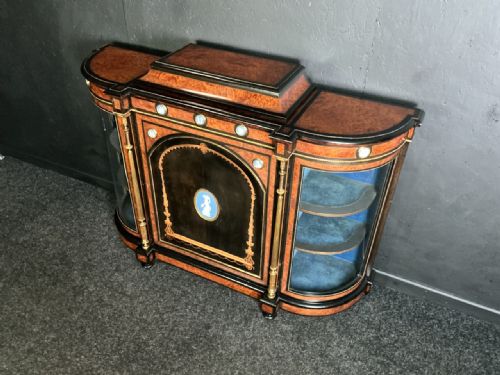
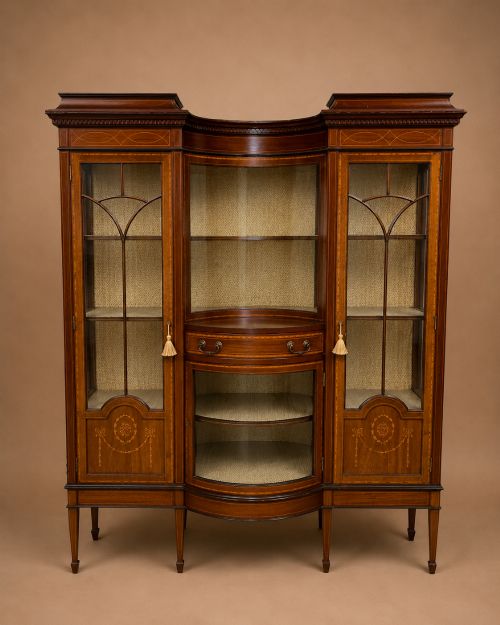
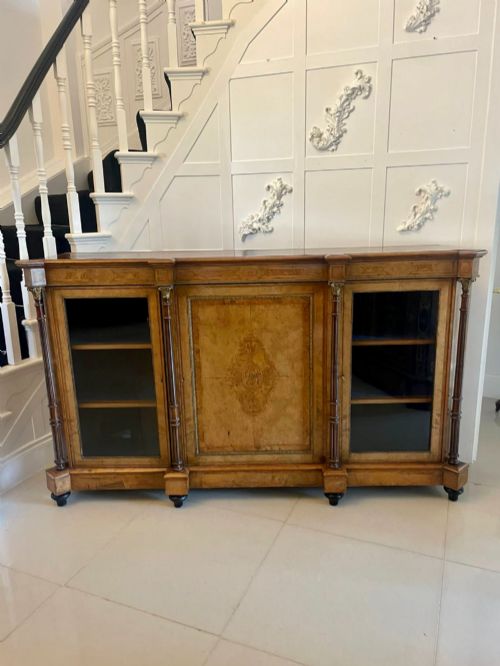
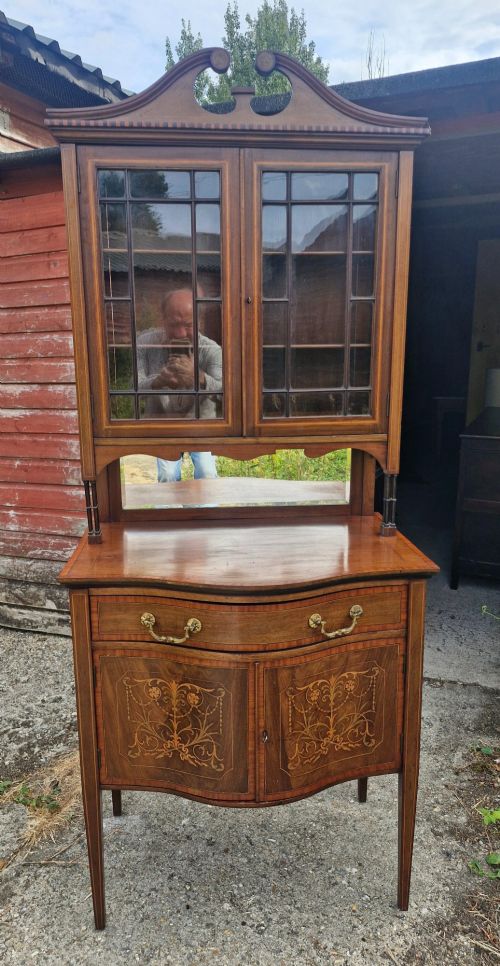
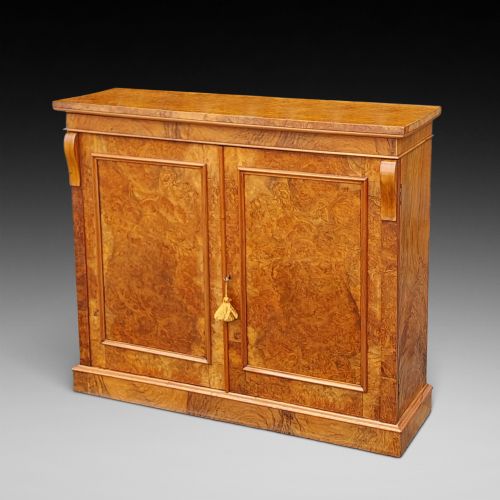
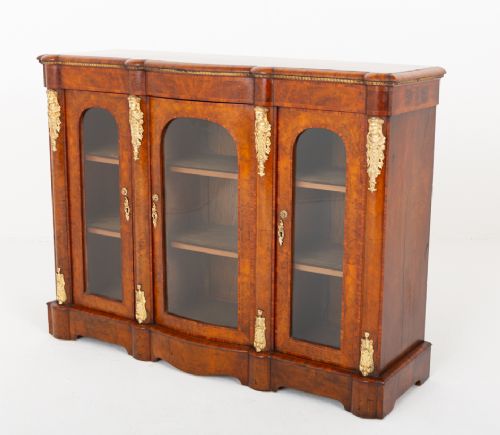
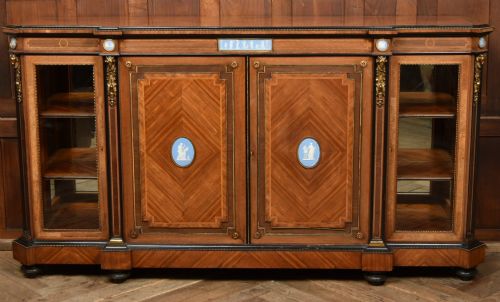
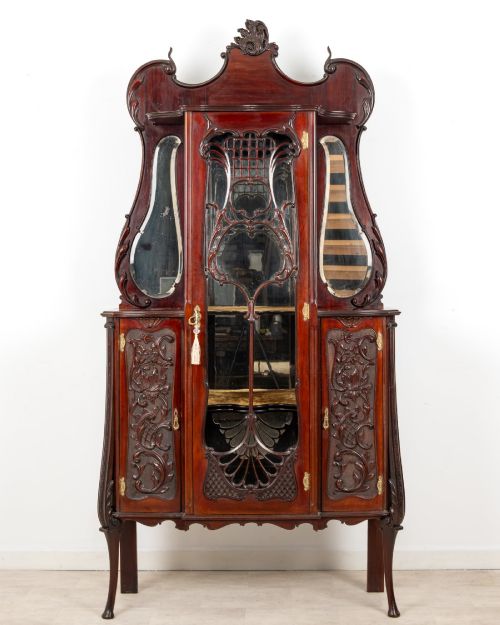
The most frequent examples on this page are Victorian burr walnut credenzas and Edwardian inlaid mahogany display cabinets. Buyers also encounter Rosewood side cabinets, Aesthetic Movement pieces, and Art Nouveau designs.
Origins stretch across British workshops and French cabinetmakers, incorporating styles such as Sheraton Revival, French Belle Epoque, and Louis XVI style. Function varies from glazed display of porcelain to enclosed storage behind timber or mirrored doors.
Materials and construction methods
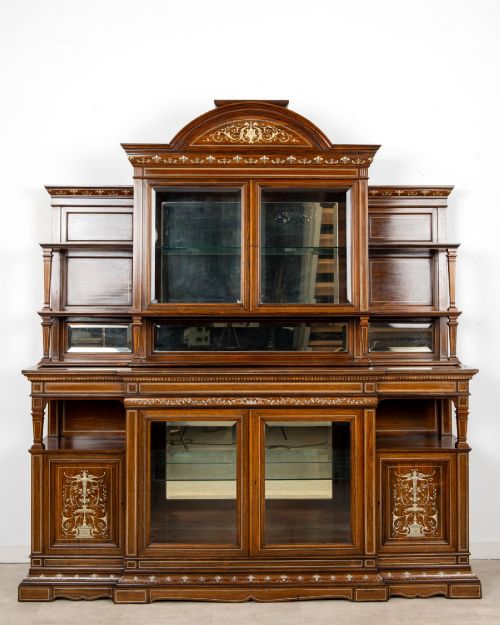
Makers utilised dense hardwoods and rich veneers, notably burr walnut, mahogany, rosewood, satinwood, and kingwood. These timbers provide the structural carcase and the decorative surfaces essential for marquetry and inlay work.
Metal and glass components complete the construction, with brass mounts, ormolu details, and marble tops appearing on finer French and Victorian examples. Mirror glass frequently backs display shelves or forms panel inserts.
Cabinetmakers employed techniques like marquetry, delicate stringing, and carved mahogany details to embellish surfaces. Glazed doors use timber glazing bars to house glass panels securely.
One early twentieth century parlor cabinet doubles as a gramophone made by U Phone of Leeds.
Assessing quality in cabinet work
The distinction between standard and exhibition quality rests on the selection of timber veneers and the intricacy of the inlay. Richly figured burr walnut and profuse marquetry indicate higher ambition from the workshop.
Construction details such as serpentine fronts, shaped glass, and integrated marble tops separate elaborate reception room pieces from simpler storage items. The finesse of carved mahogany elements and brass or ormolu mounts further defines the tier of execution.
Collinson & Lock·Garnett & Sons·Edwards & Roberts·U Phone of Leeds
The Antique Parlor Cabinet Glossary
- Credenza
- A low-standing cabinet or sideboard, frequently fitted with doors and open shelves, popular in Victorian interiors for display and storage.
- Marquetry
- Decorative veneer work forming pictures or geometric patterns using various woods, ivory, or shell set into the carcase surface.
- Ormolu
- Gilded bronze ornamentation applied to furniture mounts, hinges, and feet, seen on French and high-status British pieces.
- Burr walnut
- Timber taken from a walnut tree growth, yielding complex, swirling grain patterns prized for cabinet fronts.
- Aesthetic Movement
- A late nineteenth century design style prioritising artistic expression, simplicity, and Japanese influence over rigid historicism.
Antique Parlor Cabinet: Frequently Asked Questions
What is a parlor cabinet used for?
These cabinets served to display prized ceramics, glassware, and decorative objects in the main reception rooms of nineteenth and twentieth century homes. Lower cupboards provided enclosed storage for linens, books, or writing materials.
Their presence signaled social standing and taste to visitors entering the principal rooms of the house.
How do I date a Victorian cabinet?
Dating relies on identifying timber choices, decorative motifs, and construction characteristics recorded in the piece. Victorian burr walnut credenzas often feature mid-century marquetry and serpentine shapes, whereas later Edwardian pieces favor inlaid mahogany and satinwood.
Stylistic cues such as Aesthetic Movement ebonising or Art Nouveau curves help narrow the decade of production.
Where should I place a display cabinet?
A display cabinet requires a stable environment away from direct sunlight and dramatic temperature fluctuations to protect aged veneers and glass. Placing the piece against a main wall in a dining room, hallway, or reception space allows the timber and inlay to be appreciated.
Ensure adequate floor space is available to open doors or drop-fronts without obstruction.
What is the difference between a credenza and a sideboard?
A credenza traditionally stands lower and often lacks the raised back or superstructure associated with a traditional dining sideboard. In Victorian usage, credenzas frequently incorporate central cupboards flanked by curved glass display sections.
Both forms utilise rich timbers like rosewood and walnut, but credenzas lean towards formal reception room display.