


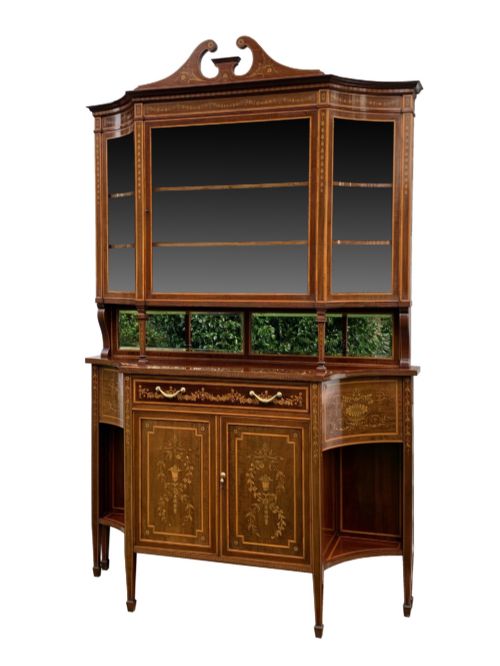
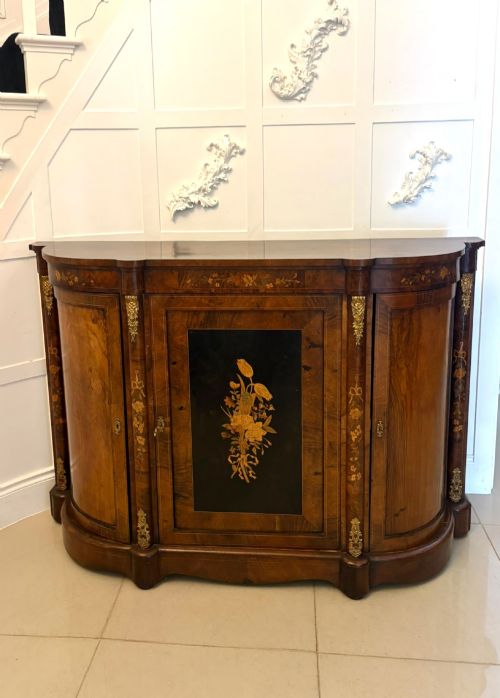
Victorian Marquetry Sideboard
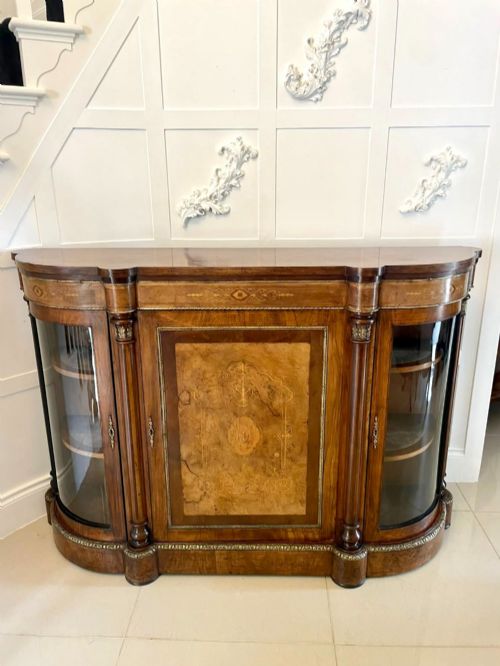
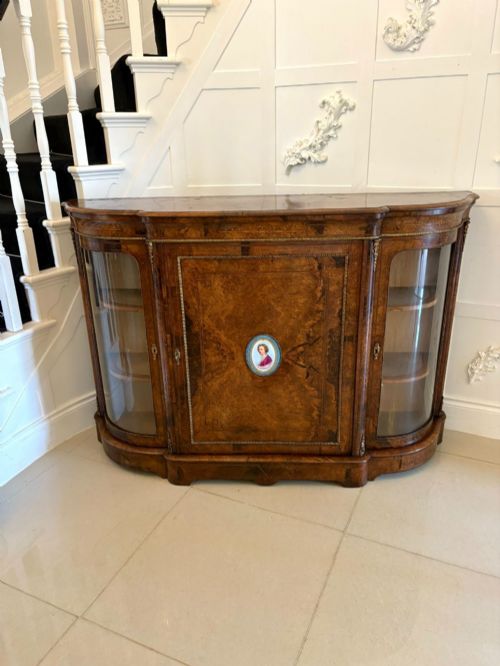
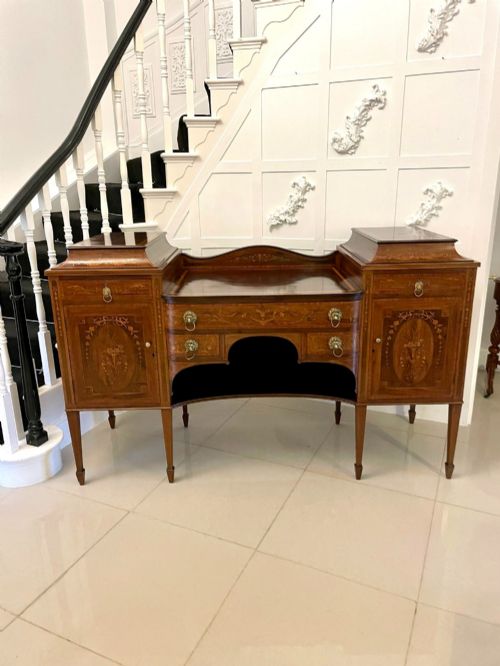
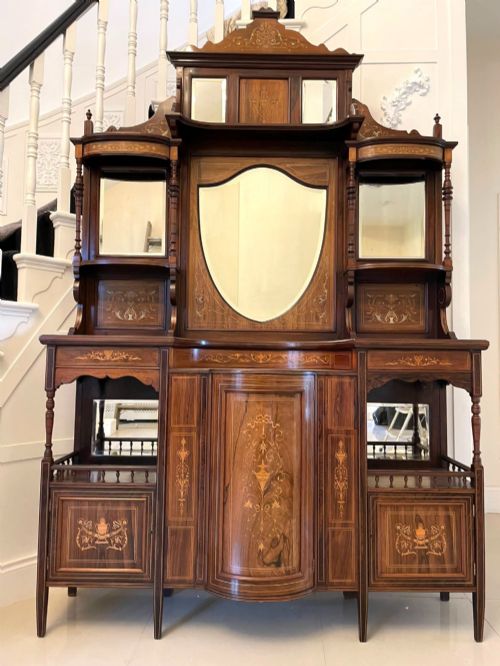
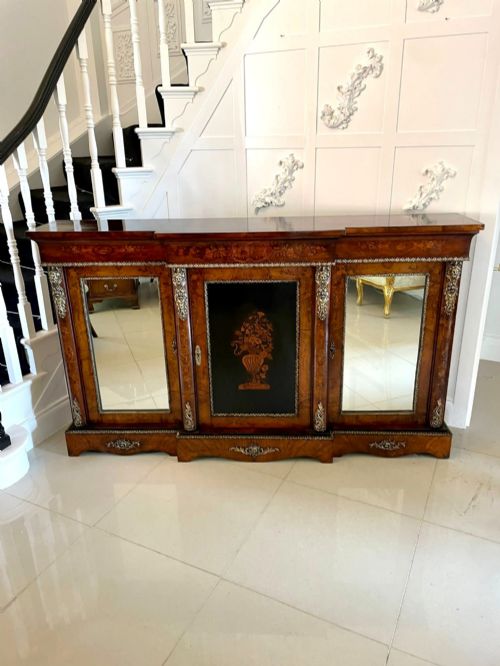
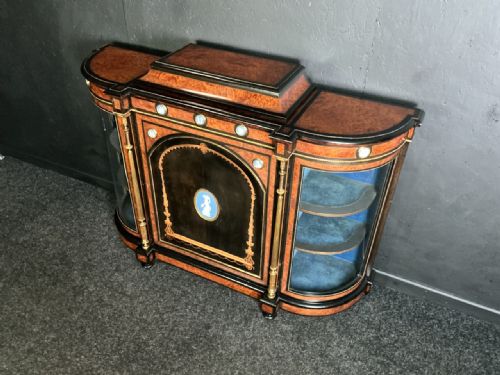
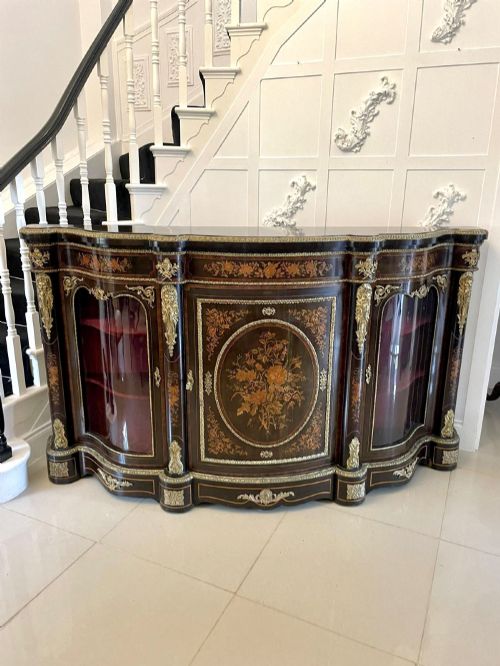
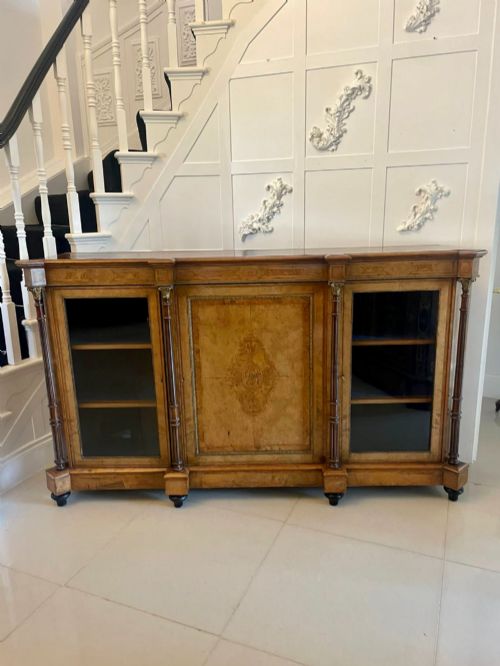
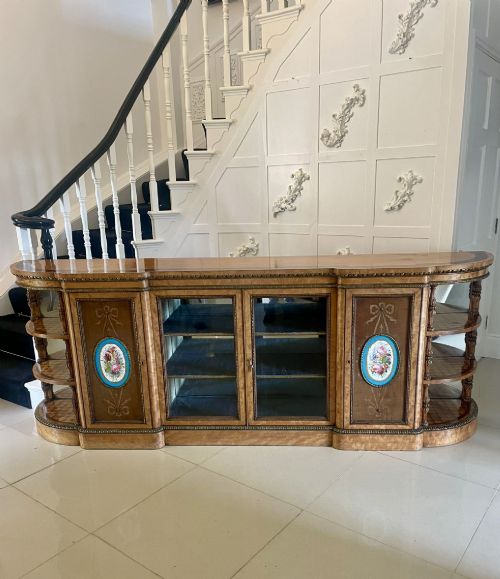
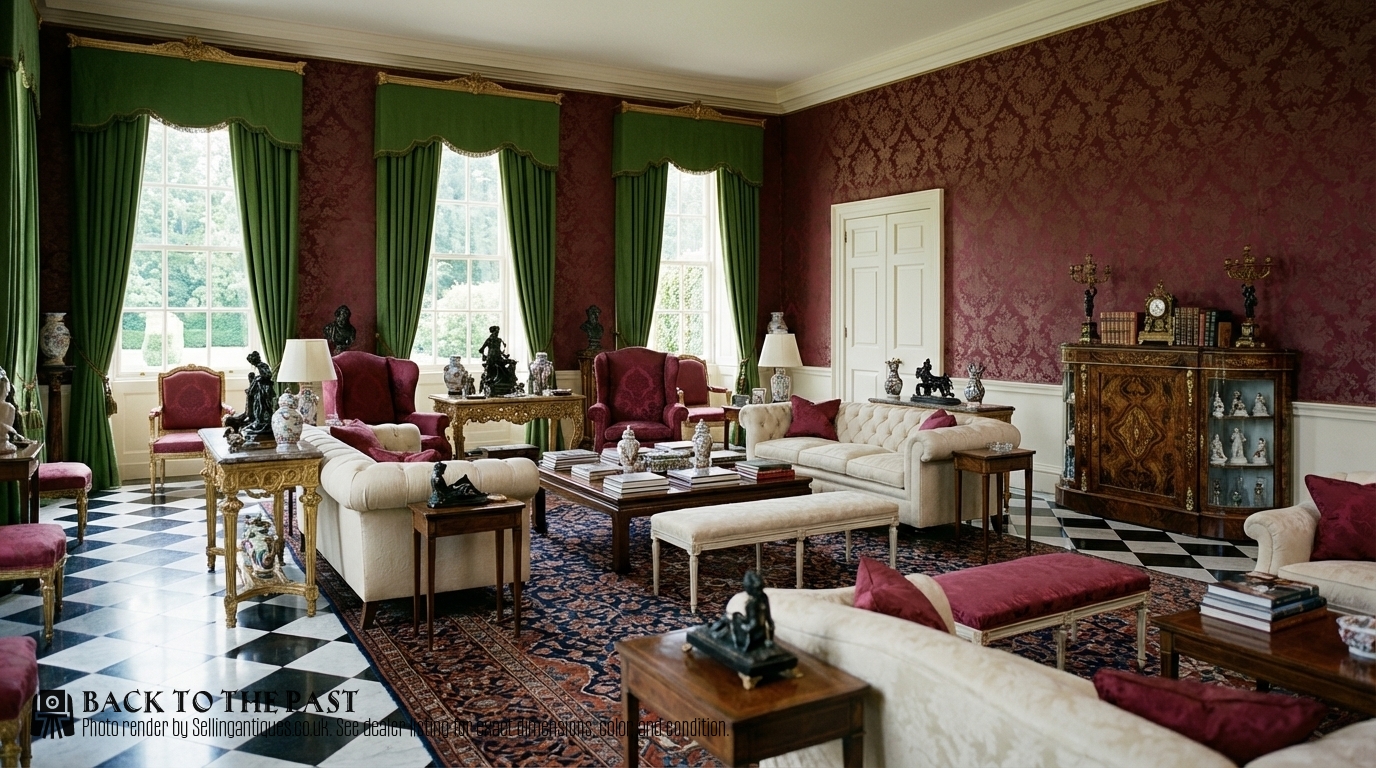
A victorian marquetry sideboard brings together rich burr walnut, intricate floral inlays and polished ormolu mounts to anchor a formal interior.
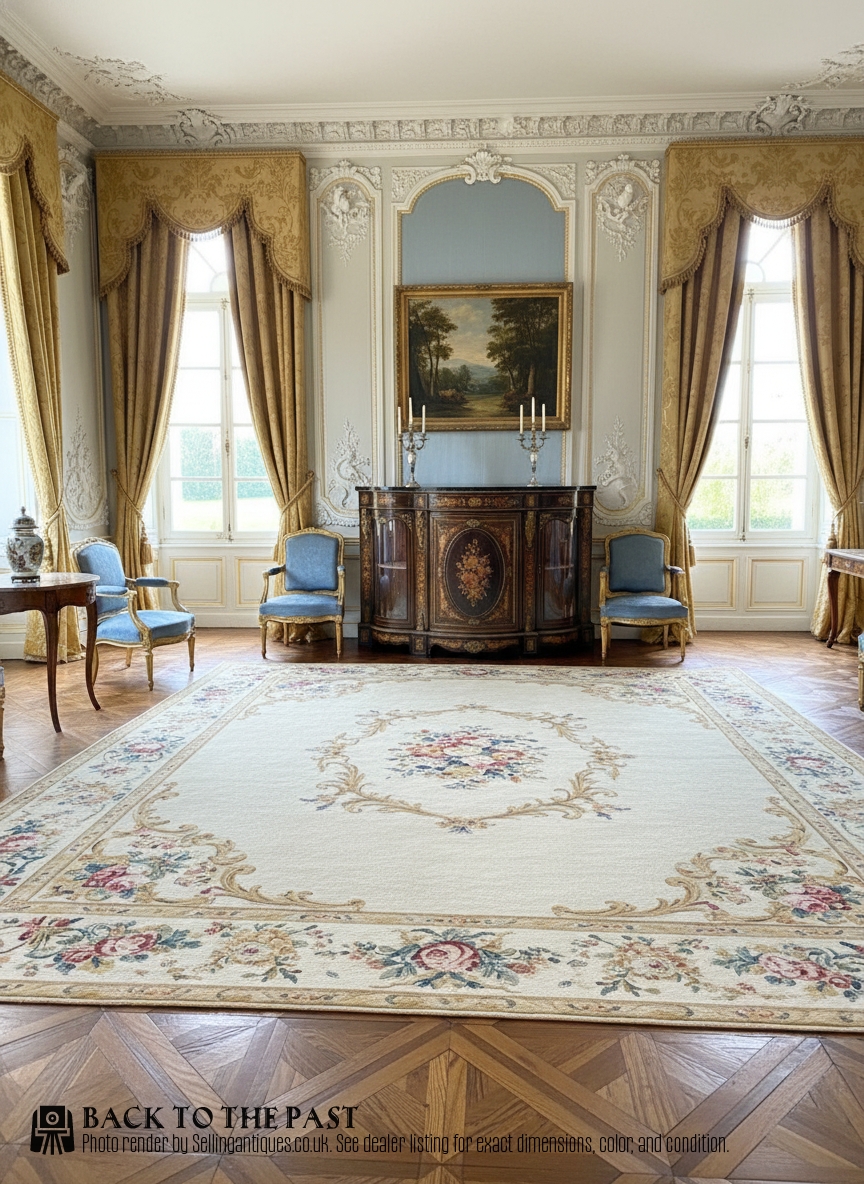
Victorian Marquetry Sideboard
A victorian marquetry sideboard encompasses low display cabinets, pier units and credenzas produced across the nineteenth century. These pieces serve primarily for display and formal storage in domestic reception rooms.
The version most commonly met on this page is the burr walnut credenza, often shaped with a serpentine front and detailed with floral marquetry. Makers of the period drew upon French revival and aesthetic movement influences to shape these grand reception room items.
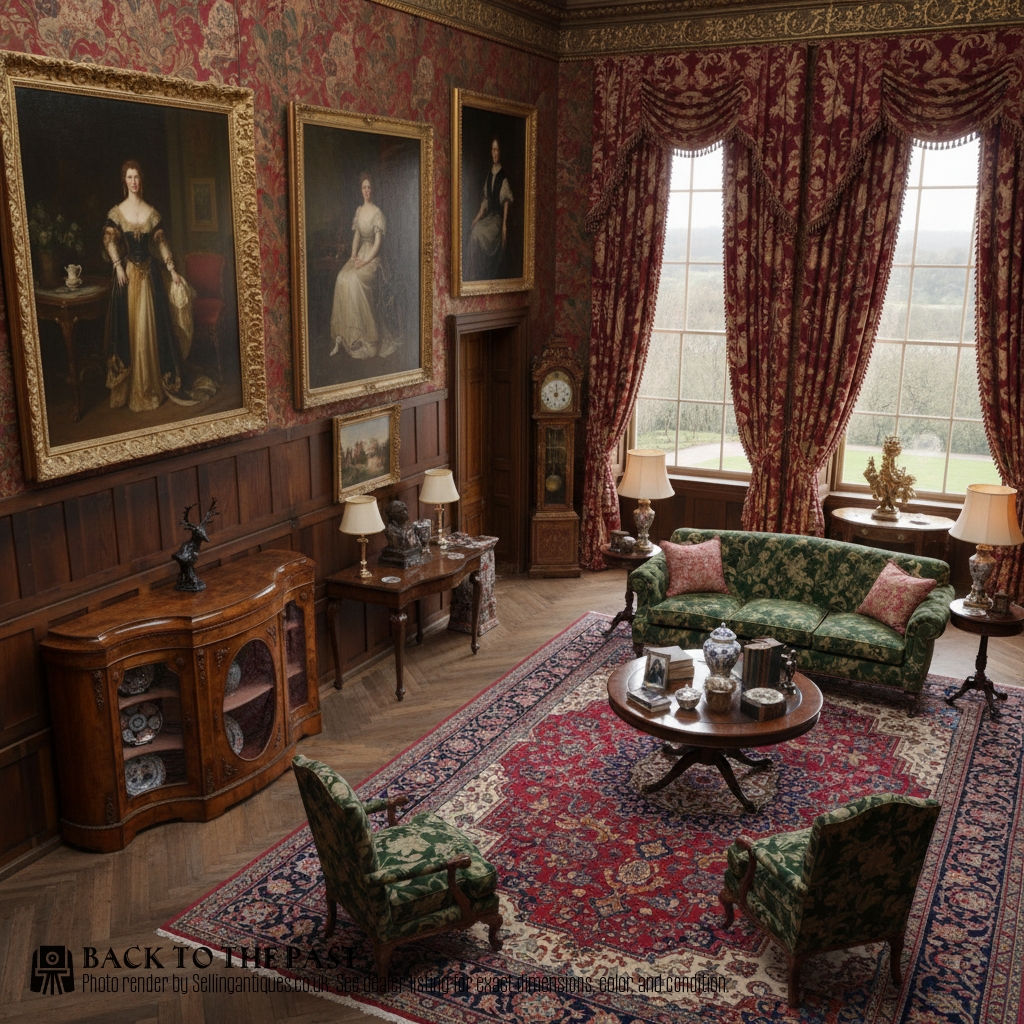
Materials and Technique
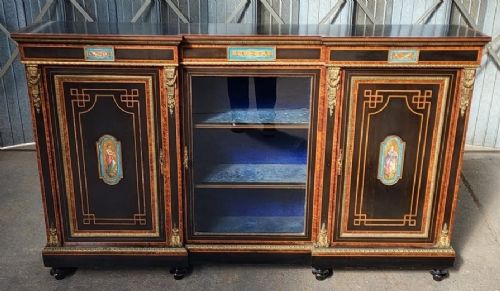
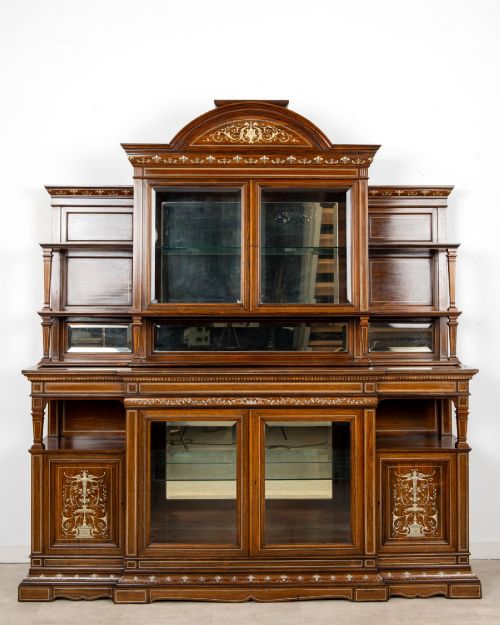
Workshops relied heavily on burr walnut, rosewood, and ebonised wood as primary timbers, overlaid with intricate boxwood and satinwood inlay. Craftsmen cut contrasting veneers by hand to form detailed floral and geometric marquetry panels.
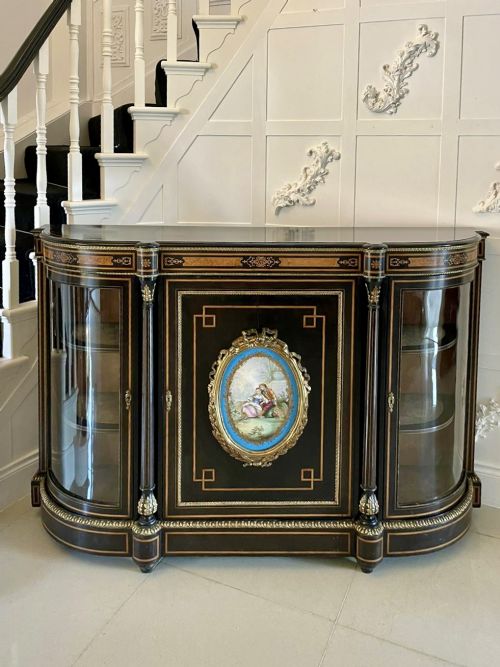
Gilded bronze ormolu mounts and ceramic plaques frequently accent the corners and door centres of finer pieces. Glass panels appear on front doors designed to showcase porcelain and decorative objects.
Victorian Marquetry Sideboard Retail Price Guide 2026
Typical asking prices for victorian marquetry sideboard among the pieces listed under this phrase on Sellingantiques today, from the lower quarter to the upper quarter. They describe what is for sale here now, not the wider market.
Some cabinets hide velvet-lined shelves behind curved glass built to withstand a century of drawing-room curiosity.
Judging the Workmanship
The distinction between standard production and top-tier output lies in the depth of the timber figuring and the precision of the marquetry cuts. Finer cabinets exhibit seamless veneer matching across curved serpentine surfaces.
Mount quality separates mass workshop pieces from exhibition grade examples, with chased ormolu and heavy gilt bronze marking superior manufacture. The integration of porcelain plaques and internal satinwood carcases further distinguishes the highest standard.
Hewetsons London·Collinson and Lock·Edwards and Roberts·Gillows·Maison Gagneau
The Victorian Marquetry Sideboard Glossary
- Marquetry
- Decorative veneer work forming pictures or patterns by assembling small pieces of wood, shell or ivory. Craftsmen arrange contrasting timbers to build floral or geometric motifs across the cabinet doors.
- Credenza
- A low dining room or reception room sideboard, frequently featuring glass doors for display. These forms often incorporate curved serpentine sides and substantial ormolu mounts.
- Ormolu
- Gilded bronze mounts applied to furniture edges and feet. This decorative metalwork provides bright metallic contrast against dark walnut and ebonised timber surfaces.
- Burr Walnut
- Timber taken from the warted growths on walnut trees, yielding highly swirled grain patterns. This prized wood forms the primary visible surface on many nineteenth century cabinets.
- Pier Cabinet
- A narrow display cabinet built to stand against the wall space between windows. These upright pieces typically feature single glass doors and delicate inlay.
Victorian Marquetry Sideboard: Frequently Asked Questions
What is a credenza?
A credenza is a low cabinet designed for formal reception rooms, combining central display space with enclosed shelving behind glass or wooden doors.
These pieces typically feature rich timber veneers and decorative ormolu mounts rather than the heavy construction of dining room servers.
How do I care for burr walnut?
Burr walnut requires stable indoor humidity and protection from direct sunlight to prevent veneer cracking and fading.
Regular dusting with a dry lint-free cloth and occasional application of appropriate furniture wax maintains the polished surface.
What is serpentine shaping?
Serpentine shaping describes a cabinet front that curves outward in the centre and inward toward the sides in an undulating line.
This contour requires advanced woodworking skill to fit marquetry veneers smoothly across complex curved surfaces.
How do I identify a nineteenth century piece?
Nineteenth century cabinets show construction methods like hand-cut dovetails, secondary softwood linings, and traditional timber preparation marks.
Stylistic cues such as aesthetic movement linear inlays and ormolu mounts help narrow down the manufacturing decade.