


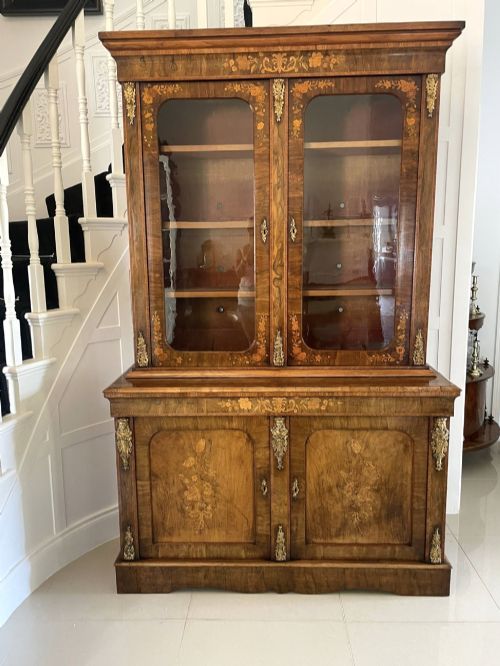
French Style Cabinet
A French style cabinet brings continental display and storage into a room through decorative veneers and gilt mounts.
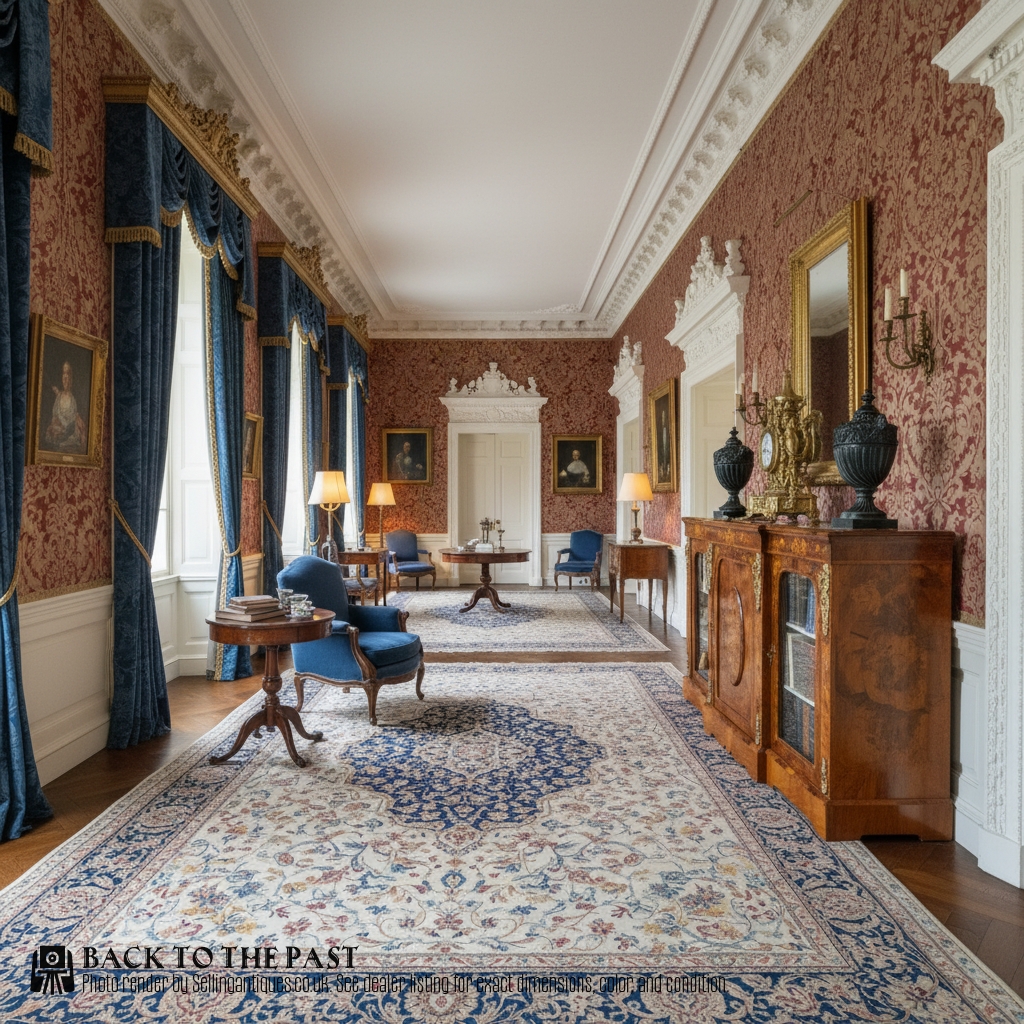
The French Style Cabinet
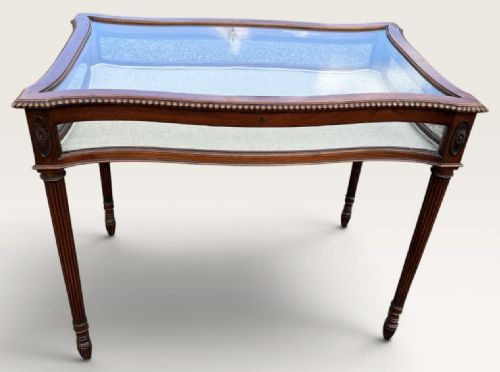
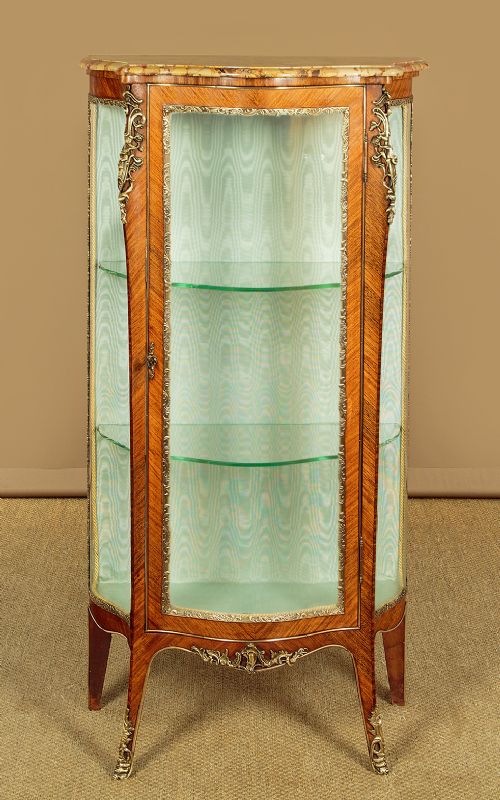
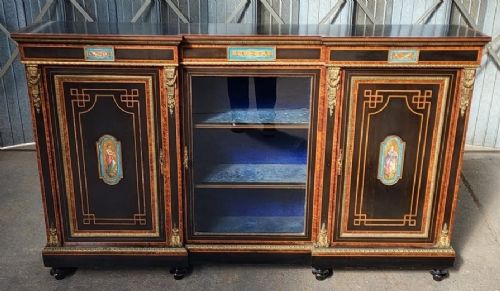
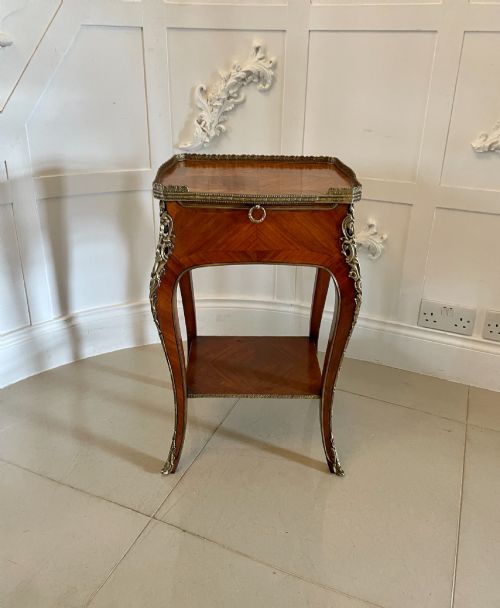
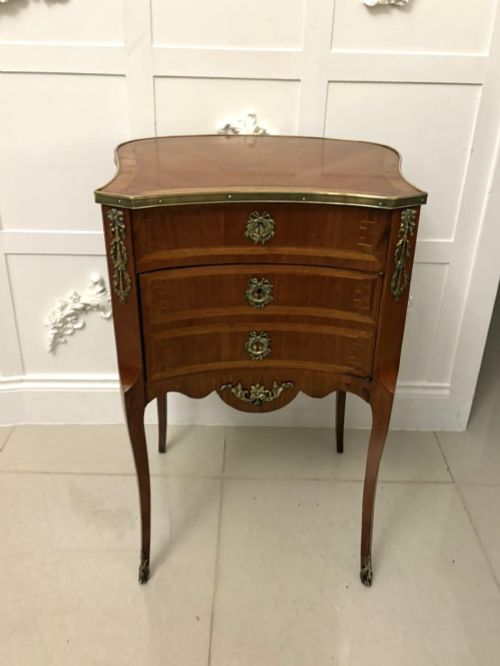
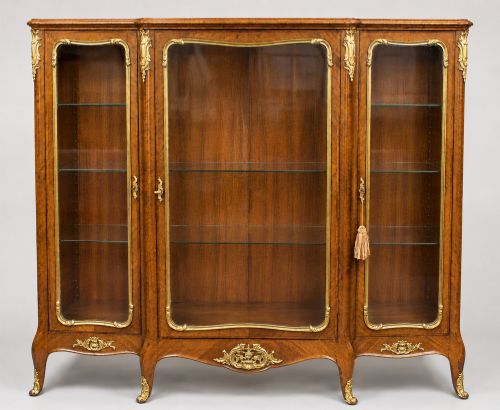
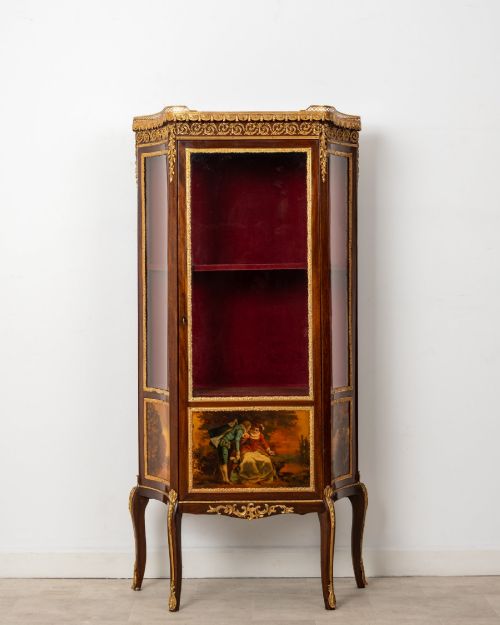
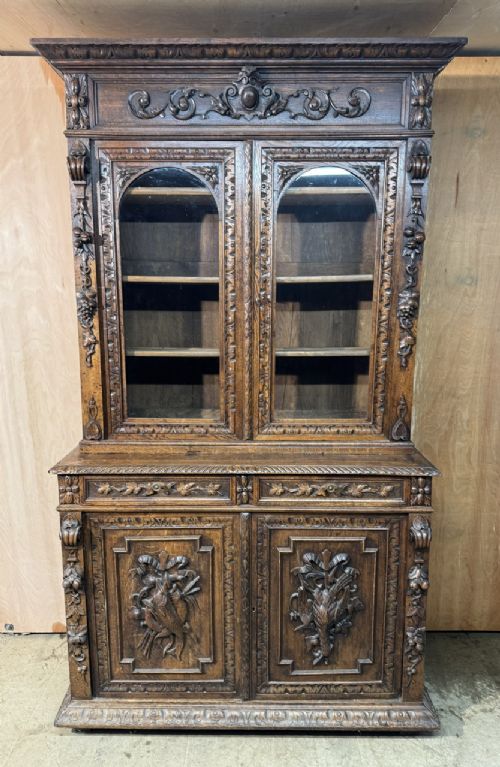
A French style cabinet spans various forms intended for display, storage, and writing across domestic spaces. These pieces appear as bookcases, vitrines, side cabinets, credenzas, and bedside tables.
The selections on this page demonstrate origins reaching from the Victorian era into the early twentieth century. Makers frequently applied continental design principles to British furniture forms and imported continental pieces directly.
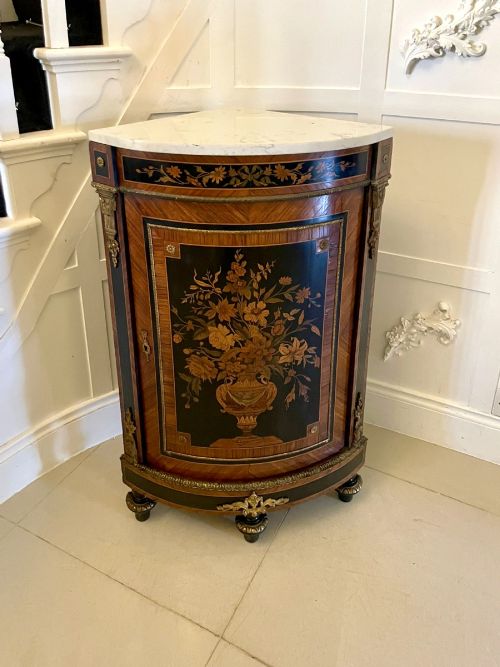
Buyers encounter walnut, burr walnut, mahogany, and fruitwood surfaces ornamented with marquetry and floral inlays. Glazed doors and marble tops appear regularly across the range.
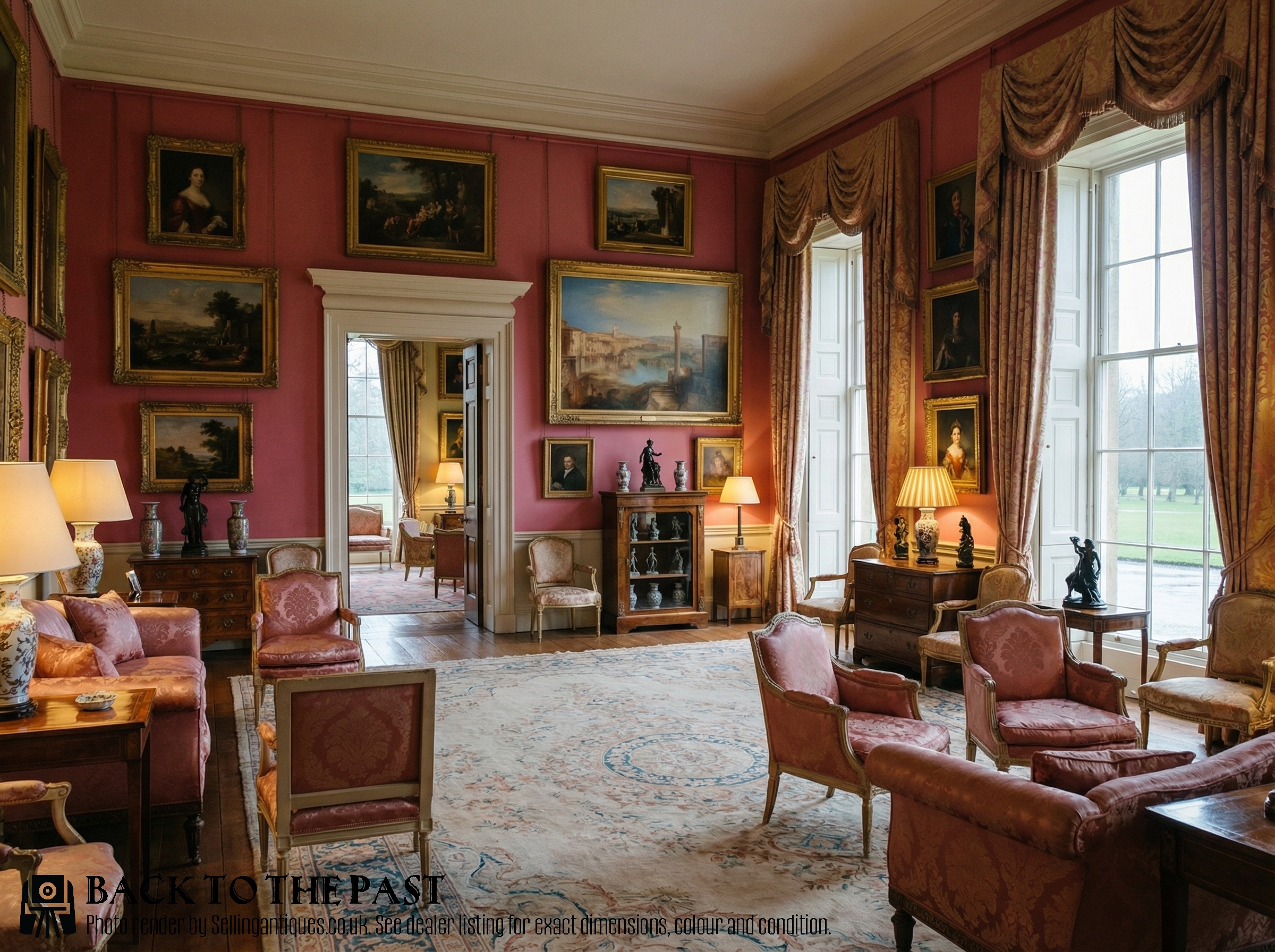
Materials and Construction
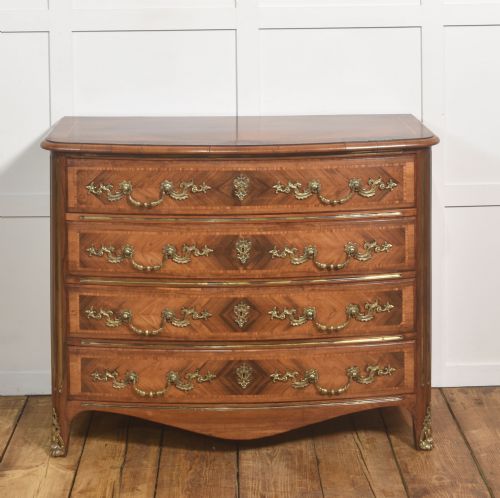
Cabinet makers utilised foundational timbers such as mahogany, oak, walnut, and fruitwood to construct carcases and frames. They applied decorative veneers including burr walnut, kingwood, and elaborate wood marquetry across visible surfaces.
Mounts cast in ormolu and gilt bronze provide structural accent and decorative framing around glass panels and door edges. Marble slabs form inset tops on specific side and bedside cabinets.
Retail Price Guide 2026
Typical UK retail prices for french style cabinet, calculated from the Sellingantiques database of over a million retail prices indexed since 2003. This retail price guide relies exclusively on Sellingantiques data; no external sources or auction records are used, so the figures do not describe the wider market.
Listings feature materials including burr walnut, fruitwood, ormolu, and marble across Victorian and twentieth-century periods.
Distinctions in Quality
The refinement of the wood marquetry and the precision of the floral inlay separate standard examples from finer pieces. Hand-chased ormolu mounts with crisp detail indicate superior workshops.
The selection of timber grain, particularly in burr walnut and plum pudding mahogany veneers, dictates visual depth. Heavier carcase construction and original marble tops further elevate an individual cabinet.
The French Style Cabinet Glossary
- Marquetry
- Decorative patterns formed by fitting together thin slices of wood veneer onto a carcase. This technique creates intricate floral and geometric motifs across door panels.
- Ormolu
- Gilt bronze mounts applied to furniture for decorative effect and corner protection. The metal is cast and then finished with a gold wash.
- Vitrine
- A glass-fronted display cabinet designed for porcelain and small objects. These pieces feature glazed sides to maximise light penetration.
- Credenza
- A low cabinet piece often incorporating doors and open shelving. Victorian examples frequently combine timber marquetry with glazed sections.
- Vernis Martin
- A type of simulated Japanese lacquer developed in France during the eighteenth century. It employs layered varnishes to produce a smooth, lustrous finish.
Frequently Asked Questions
Where do I place a French style cabinet?
These cabinets suit drawing rooms, living areas, and hallways where glazed doors permit the display of books or decorative objects. Corner models fit unused wall angles effectively.
Smaller bedside variants serve as occasional tables in bedrooms or compact sitting rooms.
How do I clean wooden marquetry?
Dust surfaces regularly with a soft, dry cloth to prevent particulate build-up within the veneer joints. Avoid water and modern chemical polishes.
Apply a traditional beeswax sparingly to nourish the timber and maintain the lustre of the inlay.
Are marble tops original to these cabinets?
Many side and bedside cabinets feature inset marble tops designed to resist staining from liquids. These slabs were fitted during the initial construction.
Inspect the edges of the marble and the supporting rebate within the timber carcase to confirm original placement.
How do I identify Louis XV style furniture?
Louis XV style pieces are characterised by curved serpentine lines, cabriole legs, and asymmetrical floral marquetry. Ormolu mounts accentuate the flowing contours of the carcase.
This aesthetic prioritises organic forms over the strict symmetry found in earlier periods.