

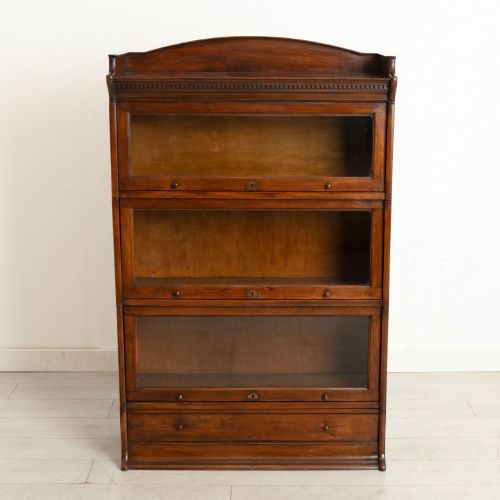
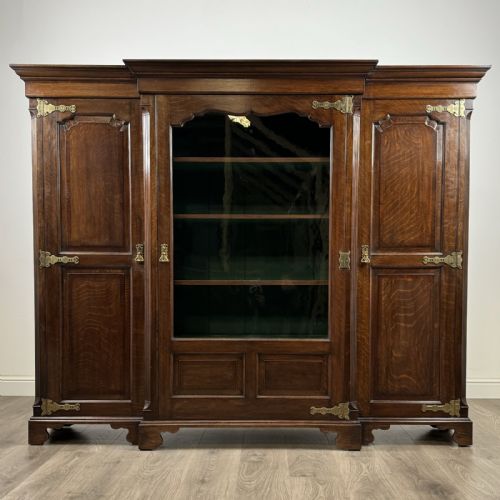
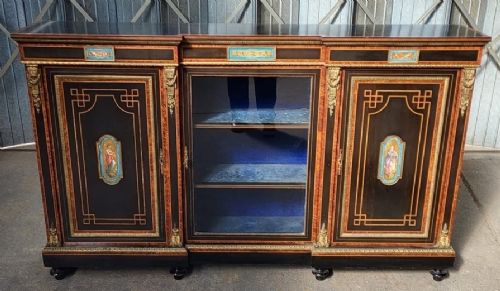
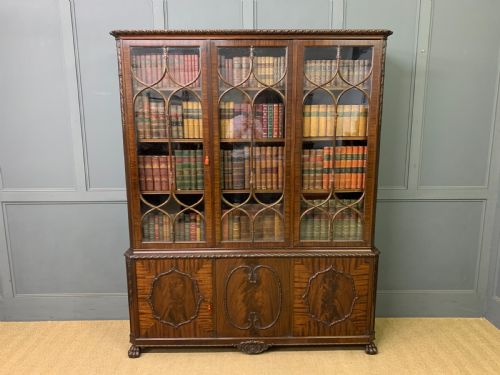
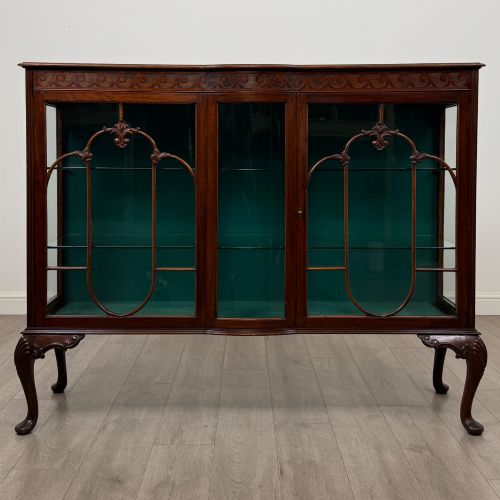
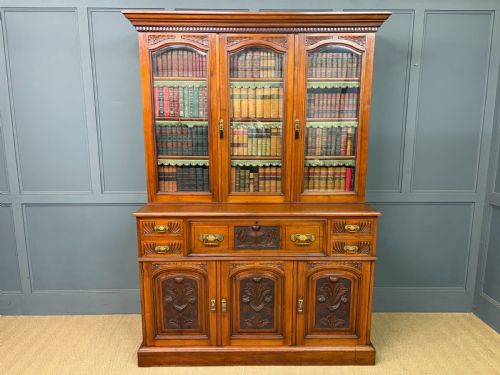
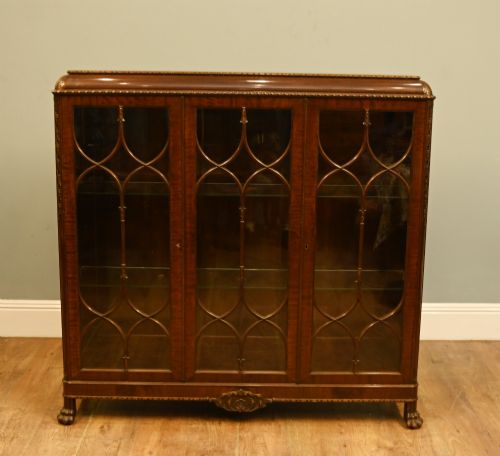
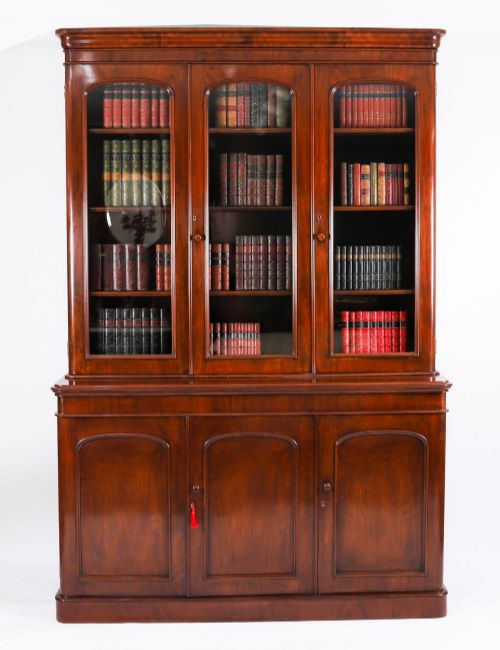
Three Door Glazed Bookcase
A three door glazed bookcase provides generous storage while keeping fine bindings and collections visible behind glass.
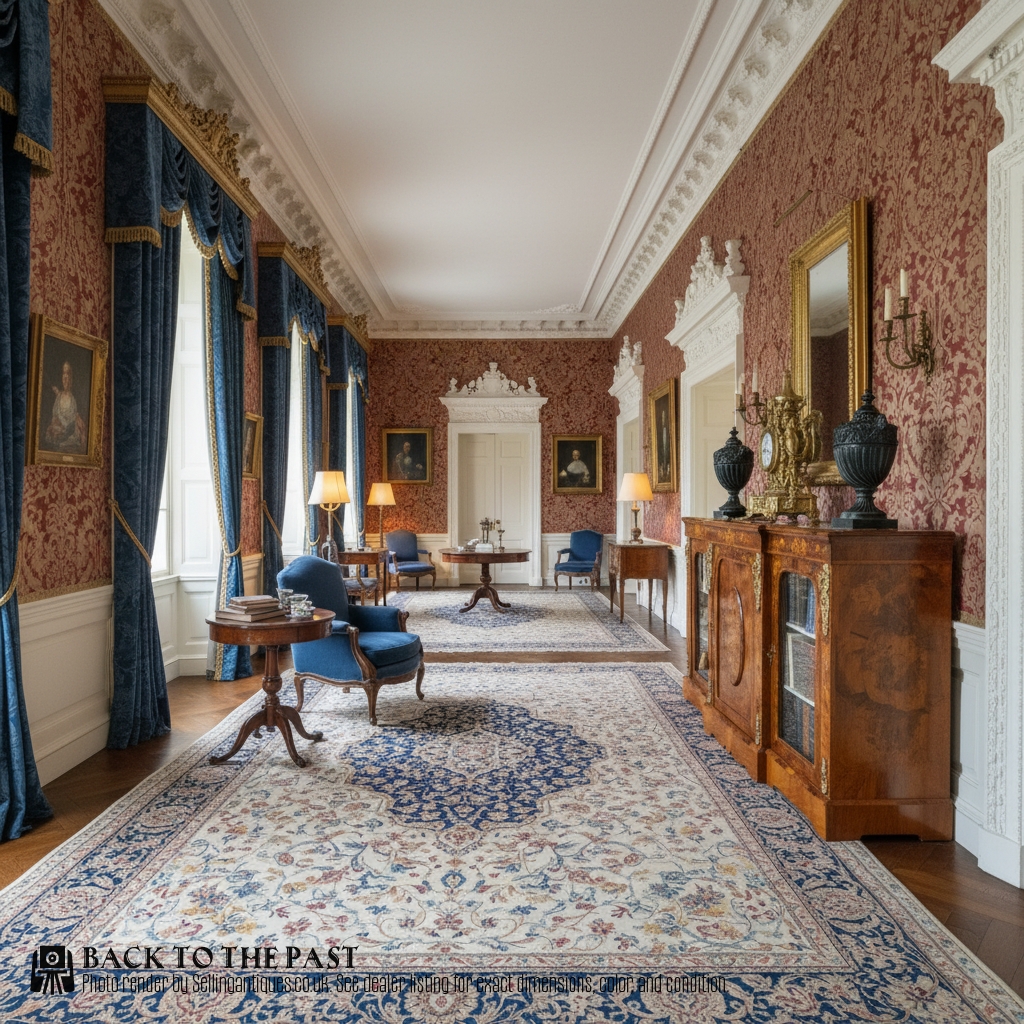
Three Door Glazed Bookcase
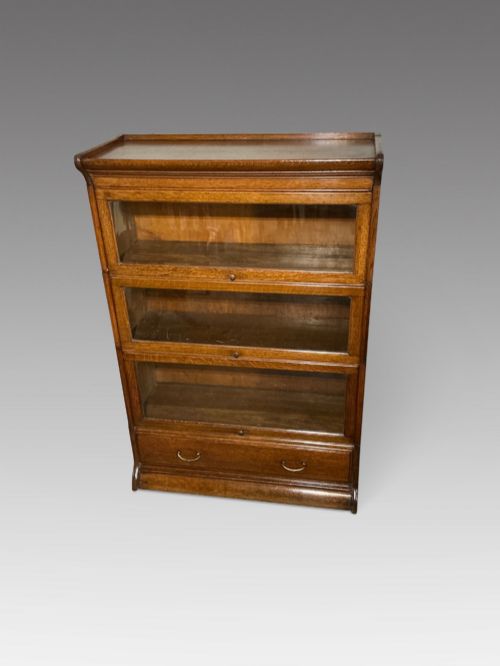
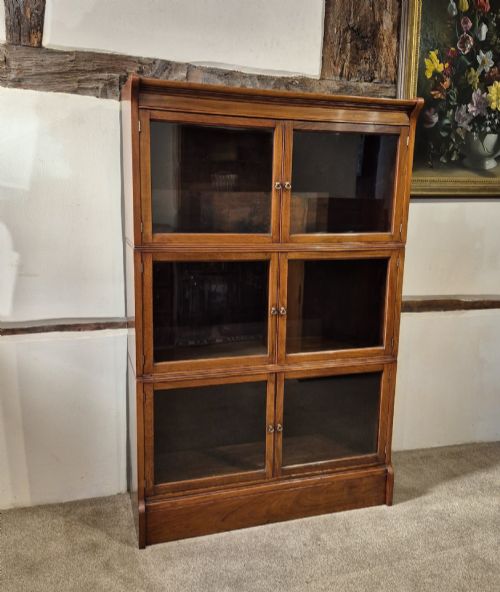
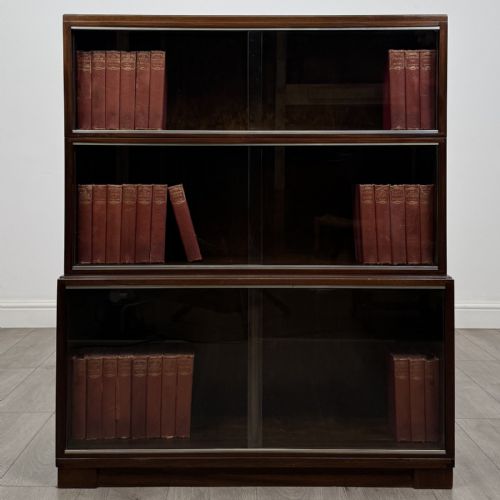
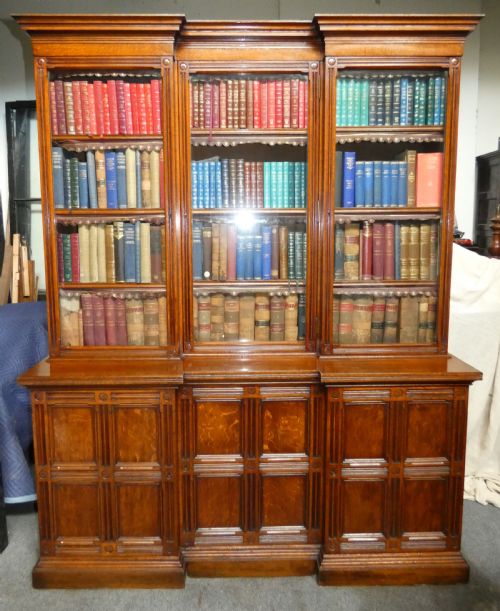
A three door glazed bookcase offers substantial storage capacity, typically spanning a breakfront or linear form designed for extensive libraries. These substantial pieces appear frequently in Victorian and Edwardian iterations, constructed to house large collections of books and display items safely behind glass panels.
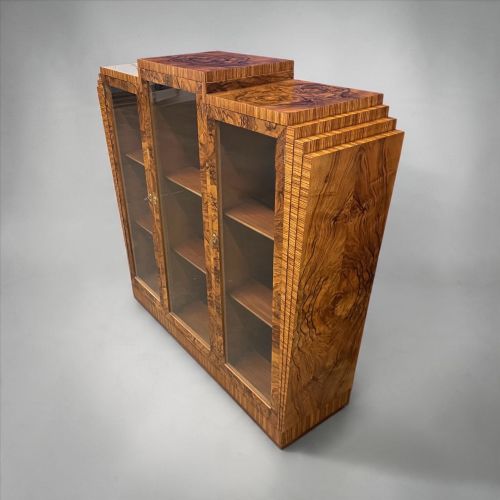
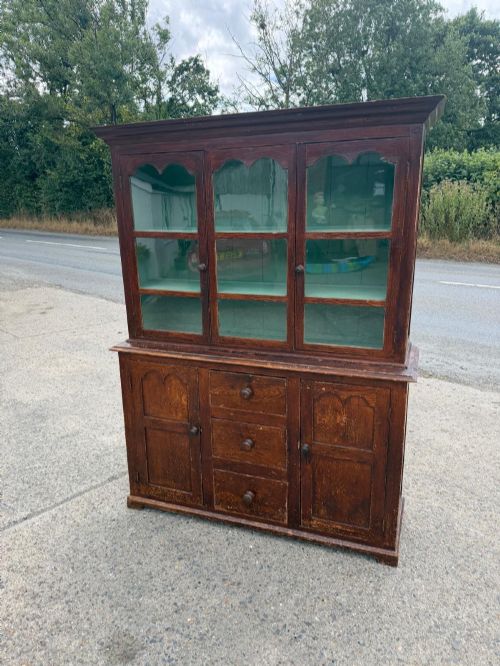
The materials and styles range considerably across the inventory, encompassing heavy oak designs, polished mahogany finishes, and finely figured walnut. Makers utilised traditional timbers to build structures that combined utility with the aesthetic tastes of the nineteenth and early twentieth centuries, from Jacobean Revival to Sheraton Revival influences.
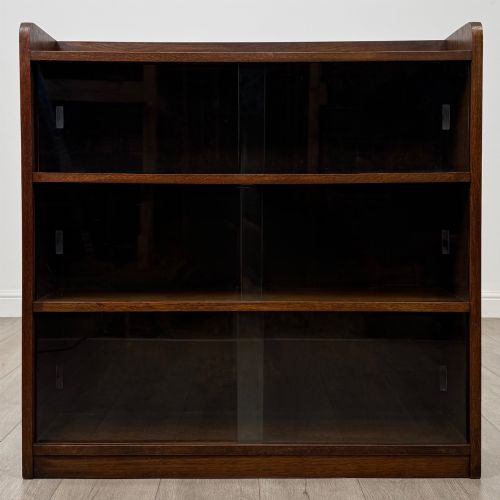
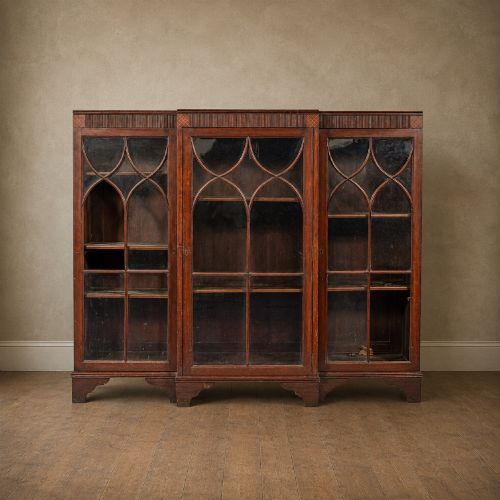
Buyers encounter various configurations, including breakfront arrangements, library bookcases with adjustable shelving, and sectional stacking formats. Each variant serves a distinct interior space, balancing the need for visible display against secure, enclosed storage.

Construction and materials
Cabinet makers relied primarily on solid and veneered hardwoods, selecting oak, mahogany, and walnut for their structural stability and rich grain patterns. Timber selection dictated the character of the piece, whether finished in a dark polish or left in a limed state.
Glazing techniques required precise joinery to hold glass panes securely within timber or brass frames, often incorporating astragal bars to create geometric patterns. Ormolu mounts, brass hardware, and intricate inlay work provided decorative contrast to the primary wood surfaces.
Three Door Glazed Bookcase Retail Price Guide 2026
Typical asking prices for three door glazed bookcase among the pieces listed under this phrase on Sellingantiques today, from the lower quarter to the upper quarter. They describe what is for sale here now, not the wider market.
Listings feature pieces spanning the Victorian and Edwardian eras, constructed from oak, mahogany, walnut, and satinwood.
Assessing quality and craftsmanship
Quality reveals itself in the selection of timber veneers, such as burr walnut or flame mahogany, and the precision of the marquetry and stringing. Superior examples exhibit seamless grain matching across multiple doors and refined carving executed by hand rather than machine.
The interior engineering also separates standard production from finer cabinet work, seen in adjustable shelving mechanisms, smooth-sliding doors where applicable, and robust internal framing. Original glass panels, sound brass hinges, and intact locks further indicate a higher standard of manufacture.
Edwards and Roberts·Waring and Gillow·Globe Wernicke·Duce and Co
The Three Door Glazed Bookcase Glossary
- Breakfront
- A cabinet design where the central section projects forward from the flanking wings. This architectural arrangement creates depth and visual interest in large library pieces.
- Astragal
- A moulded strip of wood or metal fitted to hold glass panes within a sash. These bars divide the glazed door into smaller geometric panels.
- Ormolu
- Gilt bronze ornamentation applied to furniture surfaces for decorative effect. It appears frequently on finer nineteenth-century cabinet work.
- Stringing
- Thin lines of contrasting timber inlaid into the surface of furniture. This technique frames panels and highlights the edges of doors and drawers.
- Sectional bookcase
- A modular shelving unit comprising independent stacked tiers with lifting glass doors. It allows the furniture to be disassembled and reconfigured easily.
Three Door Glazed Bookcase: Frequently Asked Questions
How do I style a large bookcase?
Balance the visual weight of the bookcase by alternating vertical books with horizontal stacks and decorative objects behind the glass. Leave some breathing room on shelves to prevent the display from feeling overcrowded.
Incorporate items made from brass, ceramic, or fabric to complement the timber tones of the cabinet. Keeping the internal lighting and background neutral helps the collection stand out clearly through the glazed doors.
Are shelves adjustable in these cabinets?
Many library bookcases and display cabinets feature adjustable shelving supported by wooden ratchets or metal track systems. This allows you to accommodate volumes of varying heights.
Older sectional and fixed-shelf models may have permanent timber supports that limit rearrangement. Check the specific interior configuration if you plan to store unusually large folios.
How do I care for antique timber?
Maintain the finish by dusting regularly with a soft, dry cloth and applying a quality beeswax polish sparingly to nourish the wood. Avoid placing the cabinet in direct sunlight or near heat sources to prevent the timber from splitting.
Keep humidity levels in the room stable to protect both the solid wood and the delicate veneers. Periodically check the brass hardware and glass mountings to ensure they remain secure.
How do I date these pieces?
Examine the construction methods, timber choices, and stylistic revival markers to determine the approximate period of manufacture. Victorian pieces often showcase heavy carvings and dark mahogany or walnut, while Edwardian examples frequently feature lighter mahogany with delicate stringing.
Patent plaques, maker stamps inside drawers, and mechanical innovations like stacking mechanisms provide definitive clues for early twentieth-century pieces. Comparing the hardware and glass clarity against known period standards helps refine the timeline.