


Vintage Library Shelving
Vintage library shelving brings sturdy timbers and adjustable tiers into domestic rooms, offering practical book storage built to last.
Vintage Library Shelving
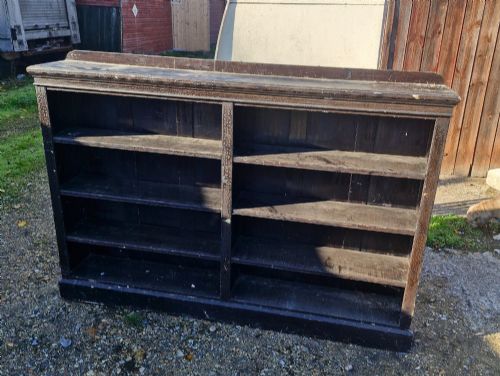
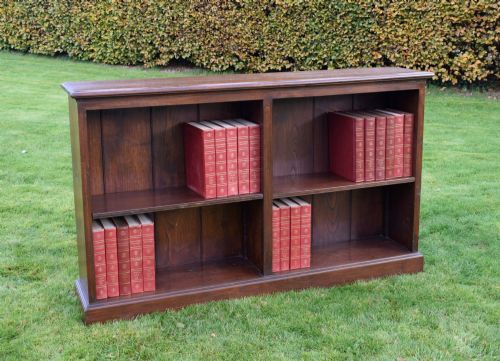
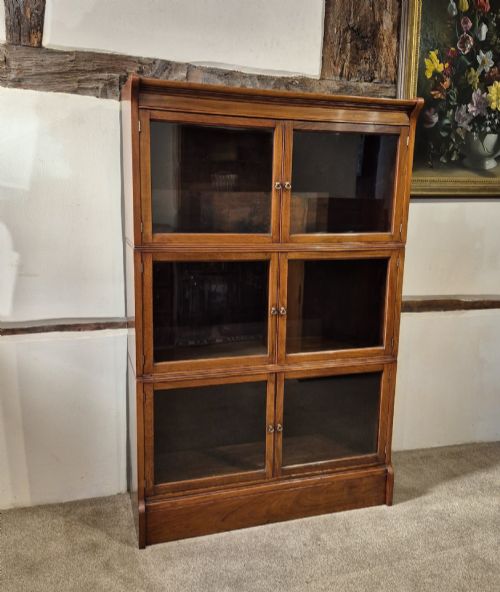
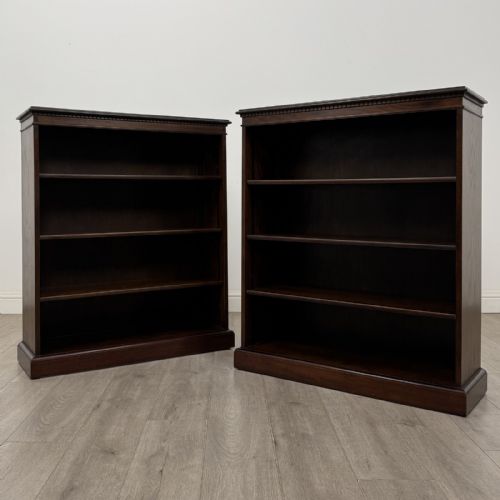
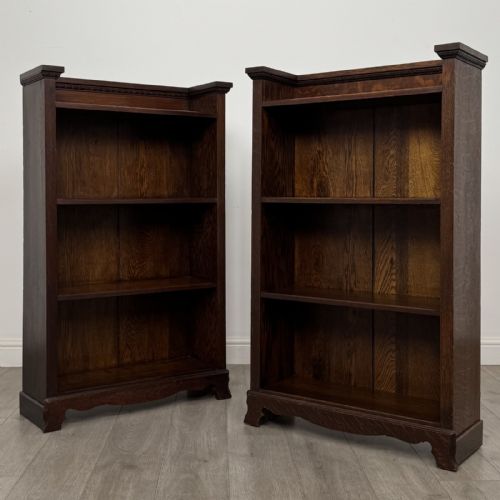
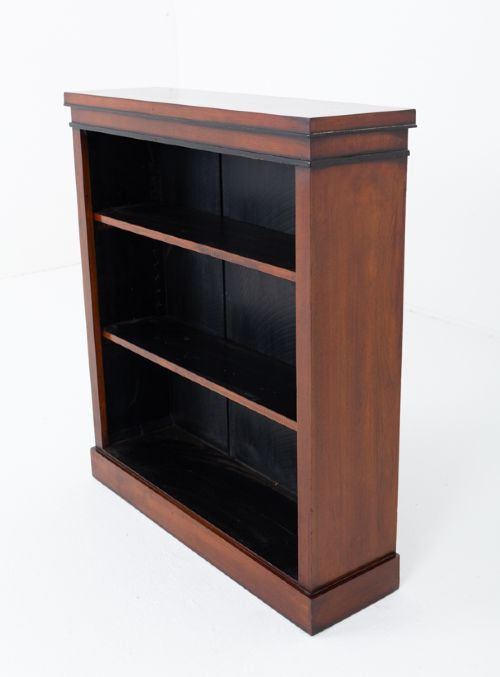
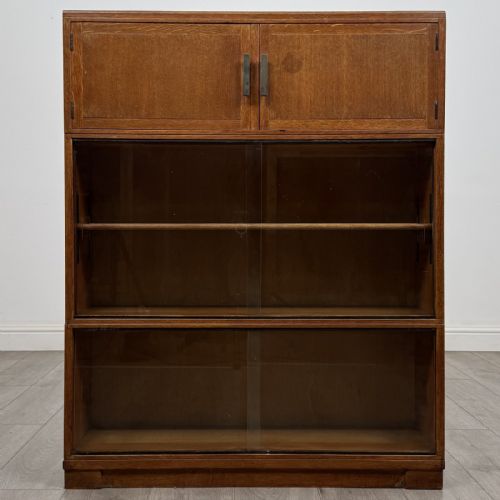
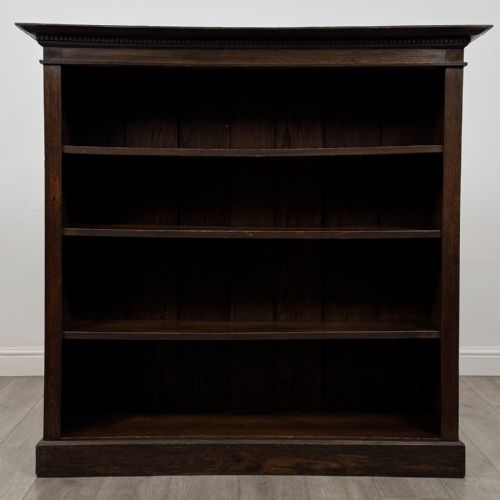
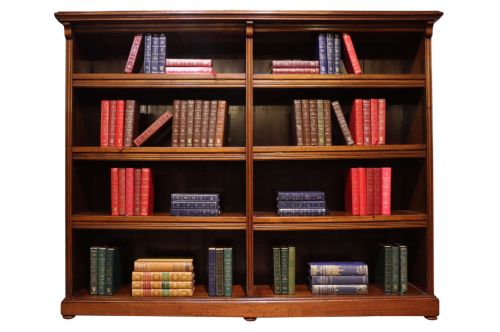
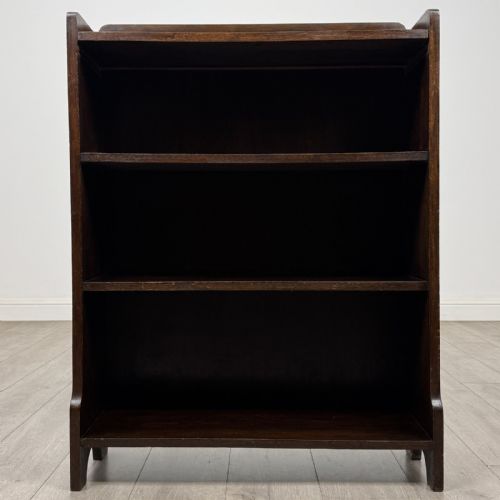
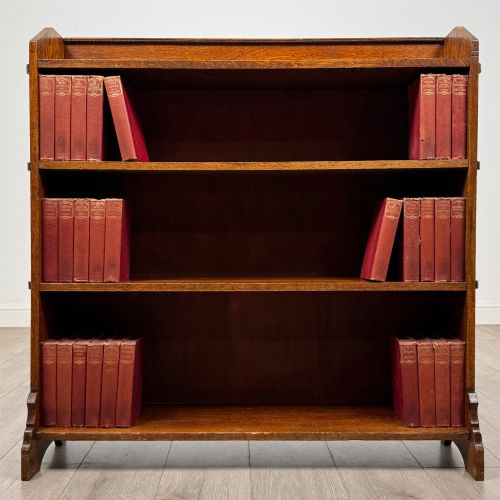
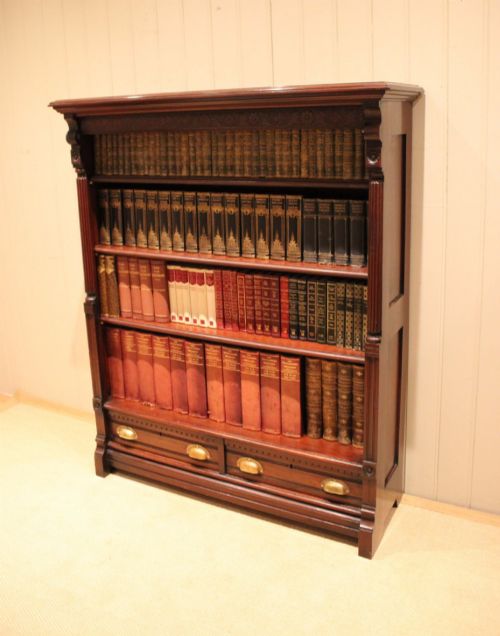
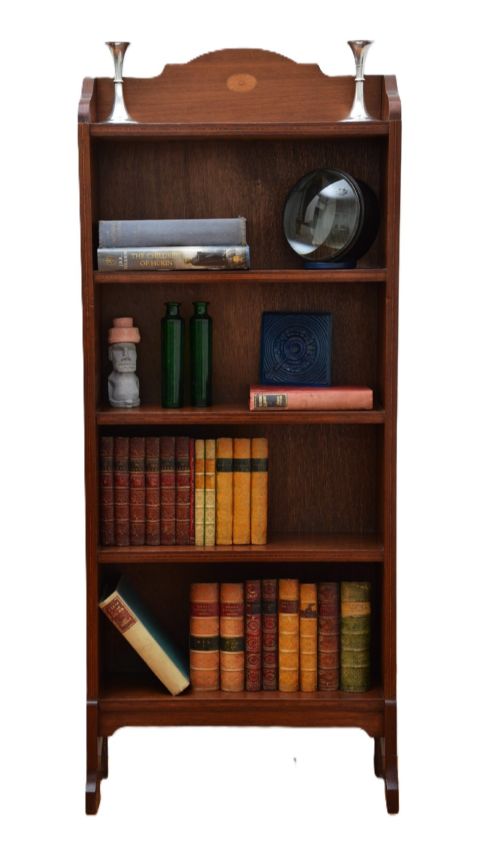
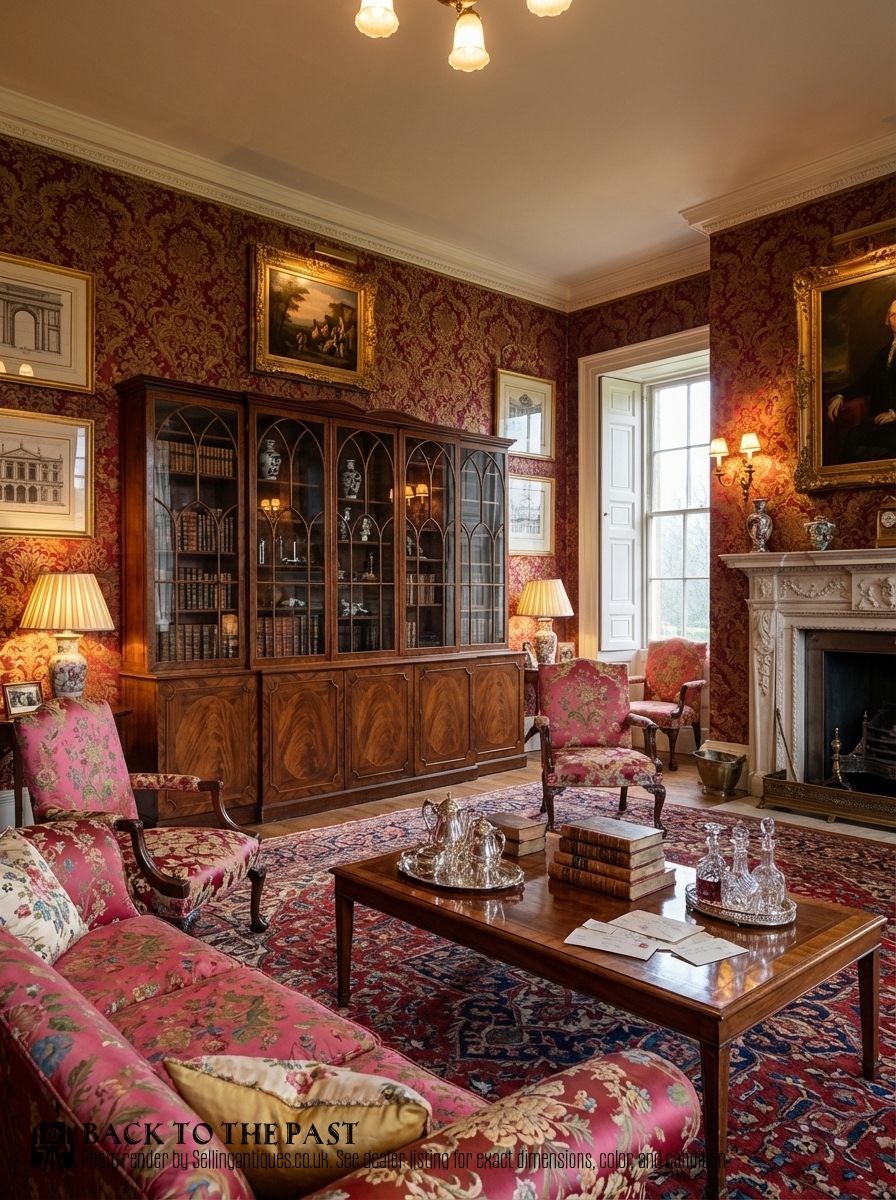
Vintage library shelving encompasses open bookcases, waterfall tiers, and stacking barrister units designed to hold substantial collections of books. When searching for vintage library shelving, buyers encounter numerous open bookcases constructed during the Victorian, Edwardian, and early twentieth-century periods.
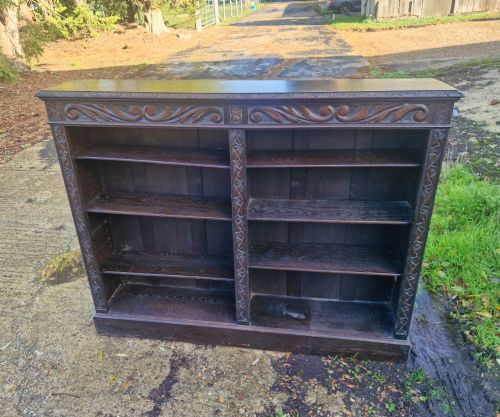
The selection ranges from large nineteenth-century continental carved wood bookcases to neat oak and mahogany pieces produced around nineteen hundred. Many examples incorporate adjustable shelves, accommodating volumes of varying heights with straightforward utility.
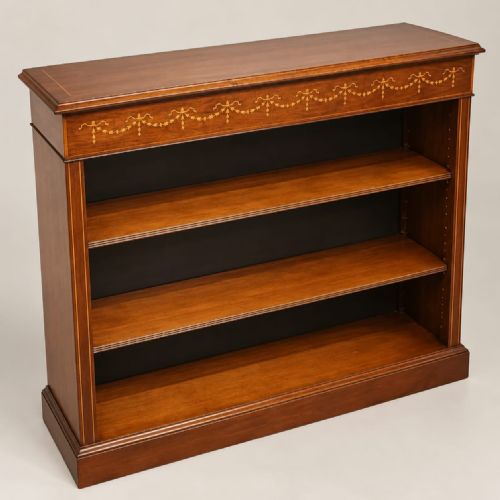
Styles span from plain utilitarian oak frames to inlaid Sheraton Revival mahogany and Empire designs. The majority of pieces rely on open access fronts rather than glazed doors, suiting daily study and living room use.
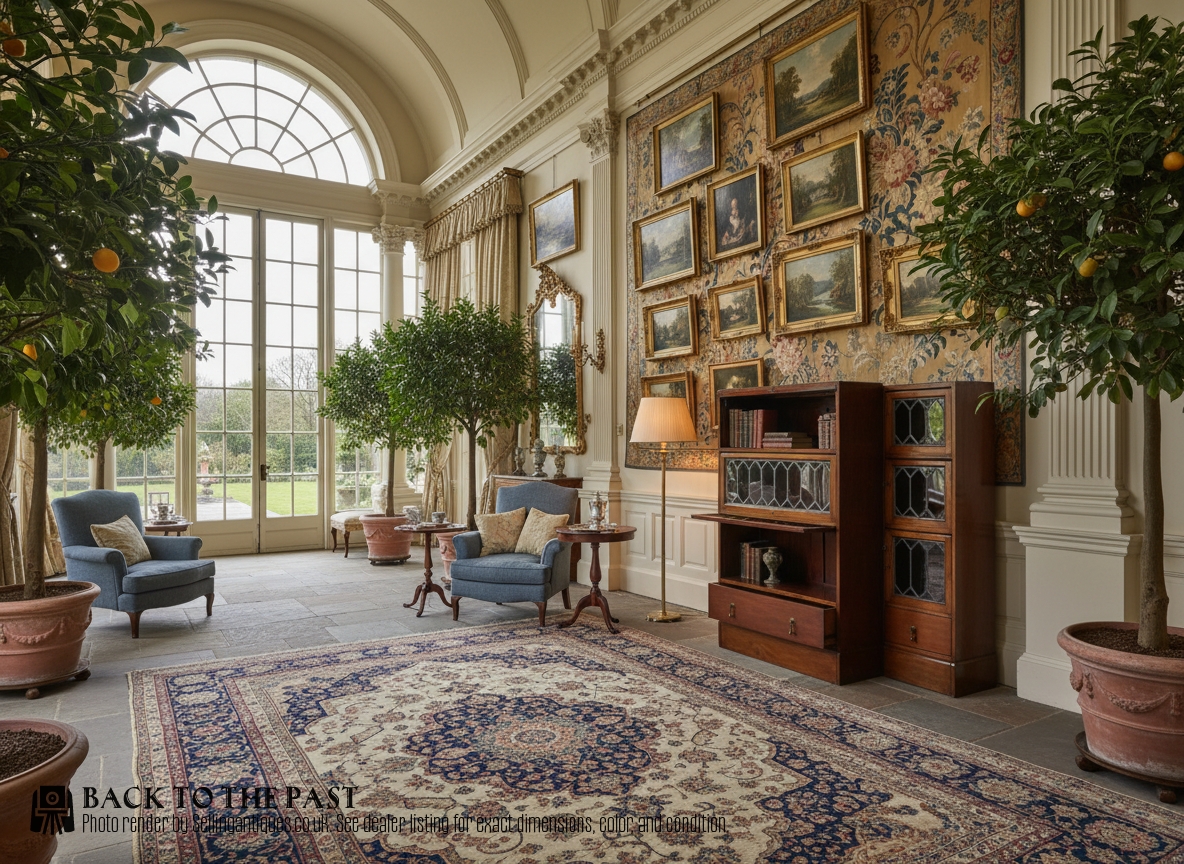
How they were made
Cabinet makers utilised heavy timbers such as mahogany, oak, and walnut, selecting solid woods for structural integrity and longevity. Burr walnut and walnut veneer appeared on decorative surfaces, adding figured grain patterns to formal pieces.
Brass fittings and glass elements supplemented the woodwork on specific designs like stacking barrister bookcases and tiered what-nots. Construction methods prioritised adjustable shelf mechanisms and durable joints capable of supporting heavy loads of books.
Vintage Library Shelving Retail Price Guide 2026
Typical asking prices for vintage library shelving among the pieces listed under this phrase on Sellingantiques today, from the lower quarter to the upper quarter. They describe what is for sale here now, not the wider market.
Listings feature oak, mahogany, and walnut woods across Victorian, Edwardian, and early twentieth-century periods.
What varies in quality
The standard of timber selection and joinery distinguishes finer pieces from standard utilitarian shelving. Superior examples exhibit well-figured mahogany, oak, or burr walnut with careful attention to proportions and moulding details.
The precision of adjustable shelving mechanisms and the integrity of back panels indicate the original maker's skill. Solid wood construction throughout, rather than excessive reliance on secondary veneers, marks out the upper tier of these pieces.
The Vintage Library Shelving Glossary
- Open bookcase
- A piece of furniture designed for book storage featuring unobstructed front access without doors. These units often include adjustable wooden shelves supported by fixed vertical panels.
- Barrister bookcase
- A modular shelving unit featuring stacked sections with glazed or panelled doors that lift and slide inward. This form allows modules to be added or separated as collections grow.
- What-not
- A multi-tiered open shelving stand designed for displaying books or small decorative objects. They frequently appear in slender proportions with three or four distinct tiers.
- Waterfall bookcase
- A set of open shelves stepped back in depth from bottom to top, following a descending profile. This form provides sturdy lower storage for large volumes alongside shallower upper tiers.
- Adjustable shelves
- Shelving boards that can be moved to different heights within a bookcase interior. This system utilises vertical rows of peg holes, rack strips, or movable wooden supports.
Vintage Library Shelving: Frequently Asked Questions
How do I adjust the shelves?
Most period open bookcases utilise wooden support pegs or slotted metal strips set into the interior sides. Lifting the shelf allows the supporting pins to be repositioned into alternative slots.
Older mechanisms may require careful alignment of wooden fillets or brass pins to ensure the shelf sits level without rocking.
Are these pieces suitable for heavy books?
Solid mahogany and oak examples possess strong timber frames capable of supporting dense rows of hardback volumes. Thick shelving boards resist bending under the weight of extensive libraries.
Checking the thickness of the individual shelves and the condition of the vertical uprights helps confirm their load-bearing capacity for daily use.
What is the difference between oak and mahogany versions?
Oak shelving units, frequently associated with Arts and Crafts or Edwardian production, display prominent grain patterns and a robust golden or dark brown tone. They suit rustic or traditional interiors.
Mahogany versions tend to offer a smoother, denser timber surface with reddish-brown hues, aligning well with formal Regency, Victorian, or revival furnishing styles.
How do I date a vintage bookcase?
Dating relies on observing construction methods, timber choices, and stylistic cues present in the cornices, plinths, and mouldings. Pieces from the nineteenth century often feature heavy solid timbers and hand-finished joints.
Early twentieth-century and Edwardian examples frequently show lighter proportions, golden oak finishes, or standardised adjustable shelf mechanisms.