

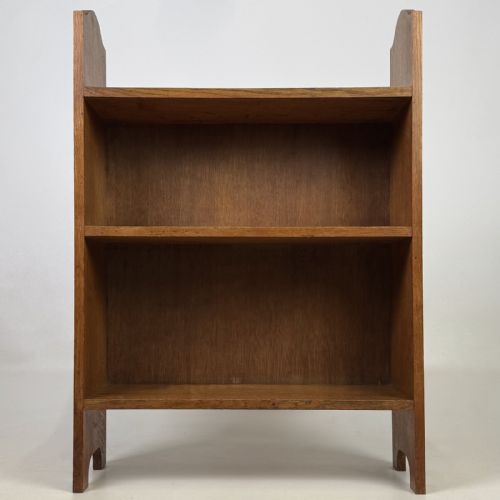
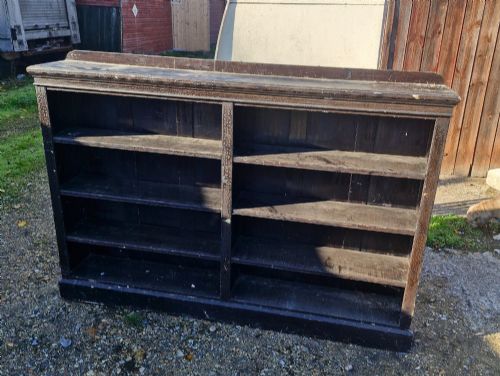
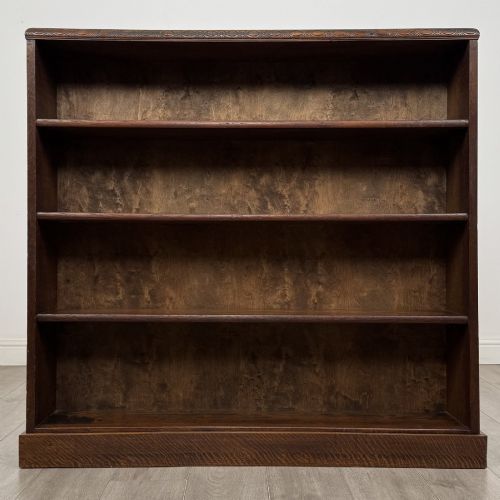
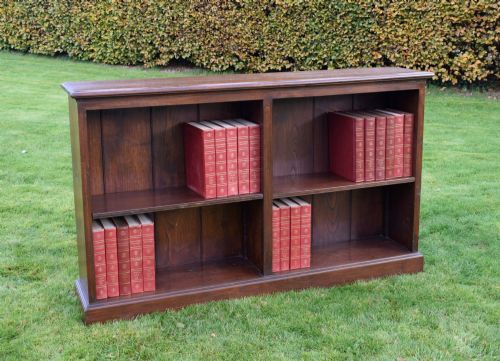
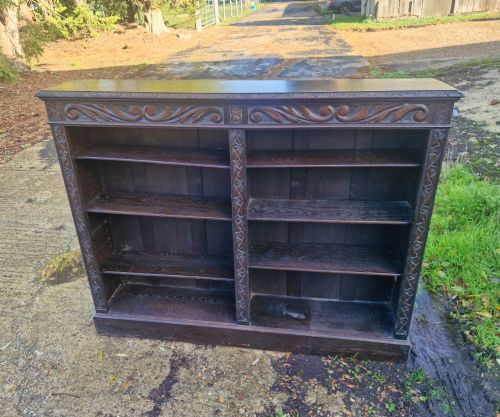
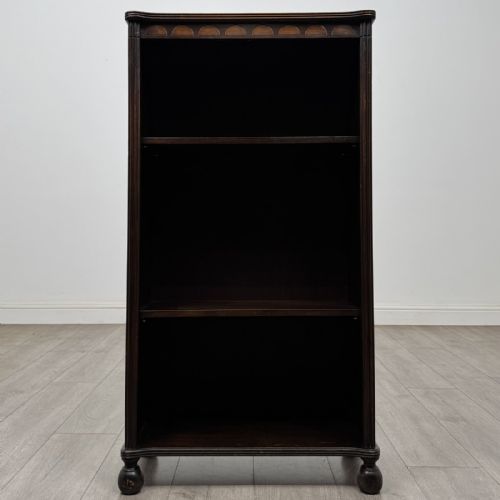

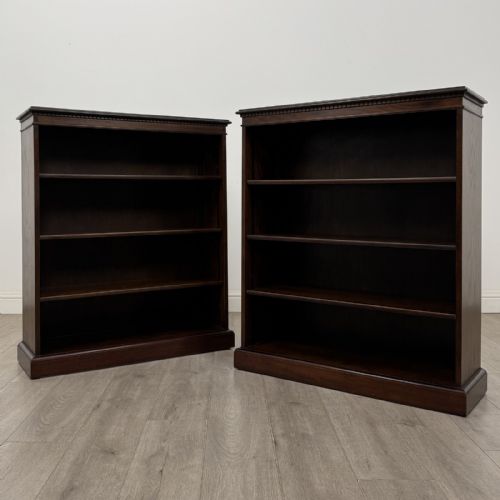
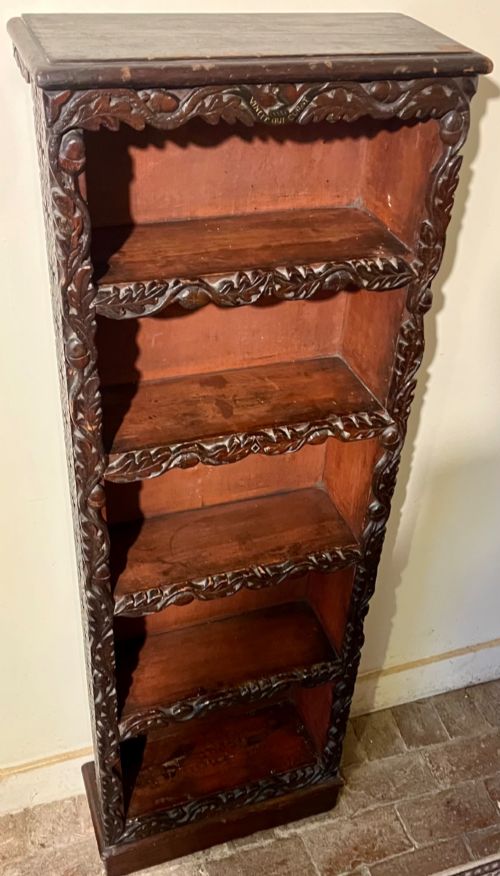
Vintage Open Bookcase
A vintage open bookcase gives a room instant character, holding a collection of volumes within easy reach on sturdy shelves.

Vintage Open Bookcase
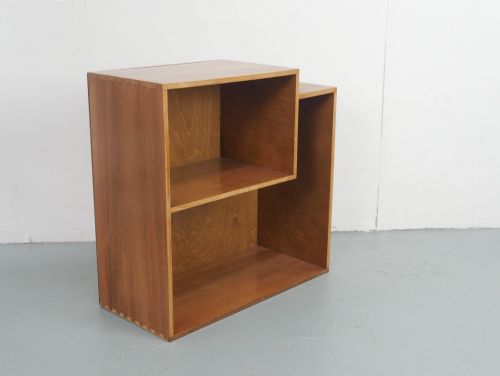
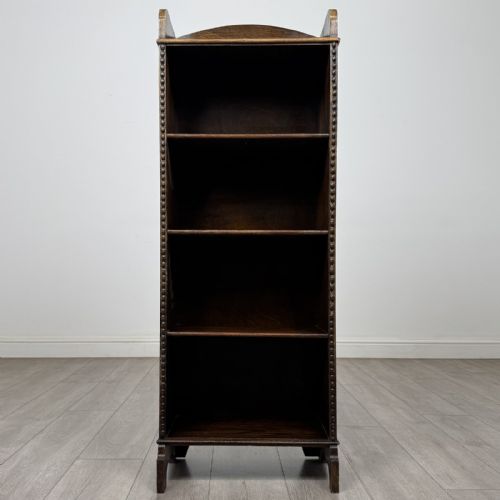
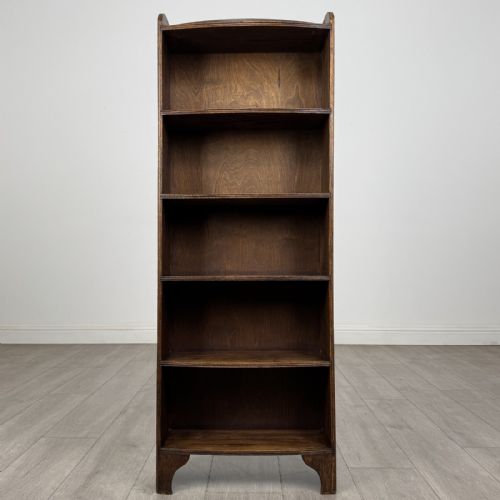
A vintage open bookcase is a functional storage item designed for displaying books and objects without doors enclosing the front. These pieces emerge in styles ranging from Regency and Victorian to Arts and Crafts, Edwardian, and Art Deco.
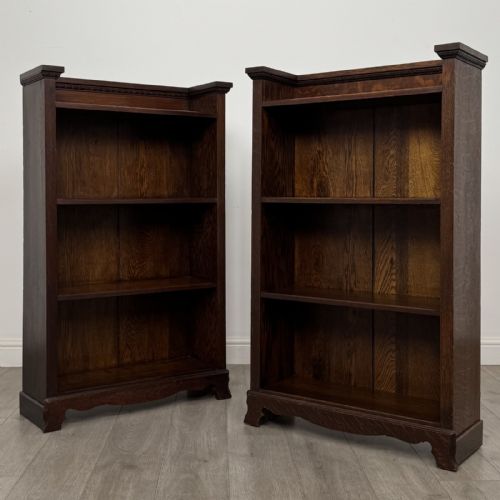
The most common examples on this page date from the Edwardian period and the early twentieth century, constructed in oak or mahogany. Buyers encounter forms that vary from small rustic pine units to tall mahogany pieces with adjustable shelves.
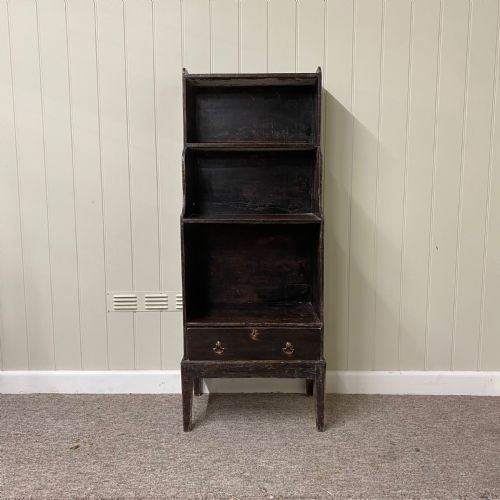
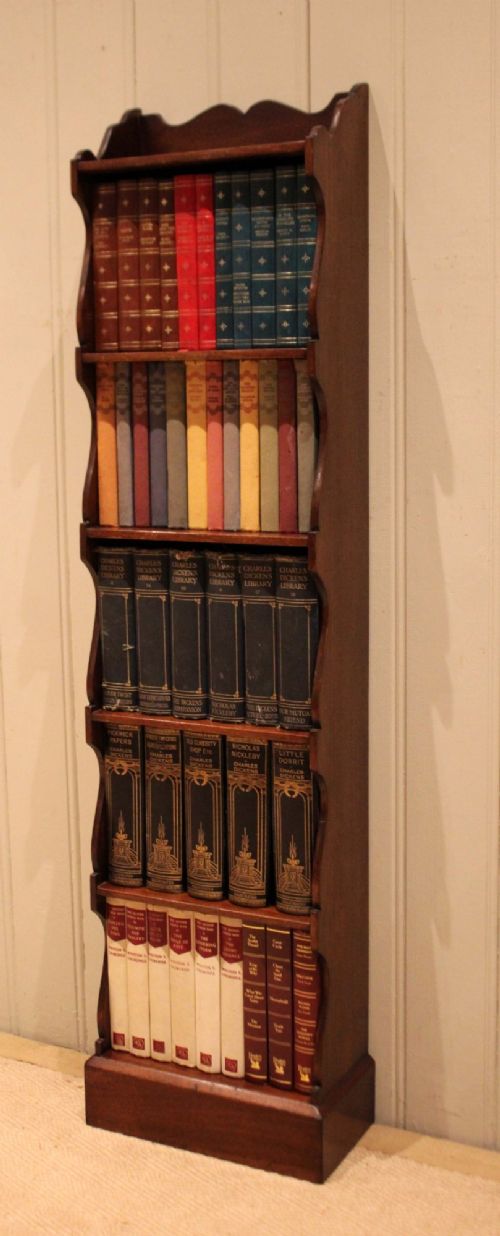
Makers and designers of the era produced these items in various configurations, including tiered what-nots, waterfall designs, and wall-mounting options. Each piece reflects the domestic storage needs of its respective period, from Georgian origins to twentieth-century utility.
Distinctions in quality
The distinction between standard items and finer examples rests upon the selection of timber and the precision of the joinery. Dense grain in oak and figured mahogany indicate superior material selection by the maker.
Proportion and structural integrity separate basic utility furniture from pieces produced by notable workshops. Attention to detail in the shelving supports and decorative mouldings elevates the status of a bookcase within its period.
Vintage Open Bookcase Retail Price Guide 2026
Typical asking prices for vintage open bookcase among the pieces listed under this phrase on Sellingantiques today, from the lower quarter to the upper quarter. They describe what is for sale here now, not the wider market.
Listings feature items spanning from the Regency era through Victorian, Edwardian, and Art Deco periods, constructed in oak, mahogany, walnut, and pine.
Heals
The Vintage Open Bookcase Glossary
- What-Not
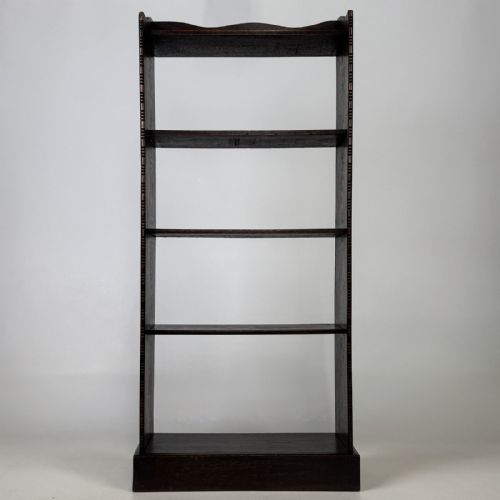
- A set of open shelves, typically with three or more tiers, used for displaying books or small objects. These pieces often feature slender upright supports.
- Waterfall Bookcase
- A shelving unit where each tier is narrower than the one below, creating a stepped profile reminiscent of cascading water. This form appeared frequently in Regency and Edwardian pieces.
- Adjustable Shelves
- Shelves that can be moved to different heights using a system of pegs, ratchets, or metal strips. This feature allows the bookcase to accommodate volumes of varying sizes.
- Arts and Crafts
- A design movement spanning the late nineteenth and early twentieth centuries emphasising honest construction and visible craftsmanship. Pieces from this tradition often display solid oak construction with minimal ornamentation.
- Burr Walnut
- Timber taken from a growth on a walnut tree, exhibiting swirling patterns and complex grain figures. Cabinet-makers used this material as a veneer on high-status furniture.
Vintage Open Bookcase: Frequently Asked Questions
How do I choose the right size?
Measure the available wall space and consider the height of the volumes you intend to store.
Compact pieces suit smaller rooms, while large multi-tier units require sufficient floor area and ceiling clearance.
Are the shelves usually adjustable?
Many period bookcases feature adjustable shelves supported by wooden brackets or metal tracks, allowing flexibility for different book heights.
Some earlier or simpler pieces have fixed shelves integrated into the side panels.
What woods were commonly used?
Oak and mahogany appear most frequently across Edwardian and Victorian examples, alongside walnut, pine, and ash.
Selection depended on the period and the intended function, from rustic pine to polished mahogany.
How do I identify the period?
Examine the timber, construction methods, and decorative motifs such as inlay or painted finishes.
Edwardian and early twentieth-century pieces often display lighter oak framing, whereas Victorian and Regency items tend to use heavier mahogany timbers.