

Antique Mahogany Shelves
When you search for antique mahogany shelves, you are looking for timeless timber storage that brings warmth and practical display space to any room.
Antique Mahogany Shelves
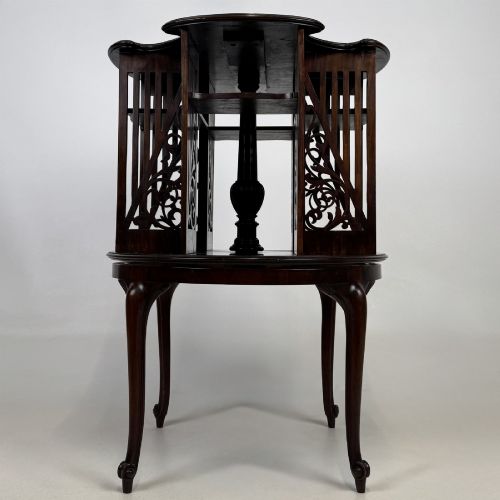
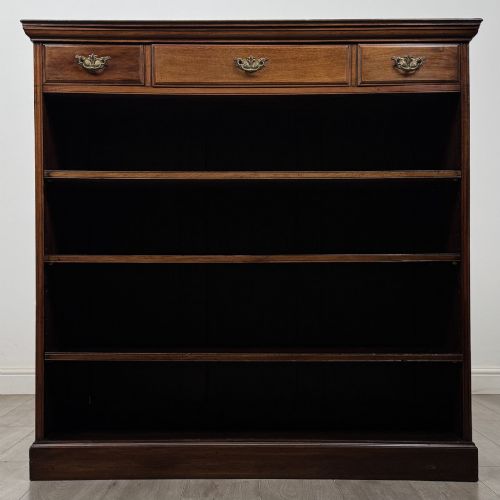
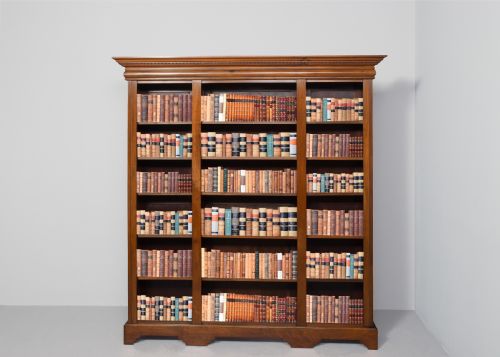
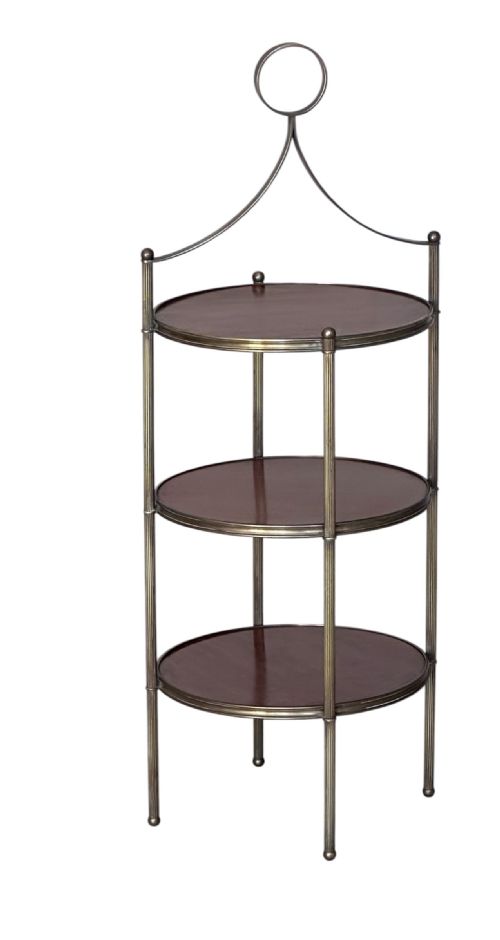
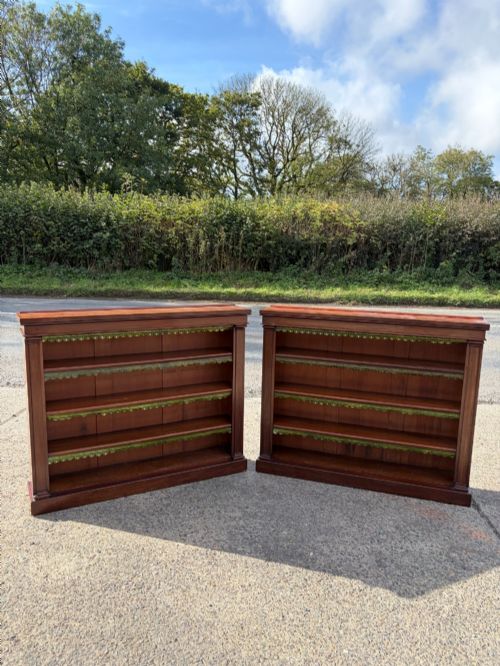
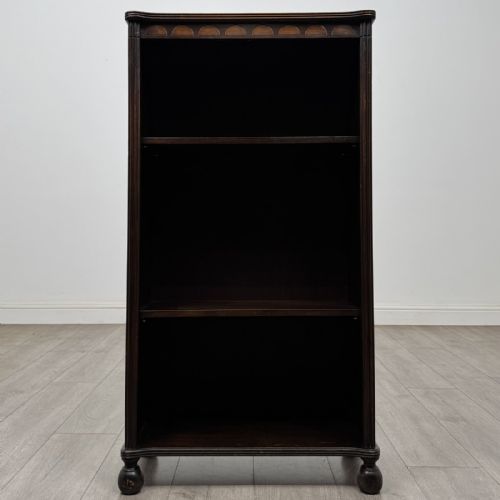
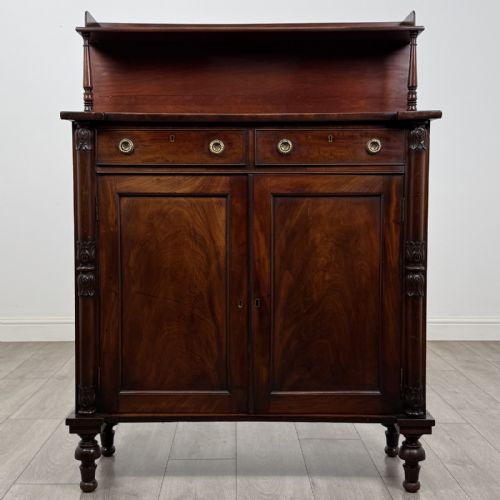
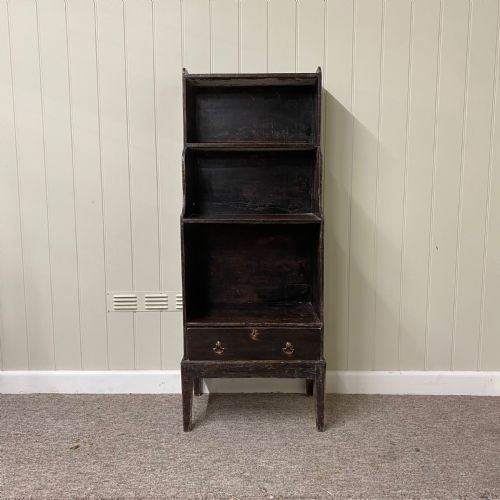
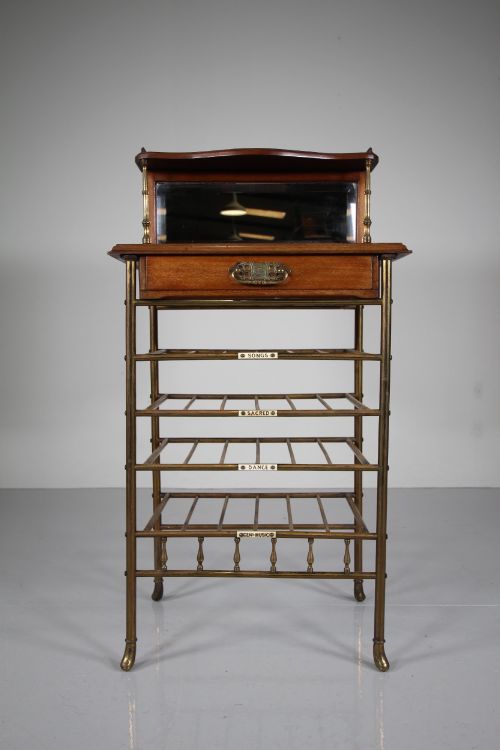
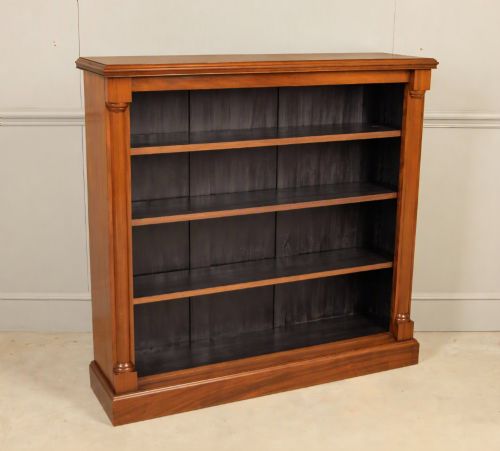
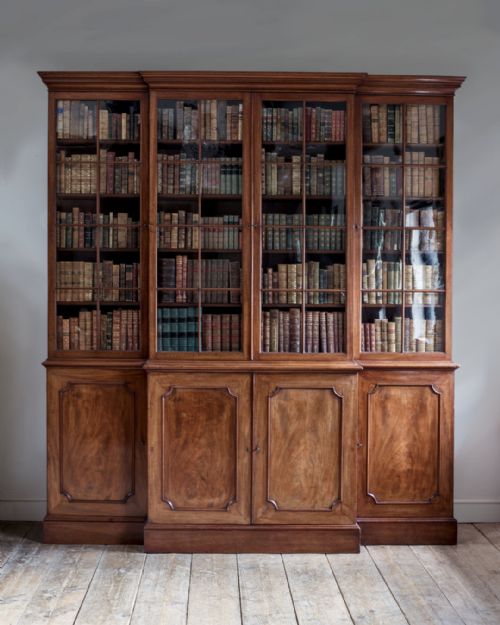
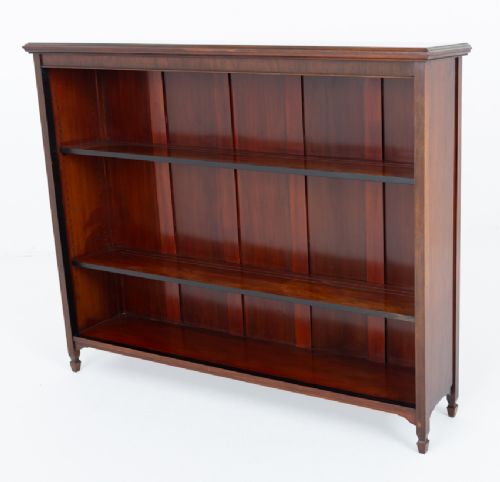
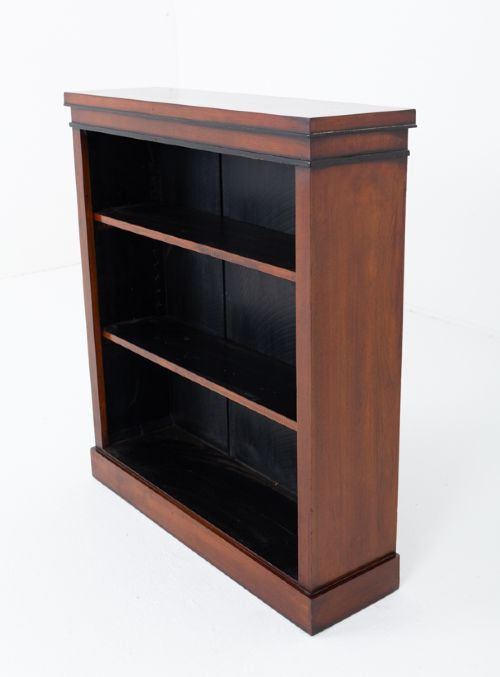
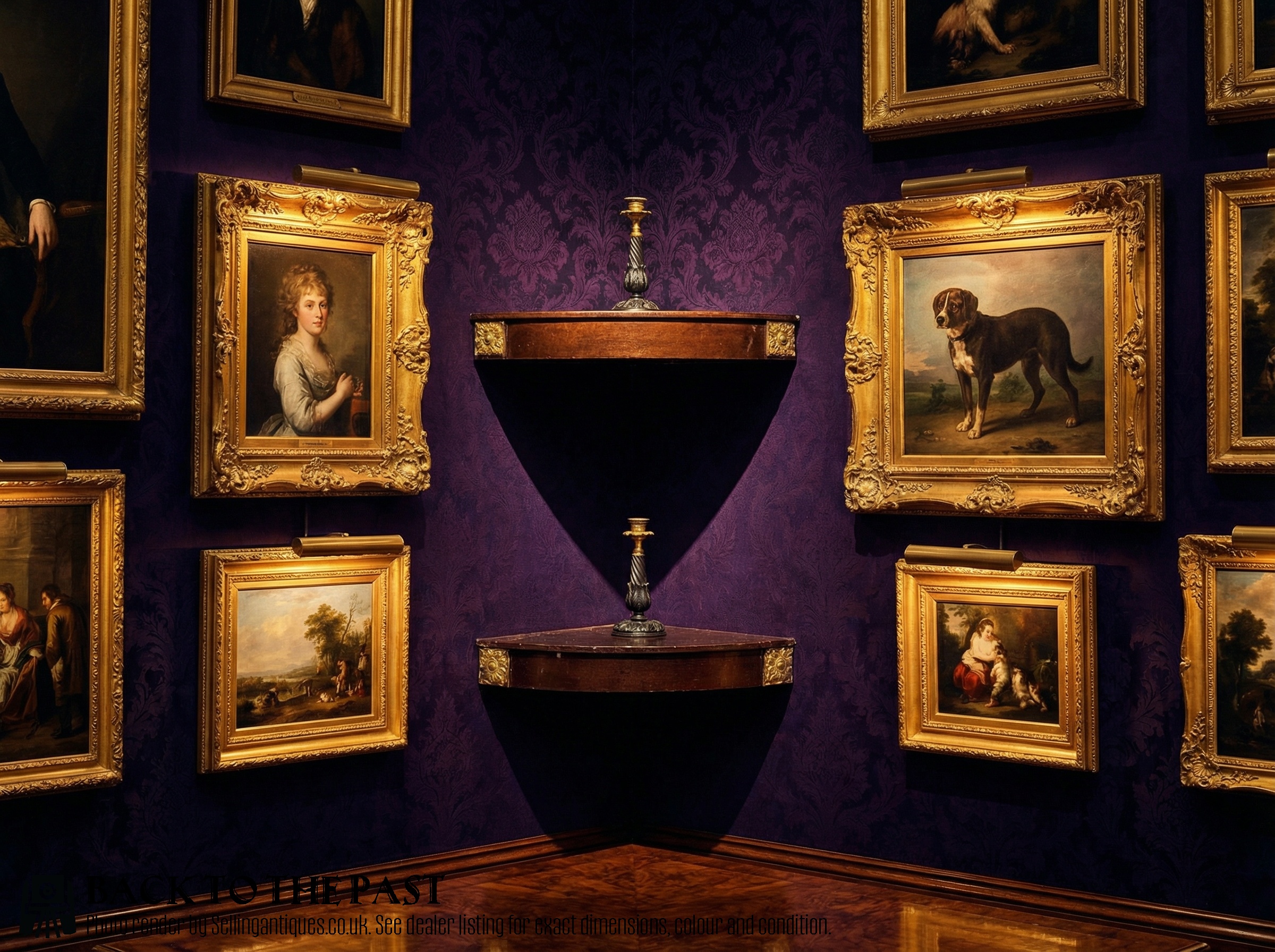
When you search for antique mahogany shelves, you encounter a range of functional storage forms designed for domestic display and library use. The selection spans from multi-tiered hanging wall shelves and corner whatnots to substantial floor-standing open bookcases and revolving units.
The pieces on this page originate predominantly from the nineteenth and early twentieth centuries, encompassing Victorian, Edwardian, and Regency periods. You will regularly find configurations featuring adjustable shelving, integrated cupboards, or tiered tiers designed to hold books and decorative objects.
How they were made
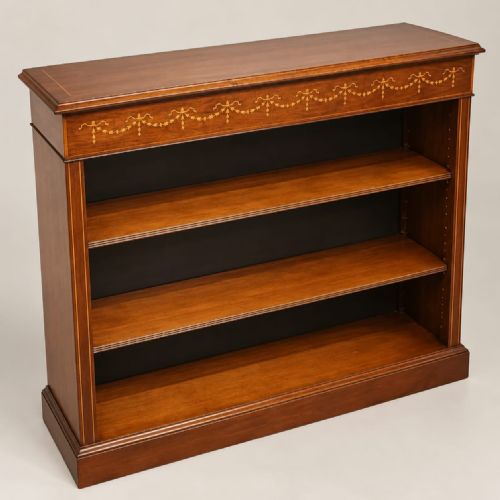
Cabinetmakers utilised dense solid timber alongside figured veneer, frequently selecting rich flame mahogany for visible panels and drawers. Structural soundness was achieved through traditional joinery, while decorative appeal often came from contrasting stringing lines in satinwood or boxwood.
Metal components played a practical role in daily use, incorporating brass castors on floor-standing pieces and hanging brackets on wall-mounted units. Glazed doors utilised fine wooden framing, and internal shelving frequently incorporated adjustable ratchets or peg supports.
Antique Mahogany Shelves Retail Price Guide 2026
Typical asking prices for mahogany shelves among the pieces listed under this phrase on Sellingantiques today, from the lower quarter to the upper quarter. They describe what is for sale here now, not the wider market.
Some pieces include leather-edged shelves designed to protect fine book bindings from rubbing against the timber.
What varies in quality
The standard of a piece rests in the choice of timber grain and the precision of its construction. Superior examples display carefully matched veneer patterns and refined decorative details such as fretwork or subtle inlay work.
Proportion and utility also distinguish finer pieces, particularly where shelving adjustments operate smoothly and structural timber remains stable across changing seasons.
Trevor Page & Co·James Mein of Kelso·Brockbanks & Atkins·Waring & Gillow·Edwards and Roberts·Gillows
The Antique Mahogany Shelves Glossary
- Whatnot
- A piece of furniture consisting of open shelves for displaying small objects, popular in the nineteenth century. These multi-tiered units often feature turned supports or barley twist columns.
- Waterfall bookcase
- A set of open shelves where each tier is successively deeper than the one above it, creating a stepped profile. This design appeared frequently during the Regency and Victorian periods.
- Inlay
- A technique where pieces of contrasting wood, such as satinwood or boxwood, are inserted into the primary mahogany surface to create decorative patterns. It adds visual contrast to Edwardian and late nineteenth-century cabinetwork.
- Astral glazed
- A glass door divided into panes by a framework of slender wooden bars. This construction is often seen on better bookcases to keep dust from books while maintaining visibility.
- Adjustable shelves
- Shelving resting on movable supports that allow the user to alter the height between tiers. This practical feature appears in many freestanding and wall-hanging libraries.
Antique Mahogany Shelves: Frequently Asked Questions
How do I hang wall shelves safely?
Wall-hanging shelves require secure fixings into solid masonry or direct attachment to wall studs using appropriate brackets. Because these timber structures carry heavy book loads, checking the weight distribution prevents strain on the original joints.
Ensuring the back panel and hanging points remain rigid before loading helps protect the antique wood from warping under pressure.
Can shelves be adjusted easily?
Many nineteenth-century bookcases and shelving units feature adjustable boards resting on wooden ratchets, brass studs, or shelf pegs. This mechanism allows you to modify the vertical spacing to accommodate books of different heights.
Care should be taken when moving old shelves to avoid catching the mahogany edges against the internal uprights.
What is a whatnot used for?
A whatnot is a tiered open stand historically used for displaying ornaments, ceramics, and books in sitting rooms. The multiple platforms allow smaller items to be grouped together visibly within a compact footprint.
These pieces function well in modern hallways or corners where floor space is limited.
How do I tell Victorian from Edwardian pieces?
Victorian mahogany shelves tend to feature heavier proportions, darker finishes, and sometimes turned barley twist supports or Gothic revival details. They emphasise solid utility and robust construction.
Edwardian pieces often appear lighter in scale, frequently incorporating delicate satinwood inlay or simpler open frameworks influenced by the turn of the century.