


Traditional Wood Bookcase
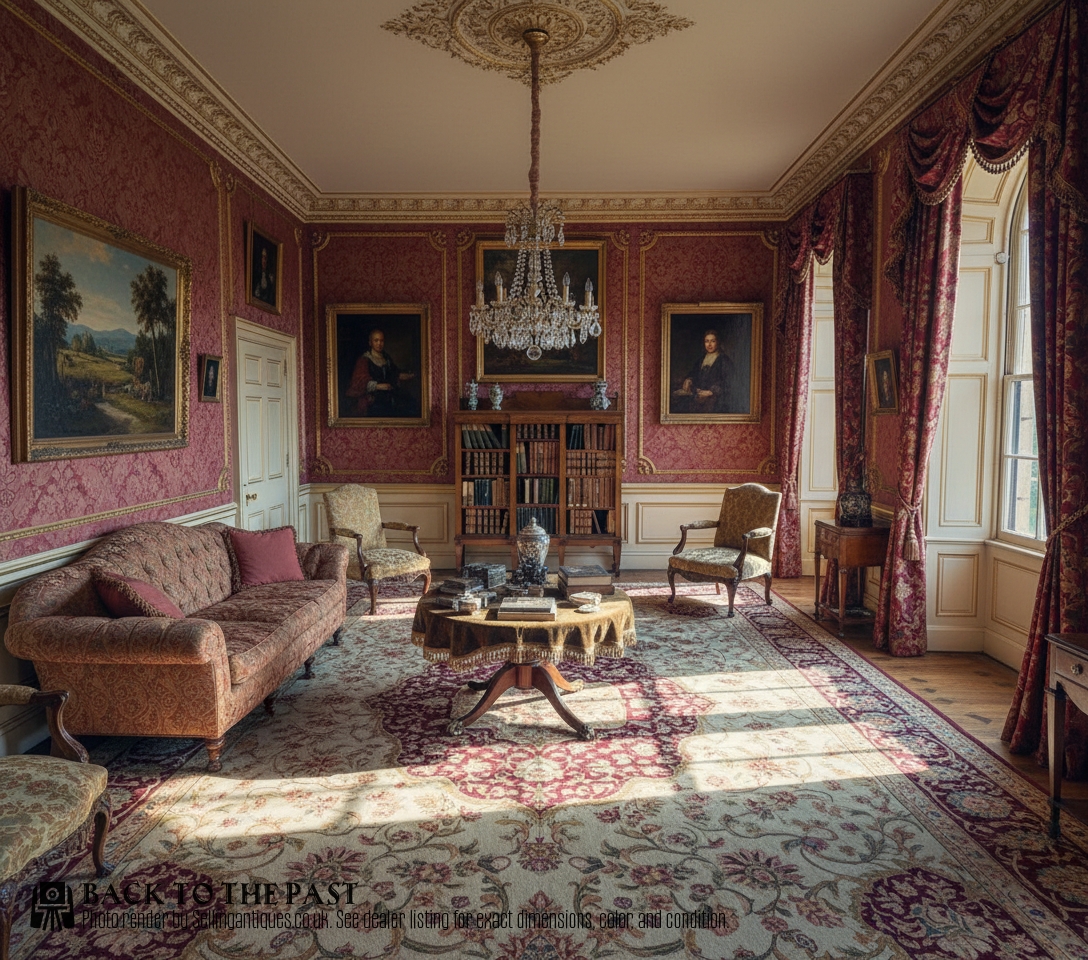
A traditional wood bookcase anchors a room with solid presence, offering grounded storage for heavy volumes and treasured editions.
Traditional Wood Bookcase
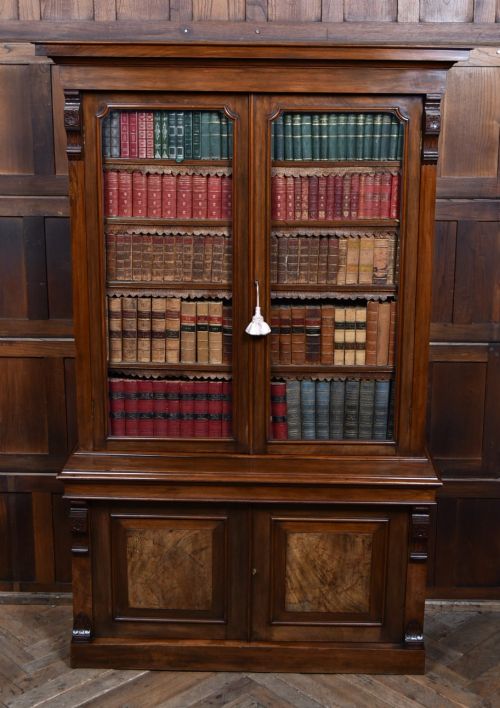
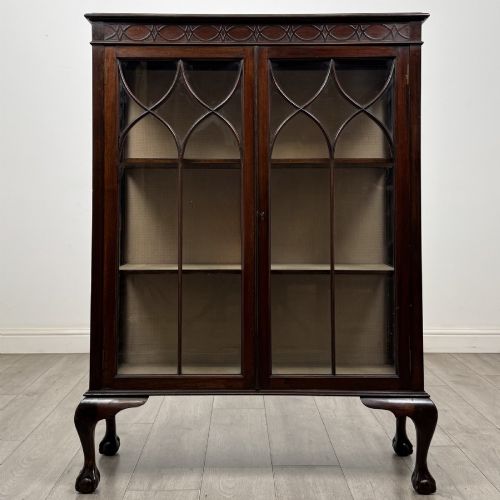
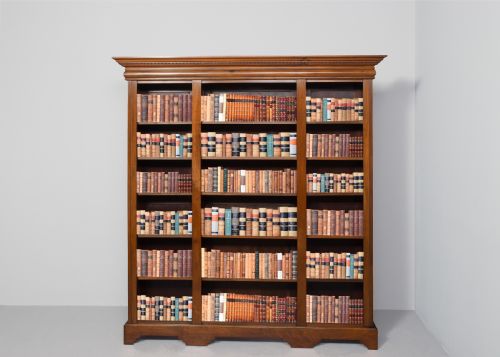
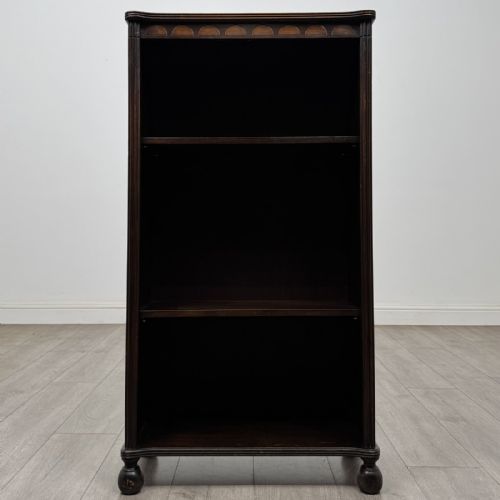
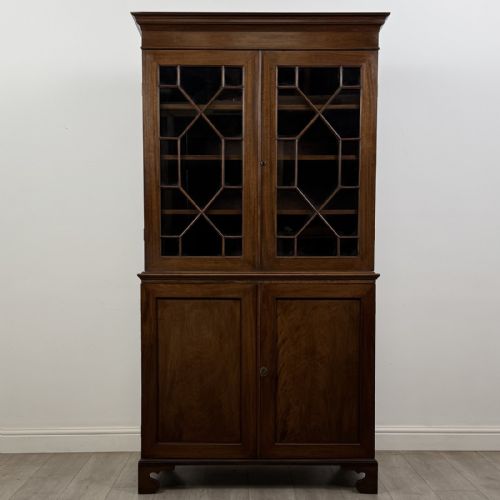
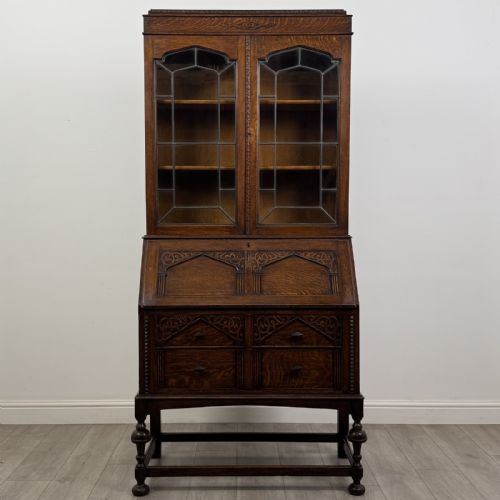
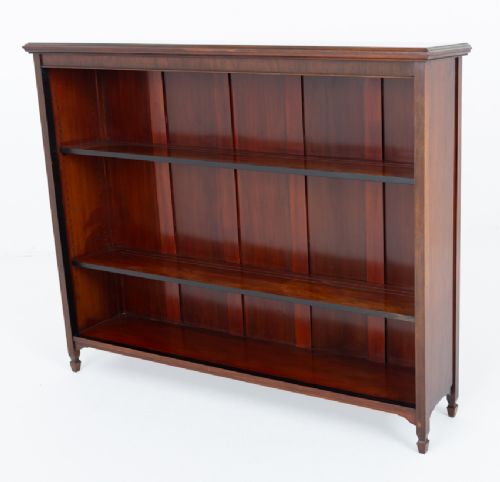
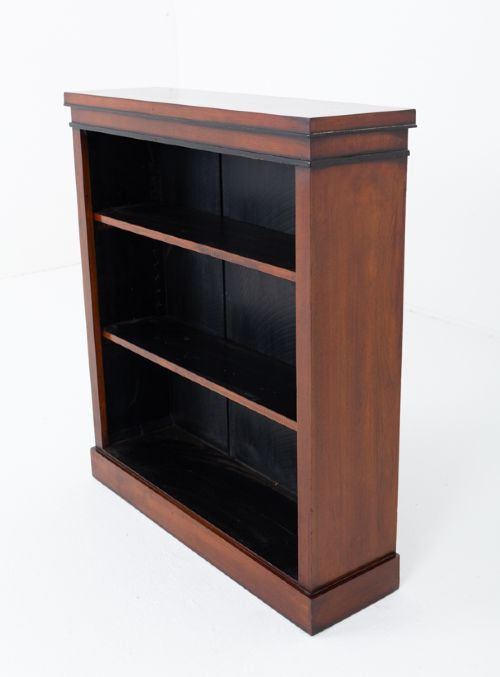
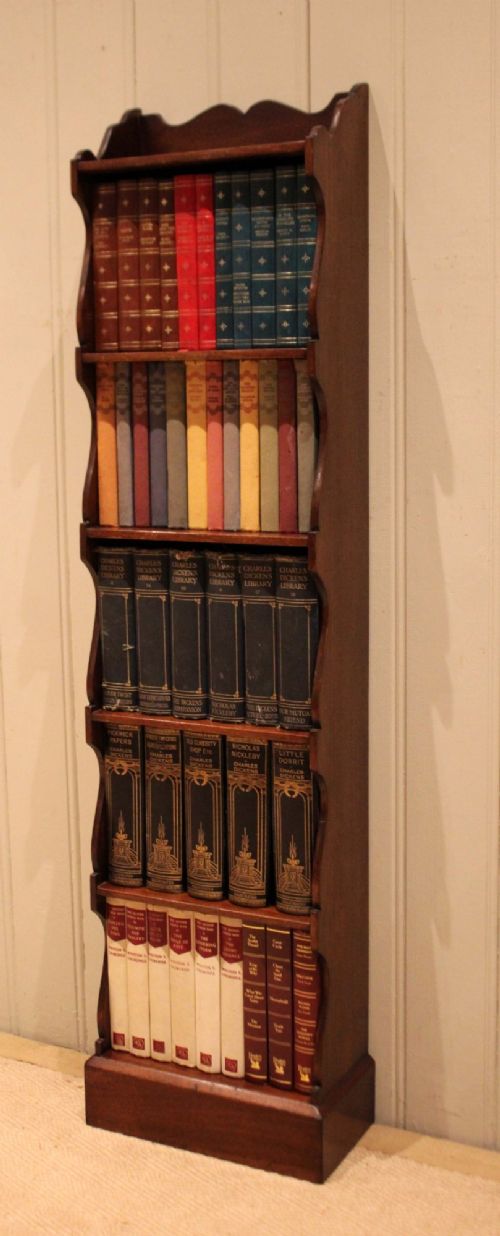
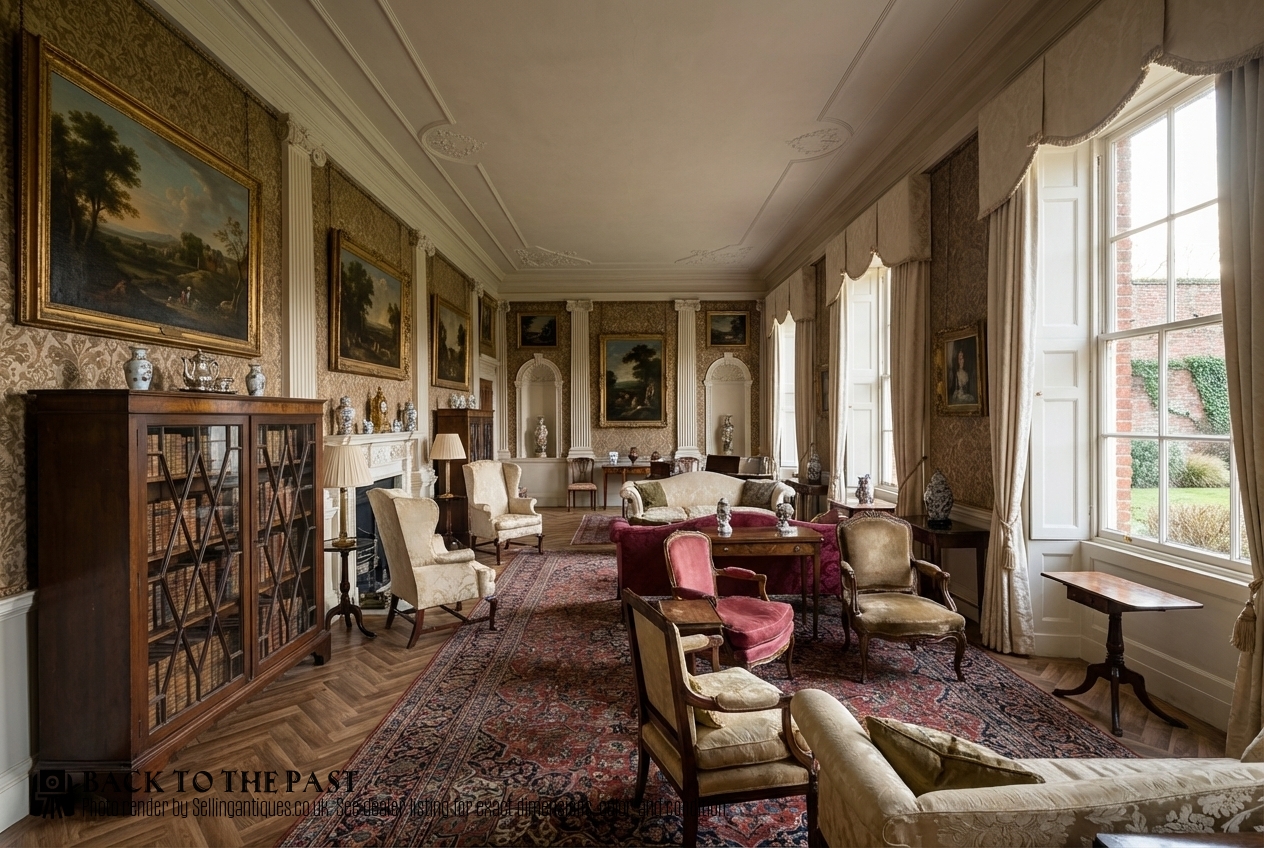
A traditional wood bookcase provides practical shelving built from established timbers like oak, mahogany, and walnut, spanning periods from the Victorian era into the twentieth century. These pieces appear in forms ranging from simple open shelving and slim library stands to bureau bookcases and glazed display cabinets.
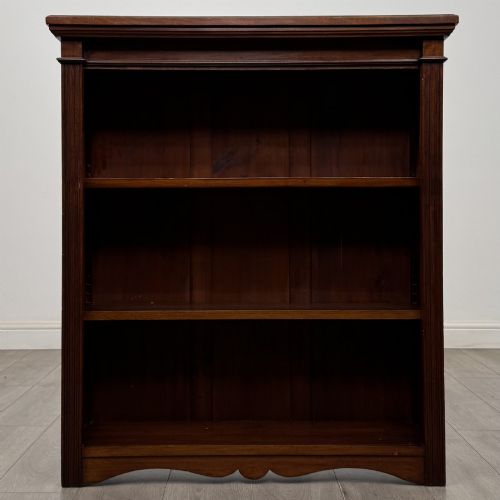
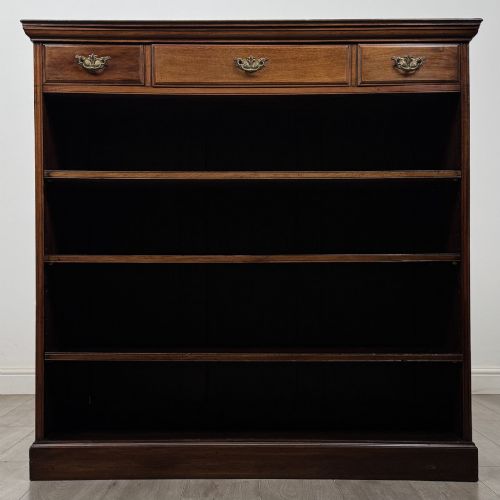
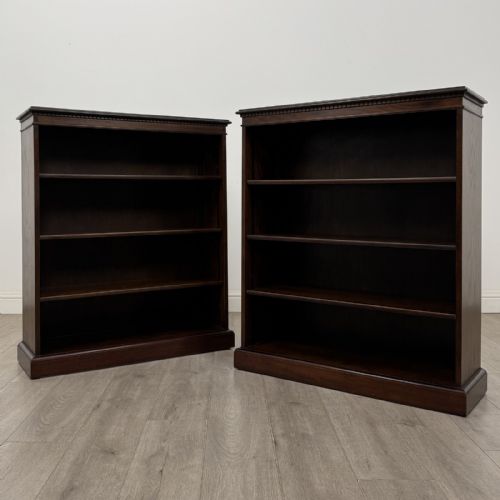
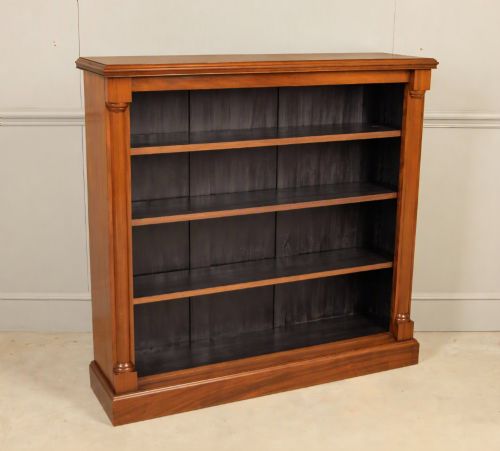
The version most commonly met on this page is the open oak or mahogany bookcase dating from the Edwardian period or the nineteen-twenties. Such pieces prioritise accessible storage, often displaying straightforward lines or restrained period revival details without excessive ornamentation.
How they were made
Cabinet makers utilised dense hardwoods such as mahogany, oak, and walnut, frequently selecting pine for internal carcases and backing boards. Timber selection dictated both structural stability and the visual grain pattern across the front elevation.
Construction relied on traditional joinery techniques, supplemented by brass hardware for hinges and handles, and occasionally lead to secure glass panes within glazed doors. Surfaces received wax or polished finishes that highlighted the natural figure of the wood.
Traditional Wood Bookcase Retail Price Guide 2026
Typical asking prices for traditional wood bookcase among the pieces listed under this phrase on Sellingantiques today, from the lower quarter to the upper quarter. They describe what is for sale here now, not the wider market.
Formations range from open library shelving and corner cabinets to bureau bookcases incorporating integrated writing surfaces.
What varies in quality
The integrity of timber selection and the precision of the underlying joinery set higher examples apart from utilitarian utility pieces. Better proportioned bookcases exhibit balanced cornices, stable plinths, and carefully matched timber grains across prominent surfaces.
Refinements such as adjustable shelving systems, finely cut beaded edges, and subtle carved details indicate a higher standard of workshop execution. The presence of secondary timbers and the condition of original brass fittings further distinguish the grade of construction.
Waring and Gillows
The Traditional Wood Bookcase Glossary
- Breakfront
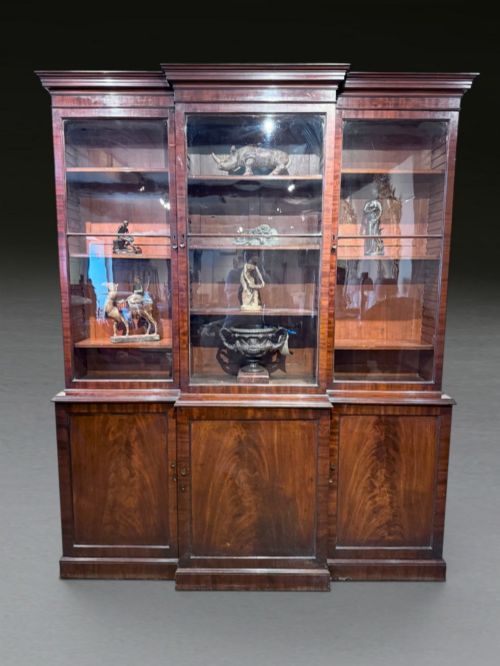
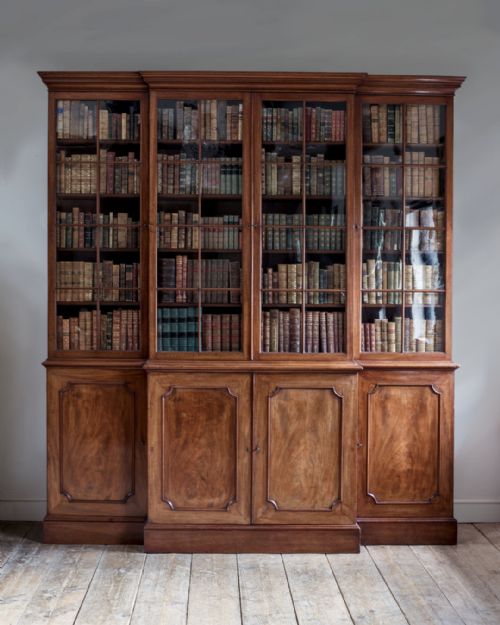
- A cabinet or bookcase design where the central section projects forward from the side sections. This layout creates visual depth and architectural interest.
- Vitrine
- A glass-fronted display cabinet used for exhibiting books, ceramics, or collectibles. These pieces protect contents while maintaining all-round visibility.
- Bureau bookcase
- A hybrid form combining a sloping fall-front writing desk with shelving or a cabinet above. It offers a compact dual-purpose workspace and storage solution.
- Open bookcase
- A shelving unit without doors, designed for immediate access to books. These units range from low proportions to large library editions.
Traditional Wood Bookcase: Frequently Asked Questions
How do I style a large oak bookcase?
Balance heavy volumes with vertical and horizontal stacks to create visual breathing room among the shelves. Introduce smaller decorative objects or framed pieces to break up solid rows of book spines.
Allow natural light to reach the wood surface by avoiding overcrowding, ensuring the grain remains a prominent feature of the room.
Are open bookcases suitable for valuable books?
Open shelving grants immediate access and displays bindings effectively, though it exposes volumes to dust and environmental light. They work well for everyday reading rather than archival preservation.
Consider room placement away from direct sunlight to protect leather and cloth bindings from fading over time.
What is the difference between Victorian and Edwardian bookcases?
Victorian pieces tend to feature heavier timbers, deeper colour tones, and more pronounced carving or architectural embellishments. They reflect a period of substantial construction and formal interior design.
Edwardian examples often present lighter proportions, simpler lines, and a brighter finish, accommodating more modest domestic spaces.
How do I care for a mahogany bookcase?
Maintain the finish by applying traditional beeswax sparingly and buffing with a soft cloth to preserve the natural lustre. Avoid placing the timber near direct heat sources or strong sunlight.
Dust regularly with a dry cloth to prevent particulate buildup within the grain and carved details.