

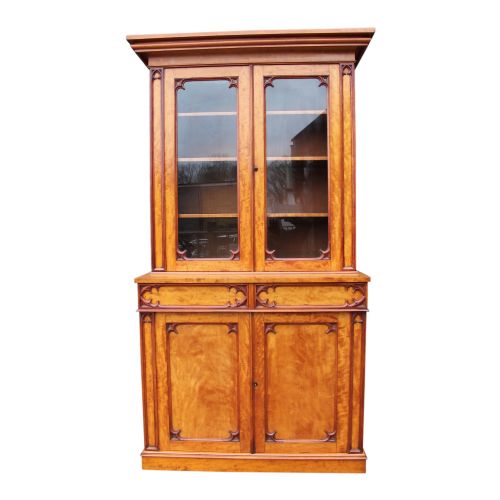
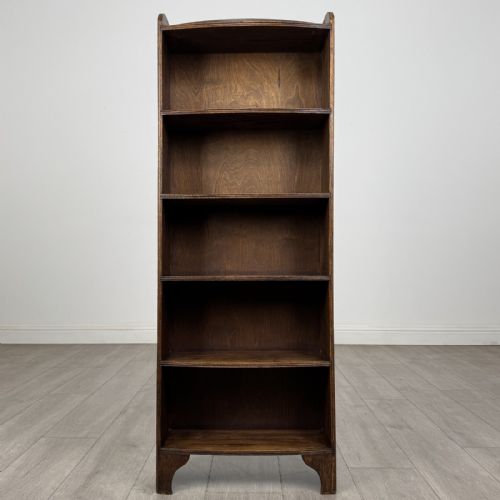
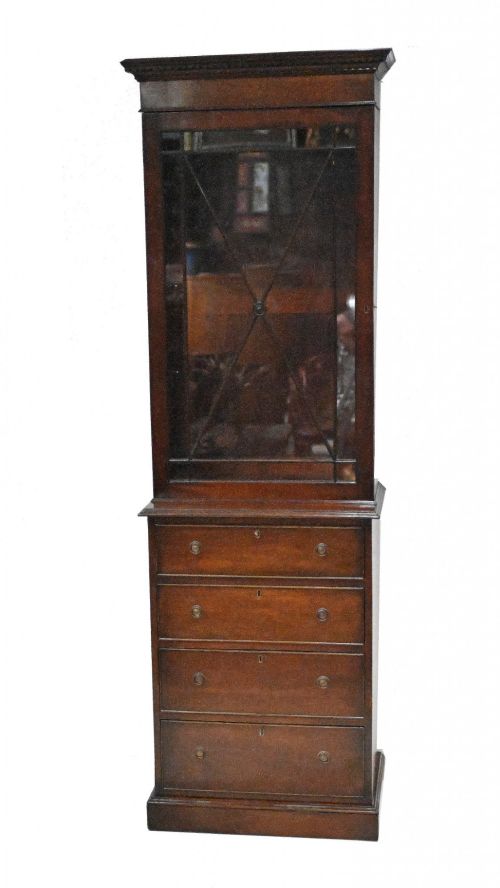
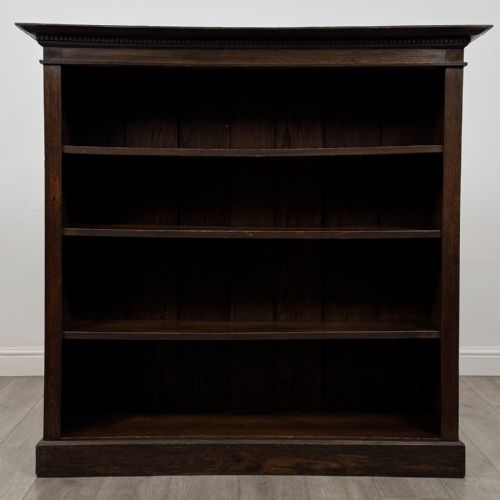
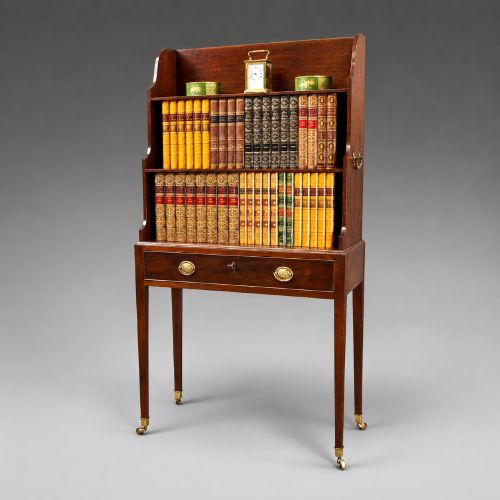

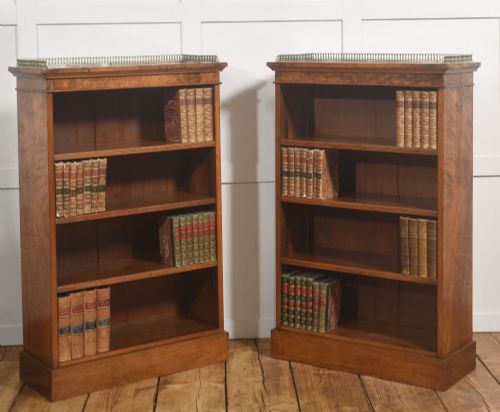
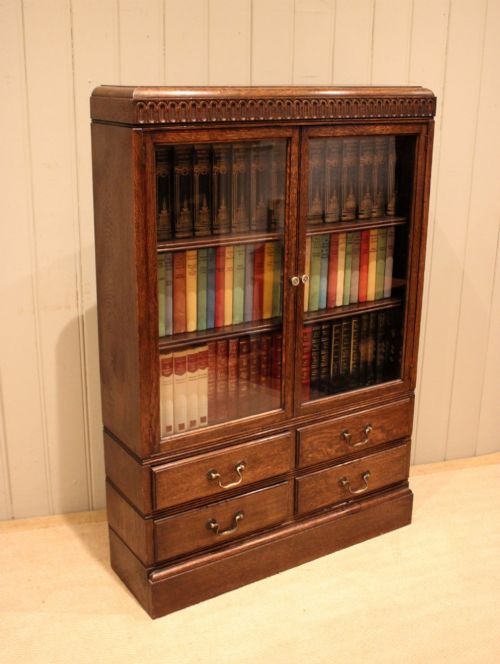
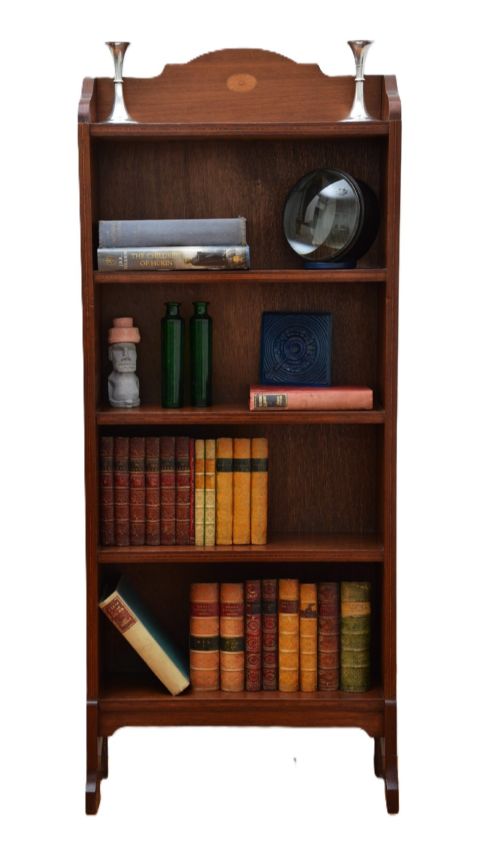
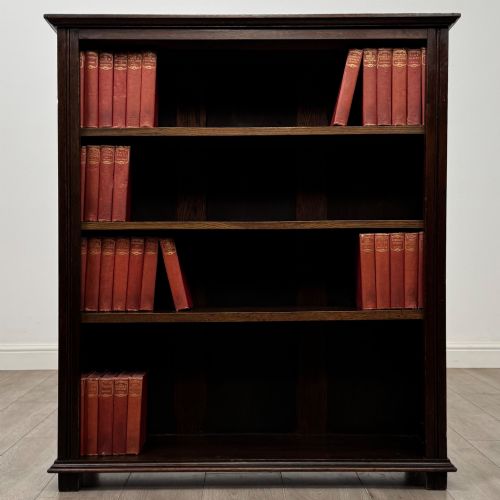
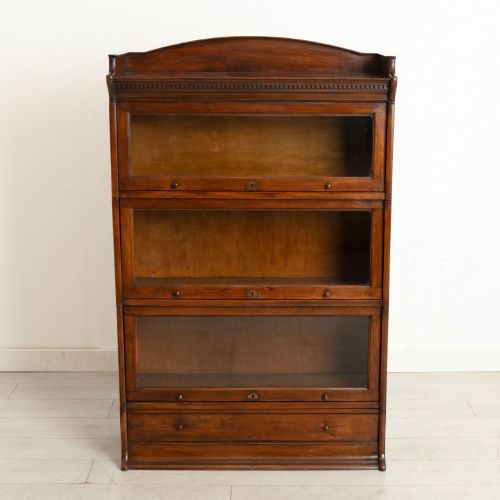
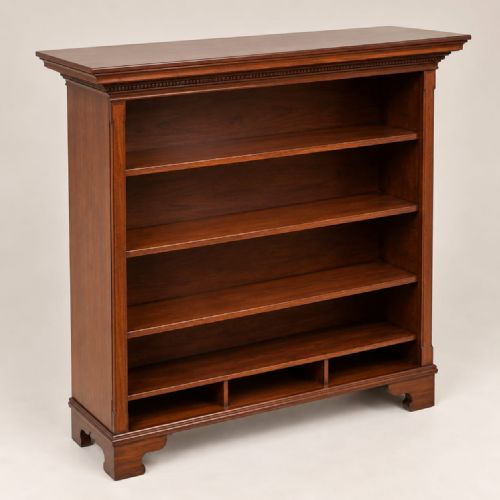
Edwardian Book Cabinet
An Edwardian book cabinet brings period proportion and practical shelving to a room, holding libraries with understated elegance.
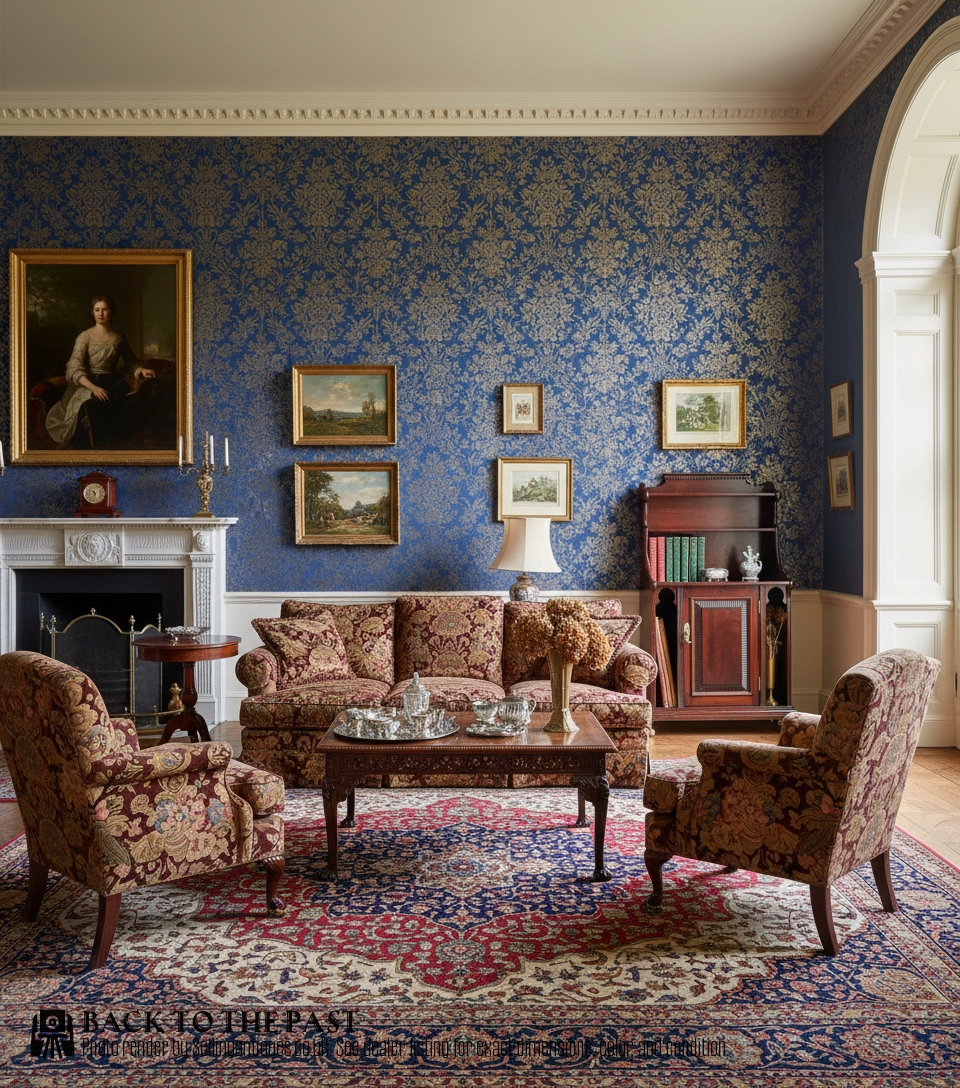
Edwardian Book Cabinet
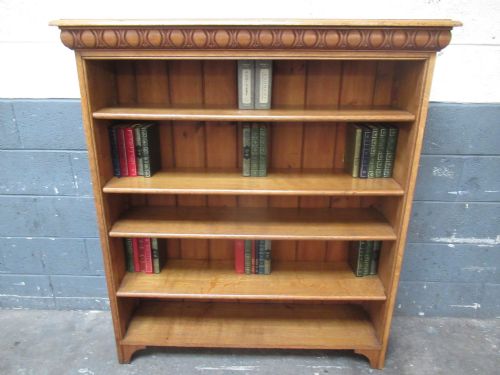
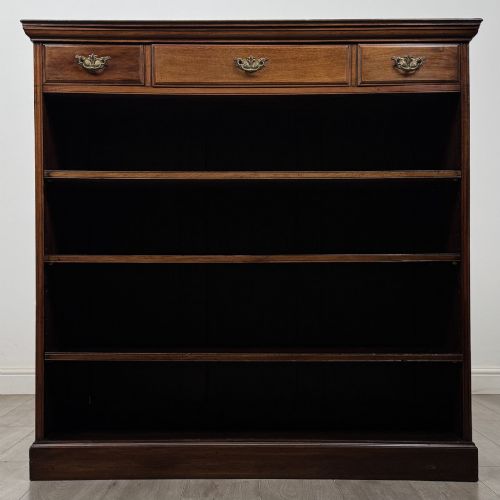
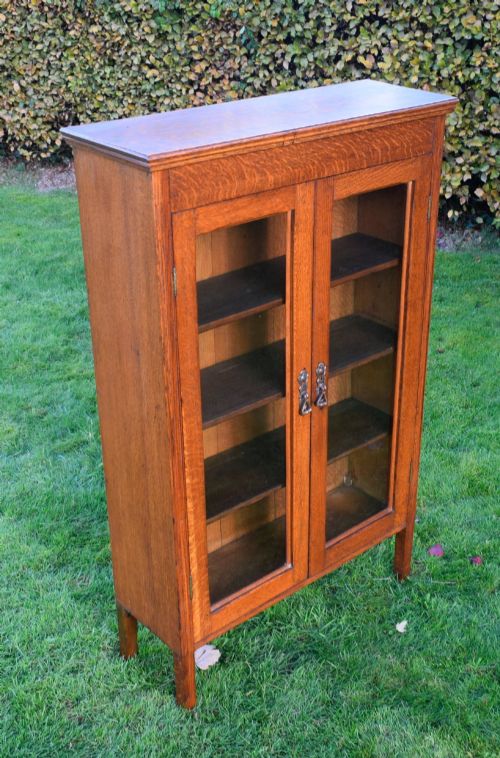
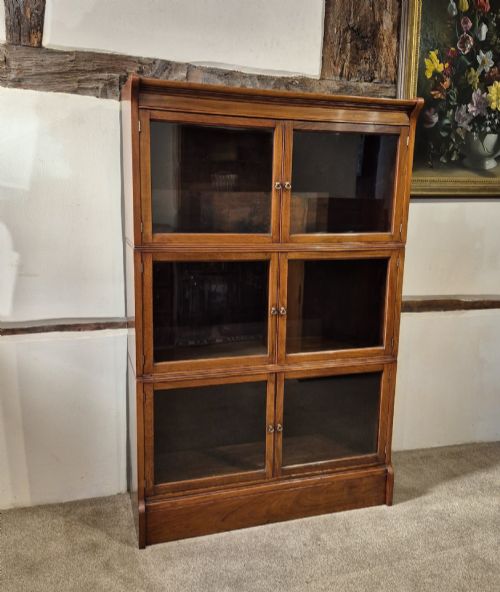
The search phrase edwardian book cabinet encompasses freestanding library furniture, glazed display cupboards and open shelving units produced around the turn of the twentieth century.
Mahogany remains the dominant timber seen across these pieces, frequently accompanied by walnut, oak, satinwood and rosewood.
Buyers regularly encounter breakfront formats, tall two-part uprights and specialised variations incorporating bureau desks or music storage.
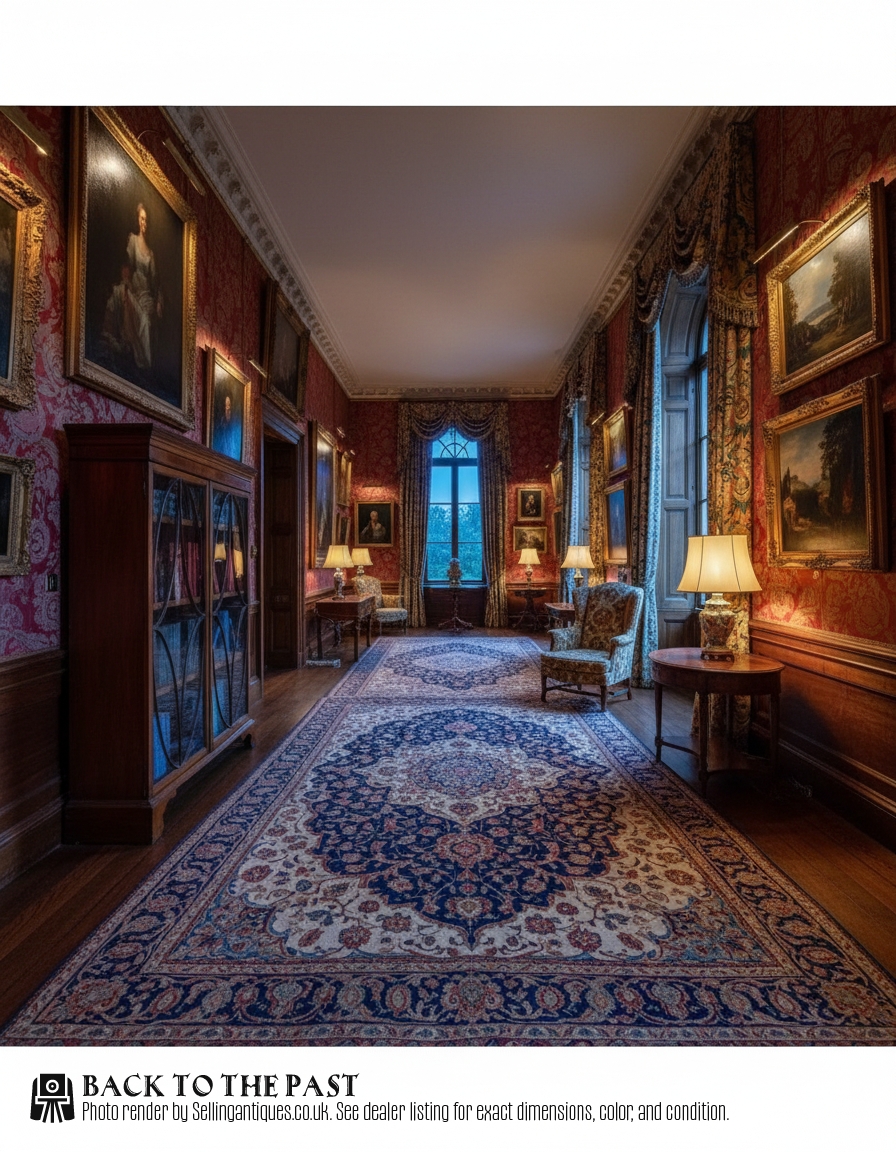
Construction and Materials
Cabinet makers utilised solid and veneered mahogany, walnut and oak, often incorporating contrasting satinwood stringing and marquetry inlay.
Glazing takes the form of glass panels held by timber framing or astragal bars, paired with brass hinges and locks.
Internal shelving is frequently adjustable to accommodate varying volumes of books.
Edwardian Book Cabinet Retail Price Guide 2026
Typical asking prices for edwardian book cabinet among the pieces listed under this phrase on Sellingantiques today, from the lower quarter to the upper quarter. They describe what is for sale here now, not the wider market.
Certain specialised cabinets double as laboratory cupboards or cocktail storage alongside traditional library shelving.
Judging Quality
Finer examples distinguish themselves through figured timber grains, such as flamed mahogany or well-matched walnut, rather than plain flat surfaces.
The crispness of hand-cut inlay and the proportion of the cornice and base mouldings separate standard production from superior cabinet work.
Subtle details like finely formed astragal glazing bars and original brass hardware elevate the standing of a piece.
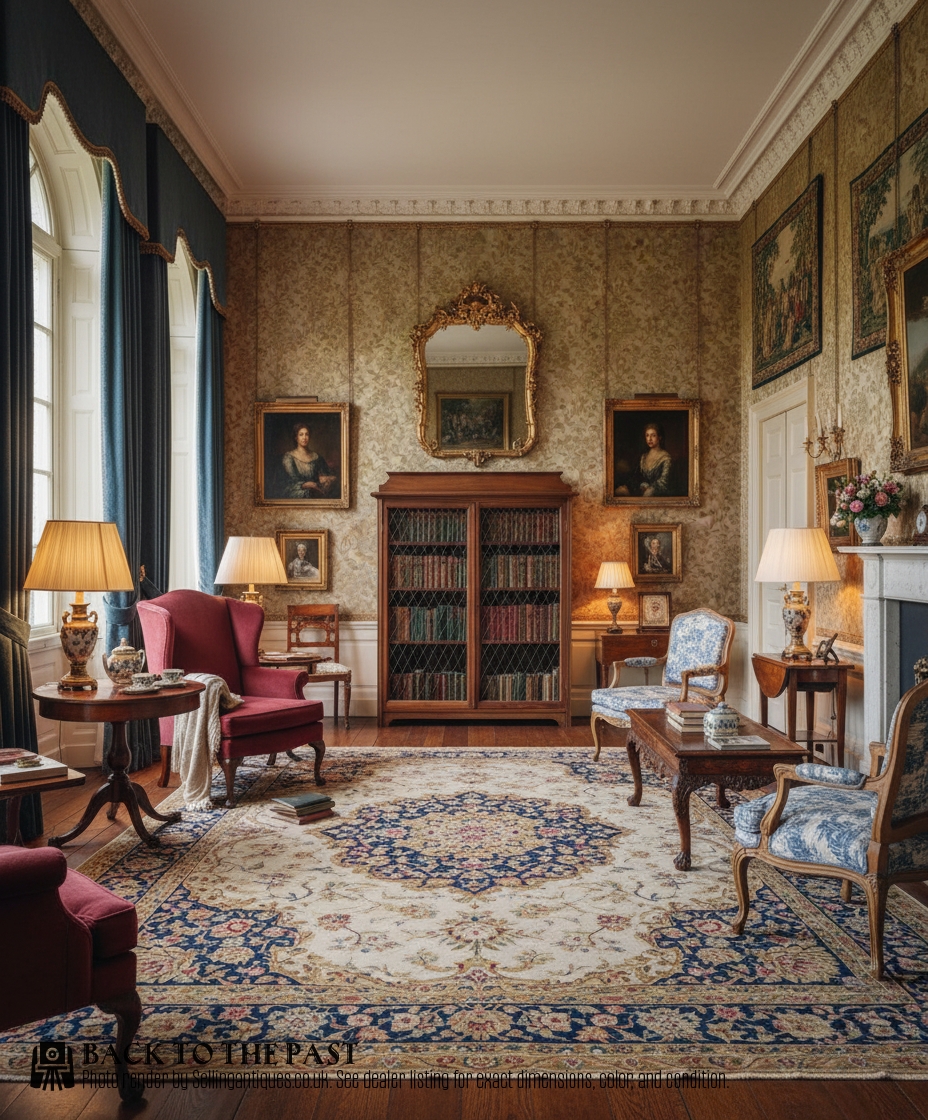
Shapland & Petter·T. Inglesant & Sons Leicester
The Edwardian Book Cabinet Glossary
- Breakfront
- A cabinet design where the central section projects forward from the flanking wings. This architectural form adds depth and visual interest to large library furniture.
- Astragal
- A moulding profile used to hold glass panes within a door. In cabinet making, delicate astragal bars divide glazed doors into smaller geometrical lights.
- Marquetry
- Decorative patterns formed by fitting together small pieces of wood veneer. Craftsmen utilise varied timbers to create floral or geometric motifs on cabinet doors.
- Satinwood
- A lustrous yellow timber native to India and Ceylon. It serves as a contrasting inlay or banding material against darker woods like mahogany.
- Cornice
- The ornamental mouldings crowning the top of a cabinet. It provides a finished architectural transition between the wall and the furniture piece.
Edwardian Book Cabinet: Frequently Asked Questions
How do I spot a true Edwardian piece?
Examine the timber selection, construction methods and decorative vocabulary such as satinwood inlay or Arts and Crafts influences. These indicators align with manufacturing practices of the period spanning 1890 to 1910.
Check internal secondary woods like oak or pine behind the mahogany or walnut veneers, as uniformity in construction details helps confirm the era.
Are shelves usually adjustable?
Many examples feature adjustable shelving supported by wooden ratchets or metal shelf studs. This adaptability allows modern collections of books of varying heights to be stored easily.
Original mechanisms should move smoothly without modern replacement brackets where possible.
What is the difference between an open bookcase and a cabinet?
An open bookcase provides immediate access to volumes without doors, whereas a cabinet incorporates glazed or solid wooden doors to protect contents from dust.
Many Edwardian hybrid designs combine glazed display sections above with enclosed cupboard storage below.
How do I care for mahogany and walnut finishes?
Keep wooden surfaces away from direct sunlight and radiators to prevent timber shrinkage and veneer lifting. Regular dusting with a dry lint-free cloth preserves the polished finish.
Avoid silicone-based sprays and apply traditional beeswax sparingly when the surface appears dry.